San Gimignano Food Guide: What to Eat and Where to Find It
Eat well in San Gimignano: local Vernaccia wine and saffron, shared Tuscan dishes such as ribollita and wild boar pasta, pecorino and gelato, plus menu-reading tips.
On this page
San Gimignano is a compact, walled hill town, and its long food story begins in the countryside around it. Vineyards, olive groves, grain fields and sheep farms shaped local tables well before tourism arrived. One travel writer who has visited twice recommends spending at least half a day in San Gimignano to explore the town and enjoy a meal; treat that as an unofficial benchmark rather than an official figure. That is enough time to slow down for lunch without hurrying between sights. For orientation on the town as a whole, see San Gimignano.
Ask what San Gimignano is known for and the honest answer blends two categories. The town has genuine local products, notably Vernaccia wine and saffron, while many dishes on menus belong to the wider Tuscan repertoire. This guide separates the two, then offers practical help on choosing where to eat, including how to read a menu and what to expect from a short seasonal kitchen. To choose a season for a food-focused visit, see Best Time to Visit San Gimignano.
Vernaccia and Saffron: The Flavours That Belong to San Gimignano
Vernaccia is the historic white wine produced around the town, and it is the most useful thing to understand before sitting down. A food guide to San Gimignano describes its mineral character, crisp acidity and elegant finish, which make it particularly suitable alongside vegetables, fresh cheeses, fish, white meats and lighter pasta dishes. Looking out across the vineyards from the town makes the connection clear. Availability at local wineries can vary, especially around harvest, so confirm with any producer directly before planning a visit. The wine is one of the clearest expressions of how food, landscape and identity intertwine here. Further visitor details appear in San Gimignano Food Guide: What to Eat and Drink | Walkabout Tours.
Saffron has been cultivated around San Gimignano since medieval times, and it remains one of the town's more distinctive agricultural products. High-quality local saffron contributes a delicate floral aroma and subtle earthy notes, turning up in fresh pasta, risotto, soups, sauces, cheeses and occasionally desserts. During the Middle Ages, saffron was an important commercial crop that helped support the local economy. Looking for dishes featuring it is therefore a way to taste a product that genuinely belongs to this corner of Tuscany. Further visitor details appear in San Gimignano Food Guide: What to Eat and Drink | Walkabout Tours.
Treat both as your first port of call when ordering. A glass of Vernaccia with a board of local pecorino and salumi is a coherent, low-risk way to begin, and a saffron-scented pasta can be a memorable main. You do not need to chase a specific recipe; look instead for menus that mention these products naturally, as part of their regular cooking rather than as a novelty.
Shared Tuscan Classics: Ribollita, Wild Boar and Pecorino
Many dishes you see in San Gimignano are regional classics rather than local inventions. Ribollita and pappa al pomodoro are bread soups that transformed stale bread into nourishing meals with vegetables, beans, tomatoes and olive oil. They are born of thrift and remain entirely appropriate here because they reflect the same agricultural traditions as the surrounding countryside. Pappardelle with wild boar ragù is another well-known Tuscan pairing, and its earthy flavour suits the wooded landscapes of inland Tuscany. Further visitor details appear in San Gimignano Food Guide: What to Eat and Drink | Walkabout Tours.
Pecorino and cured meats are central to the local table. Pecorino comes in different stages of ageing, from soft and delicate to firm and pronounced, often served with local honey, fruit preserves or bread and a glass of Vernaccia. Regional salumi such as finocchiona, prosciutto and Tuscan salami round out a classic antipasto board. Many restaurants will offer one or both of these alongside their pasta dishes.
Tuscan bread contains very little salt, a historical quirk that remains a defining characteristic. It is designed to complement rather than compete with stronger flavours, pairing naturally with salumi, olive oil, cheeses and vegetables in oil. Choosing a smaller, well-sourced selection from an antipasto menu often proves more memorable than ordering the largest sharing platter.
How to Read a Menu and Choose a Trattoria
The clearest signal of a restaurant that cooks for its territory is the length of its menu. A food guide to San Gimignano notes that a very long menu often tries to satisfy every possible visitor, while a shorter, seasonal list shows confidence in local ingredients. Look for local wines, fresh olive oil, handmade pasta, seasonal vegetables and regional cheeses and meats. A menu that changes with the seasons is a further sign of a kitchen connected to its surroundings. Further visitor details appear in San Gimignano Food Guide: What to Eat and Drink | Walkabout Tours.
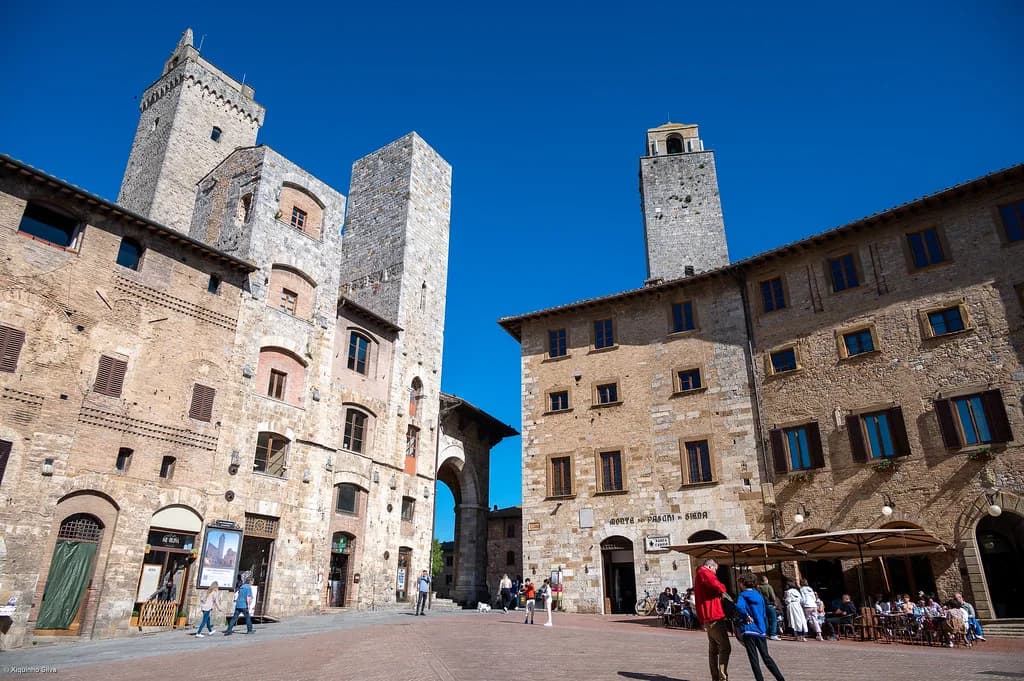
Another useful clue is where the restaurant sits. A San Gimignano travel guide by Bon Traveler observes that the historic centre draws many visitors but that quieter streets exist off the main thoroughfares. Central squares like Piazza della Cisterna can be convenient, but streets a few minutes' walk away often feel calmer. This is not a guarantee of quality, and no place should be assumed authentic on location alone. Instead, combine a short menu, a modest wine list, and the absence of hard-sell tactics. For more on the town's layout, see San Gimignano neighbourhoods and quarters.
Finally, the philosophy matters more than the precise dish. Traditional Tuscan cooking values restraint and high-quality ingredients over elaborate preparation. If a menu lists dozens of dishes spanning pizza, sushi and several steaks, it is likely cooking for volume rather than character. A simpler kitchen with fewer, seasonally driven plates is often the better bet.
Judging a Gelateria and Saving Room for Dinner
Gelato is not the defining element of San Gimignano's cuisine, but it makes for a pleasant pause during a walk through town. Rather than choosing a shop by dramatic displays or unusually bright colours, look for one that emphasises seasonal ingredients, natural flavours and careful preparation. Classic flavours such as pistachio, hazelnut, chocolate or fruit often reveal more about the quality than elaborate combinations designed to attract attention. A food guide to San Gimignano makes the same point, noting that such shops can be a worthwhile part of the experience when chosen thoughtfully. The same guide describes pappardelle with wild boar ragù, where the wide ribbons hold the slow-cooked sauce and game brings an earthy flavour long associated with inland Tuscany. Further visitor details appear in San Gimignano Food Guide: What to Eat and Drink | Walkabout Tours.
A small cup is a good way to end a meal or take a break before exploring further. Consider eating your gelato before a climb up the Torre Grossa rather than afterwards, as a combination of heat and heights rarely feels comfortable. Some artisans also offer recipes that include Vernaccia or saffron, which can be a light way to taste those local products without committing to a full dessert. For the town's atmosphere beyond the table, see Hidden Gems in San Gimignano.
Meal Timing and a Slow Eating Day
San Gimignano's compact centre is best explored on foot, so plan meals around short walks rather than car journeys between courses. Build the day around one seated meal, perhaps a lingering lunch, and keep other stops light. A coffee or pastry in the morning, a leisurely lunch in a trattoria or wine bar, and a gelato later in the afternoon allow you to enjoy the town's atmosphere without feeling rushed. Spring and autumn generally provide comfortable conditions for walking, though harvest time can affect winery availability, so confirm directly with any producer you hope to visit. For more seasonal context, see Best Time to Visit San Gimignano.
A Note on Local Names, Opening Times and Booking
Some restaurants and gelaterie appear repeatedly in travel features. A Tuscan magazine article, for instance, describes Gelateria Dondoli on Piazza della Cisterna and small centrally located spots such as La Vecchia Nicchia, La Mandragola and La Mangiatoia, alongside their addresses and phone numbers. These are useful as orientation but should not be confused with guarantees, and the listings are third-party rather than verified for current status. Opening hours, prices and booking policies change with the season at the owner's discretion, so confirm directly with the business by phone or through its updated web presence. Further visitor details appear in What to see and where to eat in San Gimignano.
Eat by the Landscape, Not the Menu Length
San Gimignano rewards eaters who pay attention to the countryside as much as to the menu. Start with Vernaccia, try a dish that features local saffron, and share a board of pecorino and salumi with unsalted Tuscan bread. Then let a bowl of ribollita or a plate of pappardelle with wild boar ragù do the rest. These are the flavours that genuinely belong to this part of Tuscany. A short seasonal menu in a calm street will almost always feel more memorable than a multi-page list in a busy square.
Before you go, check current opening days and booking policies directly, especially outside high season. Use any directory listing as a starting point, not a final answer. If you want to see more of the town between meals, a walking route through the centre is an easy way to work up an appetite and discover its corners. For more ideas on exploring beyond the table, see Hidden Gems in San Gimignano and our San Gimignano Attractions hub.
Frequently Asked Questions
What food is San Gimignano known for?
Its closest associations are Vernaccia wine and saffron cultivated in the surrounding countryside, alongside olive oil from local groves. Dishes such as ribollita, pappa al pomodoro, pappardelle with wild boar ragù, pecorino and salumi are shared Tuscan classics served here rather than dishes unique to the town.
What wine should I try in San Gimignano?
Vernaccia is the obvious choice. It is a white wine known for its mineral character, crisp acidity and clean finish, making it a good match for vegetables, fresh cheeses, fish, white meat and lighter pasta dishes. You can order it by the glass with an antipasto board.
Are there vegetarian options in San Gimignano?
Yes. Tuscan cuisine offers several options for vegetarians, including dishes based on seasonal vegetables, local pecorino cheese, bread soups like ribollita or pappa al pomodoro, and gelato. The policy of individual restaurants varies, so it is best to check menus and ask the staff if you have specific dietary needs. Kitchen preferences and availability change with the season, so confirm current options directly with the restaurant.
Sources
Continue exploring
More guides you'll find useful