Best Time to Visit San Gimignano: Seasons, Crowds and Timing
Plan when to see San Gimignano by weighing hour of day against season, from calmer early mornings to busy midday and mild spring or autumn shoulder months.
On this page
San Gimignano rewards timing more than most Tuscan towns. It is compact, heavily visited and pedestrian at its core, so the same lanes can feel crowded at midday and calm a few hours later. Choosing when to go is really a decision about light, pace and how much company you want.
A useful working plan is to treat the hour of day as your first filter and the season as your second. One experienced writer suggests allowing at least half a day to explore the centre and enjoy a meal, longer if you plan to climb a tower or step inside churches. That is a recommendation, not an official duration, and our San Gimignano Attractions hub is a handy place to check which sights deserve a slot in your day.
Why Timing Shapes a San Gimignano Visit More Than the Calendar
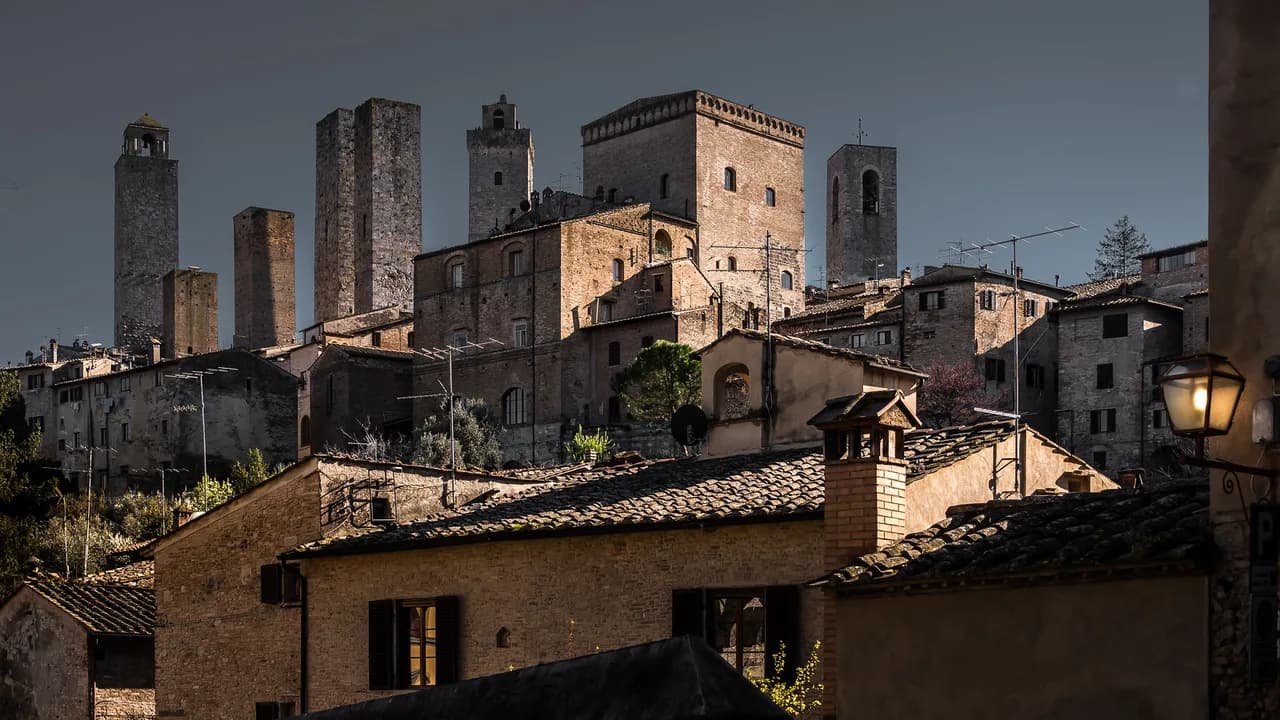
San Gimignano sits in the province of Siena in Tuscany, a walled hill town whose historic centre has held UNESCO World Heritage status since 1990. Towers and piazzas are packed into a small area, so visitor movement squeezes into a few main streets. That compactness is why a single hour can change the feel of the place so much.
The layout explains the rhythms. The historic centre is pedestrian and cars must park outside the walls, so nearly everyone arrives on foot through the same gates and funnels toward Piazza del Duomo and Piazza della Cisterna. When you go affects how much of that flow you share.
The busiest hours and months are a matter of observation rather than official designation. No source declares an officially quietest hour or month, so use the patterns below as a planning aid and check current local information before you commit.
Early Morning: The Most Legible Version of the Town
Early morning is often described as the best time to see San Gimignano because the town is legible before the main flow of visitors arrives. Light is softer, shadows are longer and movement is minimal, which makes the geometry of the streets and the vertical towers easier to read.
An early start also suits the climb up Torre Grossa, the 54-metre tower that is one of the few open to visitors. The ascent involves roughly 218 to 220 steps, mostly on grated steel, so cooler morning air and thinner crowds make it more comfortable. Check current access and ticket arrangements before you build your day around it.
One guide's suggested itinerary has you arrive early, around 8 to 9 AM, to beat the crowds. That is a suggestion rather than a rule, but it gives you a realistic target if you are driving in from Florence or Siena. Parking fills early, so pair the timing with a plan for where to leave the car.
Midday: The Busiest, Most Concentrated Window
By late morning the atmosphere shifts noticeably. Central areas around the main squares become more active, and the experience turns dynamic but more concentrated. This is the window when groups and day-trippers most often overlap, making it the least rewarding time for slow wandering.
The better tactic is to leave the main flow rather than try to outwait it. Side streets off the central squares reveal a different rhythm, and the compact layout means you are never far from the landmarks. Use midday for a seated lunch, a museum interior or a church visit instead of the busiest lanes.
If you want a structured route through the day, a San Gimignano one day itinerary can help sequence tower climbs, churches and meals around the crowds. Treat any plan as a suggestion, since doors and ticketing can change.
Late Afternoon and Evening: A Balanced Pace, Then Quiet
Late afternoon is one of the most balanced moments to visit. The intensity of midday softens, architectural details become more pronounced and the pace slows, yet there is still enough movement to feel like a living town. This is a good slot for viewpoints and photographs before the light fades.
In the evening the town shifts again. As most visitors leave, sounds soften and attention turns to smaller details such as the alignment of streets and the texture of stone. Staying overnight is the only way to experience this, and guides commonly recommend it as a way to see San Gimignano after the day-trippers have gone. Further visitor details appear in Best Time to Visit San Gimignano for Fewer Crowds and Better Light | Walkabout Tours.
For a sunset and quiet-lane plan, our guide to San Gimignano viewpoints covers where to stand and how to link them on foot as the day winds down.
Season by Season: Spring Contrast to Winter Minimalism
Spring brings contrast and clarity, with a visible connection between the town and the surrounding landscape. Temperatures are generally pleasant for walking, and the season sits either side of the peak summer holidays. Expect more changeable weather than midsummer, so layering is sensible.
Summer extends the day but also raises visitor density, which means timing within the day matters more. Autumn offers softer light and a slower pace, and fall is also grape harvest season in the area. Winter presents a minimal version of the town, quieter and less crowded, though some attractions may run reduced hours.
One guide singles out late spring and September or October for golden light and comfortable sightseeing, with December to February a gamble that rewards atmosphere over consistency. Summer, by contrast, is described as the busiest stretch. Treat these as informed recommendations rather than guarantees.
Shoulder-Season Trade-offs: Weather Versus Harvest Closures
Shoulder season is not purely a win. Fall is grape harvest season, which is a wonderful time to be in the Tuscan countryside, but it can also mean some area vineyards close for tastings while they work. If wine tasting is central to your trip, ask a specific winery about availability rather than assuming harvest means an open door.
Spring and fall are widely recommended for pleasant walking weather and fewer crowds than midsummer, but you trade the certainty of long summer days. A flexible plan that keeps a tasting as an optional extra, rather than the fixed point of the day, hedges against closures. For more on what to eat and drink in town, our San Gimignano food guide pairs well with this timing decision.
Practical Orientation: A Pedestrian Town You Can Walk
San Gimignano's historic centre is off-limits to non-resident vehicles, so you park outside the walls and walk in. One guide lists P1 Giubileo as a larger, more affordable lot roughly 10 to 15 minutes uphill, and P2 Montemaggio as closer at about 5 to 10 minutes. Tariffs change, so check the current rate on arrival rather than budgeting from memory.
Another writer prefers trying Parcheggio P2 first because it sits across from the southern gate, with the larger Parcheggio P3 on the north side as a fallback a few minutes from the heart of town. Having cash for parking is a sensible precaution, since not every machine accepts cards. Verify lot details before a busy-season visit.
Once inside, most sights are within a short walk, and a self-guided walk through San Gimignano can help you link the piazzas, towers and churches in a sensible order without doubling back. Allow at least half a day for the centre and a meal, and more if you plan to climb or linger.
How to Build Your Own Timing Decision
Start with your priority. If light and calm matter most, choose an early morning in a shoulder month and treat the rest of the day as a bonus. If wine is the point, spring or fall works well but confirm tastings directly. If you can only manage one block, late afternoon offers the best balance of atmosphere and accessibility.
Then layer in the practicalities. Confirm which sights are open, whether the tower climb fits your fitness and comfort with heights, and where you will park outside the walls. Because ticket prices and opening hours change, check the official town site and individual attraction pages rather than relying on figures quoted in older pages.
For a deeper look at the corners beyond the main squares, our guide to hidden gems in San Gimignano is a good companion to a well-timed visit. Keep expectations realistic: no hour or month guarantees an empty town, but a deliberate schedule gets you much closer to the version you came for.
Plan Your Visit Around the Clock and the Calendar
San Gimignano is best understood as a place of shifting moods rather than a single best month. Early mornings and late afternoons soften the experience, midday concentrates the crowds, and evenings reward those who stay overnight. Pick the season that matches your priorities, then choose the hour that delivers it.
Before you go, verify the details that change: opening hours, ticketing, parking fees and vineyard availability. The town is compact and walkable, but preparation around access and timing will make the difference between seeing San Gimignano and simply passing through it.
Frequently Asked Questions
What is the best time of day to visit San Gimignano?
Early morning is often recommended because the town is easier to read before the main visitor flow arrives, with softer light and fewer people. Late afternoon is a strong alternative if you want a more balanced mix of atmosphere and accessibility. Midday is busiest around the main squares.
Which season is best for visiting San Gimignano?
Late spring and early autumn are commonly recommended for pleasant walking weather and fewer crowds than midsummer. Summer is the busiest stretch, while winter is quieter and more atmospheric, though some attractions may run reduced hours. Confirm current schedules before booking around a specific site.
How crowded is San Gimignano in summer?
Summer is generally described as the busiest season, with tour buses and groups raising density in the central squares. Crowds concentrate at midday, so visiting early or late in the day helps. No source guarantees a crowd-free time, so plan around the quieter edges of the day.
Is it worth staying overnight in San Gimignano?
Yes, if you want the evening version of the town. As most day visitors leave, the pace slows and the streets become calmer, which guides describe as a different experience from daytime sightseeing. Staying also lets you start early the next morning.
How much time do you need in San Gimignano?
A half day is a reasonable minimum for the centre and a meal, and it can be stretched with a tower climb, churches or winery visits. The town is compact and walkable, but parking outside the walls adds a short walk at each end. Build in extra time at busy hours.
Sources
Continue exploring
More guides you'll find useful