
Basilica di Sant'Apollinare in Classe: Visitor Guide
Plan a trip to Sant'Apollinare in Classe: how far it sits from Ravenna's centre, how to get there, what its apse mosaic shows, and what guided tours exclude.
On this page
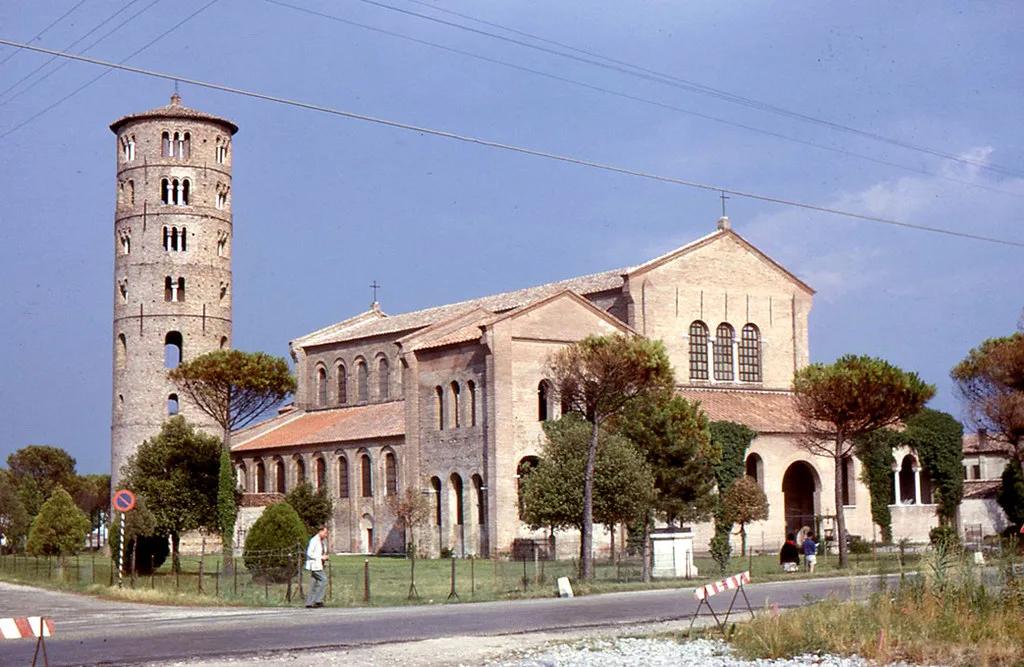
Sant'Apollinare in Classe is the Ravenna monument that forces a plan. Its mosaic is one of the most distinctive in early Christian art, but the basilica stands in the Classe district rather than among the city-centre UNESCO sites most visitors walk between on foot.
The practical questions are simple: how you get there, where you start, and how much time the round trip consumes. This guide answers those with sourced detail, and points you to the organiser's own pages for the numbers that change, namely admission prices and opening hours.
Why Classe Rewards the Detour
Classe was the port that made Ravenna strategically important in the Roman and late antique periods, and the basilica carries that history in its architecture and decoration. The Visit Ravenna tour description frames the district as a quiet part of Ravenna today but one of the Roman Empire's key military and commercial harbours on the Adriatic in antiquity.
The basilica is one of Ravenna's UNESCO World Heritage monuments, and its apse mosaic is the reason most travellers make the trip. If you are weighing how Classe fits with the rest of the city, start with the wider set of Ravenna Attractions guides and decide how many mosaic interiors you can absorb in a day.
Where Classe Is Relative to Ravenna's Centre
Classe lies south of Ravenna's historic centre, toward Rimini, and the basilica is roughly 6 km from the centre according to the city's tourism pages. That distance is the whole planning problem: this is not a monument you stumble across between San Vitale and the Battistero Neoniano.
For orientation, the Classe district is described as being about 5 km from the historic centre, with the basilica itself a short walk from the Classis Museum. Treat those figures as distance guidance rather than a promise about how long the journey will take on the day.
Getting There Without a Car
Three car-free options are documented: a dedicated cycle path, Bus 4 from Ravenna train station, and taxi. The cycle route suits travellers who already enjoy Ravenna's flat terrain on two wheels, while Bus 4 is the simplest fixed-route choice from the station.
Bus 4 frequency, journey time and fare are not published in the material available here, so check the current timetable with the local transport operator before you commit to a departure. Taxis are the fallback when timing matters, and the Visit Ravenna page lists a taxi number for the city.
Some city transport arrangements change with the seasons, so confirm your route on the day rather than relying on an old printout. The Comune di Ravenna publishes service news and transport updates on its own site when schedules shift.
Use the Classis Museum Ticket Office as Your Anchor
The Classis Museum occupies a former sugar factory converted into an exhibition space, and its ticket office at Via Classense 29 is the meeting point listed for guided visits. Arriving there first gives you a fixed address, a place to ask questions, and a short walk onward to the basilica.
The walk between museum and basilica is about 300 metres, or roughly five minutes on foot, which is what makes the pairing practical. Plan the two as one outing rather than two separate trips.
Reading the Apse Mosaic
The apse mosaic is not a single scene so much as a symbolic landscape, filled with trees, plants, birds and meadows that carry religious meaning. Approaching it as a reading exercise rather than a photo stop changes the visit: look for the flora and fauna, then work out what each element is doing in the composition.
That natural detail reflects the environment of the period and rewards slower looking. A tour built specifically around birdwatching and botanical observation in this basilica exists precisely because the mosaic holds so much of that imagery.
For the wider context of Ravenna's mosaic tradition, the city's official mosaic monument site is the reference point for the UNESCO group and for notices about individual monuments. It is where to check for temporary changes affecting visits.
Pair the Basilica With the Classis Museum
The Classis Museum covers Ravenna from its origins through the Roman and late antique periods with finds, reconstructions and multimedia displays. It explains the port that gave Classe its importance, which in turn makes the basilica easier to understand.
One half-day covering both is a sensible unit of time for most travellers. Museum first, basilica second works because the museum supplies the historical framework and the basilica provides the visual payoff.
Guided Options: What Is and Isn't Included
A private guided tour of the basilica and Classis Museum is listed from a starting price, and that figure covers the licensed guide and an audio guide system with a jack connection for personal earphones. The page notes that entrance tickets to the monuments are not included, so budget for those separately and confirm the current cost with the operator.
The private format suits individuals, couples or small groups of up to ten participants, with custom quotes for larger parties. Bookings are recommended at least three days in advance, and because admission slots are limited, the itinerary is agreed at the time of booking.
Availability is not guaranteed, so treat any tour as something to confirm rather than assume. Guides operate in several languages, including Italian, English, German, French and Spanish.
Time Budgeting and Opening Times
As a planning judgement rather than an official figure, allow around a half-day for the basilica, the museum and the transfer each way. That covers the visit itself and the short walk between the two sites without rushing the mosaic.
Opening hours and closing days for the basilica are not published in the sources consulted here, and schedules can change by season. Check the organiser's own pages before you travel, and note that the Classis Museum and the basilica may keep separate arrangements.
Admission prices likewise need confirming at source rather than taken from an old page. The same applies to whether any combined ticket exists: ask the ticket office directly when you arrive or check ahead by phone.
Sensible Sequencing With the City-Centre Mosaics
The city-centre UNESCO cluster, including San Vitale, the Mausoleo di Galla Placidia, Sant'Apollinare Nuovo and the Battistero Neoniano, is walkable in a way Classe is not. Put Classe on a separate block of your itinerary rather than trying to slot it between two central stops.
If you have a spare afternoon, the quieter corners of the centre, from the Basilica of San Francesco to lesser-known churches, can fill it without another journey. Browse our hidden gems in Ravenna for ideas that stay inside the ring of the old city.
Practical Pitfalls to Avoid
The most common mistake is assuming a guided tour settles the entrance fee; it does not, so carry a payment method for the monument ticket. The second is turning up without checking slots, since limited admission capacity means the itinerary is fixed at booking.
Finally, treat the distance seriously. Roughly 6 km each way is a real journey, and mixing it into an already full day of walking the centre rarely works well.
Who Should Make the Trip
Prioritise Classe if the apse mosaic is a specific interest, if you enjoy archaeology and museum context, or if you simply want a quieter counterpoint to the busy centre. Pair it with the Classis Museum and it justifies the journey.
Skip it if you have a single day, limited mobility on long distances, or a tight schedule built around the walkable core. In that case, spend the time on the central mosaics and save Classe for a return visit. For related planning, see Museo Classis Ravenna Visitor Guide: Tickets and Basilica Combo.
Frequently Asked Questions
How far is the Basilica di Sant'Apollinare in Classe from Ravenna's historic centre?
It is roughly 6 km from the centre, in the Classe district, toward Rimini. The Classis Museum sits about 300 metres from the basilica, so plan the two together.
How do I get to Sant'Apollinare in Classe without a car?
Documented options are the dedicated cycle path, Bus 4 from Ravenna train station, and taxi. Check the current bus timetable locally, since frequency and fares are not stated in the material here.
Does a guided tour include the basilica entrance ticket?
No. The listed private tour covers the licensed guide and an audio guide system, but entrance tickets to the monuments are excluded. Confirm the current ticket price with the operator.
How much time should I allow for the basilica and the Classis Museum?
Allow around a half-day for both plus the journey each way. That is a planning suggestion, not an official figure, so check opening times before you set out.
Is it worth visiting Classe if I only have one day in Ravenna?
Usually not. With one day, stay in the historic centre where the major mosaic sites are close together, and save Classe for a longer stay.
Sources
Continue exploring
More guides you'll find useful





