Basilica di San Simplicio Visitor Guide: Olbia's Oldest Church
Plan a visit to Olbia's Basilica di San Simplicio: why it anchors the city's identity, what lies beneath it, and how it pairs with the Civitatense Museum.
On this page
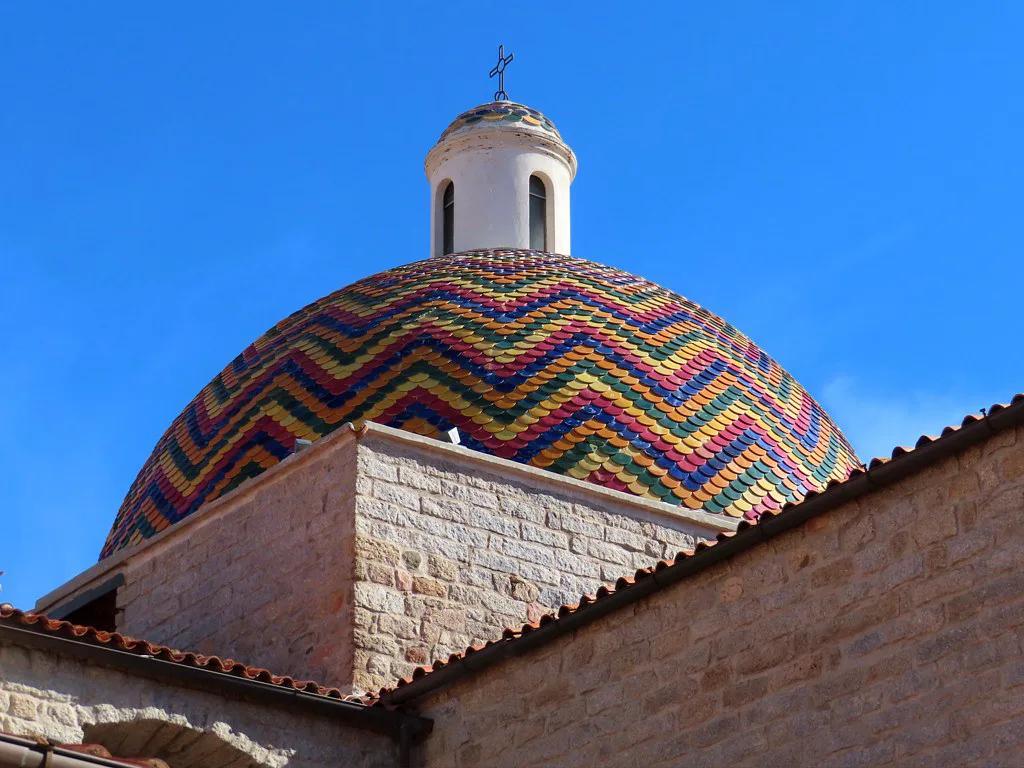
The Basilica di San Simplicio and the church of San Paolo are described by Sardinia's regional culture portal as the two geographical poles of Olbia's identity, which makes the basilica a sensible first stop for anyone trying to read the city. The building's Romanesque forms tell a long story that hardened into its current character in the 12th century. Below the floor, excavation has revealed a temple to Ceres alongside numerous burials, so a visit is as much about what the ground holds as about the walls above it.
This guide separates the parts of the site that are easy to conflate: the church itself, the Civitatense Museum collection that interprets it, and the guided options offered by a licensed local operator. It also flags honestly what the official record does not settle, including exact ticket prices and what happens on Sundays, and tells you how to confirm those details before you travel.
Why San Simplicio Anchors a First Visit to Olbia
Pairing San Simplicio with San Paolo gives you a simple route logic for the historic centre rather than two isolated church stops. The regional culture portal frames these two churches as the poles around which Olbia's identity is organised, so seeing them in sequence puts the rest of the old town in context. If you only have an afternoon in the city, start here before wandering further, because the story of the martyr and the diocese explains why the city looks the way it does.
For orientation across the wider city and its sights, the Yondli Olbia Attractions hub collects visitor guides to the sights that sit around this church, which helps you build a walking plan once you have finished at San Simplicio. Treat the basilica as the anchor point of a half-day rather than a standalone box to tick.
Romanesque History in Brief
The Romanesque shapes you see today reflect a building whose history crystallised in the 12th century, according to the regional culture portal's entry on the monument. That phrasing matters: the church is the product of layers of rebuilding and reuse rather than a single clean construction campaign. When you look at the masonry, you are reading a long sequence of decisions about a site that had already been sacred for centuries.
The same source records that the church became the cathedral of the ancient Diocese of Civita, which explains the scale and ambition of the building relative to a modern parish church. Keep that diocesan role in mind as you walk the interior, because it reframes the space as a former seat of authority rather than a modest neighbourhood chapel.
Who San Simplicio Was and Why This Site
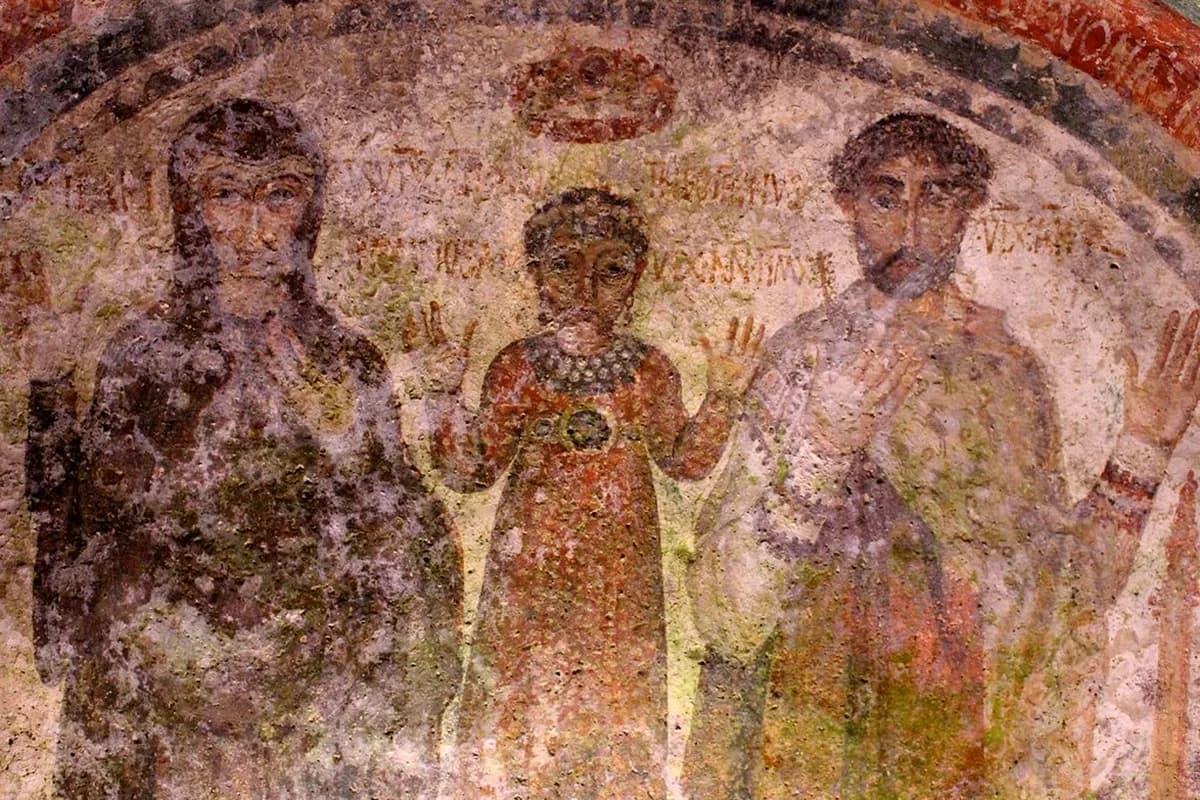
A place of worship was identified on the grave of the Olbia martyrs, Simplicio and his companions, and that burial is the reason the site exists in the first place. The regional culture portal states this directly, linking the martyrs' grave to the later cathedral function. Standing at the church therefore places you at the origin point of the city's Christian story, not at a later addition to it.
This is the detail most casual visitors miss, because the exterior gives little away about the grave beneath. If you want one fact to carry away from Olbia, this is the one: the church is built on a martyr's burial, and everything else about the building follows from that decision.
What Lies Beneath: The Ceres Temple and the Burials
Excavation in the basilica's basement has returned a temple dedicated to the cult of Ceres together with many burials, as the regional culture portal records. That combination is unusual and worth pausing over: a pagan cult space and a Christian cemetery occupy the same underground layers, which is a compact lesson in how religious sites get reused across centuries.
Be careful about expectations here. The source mentions the basement finds but does not describe a publicly visitable crypt or a separate crypt ticket, so do not plan your day around descending below the church. If underground access matters to you, ask at the contacts listed for the Civitatense Museum before you go rather than assuming it is included.
Free Church, Paid Collection: Separating the Two Offers
The basilica and the Civitatense Museum are described as one monument complex, but you should not assume a single ticket governs everything you see. The regional culture portal lists the museum's access mode as for a fee, while its note on current ticket information says that data is not available and advises contacting the property in advance on +39 0789 396241.
Since no reliable current price is published in the sources checked for this guide, budget conservatively and confirm the figure by phone or email rather than relying on older figures you may find elsewhere. The Civitatense Museum also appears as a polo museale through the museum's own website listed by the regional portal, which is a sensible second place to verify what a ticket covers.
Practical Planning: Reported Access and What to Reconfirm
The regional culture portal reports access from Monday to Saturday, 10:00 to 17:00, with an information update dated 12 October 2026 and a telephone number for the museum, +39 0789 396241. Present that as a reported window, not a guarantee: seasonal changes and local closures are normal in Italian churches, so call ahead or check the municipality's notices before you travel.
Sources are silent on Sunday opening, holiday rules and whether any part of the complex closes for services, so do not plan a Sunday visit on assumption. The safest approach is a weekday slot inside the reported window, with a phone confirmation the day before if the church is the main reason for your trip.
For broader trip logistics, the regional tourism board's practical pages cover how to reach Sardinia and move around the island, which is useful if Olbia is your arrival point rather than a standalone destination.
Visiting with a Licensed Local Guide
Guide Turistiche Olbia is a local outfit founded by archaeologists and historians that describes the Basilica di San Simplicio as one of the sites it accompanies visitors to, alongside the Pozzo Sacro di Sa Testa, the Museo Archeologico di Olbia and the church of San Paolo. It states that its team consists of licensed tourist guides registered with the Sardinia regional register, plus environmental hiking guides for outdoor routes.
The operator runs a half-day city-and-museum itinerary and a full-day archaeological route, and says it can customise experiences for groups. Do not read that as a promise that tours run daily or that places are available on your dates; contact the operator directly to check schedules and booking.
How Long to Allow, as an Editorial Suggestion
No official visit duration is published, so treat any timing as our suggestion rather than an organiser's figure. A reasonable plan is roughly 30 to 45 minutes for the church itself if you read the interpretive material carefully, and around an hour to 90 minutes if you add the Civitatense Museum collection.
If you want a slower, deeper stop, build in extra time for the museum displays and then walk to San Paolo as a second pole of the same story. If you are short on time, the church alone still delivers the core insight about the martyrs' grave and the diocese.
Pairing San Simplicio with Olbia's Other Sights
For a fuller ancient-history day, the Museo Archeologico di Olbia and the Pozzo Sacro di Sa Testa complement the basilica's underground story, and both are named by the local guide operator as sites it covers. A half-day could pair the church with the archaeological museum; a full day could add the nuragic well and a drive into the Gallura countryside.
Beyond the headline sights, the city rewards a wander between stops; our guide to the hidden gems in Olbia, Sardinia is a natural companion for filling the gaps between church, museum and waterfront without padding the day with long transfers.
Who Should Prioritise This Stop and Who Can Skip It
Prioritise San Simplicio if you care about early Christian history, Romanesque architecture, or the layered reuse of sacred ground, since the Ceres temple and burials beneath the church are the kind of detail most city guides leave out. It is also the right first stop if you want a single place that explains Olbia's identity before you explore further.
You can reasonably skip it if your trip is purely coastal, if you have limited mobility needs the sources do not address, or if you cannot confirm access on your dates and would rather not build a day around an uncertainty. In that case, spend the time on the waterfront and keep the basilica for a return visit.
Plan Your Visit
San Simplicio is a compact stop with an unusually deep story: a martyr's grave, a former cathedral of the Diocese of Civita, a Ceres temple and burials underneath, all wrapped in 12th-century Romanesque forms. Go for the layers, not the size, and give the museum the time it deserves rather than treating the church as a photo stop.
Before travelling, confirm the reported Monday-to-Saturday access window and the current ticket arrangement by contacting the Civitatense Museum on +39 0789 396241, since the official record notes that ticket information is not currently published. With those two details checked, the basilica slots neatly into a half-day in Olbia alongside San Paolo and the archaeological museum.
Frequently Asked Questions
Is the Basilica di San Simplicio free to enter?
The regional culture portal lists a fee for the Civitatense Museum side of the complex but states that current ticket information is not available, so no reliable entry figure can be quoted here. Phone the museum on +39 0789 396241 before you go to confirm whether the church, the museum collection or both require payment on your dates.
What are the opening hours of San Simplicio in Olbia?
The regional culture portal reports access from Monday to Saturday, 10:00 to 17:00, with the information updated on 12 October 2026. Treat that as a reported window rather than a guarantee and confirm by phone before travelling, especially around public holidays. The sources say nothing about Sunday opening or holiday rules.
What is underneath the Basilica di San Simplicio?
Excavation in the basilica's basement has revealed a temple dedicated to the cult of Ceres along with numerous burials, according to the regional culture portal. The sources consulted do not describe a publicly visitable crypt or a separate crypt ticket, so ask the museum directly if underground access is important to you.
Why is San Simplicio important to Olbia?
A place of worship was identified on the grave of the Olbia martyrs, Simplicio and his companions, and the building later became the cathedral of the ancient Diocese of Civita. The regional culture portal describes the basilica, together with the church of San Paolo, as one of the two geographical poles of Olbia's identity.
How long should I spend at San Simplicio and the Civitatense Museum?
No official duration is published, so this is an editorial suggestion only: allow around 30 to 45 minutes for the church and roughly an hour to 90 minutes if you add the museum collection. Add more time if you want to continue to San Paolo as a second stop in the same story.
Can I visit San Simplicio with a licensed guide?
Guide Turistiche Olbia, a local outfit founded by archaeologists and historians, lists the basilica among the sites it covers and states that its guides are registered with the Sardinia regional register. It also offers half-day and full-day itineraries and says it can customise for groups, but schedules and availability must be confirmed directly with the operator.
What else should I see near San Simplicio in Olbia?
The Museo Archeologico di Olbia and the Pozzo Sacro di Sa Testa pair naturally with the basilica's underground story and are both named by the local guide operator as sites it visits. A half-day can combine the church with the archaeological museum, while a full day can add the nuragic well and a drive into the Gallura countryside.
Sources
Continue exploring
More guides you'll find useful