
Castello di Pedres Olbia Guide: The Hilltop Ruin Worth the Walk
Plan a visit to Castello di Pedres near Olbia: the walk up, the gulf views, the nearby giants' tomb and what the sources do not confirm.
On this page
Castello di Pedres sits on a granite hill outside Olbia, a fragment of the medieval Gallura that visitors often skip in favour of the beaches. The reward is not a curated monument with labels and turnstiles but a short climb, old walls and a wide view back over the plain towards the gulf. This guide explains the history in plain terms, how the walk is usually done, and which practical questions to settle yourself before you go.
Start with a realistic picture. The sources describe a medieval fortress with surviving walls and a substantial keep, not an intact castle with furnished rooms. Gallura Turismo notes that the most spectacular part of the complex is the imposing keep, part of which still stands intact and rises to a height of over ten metres. Everything else — towers, courtyards, cistern — survives in fragments.
Why the Ruin Is Worth a Stop
The appeal is the combination: a genuine medieval site, an easy outdoor outing and a viewpoint that frames Olbia's geography. Gallura Turismo describes the hill as giving a spectacular panorama of the Gulf of Olbia and the surrounding landscape, and notes that the site is reachable by a few minutes' drive from Olbia following road signs, or on foot along easy trails. That makes it one of the few historical sights near the city that does not require a ticket desk or a guided group.
It also pairs naturally with a much older site at its foot. The Tomb of the Giants of Su Monte e S'Abe stands adjacent to the castle, a Bronze Age megalithic burial that turns a single outing into a walk through two very different eras. For travellers who want more than a beach day, that sequence is the strongest reason to make the detour.
If you are building a short Olbia itinerary around less obvious stops, this ruin belongs alongside the city's other quieter corners rather than competing with the marquee churches and museums. Our guide to the hidden gems in Olbia is a good place to slot it into a wider plan.
Setting Expectations: What Actually Survives
Do not arrive expecting a staffed monument. The castle is a ruin on open terrain, and the sources treat it as a place to walk around and look out from rather than a site with exhibitions. Gallura Turismo frames the experience as walking along the ancient walls, exploring the towers and trying to glimpse the secrets of the rooms — language that describes a ruin, not a fully accessible interior.
Where the evidence stops matters here. No source in hand confirms opening hours, seasonal closures, whether any gate is locked, or whether you can climb into every surviving structure; those details need checking locally. Treat the keep and walls as fragile heritage, keep to visible paths, and avoid scrambling on stonework that looks unstable.
A Short History: Pisan Gallura and After
The fortress is usually dated to the mid-thirteenth century, when the Giudicato di Gallura was under the control of the Visconti family of Pisa. Costa Smeralda's account places the construction around the middle of the 1200s and describes it as a military position with four towers and two courtyards enclosed by granite walls, intended to block attacks from Aragonese troops.
The same account ties the castle to Nino Visconti, the last judge of Gallura, and traces its later handover to the Hospitaller friars of Saint John of Jerusalem and, from the fourteenth century, to the Aragonese, before its definitive abandonment. That sequence — Pisan defence, Aragonese pressure, slow desertion — is what you are looking at when you stand among the granite blocks.
Contributor notes on hiking platforms repeat the same outline: a medieval fortress built in local stone during the Visconti period of the Giudicato di Gallura, later used by the Pisans against Aragonese attack, with a defensive role guarding the frontier towards the Giudicato of Torres. These are not academic citations, but they corroborate the broad chronology rather than contradicting it.
Getting There by Car and on Foot
By road, the simplest approach is from Olbia itself. Gallura Turismo says the castle is accessible just a few minutes' drive from the city following the road signs. Costa Smeralda's driving description instead starts from Porto Cervo and runs via the SP59, the SP73 and the SS125 Orientale Sarda before turning onto the minor roads below the hill — useful if you are coming from the coast rather than the city.
On foot, the natural approach is from below. The Gallura Turismo page mentions easy trails as an alternative to driving, and Costa Smeralda describes the giants' tomb as the true starting point of the walk, followed by a natural path up the hill. In practice you park or stop near the tomb area and continue on foot; the sources do not specify a marked trailhead beyond that.
What the sources do not confirm is parking at the site, a public bus that reaches the castle, or any fixed walking time from Olbia. Plan on a car or a taxi from the city, and confirm the final approach with your accommodation or a local guide before relying on public transport.
Pairing the Visit with Su Monte e S'Abe
The giants' tomb below the castle is not a footnote. Costa Smeralda calls it one of the largest in Sardinia, built in several phases during the Bronze Age, and frames it as the chronological start of the walk before the medieval section on the summit. Seeing the two together makes the hill legible as a layered landscape rather than a single ruin.
The walking order matters for energy and light. Costa Smeralda is candid that the climb is long and tiring and that the vegetation has never stopped growing over the route, which is why the summit feels earned. Start at the tomb, take the path up, and leave the descent for when the light is still comfortable rather than pushing on after sunset.
What You See from the Top
The view is the payoff. Gallura Turismo describes a spectacular panorama over the Gulf of Olbia and the surrounding landscape, with the natural environment of Gallura visible from the towers, from the sea to the hinterland. On a clear day the geography of the northeast — port, plain, granite hills — reads clearly from above.
Up close, the surviving keep is the centrepiece. Gallura Turismo notes that part of it still stands intact at over ten metres, while Costa Smeralda mentions four towers, two courtyards and a cistern for water supply among the features originally built. What you can actually enter today is not documented in these sources, so look, photograph and read the masonry rather than assuming roof access.
Timing, Heat and Wind
There is no published timetable to plan around, so build your own slack. A suggested half-day works well: the tomb and castle on foot, then a slow drive back into Olbia. Hikers' notes describe the short climb as worth it for the view over the surroundings and Olbia, which fits a morning or late-afternoon slot rather than a full day.
Conditions on an exposed granite hill change quickly. Carry water, wear shoes with grip for loose stone and uneven ground, and avoid the midday heat in summer. Because the summit is open, wind and sun are the main comfort variables; a light layer and a hat do more for you than any gadget.
Cost, Access and Safety: What to Check
Neither of the main descriptions of the castle states an admission charge, published opening hours or a booking system, so treat cost and access as unconfirmed. Before you set out, check the Comune di Olbia site for any notice about the site, and ask your hotel or a licensed guide whether the gate is currently open. Do not travel on the assumption that a ticket office will be there.
Safety is ordinary outdoor care, not site-specific advice. Stay on established paths, do not climb damaged walls or the interior of the keep, and keep children close on the steeper sections. If weather turns or the ground is wet, turning back is a reasonable choice; there is no wardened facility to shelter in.
Extending the Day in Olbia
Back in the city, the archaeological museum on the Peddone islet is the natural follow-up for context on Olbia's long life as a port. The Olbia Attractions hub collects visitor guides to the city's churches, museums and archaeological sites, so you can match the ruin with an indoor stop if the weather turns.
Regional heritage pages describe the Civitatense museum at the Basilica of San Simplicio as a way into the stories of the ancient basilica, with access listed from Monday to Saturday and current ticket information flagged as unavailable, so call ahead to confirm.
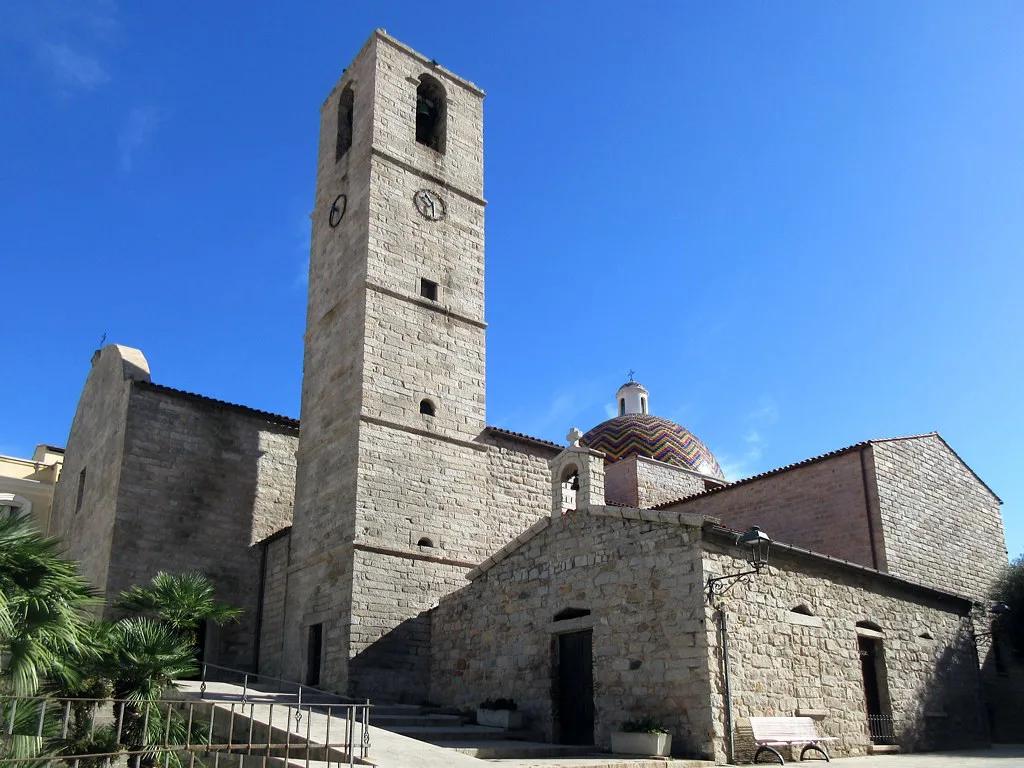
In the historic centre, the Chiesa di San Paolo is known for its majolica-tiled dome and its position on Piazza Civita, an easy add-on to a walking loop between Corso Umberto and the waterfront. Note that it is an active parish, so visiting hours shift around services and should be checked rather than assumed.
Plan Your Visit
Castello di Pedres rewards travellers who accept it on its own terms: a granite ruin, a short climb, a fine view and a Bronze Age tomb at the start. Go early or late, carry water, wear proper shoes and treat the walls with care rather than climbing them.
Before you set off, confirm current access with the Comune di Olbia or a local guide, since published sources do not settle hours, charges or whether gates are open. Everything else — the history, the walk and the panorama — is reason enough to make the detour from the city.
Frequently Asked Questions
Is Castello di Pedres free to visit?
No reliable source confirms an admission charge or free entry, so do not plan on either. Check the Comune di Olbia site and ask locally whether any fee or booking applies on your date before travelling.
How do you get to Castello di Pedres from Olbia?
The usual route is by car from Olbia following the road signs, a few minutes' drive according to Gallura Turismo, or on foot along easy trails. Public transport reaching the castle is not confirmed by any source, so arrange a car or taxi if you cannot walk in.
How long does it take to walk up to Castello di Pedres?
No specific walking time is published. Sources describe a short but tiring climb from the giants' tomb area, so allow a suggested half-day for the tomb and castle together and keep slack for heat, wind and photo stops.
Can you go inside the towers and rooms of Castello di Pedres?
Sources confirm a partly intact keep of over ten metres and surviving walls, but not that every tower or room can be entered. Treat fragile stonework as off-limits and keep to visible paths rather than assuming interior access.
What is the giants' tomb next to Castello di Pedres?
It is the Tomb of the Giants of Su Monte e S'Abe, a Bronze Age megalithic burial adjacent to the castle, described as one of the largest in Sardinia. Start there and walk up, which is how the sources frame the visit.
Is the climb to Castello di Pedres suitable for children?
There is no official guidance on suitability. The route is an outdoor trail on uneven granite, so children who can manage a short hill walk are fine, but keep them close on steeper sections and avoid damaged walls.
Sources
- Comune di Olbia
- Olbia: Castello di Pedres - Gallura Turismo
- Il castello di Pedres, da Olbia verso il Medioevo
- Château de Pedres – Randonnées & Comment s'y rendre | Komoot
- Guide Turistiche Olbia: visite guidate, archeologia e tour in Gallura
- SardegnaCultura - Olbia, Museum Civitatense - Basilica of San Simplicio
- Chiesa di San Paolo Apostolo Olbia - Discover History | Sardinia Blog
Continue exploring
More guides you'll find useful





