Chiesa di San Domenico Noto: Baroque Facade Visitor Guide
Plan a visit to Chiesa di San Domenico in Noto. Read about its convex Baroque facade, Gagliardi attribution, Greek-cross interior and UNESCO setting.
On this page
Chiesa di San Domenico occupies a corner of Piazza XVI Maggio in the heart of Noto, and its facade is the reason many travelers stop mid-stride. The central part of the front projects toward the street in a convex curve, a detail that sets the church apart from the flatter fronts around it. This guide covers where it is, what the sources document about its design and interior, and how to plan a look around it without relying on unverified visitor information.
The building was constructed between 1703 and 1727 as a convent church for the Dominican Fathers, and it has been part of the UNESCO listing of the late-Baroque City of Val di Noto since 2002. That combination of a specific construction window and a recognized heritage status makes it more than a photo stop on a Baroque walk. Read it as an active place of worship first and a sightseeing stop second, and plan accordingly.
Where Is Chiesa di San Domenico in Noto?
The church stands on Piazza XVI Maggio in Noto, in the Province of Syracuse, Sicily. The address is the practical anchor for anyone navigating the Baroque center on foot, since the piazza gives you a fixed reference point between the church and the surrounding streets. Plug the square, not just the church name, into your directions.
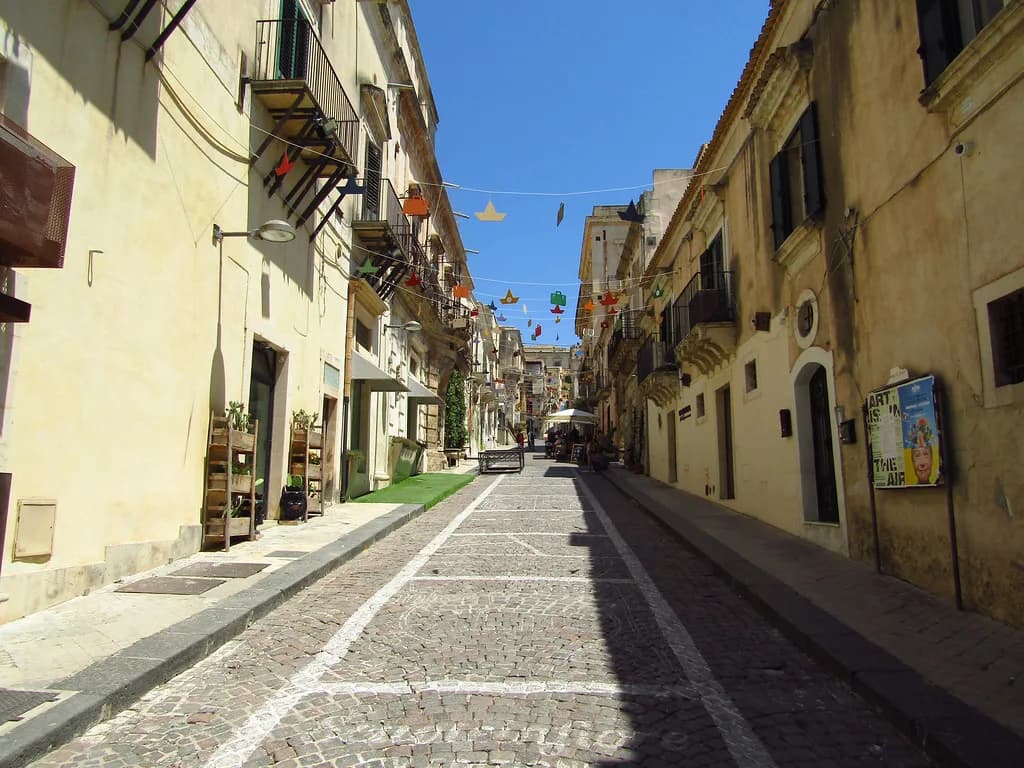
Noto's historic center is compact and largely walkable, so the church works best as one stop on a continuous route rather than a separate excursion. Treat the square as a meeting point and build your walk outward from it. If you want a structured route through the center, our Noto Attractions hub maps out the main sights worth weaving together.
The Facade: A Convex Central Section
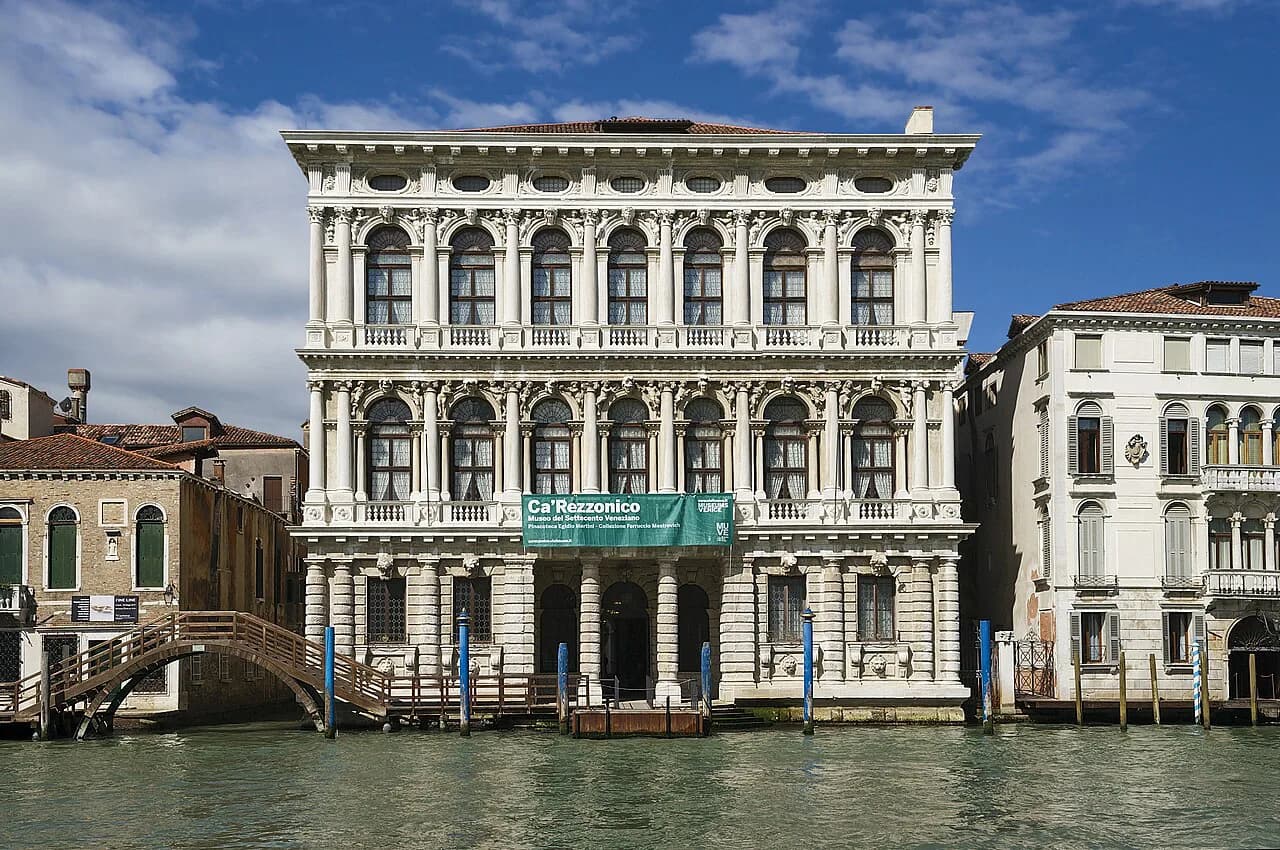
What visitors notice first is the facade's central section, which protrudes toward the street with a convex shape. The church is attributed to the architect Rosario Gagliardi, and the source describing the building considers it one of the richest and most elaborate among those he built in Noto. Be precise when you read about it elsewhere: the documented feature is the convex central part, not a full convex-and-concave composition.
Stand back across the piazza to see the curve read properly; up close, the projection is harder to perceive. Morning and late afternoon light both change how the stonework and the curve appear, so a short pause before moving on pays off. Carry the comparison in your head to the Cattedrale di San Nicolò in Noto, whose own facade and setting reward the same slow attention.
History: A Dominican Convent Church, 1703-1727
Chiesa di San Domenico was built between 1703 and 1727 as a convent church for the Dominican Fathers. That origin explains the scale: this was a church serving a religious community, not a small chapel inserted into a street front. Knowing the dates helps you place it within the reconstruction of Noto after the catastrophic earthquake of 1693.
The Diocesi di Noto is the ecclesiastical body that oversees Catholic life in the city, and its website lists parishes and places of worship across the vicariates. If you need to confirm whether the church is open for prayer or a service on a given day, the diocese is the appropriate starting point rather than a travel aggregator.
Inside: Greek Cross, Three Naves and Five Domes
The documented interior is a Greek cross with three naves and five domes richly decorated with stuccoes. That combination produces a space that feels broader than the facade suggests, with the domes drawing the eye upward. Allow a few minutes to sit rather than treating the interior as a corridor between the door and the altar.
On the main altar stands a statue of the Madonna del Rosario, and the left aisle holds a Crucifix alongside four marble stations with scenes of the Passion. Among the paintings is an eighteenth-century Madonna del Rosario by Vito d'Anna, plus works showing San Domenico receiving the Holy Spirit. Knowing these names in advance turns a general glance into a deliberate look.
UNESCO Status Within Val di Noto
Since 2002 the church has been a UNESCO World Heritage Site within the listing of the late-Baroque City of Val di Noto. That status covers the wider urban fabric of eight towns rebuilt or rebuilt anew after 1693, not just this single building. Understanding that framing makes a walk through Noto read as a coherent ensemble rather than a series of individual monuments.
The UNESCO designation is a heritage fact, not a visitor rule; it tells you nothing about opening hours or entry conditions. Use it to shape your route, then confirm practical details separately. Our Noto Baroque self-guided walk arranges the center's main set pieces into a sequence you can follow at your own pace.
Practical Orientation: An Active Place of Worship
Chiesa di San Domenico is a working Catholic church, so visitors should expect the building to function around services rather than around tourism. Dress respectfully, keep voices low, and step aside if a liturgy is underway. For the same reason, no guide can promise the doors will be open at a particular moment on your date.
One third-party travel platform lists an opening window for the church, but a single commercial listing is not a reliable current rule for a religious building. Check the Diocesi di Noto website, the parish, or the Comune di Noto before building your day around a specific hour. If the interior is closed, the facade and piazza remain visible from outside.
Timing and Pairing Around Piazza XVI Maggio
A suggested fifteen to thirty minutes inside, plus ten minutes in the piazza, is a reasonable allowance for a focused visit; that is our suggestion, not an official figure. Travelers with an interest in Baroque architecture will want longer for the stuccoes and paintings. Those treating it as one stop on a longer walk can keep the visit short and still see the facade properly.
The Comune di Noto publishes a calendar of events and concerts, useful for checking whether a performance or civic occasion overlaps with your visit and changes the atmosphere of the center. Its listings also cover the recurring Stagione Concertistica, which brings audiences into the historic core on selected dates. Consult it a week or two ahead rather than on the day.
Suggested Half-Day Noto Walk
Build a half-day loop around the church rather than a single-point stop. Start with the facade on Piazza XVI Maggio, continue along Corso Vittorio Emanuele, and treat each Baroque front as a separate look rather than a checklist item. Our hidden gems in Noto guide adds quieter corners to the same route when the main axis feels crowded.
For variety, slot in the Chiesa di Santa Chiara Noto visitor guide as a second interior, since its interior and staircase offer a different experience from San Domenico's domed Greek cross. If you prefer to stay outdoors, the Cattedrale di San Nicolò closes the loop with its own piazza and steps. Order the stops by the light rather than by a fixed timetable.
What to Verify on Arrival
Before you set out, confirm three things: current opening times, whether a service is scheduled, and whether any restoration work restricts access inside. None of these are stable facts that a static guide can promise. The diocesan site and the parish are the most direct sources; local tourist information in Noto is a useful backup.
Entry arrangements for the church interior are not documented in a reliable current source here, so treat them as unconfirmed until you check locally. If an organized tour is offered on the piazza, ask what it includes and whether the interior is part of the visit before committing.
Beyond San Domenico: Other Noto Churches
Noto has a dense concentration of churches within easy walking distance, and comparing two or three is more rewarding than racing through a dozen. The Chiesa del Crocifisso Noto visitor guide covers a smaller church on the edge of the historic center, a useful counterpoint to San Domenico's scale. Mixing a large domed interior with a compact one gives the architecture context.
For anyone planning several days in the region, the same Baroque vocabulary reappears across the Val di Noto towns, but Noto's center is among the most concentrated. Consulting the Noto Cathedral Visitor Guide alongside this piece keeps the terminology consistent. Take notes on what you see; the details blur surprisingly fast.
Plan Your Visit
Chiesa di San Domenico is best approached as a precise piece of architecture and a working church: a convex facade attributed to Rosario Gagliardi, a Greek-cross interior under five domes, and a documented construction history between 1703 and 1727. Go for the facade at eye level, then for the interior if it is open.
Before traveling, verify access through the diocese or the parish rather than a ticketing platform, and let the square set the pace of your day. Pair the church with a longer Baroque route, and keep your expectations calibrated to what has been published rather than what aggregators claim. That approach makes the visit both more accurate and more enjoyable. For related planning, see Cattedrale di San Nicolò in Noto.
Frequently Asked Questions
Where is Chiesa di San Domenico in Noto?
The church is on Piazza XVI Maggio in Noto, in the Province of Syracuse, Sicily. Use the square as your navigation anchor, since the historic center is compact and largely walkable on foot.
Who designed the facade of Chiesa di San Domenico?
The church is attributed to the architect Rosario Gagliardi, whose work in Noto is noted for elaborate façades. The documented feature here is the convex central section projecting toward the street, not a full convex-and-concave composition.
When was Chiesa di San Domenico built?
It was built between 1703 and 1727 as a convent church for the Dominican Fathers. That window places it within the reconstruction of Noto after the 1693 earthquake.
Is the church a UNESCO World Heritage Site?
Yes. Since 2002 it has formed part of the UNESCO listing of the late-Baroque City of Val di Noto, which covers the wider urban fabric rather than this one building alone.
What does the interior of Chiesa di San Domenico look like?
The interior is a Greek cross with three naves and five domes decorated with stuccoes. It holds a statue of the Madonna del Rosario on the main altar and, in the left aisle, a Crucifix and four marble stations of the Passion.
Do I need to check opening times before visiting?
Yes. As a working Catholic church, it operates around services, and no published source in this guide confirms current hours. Check the Diocesi di Noto website, the parish, or the Comune di Noto before planning your day around it.
Sources
Continue exploring
More guides you'll find useful