Trapani in Two Days: A Slow Itinerary for Western Sicily
Plan two days in Trapani with a walkable old-town route, the salt pans and an Erice cable-car trip, plus what to cut when time runs short.
On this page
Trapani rewards a slower pace than its size suggests. The historic core is compact enough to cover on foot in a couple of hours, which leaves the rest of a two-day stay free for the coastline, the salt pans and one excursion, according to a local guide to the city.
That shape matters because the real decision is not which sight to see next but which day trip to choose. Erice, the Egadi Islands, Marsala and Segesta all sit within reach, and trying to fold all of them into 48 hours leaves little time for the city itself. Treat the plan below as a suggestion and build in slack for weather and transport.
How to Shape Two Days in Trapani
Split the time between a city day and a day outside the centre. Day one stays within the old town and the waterfront, with no transport needed beyond your own feet. Day two takes you out to the salt pans and one further excursion, either up to Erice or across the water to the Egadi Islands.
The old town walk is short, so do not over-schedule it. A local guide reckons the historic core takes only a couple of hours to explore at an unhurried pace, which frees an afternoon for the beach or a museum. If you want a denser city day, the one day: itinerary covers more ground in the centre.
Anything beyond the city limits generally needs wheels or a booked tour. The salt pans sit outside town, Erice is reached by cable car or a winding mountain road, and the islands require a ferry or boat trip. Decide early which of those you want, because each eats a half day or more.
Day 1 Morning: The Centro Storico on Foot
Start on Corso Vittorio Emanuele, the pedestrianised spine of the old town where people eat, drink and take the evening stroll. At its eastern end stands Palazzo Senatorio, the baroque town hall designed by the Trapanese architect Andrea Palma. Just to the left, look for Porta Oscura, described as the oldest entrance to the city.
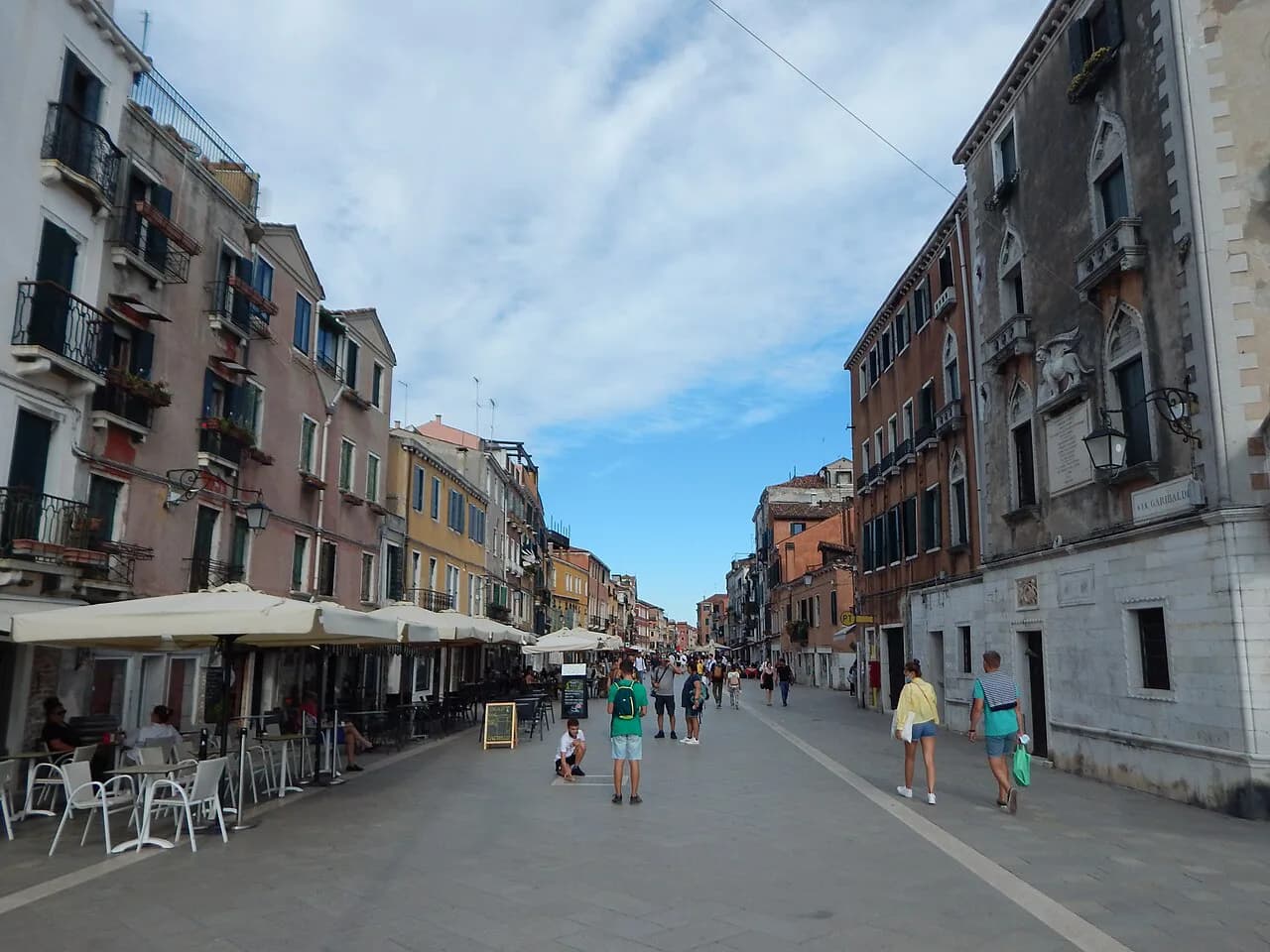
Branch off along Via Garibaldi, lined with eighteenth-century churches, palaces and mansions that spill out into restaurant tables in the evening. The Cathedral of San Lorenzo sits in the heart of this web of lanes, its arcaded front blending into the street rather than dominating it. Remember it is an active place of worship, so dress and behave accordingly.
Finish the loop at the Mercato del Pesce, the fish market where the morning catch arrives straight from the boats. Go early rather than late for the atmosphere and the singsong call of the sellers. If you are staying in an apartment, the stalls outside also sell vegetables for cooking later.
Allow time to get lost. The appeal of this quarter is the wandering itself: laundry on small balconies, striped sun shades, peeling pastel walls and side streets worth a detour. The hidden gems in Trapani guide picks up more of these quieter corners if you want to extend the walk.
Day 1 Afternoon: Torre di Ligny and a City Beach
Walk out to Torre di Ligny, the squat coastal watchtower built on the extreme tip of the peninsula where the two seas meet. A small museum inside holds archaeological finds from the region, and the rooftop gives wide views over the water. Check the tower's current opening times and any admission charge locally before you go, since published details vary.
The rocks below the tower are where local life plays out: fishermen, swimmers, families and friends trading stories. Bring a gelato and simply watch for a while. The promenade leading out to the tower makes a pleasant stroll in its own right.
For a swim, weigh three city options. The small beach beneath the old Spanish walls, Spiaggia delle Mura di Tramontana, is central and charming but pebbly and not spotless at its western end. Spiaggia di San Giuliano is a longer sandy stretch with lidos and facilities, while Caletta San Liberale is a sheltered cove that holds up when the wind picks up.
If you head towards San Giuliano, detour to Villa Margherita, the city's central park, for shade and a resident peacock. Walkers staying central will find the wall beach easiest, while families wanting loungers and bars should make the trip out to San Giuliano.
Day 1 Evening: Sunset and a Trapanese Dinner
The best sunset spot in the city is Via Mura di Tramontana Ovest, a narrow raised walkway right beside the sea. It is easy to miss if you are not looking for it, so plot it before golden hour. Walking east along the walkway brings you out at the archways of the old fish market square.
Dinner should include at least one dish you cannot easily find elsewhere. Pesto alla trapanese swaps pine nuts for almonds and folds in ripe tomatoes, usually tossed with busiate, the long spiralled local pasta. Fish couscous, a legacy of ties with Tunisia, is the other signature order.
Restaurants along Corso Vittorio Emanuele and Via Garibaldi put you in the middle of the evening passeggiata. In peak season, booking ahead is wise, especially for the better-known seafood tables. Off season, call rather than trusting online hours.
Day 2 Morning: The Salt Pans at Nubia or Lo Stagnone
Trapani's salt pans lie outside the city, so decide between driving yourself and joining a tour. The two main production areas are at Nubia, a few kilometres south of Trapani, and Lo Stagnone, just north of Marsala. Both are flat, photogenic and dotted with old windmills that once pumped seawater.
Without a car, a guided visit is the simpler route, and several operators run salt-pan tours from the city. With a car, the freedom to stop at viewpoints and linger in late-afternoon light is the reward. Either way, allow a half day rather than squeezing the pans into an hour.
Lo Stagnone is also a marine nature reserve, which makes it the better choice for wildlife watchers. Flamingos pass through in late summer and autumn, though sightings are never guaranteed. Nubia, closer to the city, suits anyone wanting a shorter outing before an afternoon elsewhere.
Slotting In a Museum
Treat a museum as optional and hour-dependent rather than a fixed stop. Trapani holds several small collections worth an hour, including the civic museum in Torre di Ligny and a contemporary art gallery in the old town. Opening hours are limited and can shift by season, so confirm directly with each venue on the day.
The Agostino Pepoli Regional Museum, housed in a fourteenth-century Carmelite convent, sits outside the historic centre and needs a dedicated trip. Visitors speak highly of it, but the detour costs time you may prefer to spend on the coast. Choose it only if you are willing to drop something else.
Day 2 Afternoon: Erice by Cable Car or Road
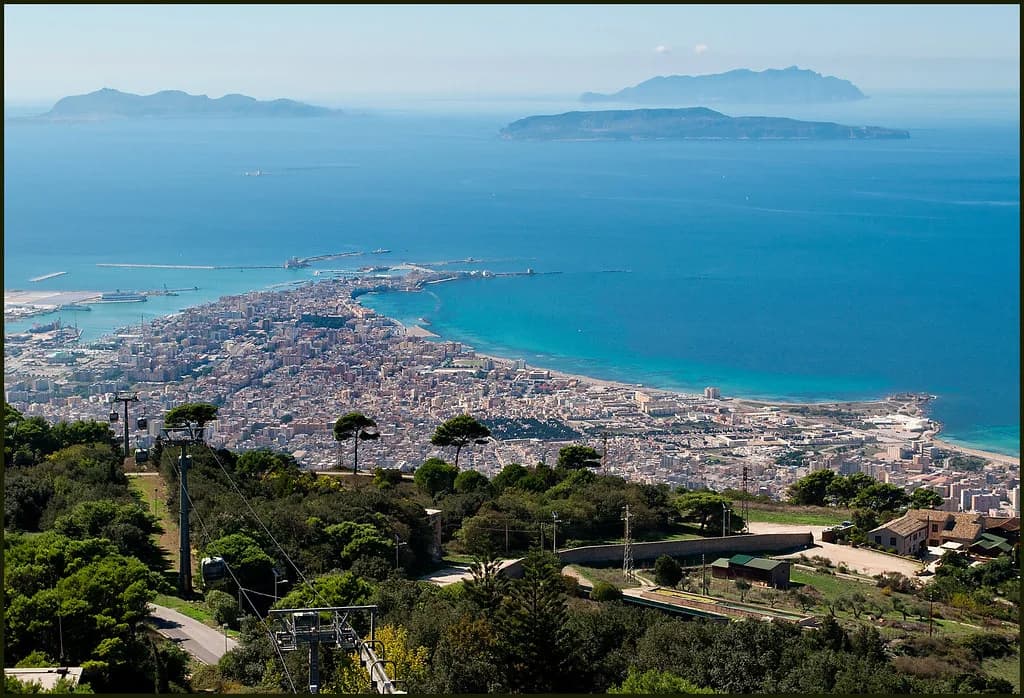
Erice perches roughly 750 metres above Trapani, a medieval hilltop town of cobbled lanes and stone churches. The cable car takes around ten minutes and drops you near Porta Trapani, with fine views over the salt pans and coastline on the way up. Expect queues in peak season, and note that high winds or maintenance can interrupt the service, so check operating hours in advance.
Half a day is enough for the main sights: the Castello di Venere at the highest point, the Balio Gardens beside it, and the Chiesa Madre with its separate bell tower. Add a stop at Pasticceria Maria Grammatico for almond sweets before heading back down.
Driving up the SP31 is the more dramatic alternative, a run of hairpin bends with viewpoints at every turn. Parking inside the walls is limited, so you may end up leaving the car outside and walking in. Erice also runs noticeably cooler than the coast and is often wrapped in mist, so pack a light layer even in summer.
Alternative Day 2: The Egadi Islands Instead
Choose the islands over Erice if you want water, swimming and a slower boat-based day. Ferries and hydrofoils leave Trapani's port for Favignana, Levanzo and Marettimo, most taking well under an hour. Favignana is the easiest independent outing, with bike hire and beaches to explore at your own pace.
Booked boat tours add coves, swimming stops and sometimes lunch, which suits travellers who would rather not plan ferry timings. The trade-off is less freedom and a longer day. Pick the islands in summer and Erice in cooler or windier months, when a hilltop town beats a boat.
If two days feel too tight for all this, a three days: itinerary spreads the city, the pans and an island day more comfortably. If you only have a single day, keep it in the old town and save the excursions for next time.
Where to Stay and How to Get Around
An old-town base puts the market, the cathedral and the evening stroll within walking distance. Waterfront hotels trade that convenience for sea views and easier parking. Examples from local guides include Room of Andrea in the centre and B&B Barone Sieri Pepoli for a cheaper old-town option; rates change by season, so check current prices directly.
Drivers should know that the historic centre is largely closed to traffic. Watch for ZTL signs, and ask your accommodation whether it offers reserved parking before you arrive. The city itself is compact and walkable, so a car is only really needed for day trips into the surrounding countryside.
Trapani Birgi airport sits about 18 kilometres from the centre, with an hourly AST bus into town, according to a local guide. From Palermo, Segesta Autolinee buses run into Trapani, and renting a car at the airport suits anyone planning to reach the salt pans and Segesta. Confirm current timetables and fares with the operators before travelling.
What to Cut If Time Runs Short
Drop the museum first. It is the most interchangeable element and the easiest to defer without losing the character of the trip. Next, shorten the beach stop to a walk along the promenade rather than a full swim.
If a day trip must go, keep Erice and skip the islands, or vice versa, but do not attempt both. Villa-based guides also warn that combining Trapani, Erice and Marsala in one day is possible but rushed; the more relaxed split is Trapani and Erice together, with Marsala on a separate half day.
Finally, protect the sunset. It costs nothing, needs no booking, and is the moment most visitors remember. Everything else can be reshuffled around it.
Season, Bookings and Practical Notes
Late spring and early autumn give warm days without the summer crush, and prices are lower than in high season, according to a local guide. Summer suits beach and island plans best but is the busiest and most expensive period. Winter is mild but windy, and some restaurants and hotels close, so call ahead rather than relying on online hours.
Book restaurants in advance during peak season, particularly well-known seafood spots and winery tastings around Marsala. For the cable car, check operating hours before setting out, since the timetable is more restricted out of season. Keep an eye on the weather for boat days, too.
Plan Your Visit
Two days in Trapani work best as one day on foot in the city and one day out among the salt pans and Erice or the islands. That split respects the city's compact scale while still giving you a taste of western Sicily beyond the walls.
Decide your excursion before you book accommodation, check current transport times and museum hours directly with the operators, and leave the sunset slot free. Everything else can bend around the weather.
Frequently Asked Questions
Is Trapani walkable without a car?
Yes. The historic centre is compact and best explored on foot, and a local guide suggests the old core takes only a couple of hours to cover. A car is useful for the salt pans and other day trips, but you do not need one for the city itself.
Should you choose the Egadi Islands or Erice for your second day?
Pick the islands if you want swimming, boats and a summer day on the water. Pick Erice if you prefer cooler air, medieval streets and hilltop views, or if the weather is windy enough to make a boat trip less appealing. Doing both in one day is too rushed.
How much time do you need in Erice?
Half a day covers the main sights, including the castle, the gardens and the main church, with time for a pastry stop. The cable car ride itself takes around ten minutes, though queues in peak season and possible wind closures should be factored in.
Do you need a car to see the Trapani salt pans?
Not necessarily. Guided salt-pan tours run from the city and avoid the need to drive. With a car you get more freedom to stop at viewpoints and choose between the Nubia and Lo Stagnone areas, but either approach works for a half-day outing.
Where should you watch the sunset in Trapani?
Via Mura di Tramontana Ovest, a narrow raised walkway beside the sea, is the classic spot. Walking east along it brings you out at the archways of the old fish market square, close to the restaurants of the centre.
What local dishes should you try in Trapani?
Order pesto alla trapanese with busiate, the local spiralled pasta, and fish couscous, which reflects the city's historic ties with North Africa. Seafood, including tuna and swordfish, features widely on menus near the port.
Sources
Continue exploring
More guides you'll find useful