
Assisi Food Guide: What to Eat and Where to Eat It
A practical guide to eating in Assisi and Umbria: strangozzi, norcina, lentils, olive oil and Sagrantino, plus casual stops, trattorias and countryside tables.
On this page
Eating in Assisi is less about finding one famous address than about matching your appetite and schedule to a town that climbs a hillside. The compact historic centre is largely pedestrian and steep, so a quick counter near a car park and a full lunch by Piazza del Comune solve very different problems. Treat the choice as logistics first and cuisine second.
Umbrian cooking is the real subject here: homemade pasta, cured pork, lentils, olive oil and red wine from the surrounding hills. Several named places in town serve that tradition in different formats, from slice pizza to a restaurant built over Roman remains. Use the room, the menu language and the pace of service to judge what kind of meal you are walking into.
Why Location Shapes a Meal in Assisi
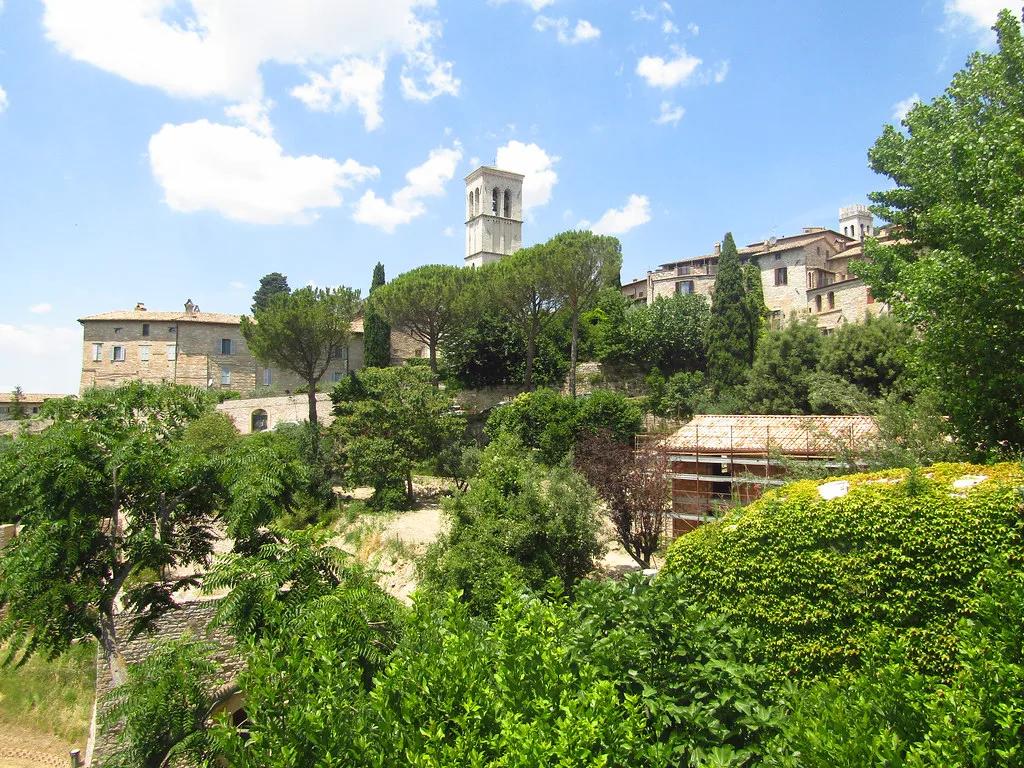
Assisi's centre sits on a hill, and the historic core is largely a pedestrian zone where you cannot drive right up to the main sights, according to a local guide to the town. That single fact changes how you plan lunch. A long uphill walk from a car park is a poor prelude to a heavy pasta course, and a heavy lunch is a poor prelude to a long climb back.
The practical answer is to eat in the district you are already visiting. If you start at the Basilica di Santa Chiara and Porta Nuova, stay there for a snack; if you are touring Piazza del Comune and the Temple of Minerva, book your sit-down meal nearby. Park once and walk, rather than moving the car between courses.
Visitors based in Perugia can reach Assisi by a short train ride and treat the town as a day trip, which the same guide describes as a workable alternative to staying inside the walls. That option suits anyone who wants city amenities at night and a lighter midday meal in Assisi. Check current rail times on the operator's own site before committing.
The Umbrian Plate: Dishes and Ingredients Worth Seeking Out
Strangozzi, pasta alla norcina and Castelluccio lentils are Umbrian dishes to look for rather than dishes tied to one Assisi address, so treat them as a regional checklist. Menus that name the pasta shape and the sauce separately usually signal a kitchen cooking to order; a page of interchangeable tomato-and-cream options signals the opposite. Ask what is made in house before you order.
Cured meats and cheeses appear across the region, and a dedicated counter is the fastest way to sample several at once. At Assaggia Assisi, a few steps from the Basilica di Santa Chiara and the Porta Nuova parking area, the offering centres on local ham, cheeses and crisp bread. It suits a light lunch or a shared plate rather than a full seated meal.
Umbrian olive oil and Sagrantino are the liquid side of the same table, and both reward a little attention. Oil is best judged on bread at the start of a meal; Sagrantino is a firm, structured red that can overwhelm a delicate primo, so ask for guidance on pairing. Where a menu lists a producer's name, that is a useful conversation starter with staff.
If you want a quieter walk between courses, the hidden gems in Assisi include lanes and smaller churches that sit off the main pilgrimage route.
Quick Stops in the Historic Centre
Not every meal needs a tablecloth. Andrea's, a small pizzeria by the slice on Piazza San Rufino in the upper part of town, is named by a local tour operator as a place for a fast pizza with several flavours. It fits the gap between a church visit and a museum, and it keeps you moving on a short stay.
Pair a slice with something from the other end of the spectrum: a cheese-and-cured-meat counter near Porta Nuova, useful before or after touring Santa Chiara. The city's tourist portal publishes a tourist office in Piazza del Comune, at number 22, as a contact for local information; confirm current hours and prices with the business itself before you build a day around them.
These casual stops matter most for travellers with children, a tight schedule or a late arrival. They also let you eat lightly at midday and spend the evening on a slower meal. The trade-off is choice: a counter has a short menu, so check what is on display before you commit to it as your main meal.
Sit-Down Trattorias Around Piazza del Comune and the Basilica Quarter
The cluster around Piazza del Comune is the easiest place to plan a sit-down lunch, because several options sit within a few minutes of the Temple of Minerva. Trattoria Pallotta occupies a spot in front of the temple and is described as a family-run address founded in 1980 with a menu built on traditional Umbrian home recipes. La Trattoria degli Umbri, on the main square, is presented as simple cooking done well.
Near the basilica district, Osteria La Piazzetta dell'Erba is tucked into the alleys along Via San Rufino and is noted for refined cooking and good vegetarian and vegan choices, with the caveat that it costs somewhat more. That makes it a reasonable dinner choice when one person in the group eats plant-based and another wants a full Umbrian menu.
For a sense of place with your food, La Locanda del Cardinale is built over a Roman settlement, with glass floors over Roman remains, a short walk from both Santa Chiara and the town square. The setting is the draw as much as the kitchen, so book it for a meal you intend to linger over rather than a quick refuel.
None of these pages publishes opening days, menus with prices or booking rules, and reputation changes. Confirm hours by contacting the restaurant or checking its own current channels, and treat any list of dining rooms as a starting point for a call rather than a guarantee.
Dining With a View
Views in Assisi come with a climb or a terrace. Le Terrazze di Properzio, on Via Metastasio not far from the Basilica of San Francesco, is singled out for its outlook; the advice given to visitors is to request an outside table when booking. That is a small step that decides whether the view is part of your meal or just the walk to it. For wider planning, see Hidden Gems in Assisi.
Higher up the hill, the restaurant at the Hotel NUN overlooks the whole city and pairs its cooking with a wide wine choice, according to a local operator. Expect hotel-restaurant service and a calmer room than a piazza trattoria. It suits a celebratory dinner rather than a midday break between sights.
A view is not a quality guarantee in either direction. Judge a terrace table by whether the menu changes with the season, how the staff describe the day's dishes, and whether bread and oil arrive with care. If the outlook is the only thing on offer, you are paying for scenery rather than cooking.
Agriturismo and Countryside Tables Outside the Walls
A slower option is to leave the walls entirely. Malvarina, an agriturismo restaurant just outside Assisi, serves farm-to-table dishes with views over the Umbrian hills, and its menu draws on family recipe books, including stuffed cannelloni and toasted pork brisket. It is a countryside meal, not a quick stop, and it requires planning around transport.
This choice is a trade-off between time and atmosphere. A countryside lunch can absorb half a day once you account for getting there and back, which is why a rental car helps if you want to explore beyond the centre. Without one, weight your meals towards the walkable core and keep the agriturismo for a day when you have arranged transport.
Book directly and ask what is available that day, since farm kitchens cook what the season gives them. Also confirm whether the kitchen serves at lunch or only in the evening, and whether you need to reserve ahead at weekends. Those details are not published in the sources consulted, so a phone call or message is the reliable route.
Pilgrim-Oriented and Local-Oriented Rooms: How to Read a Menu and a Room
Assisi draws crowds for religious reasons, and an estimated five million visitors a year pass through, which shapes the restaurant landscape. Some rooms serve fast turnarounds for groups on a schedule; others cook for people staying several nights. Neither is inherently better, but they answer different needs.
Read the menu for specificity. Named pasta shapes, local cured meats, listed producers and seasonal vegetables suggest a kitchen connected to the region; photographs of every dish and translations into four languages suggest volume. Look at the room: if most tables are finishing within half an hour, expect a brisk meal rather than a slow one.
Peak periods change the calculation. The guide notes that summer pilgrimage traffic and heat peak in June, July and August, while April to May and September to October bring milder weather and thinner crowds. Religious celebrations, including the national feast of St Francis on 4 October, also fill the town, so book ahead or expect to eat outside the centre on those days.
Practical Eating Logistics
Plan your day around one main meal. Walk the upper town in the morning, eat a seated lunch near Piazza del Comune, then take a light snack later rather than a second full menu. This rhythm respects the hills, keeps costs predictable and leaves the evening free for a terrace or a countryside drive.
Dress for walking and carry water, especially in summer. The tourist office in Piazza del Comune is a useful stop for current events and local information, and its contact details are published for advance questions. Confirm anything time-sensitive, such as whether a site is open or an event is running, before you set out.
If you want to compare how other Italian cities handle their food culture, the Bologna local food guide and the Verona local food guide offer useful contrasts on how menus, markets and trattoria culture differ from Umbria. They are planning aids, not substitutes for checking Assisi businesses directly.
Plan Your Visit
Eat in Assisi by matching the meal to the terrain: a slice or a cheese board when you are moving, a trattoria lunch when you are settled by the piazza, and a countryside table when you have transport and time. That approach beats chasing a single famous address.
Before you go, confirm current hours, menus and booking rules with each business, since none of the sources here publish reliable day-to-day details. Use the town's tourist information and the restaurants' own channels as your final check, and leave room for the meal you did not plan. For related planning, see Assisi Markets Guide: Saturday Stalls and the October Fiera.
Frequently Asked Questions
What food is Assisi known for?
Assisi is known above all for its religious heritage, but its tables reflect Umbrian cooking: homemade pasta, cured meats, cheeses, olive oil and local red wine. Look for strangozzi and pasta alla norcina as regional dishes, and try a cheese-and-cured-meat counter for a quick taste of the area.
Where can I eat quickly in Assisi's historic centre?
Slice pizza at Andrea's on Piazza San Rufino and the cheese and cured-meat counter at Assaggia Assisi near Porta Nuova both suit a fast stop. Check current opening times directly with each business, since these change with the season.
Do I need a car to eat well around Assisi?
No. The historic centre is walkable and has plenty of options near Piazza del Comune and the basilica district. A car helps for countryside agriturismi and hill towns, and Perugia is a short train ride away if you prefer to base yourself there.
Is it better to eat inside the walls or outside?
Inside the walls you get convenience and atmosphere within walking distance of the main sights. Outside, agriturismi offer farm cooking and hill views but need transport and more time. Choose by how much of the day you want to give to the meal.
How do I spot a restaurant aimed at tourists rather than local diners?
Look for specific menus that name local ingredients and pasta shapes, a wine list with regional producers, and a mix of table paces. Very long translated menus and rapid turnover suggest volume cooking. The judgement is yours; no source can certify which rooms locals use.
When is the busiest time to eat out in Assisi?
Summer pilgrimage months and major religious celebrations bring the biggest crowds, and the national feast of St Francis on 4 October draws many visitors. April to May and September to October are generally calmer. Confirm event dates with the tourist office before booking.
Sources
Continue exploring
More guides you'll find useful





