Free Things to Do in Ravenna: Churches, Squares and Walks
A low-cost day in Ravenna works best on foot. Free churches and open squares cost nothing, while the mosaic monuments need tickets. Here is how to plan around both.
On this page
Ravenna rewards travellers who plan around walking first and tickets second. The historic centre is small enough that the cheapest stops sit between the celebrated mosaic sites, so a slow circuit on foot delivers a great deal before you spend anything at all. A useful starting detail: one visitor account recommends allowing at least three to four hours to see the mosaic attractions, which tells you how much of a day the paid interiors can absorb if you let them.
This guide separates the genuinely free stops from the ticketed interiors, sketches a route that keeps walking short, and explains how to check current details rather than trusting a blog published months or years ago. Treat every price and time you read online, including here, as a prompt to verify with the operator before you travel.
Why Ravenna Rewards a Free-First Plan
Ravenna's appeal is concentrated: the mosaic heritage, the churches and the historic streets sit close together, so wandering between them costs nothing but shoe leather. The city's own website presents a busy cultural calendar of exhibitions, screenings and events, which means public spaces and church courtyards are often part of the everyday texture of a visit rather than a paid add-on.
A free-first plan also protects your budget from the biggest trap in Ravenna: assuming one ticket covers everything. The paid mosaic monuments are separate from the free churches, and a visitor account describes several cumulative ticket options rather than a single all-inclusive pass. Decide in advance how many interiors you actually want, then let free stops fill the rest of the day.
The Free-to-Enter Stops Worth Building a Walk Around
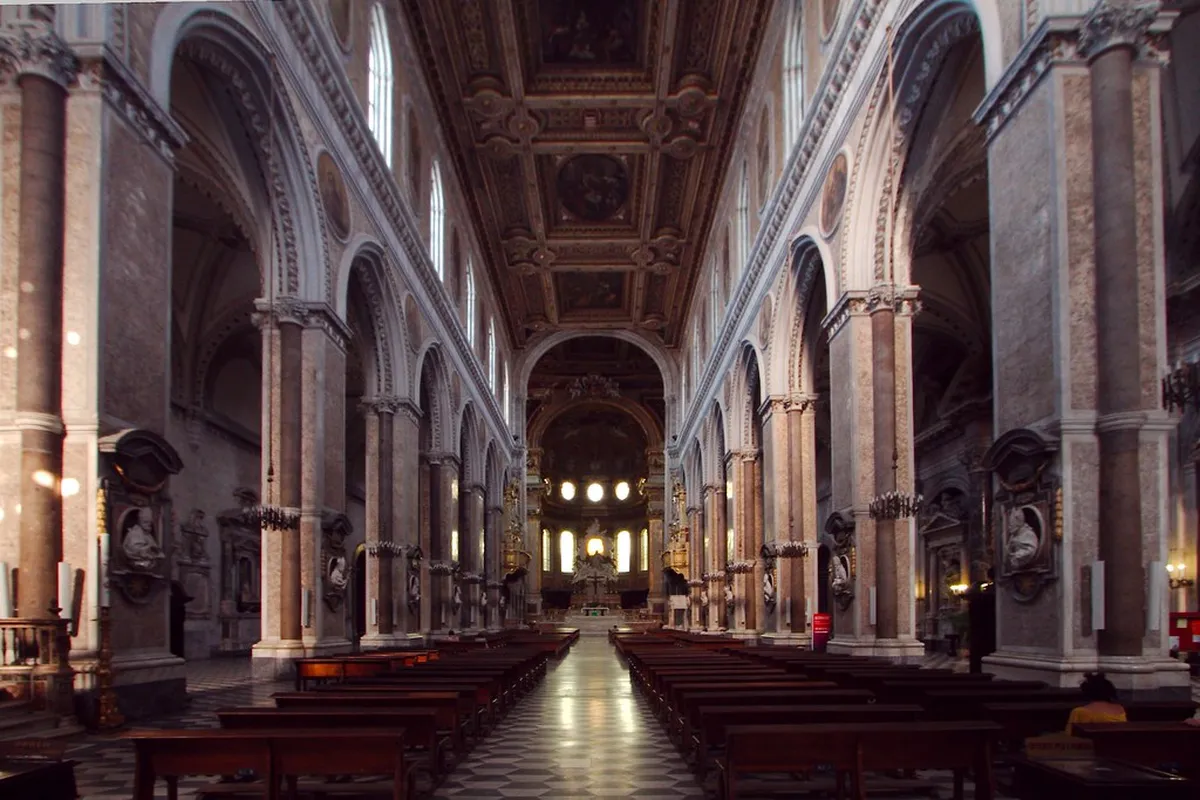
A visitor account lists Ravenna Cathedral as free to enter, with hours described as shorter in winter and longer in summer; that is a useful signal that the cathedral is a quick, low-commitment stop rather than a headline sight. The same account rates it as modest compared with the city's ancient basilicas, so treat it as a pleasant pause on a walk rather than a destination in itself.
Nearby, the Basilica of San Francesco and Dante's Tomb sit next to each other, and the visitor account describes both as free to enter, with Dante's Tomb open daily on a seasonal pattern. The basilica's flooded crypt, where fish are said to swim among old columns, is the kind of incidental curiosity that makes a free stop memorable. Plan these two together and you have a satisfying half-hour that costs nothing.
These are visiting suggestions, not official listings, and free entry policies can change with parish or municipal decisions. Before you build a day around them, check the current situation locally, at the door or through the city's tourism channels, rather than relying on a blog. The wider hidden gems in Ravenna guide is a good place to start if you want more quiet corners alongside the famous names.
What Is Not Free: The Mosaic Monuments Explained
The UNESCO-listed mosaic sites are the heart of most Ravenna itineraries, and they are ticketed. The visitor account groups San Vitale, Sant'Apollinare Nuovo, Galla Placidia, the Neonian Baptistery and the Archiepiscopal Chapel under combined mosaic tickets, with the Arian Baptistery and Mausoleum of Theodoric described as separate or part of a different cumulative scheme. Do not assume one pass opens every door.
That account also reports that Galla Placidia and the Neonian Baptistery involved timed reservations, and it quotes specific prices and seasonal opening hours. Those are visitor-reported details, not current operator facts, and they may well be out of date. Confirm prices, hours and any reservation requirement with the official ticket operator before you travel, and do not budget from a blog alone.
The Mausoleum of Theodoric is described as the one World Heritage site there without mosaics, which makes it a different proposition if your interest is decorative art rather than architecture. Ravenna's tourist board lists guided experiences such as mosaic-themed tours, but nothing in the available information says these are free, so budget for them or skip them.
A Suggested Free-and-Low-Cost Route Through the Centre
Start with the free stops to set the tone: Dante's Tomb and the Basilica of San Francesco first, then a slow walk through the centre toward Ravenna Cathedral. The visitor account's own one-day order runs from Classis and Classe in the morning through the main mosaic sites and ends near Sant'Apollinare Nuovo, but for a low-cost day reverse the logic: keep the free churches and streets as the spine and add a single paid interior only where you feel the pull.
Keep the walking short by clustering: the cathedral and the basilicas of the centre are within easy strolling distance of each other, and the visitor account describes the centre as compact and walkable. That compactness is the free attraction. A suggested duration of half a day on foot, without entering any ticketed site, is a reasonable way to see the streets, squares and free churches at an unhurried pace; it is our suggestion, not an official figure.
Classe and the Outskirts: Is It Worth the Trip?
Sant'Apollinare in Classe and the Classis Ravenna museum sit outside the centre in the village of Classe, and the visitor account describes the basilica as around five kilometres away, requiring a car, taxi or public transport. Both are described as ticketed, with the museum offering a combined option with the basilica, so this is the part of a Ravenna visit that costs both money and time.
If your priority is a free day, skipping Classe is a defensible choice; the centre already offers plenty at no cost. If you care about early Christian art and the story of the port city, the museum's reconstructions and the basilica's scale may justify the trip. Check current transport options and opening arrangements locally rather than relying on published journey times.
Squares, Streets and Everyday Wandering
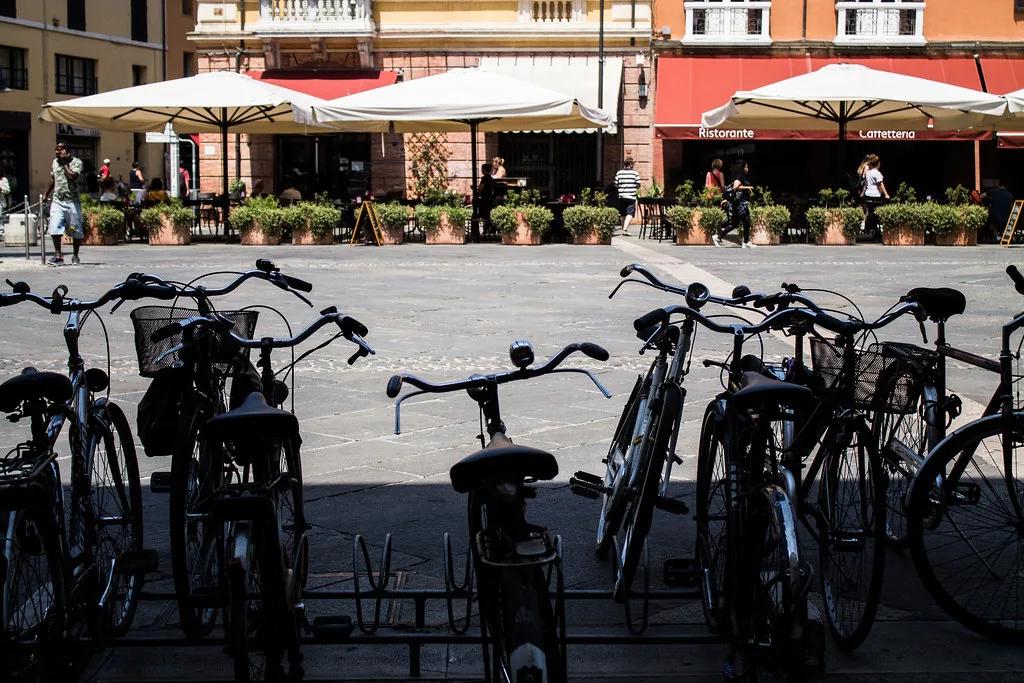
Beyond named monuments, Ravenna's pleasure is its everyday fabric: piazzas, arcaded streets and the easy rhythm of a small Emilian city. The regional tourism site shows how the wider Emilia-Romagna region frames slow travel, with itineraries built around walking, food and lesser-known places rather than a checklist of paid attractions. Use that mindset in Ravenna itself and the free day writes itself.
A practical approach is to pick one paid interior as an anchor, then let the rest of the day drift. The visitor account's own tips note that at busy times visits to individual mosaic sites can be brief, which is another argument for not overloading a schedule. Spend the saved time on a second coffee, a longer look at a facade, or a loop back through a square you liked.
Free Options With Kids and on a Rainy Day
The free churches and outdoor squares work well for families who need space to move, but they are not playgrounds and the sources offer no child-specific facilities. The visitor account does warn that the Mausoleum of Theodoric produces a fierce echo, which is a small practical note for parents rather than a reason to avoid it. For rainy days, the free indoor options are limited to what is open at the time, so plan a flexible backup rather than a fixed schedule.
Because the available information does not document child-focused free activities, the honest approach is to check the city's events calendar for the dates you are visiting and see what is running. The Comune di Ravenna site publishes current notices and events, which is more reliable than a static blog for a rain-plan.
Money-Saving Decisions: Which Paid Interior Deserves Your Ticket
If you will pay for only one or two interiors, prioritise by what you cannot see elsewhere. San Vitale and Galla Placidia are the names most associated with Ravenna's mosaic reputation, while Sant'Apollinare in Classe requires a trip out of town. The visitor account ranks San Vitale first, which is a reasonable tiebreaker if you want one standout rather than a spread.
Then spend the rest of the day free: the basilica and tomb of Dante, the cathedral, and the streets between them. The Ravenna Attractions hub is the place to compare individual sights before committing, since each guide covers one site in depth rather than bundling everything together.
Seasonal and Timing Notes for 2026 Travel
Ravenna's calendar is busy in autumn, and the city site in October 2026 lists film screenings, exhibitions and food events alongside its regular notices. That volume is useful: it means a free day can include a public event or an open exhibition without any special planning. Check the calendar close to your dates, because listings change.
The regional tourism site lists upcoming events across Emilia-Romagna, including Ravenna entries, but event details shift and some listings are historical. Use it for inspiration, then confirm dates and any admission terms directly with the organiser. Nothing in the sources supports assuming any event or guided tour is free.
Plan Your Visit
Ravenna is one of Italy's easiest cities for a low-cost day: a compact centre, free churches, a famous tomb and streets that reward walking rather than scheduling. Decide early which one or two mosaic interiors you will pay for, then let free stops fill the rest of the itinerary.
Before travelling, check the official city and tourism sites for current hours, ticket arrangements and any reservation requirements, and treat every blog figure, including the ones discussed here, as unverified until confirmed. That small step is what keeps a free-first plan genuinely free of surprises.
Frequently Asked Questions
What can you do for free in Ravenna?
A visitor account lists Ravenna Cathedral, the Basilica of San Francesco and Dante's Tomb as free to enter, and the compact historic centre is ideal for walking. Squares, streets and church exteriors cost nothing. Confirm current entry arrangements locally before relying on any published list.
Are Ravenna's mosaic monuments free to enter?
No. The mosaic monuments, including San Vitale and Sant'Apollinare Nuovo, are ticketed, and the available information describes several cumulative ticket options rather than one pass covering everything. Check the official operator for current prices and which sites each ticket includes.
Is Ravenna Cathedral free?
A visitor account describes Ravenna Cathedral as free to enter, with seasonal hours. Policies can change, so check at the door or through official tourism channels before planning around it.
Can you visit Dante's Tomb for free?
The visitor account used here describes Dante's Tomb as free to enter, open daily with seasonal variations. Treat that as a starting point and confirm current access locally.
Is Ravenna worth visiting if you are on a budget?
Yes, if you plan around the free churches and walking rather than assuming the mosaic sites are included. Choose one paid interior if you want it, and use the compact centre as the main event. Verify hours and ticket details before you go.
How long do you need in Ravenna on a low-cost trip?
A suggested half-day on foot covers the free stops and streets without entering ticketed sites; that is our suggestion, not an official figure. One visitor account suggests three to four hours for the mosaic attractions if you include them. Add time for coffee and detours.
Sources
Continue exploring
More guides you'll find useful