Where to Stay in Parma: Neighborhoods by Vibe and Budget
Compare Parma's Centro Storico, Oltretorrente, Cittadella and San Leonardo by atmosphere, food, walkability and budget fit, with honest trade-offs for each.
On this page
Parma rewards travellers who slow down, and the city is compact enough that picking a district is less about sightseeing logistics and more about the mood you want at breakfast and after dinner. The pedestrian historic core puts the cathedral and the Baptistery of Parma within a few minutes of most beds, while districts across the river trade convenience for a livelier street scene.
This guide compares four areas: Centro Storico, Oltretorrente, Cittadella and San Leonardo. It weighs atmosphere, food, walkability and budget fit rather than listing hotels, and it deliberately avoids quoting room rates, because nightly prices shift with season and demand and any figure published today is stale by the time you book.
For the wider picture of what to see once you have unpacked, keep the Parma Attractions hub open alongside this page. It covers the cathedral, the monumental complex at Pilotta and the opera house, which are the anchors most itineraries are built around.
How to Read This Guide: Vibe, Budget and One Rule About Prices
Vibe here means the texture of a district: how much street life you meet on foot, whether evenings are quiet or animated, and how long the walk to the cathedral takes. Budget means the general cost profile of a district, not a number, since a historic centre apartment and a station-side room can price very differently for the same dates.
The one rule is that no nightly rate appears in this guide. Sources that quote hotel prices display dated or sample figures, and one widely indexed rental page is for Parma, Ohio, not Parma, Italy, which is a reminder to check the town name before you book anything. For actual prices and availability, consult hotel and booking sites for your own dates.
The city sits in Emilia-Romagna, between Bologna and Milan, and is easy to reach by train from several northern hubs. If your arrival logistics matter more than your district choice, the Getting Around Parma: Transport and Arrival Guide covers the practical side in detail.
Quick Orientation: The River, the Core and the Ring Around It
The river Parma divides the city in two. On one side lies the historic centre, with Piazza Garibaldi as its social heart and Piazza del Duomo holding the cathedral, baptistery and diocesan buildings in one tight ensemble. Related guide: Piazza del Duomo Parma: A Guide to the Cathedral Square Ensemble.
Across the Ponte di Mezzo sits Oltretorrente, literally the quarter beyond the stream, which travel sources describe as a university-flavoured area with a mix of homes, shops and bars. Further north, the Cittadella district takes its name from a 16th-century pentagonal fortress whose grounds now form a large park.
San Leonardo is the commercial side of town, home to the main train station and the busiest everyday shopping streets. None of these districts is far from the others on foot or by short taxi ride, which is why atmosphere matters more than distance here.
Centro Storico: Pedestrian Streets and the Duomo on Your Doorstep
Staying in the historic centre means narrow medieval lanes, Renaissance and Baroque facades, and a large pedestrianised zone that makes strolling the default way to move. The cathedral and the neighbouring Baptistery sit on the same small piazza, so a morning visit costs you a few minutes rather than a journey.
Piazza Garibaldi is the city's crossroads, ringed by historic buildings and cafes, and it is where you catch buses and meet friends. Shopping concentrates on Strada della Repubblica and Strada Farini, which mix high-end boutiques, big brands and artisan food shops within walking distance of most central beds.
The centre is where most first-time visitors should look, and a hotel guide to the city is explicit that staying centrally suits anyone wanting the cathedral, theatre and baptistery close at hand. That convenience is the product, so expect the centre to carry the highest demand in the city.
Centro Storico Trade-offs: Peak Demand and Quieter Evenings
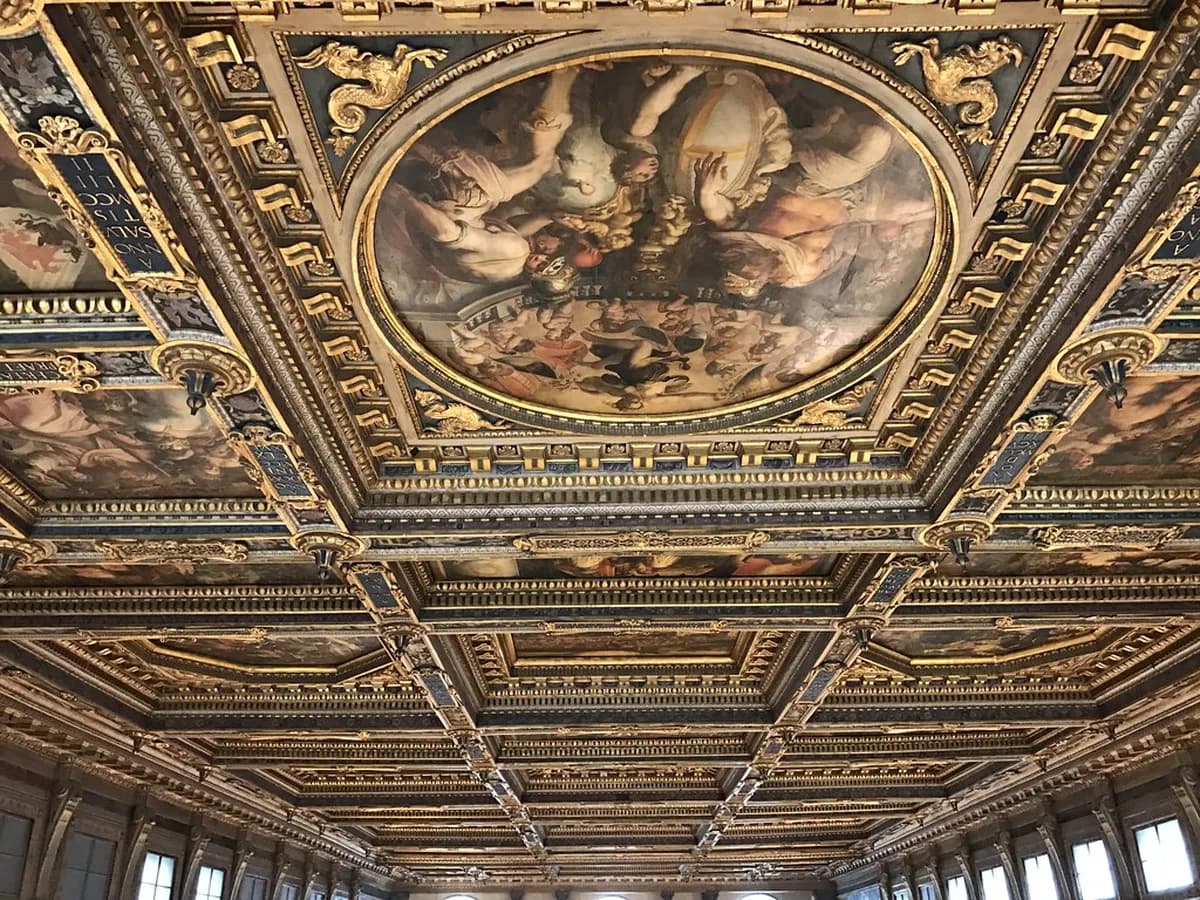
The same density that makes the centre convenient also makes it the most contested part of the city for beds. If you want a specific apartment size or a frescoed ceiling, you are competing for a limited pool, so book earlier rather than later in high season.
Evenings thin out once shops close, and the area around the cathedral turns calm rather than buzzy. Travellers who want noise, late tables and a younger crowd often prefer the other side of the river, while light sleepers may find the centre's hush an advantage.
Driving is the other trade-off. The historic centre is pedestrianised and foreign vehicles are restricted, so a central stay is best paired with parking outside the core or arrival by train. Residential-only parking zones add another reason to leave the car behind.
Oltretorrente: University Energy, Trattorias and a Less Polished Feel
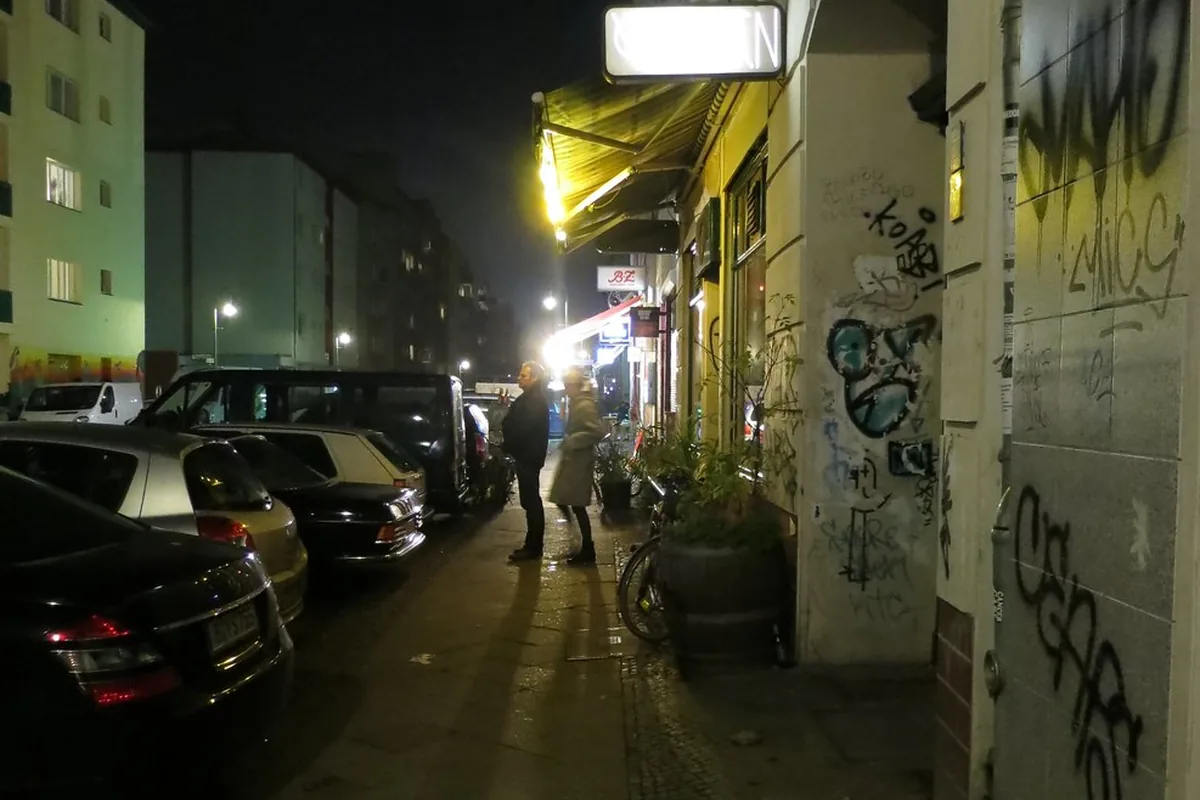
Oltretorrente is the district across the river, described by travel writers as a university area with a youthful buzz and the right mix of homes, shops and bars. It has a reputation for local trattorias and artisan workshops, which makes it a natural base for travellers who want to eat where the city eats.
The quarter also holds older layers worth seeking out. Walking Via D'Azeglio you pass medieval tower houses and the porticoes of the old hospital before reaching the church of Santa Croce, a stop on the old pilgrim route, and the neighbourhood's painted facades are part of its character.
For dining, the district rewards curiosity more than polish. A local hotel guide notes that Oltretorrente is filled with trattorias and artisan shops and suits travellers who want an authentic, less touristy experience than the centre, which is a fair summary of its appeal.
Oltretorrente Trade-offs: Longer Walks and Louder Nights
The river is the dividing line, and it costs you a walk to reach the cathedral, the baptistery and the Pilotta complex. That is a pleasant crossing by day and a ten-minute stroll by night, but it is not the same as stepping out of your door onto Piazza Duomo.
Student bars mean noise. If you book a room facing a busy street, ask about the location of the room within the building and whether windows are double-glazed, since the liveliness that draws some travellers is exactly what wakes others.
The district is also less uniform in quality than the polished centre, which is part of its charm and part of its risk. Read recent reviews rather than relying on a single rating, and treat any very old review as a rough guide at best.
Cittadella: The Fortress Park and a Calmer Northern Base
Cittadella is named for a huge 16th-century pentagonal fortress whose grounds now enclose a large park, good for running and used for cultural events. A short walk away is the Palazzo della Pilotta complex, which holds the national gallery, the archaeological museum, the Palatine library and the wooden Teatro Farnese.
A single ticketed complex is not the same as one ticket for everything in the city. At Pilotta, one ticket covers several collections inside the palace, while the cathedral itself is free to enter and the baptistery is a separate ticketed building.
For travellers who want green space at the door and a quieter evening, Cittadella is a sensible compromise: a couple of kilometres north of the historic centre by general description, close enough to walk in, far enough that the streets around your bed are residential.
Cittadella Trade-offs: Fewer Tables at Your Door
The trade-off is dining density. You will find fewer restaurants immediately outside your door than in the centre or Oltretorrente, so most evenings involve a deliberate walk rather than a stumble home, which suits some travellers and frustrates others.
The park's event calendar is worth checking before you book, since cultural programming can bring both atmosphere and crowds to the surrounding streets. Look at the city's tourist information for what is on during your dates rather than assuming a quiet week.
Cittadella works best if you plan to spend time at Pilotta and the park, and less well if your priority is opera evenings at the Teatro Regio or repeated cathedral visits. Match the base to the itinerary, not to a map distance alone.
San Leonardo: The Station Side and Its Honest Limits
San Leonardo is the commercial side of Parma, home to the main train station and a busier, more workaday street scene. It is the practical choice for very early departures, for day trips by rail and for travellers arriving late who want a short transfer to bed.
Its weakness is charm. Hotel guides often advise against sleeping immediately around the station, noting that it is convenient for transport but lacks the atmosphere of the historic core, and that is a fair description rather than a warning.
A sensible compromise is to stay one or two streets into the residential grid rather than on the station forecourt. You keep the short walk with luggage while gaining quieter nights, and the centre remains a straightforward walk or a short ride away.
Shopping Streets and the Food Map Inside the Centre
Strada della Repubblica and Strada Farini are the centre's shopping axis, mixing international names with independent food shops. Via D'Azeglio, meanwhile, is where several museums and cultural institutions cluster, so an afternoon of galleries can end with a walk back through the boutiques.
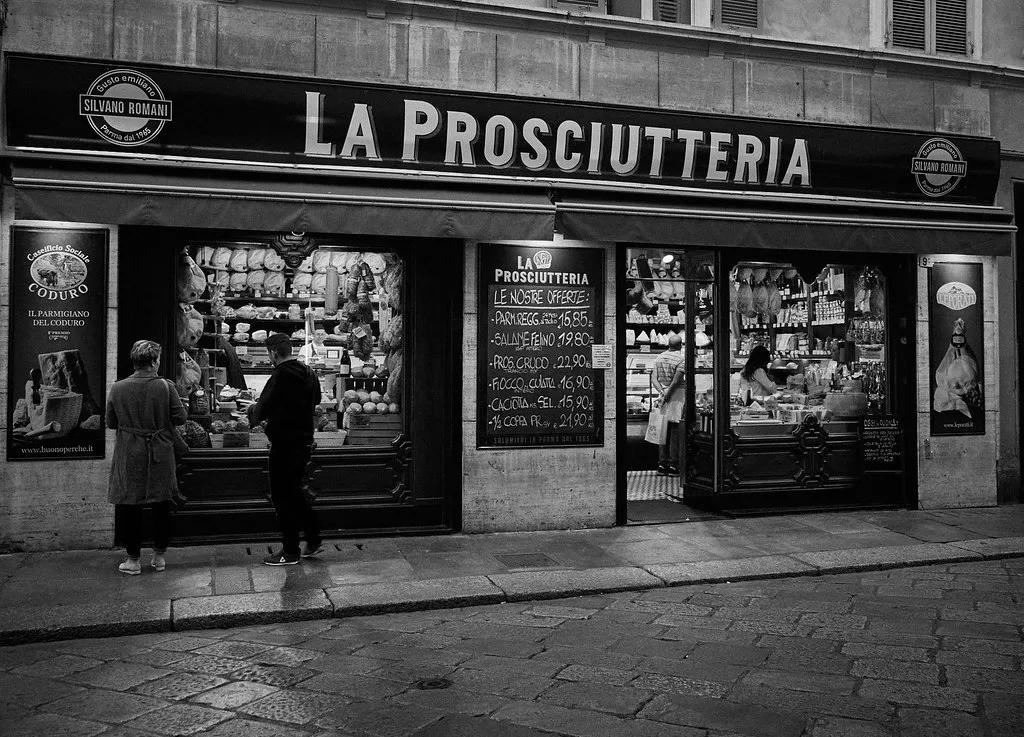
This is also where Parma's food identity becomes visible at street level. Prosciutto di Parma, Parmigiano-Reggiano and pastries stuffed with ham appear in bakery windows across the centre, and the Parma Local Food Guide: What to Eat and Where explains what to order and how the local specialities differ.
Budget travellers should note that the centre supports both ends of the scale: a cheap standing coffee or an aperitivo with small bites costs little, while the grand hotels and designer boutiques sit a few streets away. The district is not uniformly expensive; your habits decide the bill.
Budget Reality Check Without Invented Rates
Because room rates move with dates and demand, the useful question is not what a night costs but what you are paying for. In the centre you pay for walkability and atmosphere; across the river you pay less for polish and more for street life; near the station you pay for transport convenience rather than charm.
Check prices directly on hotel sites and major booking platforms for your specific dates, and filter for refundable rates if your plans might shift. Read the cancellation terms rather than the headline rate, since flexible bookings usually cost slightly more but protect you if trains are disrupted.
The same rule applies to food and museum tickets: verify current prices at the ticket office or official site before you budget. Ticket structures change, and combination tickets are not interchangeable between the baptistery, the diocesan museum and the Pilotta complex.
Food-First Sleeping Strategy: Base Centrally, Travel Out
Parma's most famous producers sit outside the city, in the misty lowlands to the north where culatello and other cured meats are made. That means a food-focused trip is built as day trips out and evenings back in town, so a central or Oltretorrente base keeps your return journey short.
For the practical shape of those excursions, the Parma Food Valleys Day Trip: Prosciutto and Parmigiano Producers covers how to structure a producer visit without wasting a day in transit. Pair it with a local trattoria dinner back in the city rather than a second heavy tasting.
If your interests lean towards art and architecture rather than food, the hidden gems in Parma roundup adds quieter churches and overlooked corners to the obvious list. Both approaches benefit from sleeping in the walkable core.
Who Should Pick Which District
First-time visitors and opera-goers should default to Centro Storico, where the cathedral, baptistery and Teatro Regio are within a short walk and late theatre evenings end with a brief stroll home. Couples wanting atmosphere will find the pedestrian lanes hard to beat.
Solo travellers, students and anyone who prioritises cheap food and bar life should look at Oltretorrente first. Families and joggers may prefer Cittadella for the park, while San Leonardo suits travellers whose trip is really a series of day trips by rail.
If you are comparing Emilia-Romagna cities more broadly, the Bologna neighborhoods guide is a useful contrast, though Parma's centre is smaller and calmer by comparison. Treat the comparison as descriptive rather than a ranking.
A Two-Day Shape That Works From Any Base
Start with Piazza Duomo: the cathedral is free to enter, and Correggio's dome fresco in the crossing repays a slow look before you move on. The baptistery next door is a separate ticketed building, so check entry arrangements at the diocesan museum desk rather than assuming one ticket covers both.
Behind the cathedral, the church of San Giovanni Evangelista holds Correggio's earlier dome and frescoes by Parmigianino, and it is free to enter. A source suggests around forty minutes and places it two minutes from the cathedral and baptistery, which makes the three buildings a single unhurried morning.
Day two belongs to the Palazzo della Pilotta and the Teatro Farnese, the wooden theatre rebuilt after wartime destruction, followed by a walk in the Parco Ducale. A compact Parma Two Day Itinerary: A Compact Plan for Cathedral, Pilotta and Food sequences these stops with food breaks built in.
Plan Your Parma Base
Choose the historic centre if walking to the cathedral matters and evenings can be quiet, Oltretorrente if you want bar life and trattorias across the river, Cittadella if a park and Pilotta are your anchors, and San Leonardo only if the station is genuinely central to your plans. None of these choices is wrong; each trades one kind of convenience for another.
Before booking, confirm current room rates, ticket arrangements and opening hours on official sites for your exact dates, and check whether your dates coincide with a theatre season or a city event. Those checks matter more than any static comparison.
Frequently Asked Questions
Which neighborhood in Parma is best for first-time visitors?
Centro Storico is the simplest choice for a first visit. The cathedral, baptistery and Teatro Regio sit within a short walk, the core is largely pedestrianised, and you spend your time seeing the city rather than crossing it. The trade-off is higher demand for beds and quieter evenings once shops close.
Is Oltretorrente a good area to stay in Parma?
Yes, if you want a livelier, university-flavoured district with trattorias and artisan shops rather than polished calm. It sits across the river, so reaching the cathedral means a walk, and student bars can mean noise at night. Ask about room position within the building before booking.
Should I stay near Parma train station?
Only if rail travel dominates your trip, such as very early departures or repeated day trips. The station area is commercial and convenient for transport but lacks the atmosphere of the historic core, so many guides suggest staying a few streets away rather than on the station forecourt.
Is the Centro Storico of Parma walkable?
Yes. Much of the historic centre is pedestrianised, with Piazza Garibaldi, the Duomo piazza and the main shopping streets all reachable on foot. Driving into the core is restricted for foreign vehicles, so arrive by train or park outside the centre and walk in.
Where do food lovers stay in Parma?
Base in Centro Storico or Oltretorrente and travel out for producer visits, since the best-known cured meat and cheese makers sit in the countryside north of the city. A central bed keeps your return journey short and puts trattorias and food shops within walking distance.
Is Parma, Ohio the same as Parma, Italy?
No. Parma, Ohio is a separate city in the United States with its own accommodation listings. Some rental pages indexed under the name refer to Ohio, so check the country and region on any booking page before you reserve, especially when searching for vacation rentals.
Sources
- Piazza del Duomo | Parma, Italy | Attractions - Lonely Planet
- 15+ Fun Things to Do in Parma, Italy - Adventurous Kate
- Parma Italy Travel Guide (Food, Things to Do + Local Tips)
- Parma, OH Vacation Rentals – Airbnb
- San Giovanni Evangelista, Parma: Correggio's Other Dome
- The Cathedral of Parma: Between Romanesque and Renaissance | Vivere in Italien
- Best Hotels in Parma: where to stay for an unforgettable trip – Taste Bologna
- Literary itinerary in Parma and surrounding areas | Visit Emilia
Continue exploring
More guides you'll find useful