Padua with Kids: A Slow Family Day Guide
A practical, source-based guide to a family day in Padua: hands-on museums, free green space, a calmer abbey, and sensible rainy-day and age-fit advice.
On this page
A good family day in Padua rarely needs more than one ticketed anchor. The city centre holds a hands-on medical museum, a university botanical garden and large public squares close enough to walk between, while the biggest churches offer free ground-level visits that let children reset without a guided tour. For wider planning, see Padua Attractions: Visitor Guides to 12 Sights.
One concrete detail to plan around: the Abbey of Santa Giustina beside Prato della Valle is free to enter, and the city tourist office lists daily opening split by a long midday pause, so an early-afternoon arrival risks finding the doors shut. Treat any duration in this guide as an editorial suggestion for pacing, not an official visit time.
Why Padua Suits a Slow Family Day
Padua's visitor appeal is dense rather than spread out, which is exactly what families with short attention spans need. The main sites sit in and around the historic centre, and the city is easy to reach by train from elsewhere in northern Italy, making it a workable stop rather than a full holiday in itself. The practical trade-off is that not everything rewards the same age: hands-on science and open squares work for almost everyone, while small church interiors and timed shows suit older children better.
So instead of ranking attractions, choose a shape for the day. One indoor anchor, one outdoor stretch and one optional add-on is enough. Keep a rainy-day substitute in reserve and you avoid the common failure of over-scheduling, where children are tired before the most interesting stop of the day.
Old Town Stops Versus Out-of-City Outings
Almost everything worth doing with children in Padua is in or near the centre: the medical museum, the botanical garden, the main squares and the abbey. That cluster is why a single day can feel complete without a car. The animal and nature attractions in the Euganean Hills and around Montegrotto, by contrast, sit outside the city and belong in a separate half-day rather than squeezed between museum visits.
That geography decides your itinerary more than any list does. With one day, stay central and skip the hills. With two or three days, give the outlying nature stops their own morning and keep the afternoon free. For a first overview of the classic route, the Padua one-day itinerary shows what a standard visit covers, which helps you see what you are deliberately leaving out.
MUSME: The Hands-On Medical Museum
MUSME, the Museum of the History of Medicine, is the strongest rainy-day pick in Padua for school-age children. Its rooms are built around interaction rather than quiet looking: digital quizzes, 3D anatomical models and tactile games carry children through how the body works and how medicine changed over the centuries. Family-oriented coverage describes it as engaging rather than dusty, with English text in many displays, which makes it easier for visiting families to follow the stories.
Age fit matters. Younger visitors enjoy the bright, tactile parts, but the full experience lands best at around seven or eight and up, when children can follow the narrative. If you want a guided visit in English, ask the museum in advance instead of assuming one runs on your date. As a pacing suggestion, allow roughly an hour inside; that is an editorial estimate, not an official visit duration.
Orto Botanico and Prato della Valle: Green Rest Stops
The university botanical garden, founded in 1545 and listed by UNESCO, is the calmest way to spend an hour with children who need green space and strange plants rather than screens. Tropical greenhouses, carnivorous plants and family-oriented activities turn plant science into a hunt, and the University of Padua notes that the ticket includes an audio guide, with a version designed for children. That audio guide is the best reason to hand a child the map and let them lead.
Book any guided visit before you travel, especially if you want a tour in English, and confirm availability directly with the garden. Tucked between Prato della Valle and the Basilica of Sant'Antonio, it slots naturally between a square and a church stop. For ticket scope, current hours and what the family ticket covers, check the official garden page and the Orto Botanico di Padova Visitor Guide: Tickets, Hours & Highlights rather than relying on older blog posts.
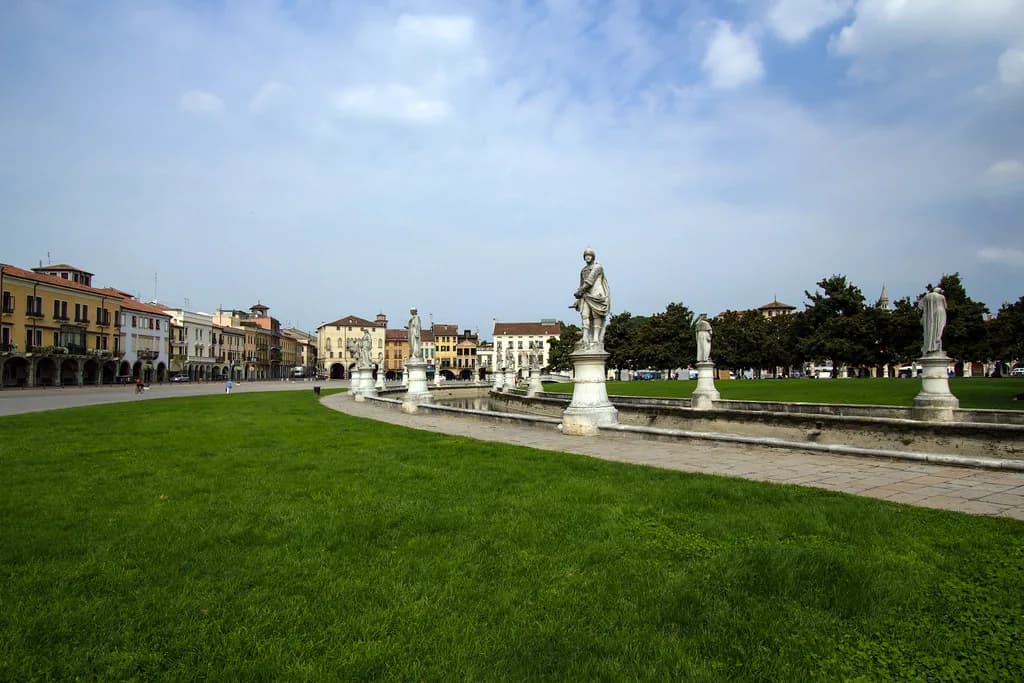
Prato della Valle is the easiest free win in Padua: a vast green square ringed by a water channel and statues, where children can run while adults sit. It is also a sensible release valve when a ticketed interior turns out shorter than expected. For the square's history, market days and what surrounds it, the Prato della Valle Guide: History, Markets & What to See is a useful companion before you build a picnic around it.
Abbey of Santa Giustina: A Free, Calmer Church Visit
The Benedictine abbey beside Prato della Valle is free to enter and noticeably calmer than the Basilica of Sant'Antonio, which makes it a realistic stop for children who have already spent their patience on one church. The present basilica dates from the sixteenth century and holds a carved wooden choir and a Veronese altarpiece. The city tourist office lists daily opening split between morning and late afternoon with a long midday pause, so plan around that gap rather than arriving at lunchtime.
Some areas, including the fourteenth-century Chapel of St. Luke and the wooden choir, require an authorised guide, so ask at the abbey what is open on your date instead of assuming full access. Dress respectfully, keep voices low, and treat the visit as fifteen or twenty minutes rather than a full tour. For more overlooked corners like this one, our guide to hidden gems in Padua is a good next read.
A Seated Reset: The Padua Planetarium
The planetarium gives families a dark, seated show that resets tired children in the middle of a walking day. Projections cover constellations, planets and the night sky, and presenters keep the format conversational rather than lecture-like. It works well in the afternoon, when energy dips and everyone benefits from sitting still.
Language is the thing to confirm. Do not assume regular shows run in English; contact the planetarium directly with your dates, group size and the kind of show you want, and ask what is possible. Seats are limited, so treat it as a book-ahead item rather than a spontaneous walk-in. If the answer is no, swap in the medical museum and save the planetarium for another trip.
Out-of-City Nature Stops: Plan Them Separately
Two nature add-ons sit outside Padua and should be framed as half-days, not city stops. In the Euganean Hills, a wildlife park about thirty minutes by car lets children see donkeys, goats, sheep and chickens across meadows with picnic space. Near Montegrotto Terme, a butterfly house offers a tropical greenhouse where butterflies fly freely, plus an insect area and an outdoor garden; it is self-guided, so no translation is needed.
Both reward a car and a flexible schedule, and both suffer if you bolt them onto a museum day. Check current opening days and admission directly with each site, since family-oriented opening patterns shift with the season. If you have only one day in Padua, skip these and spend the time on the botanical garden and a square instead.
A Self-Guided Puzzle Walk for Older Children
When children are around seven and up, a self-guided riddle trail can keep them walking through the centre without complaint. These app-based puzzle tours are not competitive scavenger hunts and involve no guide or group; you open the route, follow clues on your phone and unlock stories about the old town at your own pace. Expect to spend an hour and a half to two hours on your feet, so pair it with a seated stop rather than another museum.
The trade-off is that walking is the point, which means rain turns it into a wet trudge and very young children lose interest fast. It also works best in your own language, so check what the clues are written in before you buy. If you would rather keep the day simpler, build around fixed sites instead.
Rain Plan Versus Sun Plan
A simple swap logic beats a long list. If it rains, lead with the medical museum and the planetarium, then add the abbey interior and a long lunch; drop the square and the park. If the sun is out, start at Prato della Valle, walk through the botanical garden and finish with the abbey before an early gelato. Either way, keep one indoor and one outdoor option in reserve so a change in weather does not wreck the day.
Gelato is the reliable reset, and family-friendly gelaterias cluster in the centre, with creative flavours and some lactose-free options, so ask before ordering if that matters. Padua also has a strong food culture beyond ice cream, and the Padua local food guide helps you plan a proper sit-down meal rather than snacking all day.
Suggested Half-Day and Full-Day Shapes
A half-day for younger children might run: a square in the morning, the botanical garden with the children's audio guide, then an early lunch. A half-day for older children could be the medical museum followed by a puzzle walk through the centre. These are editorial suggestions, not official itineraries, and each assumes one main ticket plus free outdoor time rather than back-to-back admissions.
A full day adds a seated planetarium show or the abbey, plus a proper sit-down meal in the middle. Resist adding a fourth ticketed stop. If you are timing your trip, the best time to visit Padua is worth checking before you book, since summer heat and school holidays change how much walking children will tolerate.
Practical Tips Before You Go
Confirm two things before you travel: guided visits at the botanical garden and planetarium seats, since both depend on fixed slots and language availability. Then check current opening days and ticket scope on each site's own page, because family passes, combined tickets and children's rates change and older posts go stale. The city's tourism portal and the individual museum sites are the safest places to verify before you book.
In the old town, expect cobbles, arcades and short distances rather than long transfers, and plan snack stops before anyone melts down. Stroller routes vary between historic sites, so ask at each entrance rather than assuming step-free access. Finally, decide in advance how Padua fits your wider trip: as a day trip from Venice or Verona it works well, but sleeping in Padua gives you slower mornings and easier access to the outlying nature stops.
Plan Your Family Day in Padua
Padua works best for families when you choose one hands-on anchor, one patch of green and one backup. Book the planetarium and any guided garden visit early, confirm hours and ticket scope on official pages, and treat any duration here as your own pacing estimate. Then let the city's compact centre do the rest.
Frequently Asked Questions
What are the best things to do in Padua with children?
For most families the strongest combination is the MUSME medical museum for hands-on science, the Orto Botanico for plants and greenhouses with a children's audio guide, and Prato della Valle for free running-around space. The planetarium adds a seated show, and the free Abbey of Santa Giustina is a calmer church stop right beside the square.
What can you do in Padua with children when it rains?
Lead with the medical museum and a planetarium show, add the abbey interior and a long lunch, and drop the square and the park. The botanical garden's greenhouses also work in wet weather, though you will still cross open ground, so bring rain gear for the walk between stops.
Is the Abbey of Santa Giustina free to visit?
Yes, entry to the abbey is free according to the city tourist office. Be aware that some areas, such as the Chapel of St. Luke and the wooden choir, require an authorised guide, and the opening day is split by a long midday pause, so plan your arrival around that gap.
Do you need to book the Planetarium or Botanical Garden in advance?
Treat both as book-ahead items. Planetarium seats are limited and language availability should be confirmed directly with the venue, while guided botanical garden visits, including English tours, need to be arranged with the garden. Independent garden visits with the included audio guide are simpler, but still check current ticket options first.
What age is MUSME suitable for?
Younger children enjoy the tactile and visual exhibits, but the full experience lands best at around seven or eight and up, when children can follow the stories. Many displays include English text, and a guided tour in English is worth requesting in advance rather than assuming it runs on the day.
Sources
Continue exploring
More guides you'll find useful