Padua in Two Days: A Slow Itinerary and Practical Tips
Plan two days in Padua with a realistic split of chapel, basilica, university and squares, plus booking and timing tips to avoid wasted mornings.
On this page
Padua rewards a slower rhythm than its neighbour Venice. Much of the centre is flat and lined with covered porticoes, which makes walking comfortable in summer heat or rain, and the sights sit close enough together that you can plan on foot rather than around buses. Two days gives you room for the big fresco cycle, a major pilgrimage basilica, a university hall and at least one green space without sprinting between them.
The one fixed point in any plan is the Scrovegni Chapel. Giotto's fresco cycle draws timed entry, and the interior visit is short rather than lingering, so your slot shapes the rest of the day. Build the itinerary around that reservation first, then slot in churches, squares and museums according to what is open on your dates.
Why Two Days Suits Padua Better Than One
One day covers the essentials, but it usually means choosing between the chapel, the Basilica of Saint Anthony and a museum. Two days lets you add the university quarter, a garden or a second museum and still sit down for lunch. The city centre is compact and walkable, so the extra day costs you little in transport and a lot in breathing room. Further visitor details appear in 15 Best Things to Do in Padua in One Day (+ Itinerary & Map).
Padua behaves like a working university city rather than a tourist stage. Restaurants and streets serve students and residents as much as visitors, which shows up in the pace of an evening and the way the market squares function in the morning. Plan the sightseeing blocks, then leave the late afternoon loose for wandering.
Anchor Decision One: Reserve the Scrovegni Chapel First
The chapel limits how many people are inside at once, and admission is organised in timed groups: you watch a short introductory video, then spend about fifteen minutes with the frescoes. Booking ahead online is the standard advice, and turning up without a slot risks losing the highlight of the trip. Reserve before you fix anything else in the plan.
Treat the published start time as the beginning of a process, not the moment you step into the chapel. Arrival formalities and the preparation area eat into the hour around your slot, so leave a buffer rather than booking a restaurant table immediately afterwards. Ticket prices, opening days and any combined-ticket conditions change, so confirm them on the official chapel booking pages before you pay.
If the slot you want is gone, reverse the day rather than abandoning it. Take the chapel on your second morning and use the first for churches and squares, which mostly need no reservation. The city's own portal is a sensible place to check civic notices and civic museum information when a plan depends on a specific date.
Suggested Day 1 Morning: Chapel, Arena Gardens and the Eremitani Area
Start at the chapel and stay in the immediate area afterwards. The Arena gardens around it are a calm place to reset, with the remains of a Roman amphitheatre that work as scenery rather than a major ruin. This cluster sits at the northern edge of the historic centre, so it makes a natural first stop before you walk south.
The Museo Civico at the Eremitani fits neatly here as a paid interior with a separate collection from the chapel. Allocate roughly an hour if you enjoy archaeology and medieval painting, and treat the ticket arrangements as something to verify rather than assume, since combined offers and museum-only options vary. The Musei Civici agli Eremitani Visitor Guide: Tickets & Art sets out what the collection holds before you commit the time.
Suggested Day 1 Afternoon: Squares, the Great Hall and Market Streets
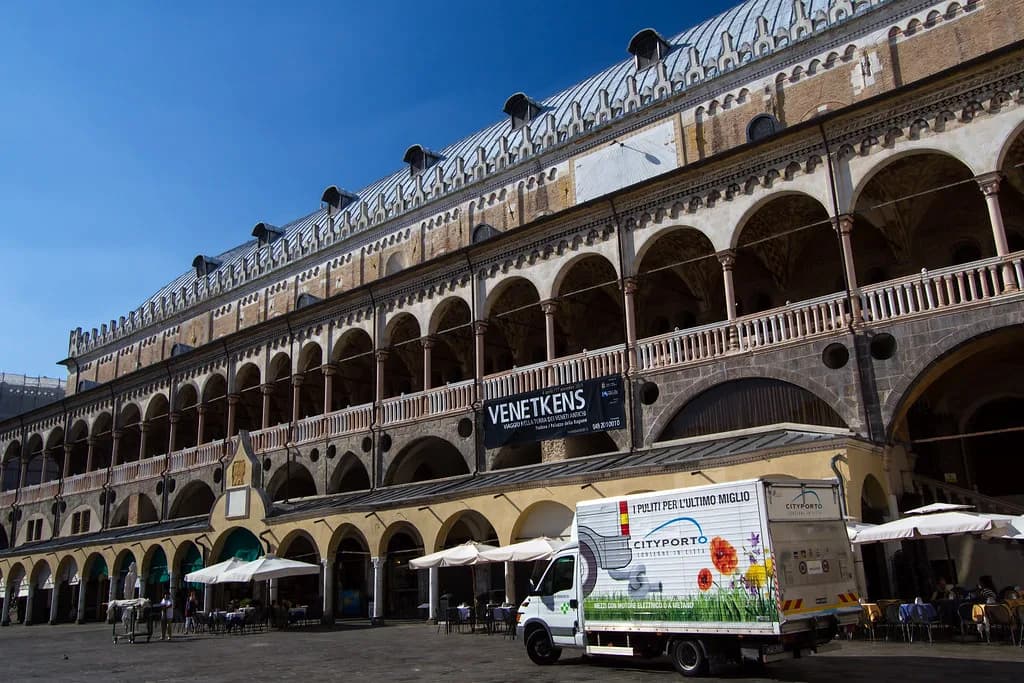
Walk south into the centre for the market area around Palazzo della Ragione, where produce stalls spread through the surrounding squares. The vast medieval hall above is a separate ticketed interior and its access days differ from the open-air market, so decide whether you want the hall or just the street life. Browsing costs nothing and gives you a feel for how the city eats.
From there, Piazza dei Signori and the cathedral are close enough to fold into the same loop. Both are quick stops rather than destinations, and church interiors may be closed at midday, so keep them flexible. This is the point in the day to slow down rather than chase a fourth ticket.
Suggested Day 1 Evening: Stay in Town
Resist the urge to catch an early train back to Venice. Padua is pleasant after dark, and an evening here means dinner without a timetable. Restaurant kitchens often open around seven, so check times before you settle on a table rather than assuming food is available all afternoon.
For sleeping, one traveller-oriented account recommends the Hotel Donatello facing Piazza del Santo, describing smaller economical rooms and a helpful front desk; treat that as a lead to check availability and recent reviews, not a verified current recommendation. Staying near the basilica end of the centre puts you close to Day 2's opening move.
Suggested Day 2 Morning: Basilica of Saint Anthony and Piazza del Santo
Begin at the basilica, which blends Romanesque, Gothic and Byzantine elements and carries the atmosphere of a working pilgrimage site rather than a museum. Donatello's bronzes on the main altar sit at a distance, while the reliquary chapel and the saint's tomb entrance draw steady lines of visitors. Budget close to an hour if you want to look properly.
Dress and behaviour expectations apply in an active place of worship, so cover shoulders and keep voices low near the tomb. Entry arrangements and any separate areas can change, so check at the door rather than relying on a guidebook. The square outside is free and gives you a place to regroup before the next stretch.
Suggested Day 2 Midday: Santa Giustina and Prato della Valle
The Abbey of Santa Giustina sits at one corner of Prato della Valle, and the square's scale surprises people who expect an ordinary piazza. A moat, bridges and two rings of statues surround the central island, and the whole loop makes an easy, flat walk. Note that the abbey keeps a midday closure, so visit before or after that window rather than in the middle of it.
If you want more of the quieter, less crowded side of the city between the headline sights, the hidden gems in Padua guide covers corners that rarely appear on a one-day list. Use it to fill the gap between the basilica and an afternoon museum.
Suggested Day 2 Afternoon: Botanical Garden or Palazzo Bo
Here you face the itinerary's clearest trade-off. The university's botanical garden is a UNESCO-listed site with a historic core, a biodiversity section and a museum, and it deserves unhurried time. Palazzo Bo, the historic university building, is seen on a guided tour of roughly three quarters of an hour that includes the anatomical theatre and the podium where Galileo taught. Trying to do both properly in one afternoon leaves no room to breathe.
Choose the garden if you prefer plants, open air and your own pace; choose Palazzo Bo if you want a structured interior with a story about early medicine and astronomy. Either way, book or confirm the timing first, since the university tour runs to its own schedule and garden access has its own conditions. The Orto Botanico di Padova Visitor Guide: Tickets, Hours & Highlights explains what each section involves.
The garden's own record as a teaching collection stretching back to the sixteenth century gives context to what you see, but the research role continues today, so expect a working site rather than a formal pleasure garden. Fees and opening hours are best confirmed directly, as seasonal variation is common.
Museum-Minded Alternatives for the Second Day
If frescoes and archaeology leave you wanting more science, MUSME covers the history of medicine through interactive displays across three floors and comfortably fills an hour or more. It closes on ordinary Mondays and sets a last admission before the evening, so place it earlier in the day than you might expect.
The Museum of Geography is the most fragile item on any plan because it traditionally opens on only a couple of afternoons a week, with other days by appointment. Slot it in only if your dates match, and confirm on the day. Palazzo Zuckermann, next door to the Eremitani, is an easy extra for thirty minutes and is closed on ordinary Mondays.
Planning Around Monday and Other Closures
On an ordinary Monday, several interiors commonly close together, including Palazzo Zuckermann, the great hall of Palazzo della Ragione, MUSME and the botanical garden. Build that day around the chapel, the Eremitani, the open squares and the churches instead. If you have two days, put Monday into the lighter of the two.
Public holidays can override normal expectations, and at least one account describes finding the botanical garden shut on a holiday. Check civic notices and each site's own page for the dates you are travelling rather than assuming a standard week applies. This is the kind of detail worth checking the night before, not the morning of.
Practical Tips for Walking, Parking and Timing
Leave the car outside the restricted traffic zone; paying for parking does not grant permission to drive into it. An app-based parking payment is useful for street meters. The centre's covered porticoes make walking viable in heat or rain, and the main sights sit close enough together that you rarely need transport once you arrive.
Spring and autumn give you easier conditions than high summer, and the Best Time to Visit Padua: Avoiding Crowds covers how the seasons change the experience. Morning market hours are the best reason to be out early.
Expect a small cover charge on restaurant tables, and do not assume refusing bread removes it. Check kitchen opening times before choosing where to eat, and save long walks for after rather than between courses.
Treating Venice as a Separate Trip, Not a Third Day
Padua sits about forty kilometres west of Venice, and trains link the two frequently, which makes a day trip tempting on paper. The problem is what it costs you: a rushed morning, a return deadline and no evening in Padua. If you want both cities, give Venice its own day rather than folding it into two already full ones.
If your trip has slack, Day Trips from Padua: Nearby Excursions covers options beyond the obvious lagoon run, including smaller towns and villas reachable without a punishing schedule.
What to Skip or Defer on a Two-Day Visit
Some sights are quick stops disguised as attractions. The cathedral and several smaller squares take minutes, so grouping them into a walking loop is better than treating each as a destination. Likewise, the Arena Romana is a fragment within a park, rewarding a pause rather than a dedicated excursion.
The bigger deferrals are your second museum and any site that demands a fixed appointment. A two-day plan works only if it has air in it, and dropping one interior is usually the right cut. Keep the chapel, the basilica and one green space, and let the rest be optional.
Plan Your Visit
Treat the itinerary as a shape rather than a timetable. Book the chapel slot first, check which day your visit falls on, and choose one anchor for each half day. Everything else, from market browsing to a second square, can flex around those decisions.
Before you travel, verify the details that move: ticket conditions, opening days, university tour times and any holiday closures. A few minutes with official listings the week before will save you a wasted morning, and the city is forgiving enough that a reshuffled plan still works.
Frequently Asked Questions
How many days should you spend in Padua?
Two days lets you see the Scrovegni Chapel and the Basilica of Saint Anthony without rushing, and adds either the university area or a museum. One day is enough for a first taste if you book the chapel and keep to the centre. If you also want the botanical garden, Palazzo Bo and a quieter neighbourhood walk, two full days is the more comfortable choice.
Do you need to book Scrovegni Chapel tickets in advance?
Yes, advance timed booking is strongly advised. Admission is limited to small groups, and the interior visit is short, so popular slots fill. Book through the official chapel booking channel before you fix the rest of your plan, and allow extra time around the slot for the introductory video and preparation area.
Is two days enough for Padua, or is one day enough?
One day covers the chapel, the basilica and a walk through the central squares. Two days lets you add the university, a garden or a museum without cutting lunch short. If you are combining Padua with Venice, resist squeezing both into two days and give each city its own time.
Can you visit Padua as a day trip from Venice, and should you stay overnight instead?
A day trip is easy, since Padua is close to Venice and well connected by rail. Staying overnight is better if you want an evening in the city and a second morning for the university or a garden. Trains run frequently, but check current timetables before relying on a late return.
What is closed in Padua on an ordinary Monday?
Several interiors commonly close on ordinary Mondays, including Palazzo Zuckermann, the great hall of Palazzo della Ragione, MUSME and the botanical garden. The chapel, the Eremitani museum, the squares and the churches usually give you a workable day instead. Verify on each site's own page for your date, since holidays change the pattern.
Should you choose the Botanical Garden or the Palazzo Bo tour?
Choose the garden for open-air wandering at your own pace and the university building for a guided interior of roughly forty-five minutes that includes the anatomical theatre. Doing both in one afternoon leaves no slack. Confirm tour times and garden access before deciding, and book whichever has the tighter schedule.
Is Padua worth visiting compared with Venice?
Padua offers a different experience: a working university city with major frescoes, a pilgrimage basilica and a compact, walkable centre. It is generally calmer than Venice and easier to pace over two days. If you want the lagoon spectacle, keep Venice as its own trip rather than a half-day add-on.
Where should you stay in Padua for two days?
Staying near the historic centre keeps the main sights within walking distance, and the area around Piazza del Santo is convenient for the basilica. One account mentions the Hotel Donatello opposite the square as a modest option; check current availability, recent reviews and rates yourself rather than relying on a single recommendation.
Sources
Continue exploring
More guides you'll find useful