Padua on a Rainy Day: Indoor Things to Do and How to Plan Around the Rain
Plan a rainy day in Padua with covered porticoes, frescoed interiors, museums and warm indoor breaks. Practical tips for when the weather turns wet.
On this page
Padua handles wet weather better than many Italian cities of its size. The historic core is compact, the porticoes give you somewhere dry to walk, and the indoor offer ranges from Giotto's frescoes to a science museum built around insects. The trick is to separate what shelters you for free from what needs a ticket, a booking or a timed slot.
This guide groups the city's rainy-day options by how wet you are willing to get. It suggests a loose half-day and full-day shape, flags where to confirm details with the organiser, and explains when leaving Padua for a spa town in the Euganean Hills is a sensible decision rather than an overcomplicated one.
Why Padua Works Well in the Rain
Padua's centre is walkable enough that a shower does not strand you far from the next stop. The Basilica of Saint Anthony, the Palazzo della Ragione, the Scrovegni Chapel and the main squares sit within a manageable radius, so you can retreat indoors without losing half the day to transport. That compactness is the single biggest reason a wet forecast is not a reason to abandon the city. Walkable compactness can be demonstrated by a weekend itinerary that groups these central sights into a single morning and afternoon.
Rainy-day travel writing on Italy consistently recommends the same set of tactics: museums, historic libraries, covered markets, porticoed streets, cooking classes and spa soaks, as outlined in a practical guide to rainy days in Italy.
Itineraries written for a specific wet weekend in Padua describe conditions on those dates rather than a standing schedule. The sites they mention remain relevant, but the weather and any tour availability described in them belong to that past weekend. Check current forecasts and each venue's own page before you commit. For a full list of what to see when the weather cooperates, see the Padua Attractions hub.
Start Under the Porticoes
Padua's covered walkways are the reason a rainy morning walk remains viable. The Italy-wide rainy-day guide suggests walking under the porticoes as a way to keep moving while staying largely sheltered. Use them to link the historic centre rather than as a destination in themselves, and slow down instead of rushing between sights in the wet.
A realistic wet-weather morning is a short porticoed loop with one indoor stop built in, not a grand tour. Pick a coffee house or patisserie as a midpoint so you have somewhere warm to reset if the rain intensifies. Keep the loop short enough that you can abandon it without feeling you have wasted the morning.
Giotto's Frescoes in the Scrovegni Chapel
The Scrovegni Chapel is the priority indoor stop for most visitors, and rain makes it more appealing because the visit is entirely inside. Its early 14th-century frescoes by Giotto are the reason to come, and the intimate setting rewards unhurried attention rather than a quick photo stop. On a wet day, this is the kind of hour that turns a washout into the highlight of the trip. A rainy-weekend itinerary describes the chapel as an indoor refuge where you can immerse yourself in Giotto's work.
The chapel is a separately managed, ticketed interior with its own access arrangements. Nothing in the reliable material available here confirms current entry prices, opening hours, booking windows or timed-entry rules, and it should not be assumed that the chapel shares a ticket with the Palazzo della Ragione. Check the chapel's official booking page before you travel and build your day around whatever slot you secure.
For art that continues indoors, the Musei Civici agli Eremitani sit in the same part of the city and make a logical companion stop when the weather is poor. Confirm current opening days and admission on the museum's own site rather than relying on a general guide, since civic museum schedules can vary by season. The Musei Civici agli Eremitani Visitor Guide: Tickets & Art is the place to start planning that second stop.
Palazzo della Ragione: A Vast Frescoed Hall
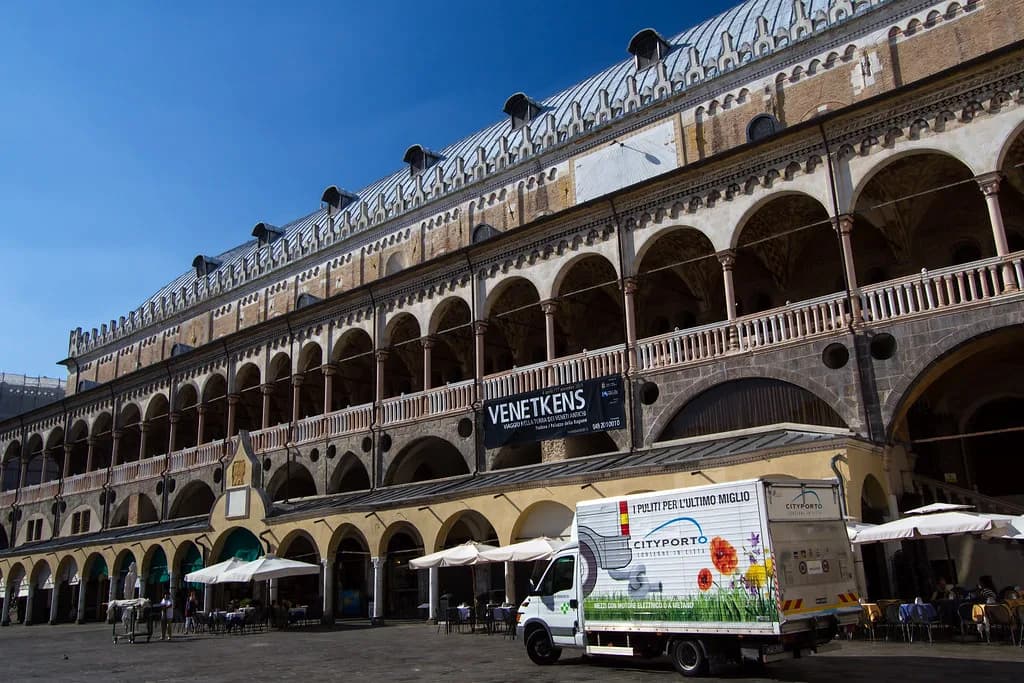
The Palazzo della Ragione offers one of the most generous rain refuges in the city: a vast medieval hall under a single roof. Its scale means you can spend a substantial stretch of a wet afternoon inside without feeling you are sheltering in a corridor. The frescoed interior is the draw, and the building's history gives context to the squares you will cross to reach it. A rainy-weekend itinerary notes the hall and its frescoes as an indoor option that suits a wet afternoon.
Treat the palazzo as a separate ticketed interior rather than assuming it is bundled with the Scrovegni Chapel or any other city sight. Admission and opening details should be confirmed on the palazzo's own visitor information before you go. If you are planning a wet day around two paid interiors, check both independently so you are not caught out by a closure. See the Palazzo della Ragione Visitor Guide: Tickets, Frescoes & Tips for background on the building and its painted scheme.
Basilica of Saint Anthony and Prato della Valle
The Basilica of Saint Anthony is the obvious sheltered stop on the southern side of the centre, and a rainy day is a reasonable time to give it more attention than a passing look. Access arrangements for the interior are set by the basilica itself, so check its official information rather than assuming entry terms. Whatever the arrangement, plan the basilica as the indoor half of this pairing. A rainy-weekend itinerary lists the basilica among the city's central landmarks worth visiting in poor weather.
Prato della Valle, by contrast, is an open-air square and should be treated as an exposed stop, not a shelter. On a wet day it works best as a brief look between indoor visits, or as a drier-weather target. If the rain is steady, see it from the edge and save the circuit for another time. A rainy-weekend itinerary describes the square as a scenic outdoor landmark, which confirms it is not an indoor refuge.
Piazza dei Signori and an Evening Loop
Piazza dei Signori is the natural focus for a short evening loop when the rain eases. The square's architecture and street lighting make it a pleasant place to end a wet day, and a circuit of the surrounding streets is short enough to attempt on a whim. Go with an umbrella and a willingness to turn back rather than a fixed route. A rainy-weekend itinerary suggests a leisurely evening stroll there when the rain subsides.
Keep the walk short and the indoor rewards close together. Pair the piazza with a trattoria or osteria nearby rather than trekking across the city for a specific address. That way a sudden downpour costs you a few minutes rather than the evening. A rainy-weekend itinerary pairs the square with the city's trattorias and osterias, so treat the two as a single block rather than separate trips.
Museums and Family-Friendly Indoor Options
Esapolis, Padua's living museum of insects, silkworms and bees, is the standout family option when the weather turns. It is mentioned in a roundup of child-friendly rainy-day museums in Italy, and its subject matter keeps curious children engaged for longer than a general history collection might. Confirm current opening days and ticket arrangements directly with the museum before promising children a visit.
Beyond Esapolis, the rainy-day playbook for Italy includes historical libraries and bookshops, indoor play centres, aquariums and expo halls. Padua's own version of this list is narrower, so mix one big indoor attraction with a low-key stop such as a bookshop or cafe. Families should budget for a midday break rather than pushing straight through from morning to dinner. The Italy-wide rainy-day guide lists libraries, bookshops and play centres as fallbacks when the weather turns.
Museums across Italy vary in their opening days, and civic collections can close on particular weekdays or run reduced hours outside high season. Check the specific museum's official page for the date you plan to visit, and keep a second indoor option in reserve.
Warm-Up Breaks: Cafes, Trattorias and Cooking Classes
Historic coffee houses, patisseries and trattorias are not filler on a wet day; they are the anchors that make the rest of the plan bearable. The rainy-day guide suggests visiting Italy's historic coffee houses, patisseries and trattorias as a way to sit out bad weather. Padua's culinary scene gives you hearty Veneto fare, and a long lunch is a legitimate way to sit out the worst of the rain. Build at least one warm indoor break into every rainy-day plan.
Cooking classes appear on general lists of rainy-day activities in Italy, and they solve the problem of a whole afternoon that would otherwise be spent dodging showers. Book through a provider you can verify, and confirm the meeting point and duration directly rather than relying on a third-party listing. This is also a good option for groups who want a shared activity instead of a museum.
Beyond the City: Thermal Baths in the Euganean Hills
When rain settles in for more than a day, leaving Padua becomes a reasonable decision rather than a defeat. The Italy-wide rainy-day guide notes that thermal baths are usually a great place for children to swim with their parents, but also cautions that some spas may have age restrictions. It names Abano Terme and Montegrotto Terme in the Euganean Hills as spa towns. Treat these as options to research, not as confirmed itineraries with verified opening details.
Thermal bath complexes often have their own age policies, booking systems and seasonal schedules, and none of that is confirmed here. Check each establishment's official site for access rules and current availability before travelling. For families, ask specifically about children's access, since spa and thermal facilities can differ sharply on this point.
If you would rather stay closer to the city, use the wet day to plan a longer trip later in the week instead. Our Padua day trips guide can help you weigh options once the forecast improves.
Practical Rain Kit and Timing Tips
Pack for drizzle rather than downpour: a compact umbrella, a light waterproof layer and shoes that cope with wet cobblestones. The rainy-day guide notes that Italian rain can clear within hours, so a flexible plan beats a rigid schedule. Keep your phone charged for forecast checks and for any booking confirmations you need to show.
The same guide suggests practising riposo, the traditional midday slowing of Italian towns, as a rainy-day activity. Use that window for a long lunch or an indoor attraction rather than expecting every small shop to be open. Start with a forecast check in the morning and decide whether the day is a portico-and-chapel day or a museum-and-spa day.
A quick look at the city's official portal is a sensible first check for local notices and civic information before you set out. Combine that with each venue's own page, and you will have a more reliable picture than any single guide can give you.
Suggested Rainy-Day Plans by Duration
For a half day, start under the porticoes with a coffee stop, then commit to one major interior such as the Scrovegni Chapel or the Palazzo della Ragione. Finish with a long lunch or a patisserie break rather than squeezing in a second ticketed sight. This shape is an editorial suggestion, not an official itinerary, and it assumes you have secured your chosen interior's slot in advance.
For a full day, pair two indoor anchors with a warm midday break and keep the walking between them short. A morning chapel visit, an afternoon in the Palazzo della Ragione or a museum, and an early evening loop around Piazza dei Signori is realistic if the rain stays light. If it does not, drop the evening loop and add an indoor stop instead. The city's hidden gems include quieter squares and corners that can fill a slower afternoon when the rain eases.
Plan Your Visit
Padua rewards a wet-weather visitor who plans in two layers: free shelter under the porticoes and squares, and one or two paid interiors booked and confirmed in advance. Keep the day flexible, put a warm break in the middle, and check each venue's official page for current hours and access rules.
If rain persists, the Euganean Hills spa towns and a broader look at the region's day trips give you a reason to leave the city rather than wait it out. Either way, confirm details directly before you travel and treat suggested timings as a starting point. For related planning, see Hidden Gems in Padua.
Frequently Asked Questions
What are the best indoor things to do in Padua when it rains?
The Scrovegni Chapel and the Palazzo della Ragione are the two strongest indoor anchors, alongside the Basilica of Saint Anthony and the Musei Civici agli Eremitani. Families can add Esapolis, the living insect museum. Check each venue's official page for current opening days and access arrangements before you go.
Can you stay dry walking around central Padua under the porticoes?
Largely yes. Padua's covered walkways let you move between parts of the historic centre while staying mostly sheltered, and walking under the porticoes is a common rainy-day tactic in Italy. They do not connect every destination, so expect short exposed crossings between squares and doors.
Is the Scrovegni Chapel a good rainy-day visit?
Yes, because the visit is entirely indoors and the frescoes reward unhurried attention. It is a separately managed ticketed interior, so confirm current booking requirements and entry arrangements directly with the chapel rather than assuming it shares a ticket with anything else.
What should families do in Padua on a wet day?
Esapolis is the obvious child-friendly indoor choice, and pairing it with a warm lunch break keeps the day manageable. Italy-wide rainy-day advice also suggests libraries, bookshops and indoor play centres as fallbacks. Confirm opening days with each venue, since schedules vary.
Is it worth leaving Padua for thermal baths when the weather is bad?
When rain settles in for several days, the spa towns of Abano Terme and Montegrotto Terme in the Euganean Hills are a sensible change of scene. Facilities differ in age policies and booking systems, so check each establishment's official information before travelling, especially with children.
How long should you plan for a rainy day in Padua?
A half day built around one major interior plus a long lunch is realistic, while a full day can take in two indoor anchors and a short evening loop if the rain eases. These are suggestions rather than official recommendations, so adjust to forecasts and to the slots you actually secure.
Sources
Continue exploring
More guides you'll find useful