Best Time to Visit Padua: Planning Around Crowds and Timed Entries
Plan Padua around Italy's shoulder seasons, book the Scrovegni Chapel's timed entry early, and slot guided interiors like Palazzo Bo into calmer mornings.
On this page
Padua does not have a citywide crowd problem. The pinch points are specific: a timed-entry fresco cycle, a few paid interiors and guided-tour-only spaces at the university. Timing a visit well is less about finding an empty month and more about matching your days to Italy's seasonal rhythm and booking the bottlenecks before you arrive.
A ticket guide for the Scrovegni Chapel notes that entry is regulated and the number of visitors per time slot is limited, which makes advance booking almost essential in high season. That single constraint should shape more of your planning than any general month-by-month crowd chart.
What Actually Shapes Crowds in Padua
Padua is a university city with a compact historic centre, so everyday foot traffic spreads across arcaded streets and squares rather than queuing at one gate. The exception is the chapel, where slots are limited and booked in advance. Beyond that, how busy the city feels depends on the day of the week, on what else is happening in the Veneto, and on your own timing within a day.
The city council's official portal publishes municipal notices that can affect access and events, while the city tourism office maintains pages for individual monuments with current opening arrangements. A quick check of those two before you lock an itinerary is more reliable than reusing an old blog post.
What no reliable source will give you is a tidy list of which specific weeks in Padua are quietest. Treat promises of a secret empty month with caution and build flexibility into your dates, especially if Giotto's frescoes are the reason for the trip.
Italy's Shoulder-Season Logic Applied to Padua
Italy-wide advice points to the shoulder seasons, April to May and September to October, as the best compromise between pleasant weather and thinner crowds. Those months bring longer daylight hours and milder temperatures, though late April and early May can be rainy and the second half of October can turn foggy. Padua sits on the northern plain, so pack a waterproof layer and expect cooler evenings even when afternoons feel warm.
For a city break, the practical translation is simple: aim for mid-spring or early autumn and use the extra daylight to move between the chapel, the squares and Prato della Valle without rushing. If your dates are fixed by flights or work, spring and autumn still tend to be gentler than high summer heat.
Shoulder season is not the same as empty. The chapel still runs on timed entry in April, so the same booking discipline applies. Reserve your slot first, then arrange the rest of the day around it.
Summer in Padua: Heat, Local Rhythms and Hill Escapes
Summer in the Veneto can be genuinely hot, with temperatures that climb well beyond comfortable for walking between monuments at midday. Italians often shift sightseeing to mornings and evenings and take a long midday pause, and Padua rewards that pattern because its arcades and squares are at their best early and late. Carry water, wear a hat, and plan a siesta-shaped break instead of powering through.
One way to soften a summer visit is to pair city days with the Euganean or Berici hills, which the season guide names as nearby green escapes from Venice, Padua and Vicenza. The hills offer cooler air and walking, so you can alternate a fresco morning with an afternoon outdoors. Check transport options yourself, since the same source's train figures are general rather than a live schedule.
Northern Italy can also produce sudden thunderstorms, especially from late July into August, according to the same guide. Build in a wet-weather alternative such as a museum interior, and keep the chapel booking flexible if your ticket terms allow changes.
Late Autumn, Winter and Early Spring: Shorter Days, More Care
Outside the shoulder months, Padua becomes a city of shorter days and quieter streets, which suits travellers who prefer atmosphere over beach weather. The trade-off is that some sites close over lunch. The Abbey of Santa Giustina, for example, publishes daily hours that include a long midday closure, so a mid-afternoon arrival may find the doors shut.
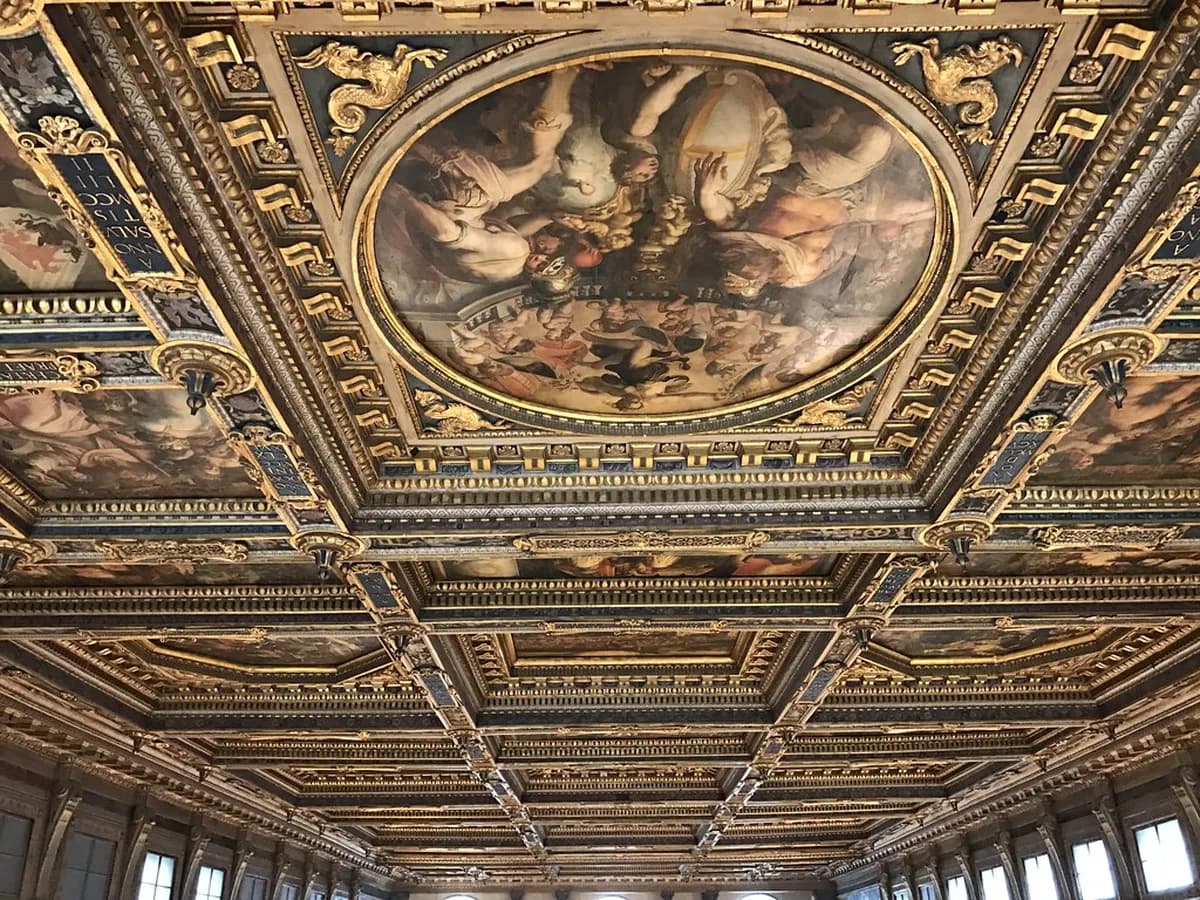
Winter is a good time to see frescoes and university interiors without summer heat, but confirm that the specific rooms you want are open. The university's own visitor page explains that Palazzo Bo and the Anatomical Theatre are seen on guided tours, and that some spaces open only on certain days, so check before building a day around them.
If cold weather is a concern, lean on indoor sights, the city's covered markets and its cafés. A chilly or wet day is a fair excuse to slow down, and Padua has enough churches and museums to fill it without queuing outdoors. For wider planning, see Padua on a Rainy Day.
The Scrovegni Chapel Is the Real Bottleneck
Giotto's fresco cycle is the one Padua sight where a good plan can be derailed by a late decision. The ticket guide recommends booking online in advance to secure your preferred time rather than turning up on the day, and it notes that a basic ticket covers the chapel while other options add audio guides, guided tours or combined city experiences. Confirm current inclusions on the operator's booking page, since package contents change.
Prices and exact hours change, so verify them on the official ticket channel when you book. Treat the principle of limited timed entry as reliable, but confirm the current slot mechanics with the operator rather than quoting figures from older articles.
Build the rest of the day around your slot. A morning entry pairs well with the nearby civic museums or a walk through the old centre; a late-afternoon entry frees the morning for the university or the botanical garden, leaving you relaxed on arrival.
Free Versus Paid: Which Padua Stops Need a Ticket
Padua mixes free churches and squares with paid interiors and guided-tour-only spaces, and confusing the two leads to over-budgeting or disappointment. The city tourism page lists free entry at the Abbey of Santa Giustina, while noting that certain inner spaces, including the fourteenth-century Chapel of St. Luke, the fifteenth-century wooden choir and the Antesacristy, require an authorised guide. That distinction matters on a tight budget or a short trip.
Palazzo Bo is a guided-tour proposition: the city tourism page lists full and reduced ticket tiers, and the university's page confirms that visits run through guided tours of the historic campus. The Loggia and Odeo Cornaro is another small paid site, and its city page sets out hours that differ between the summer and winter seasons. Check both pages for current figures before you set a budget.
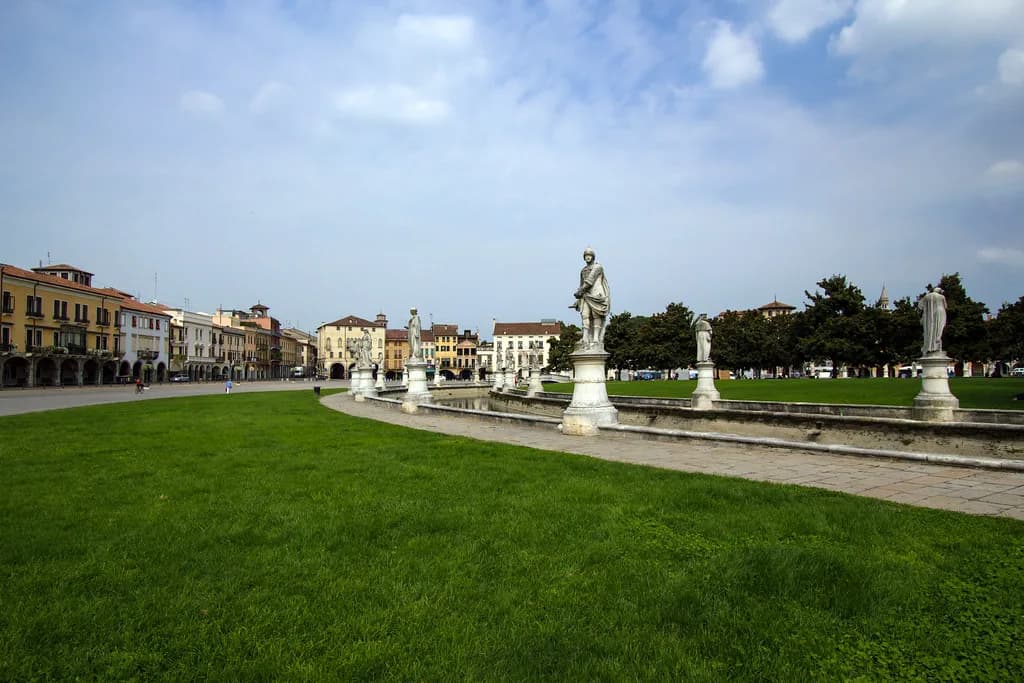
Free squares such as Prato della Valle and the market squares cost nothing and are always open, so they make good buffers around ticketed stops. If you are deciding where to base yourself, the Neighborhoods Guide: Where to Stay by Vibe and Budget can help you pick an area that keeps walking distances short.
A Slow Half-Day in the South of the Centre
The southern edge of the historic centre, around Prato della Valle and Santa Giustina, is a natural slow half-day. Start at the abbey when it opens, explore the free basilica, then walk across the square. Because of the midday closure, plan the abbey for the morning or late afternoon and use the middle of the day for lunch or a museum.
This area also holds some of Padua's calmer corners, which is why it features in our hidden gems in Padua guide. The point is not secrecy but pacing: fewer people, more space, and a chance to look at the architecture without a crowd behind you.
Check current opening arrangements before you go, since liturgical events can restrict access to parts of the building. The city tourism page and the abbey's own contacts are the places to confirm.
University Sights and Small Renaissance Gems
Palazzo Bo and the Anatomical Theatre are among Padua's most distinctive interiors and also among the easiest to misplan. Visits run as guided tours, and some rooms may be unavailable because of academic events, so book the tour that fits your dates rather than assuming you can walk in.
The Loggia and Odeo Cornaro is a smaller Renaissance site with eccentric frescoes and a short visit, which makes it a good lower-traffic addition after the bigger sights. Its seasonal opening pattern means a winter afternoon needs an earlier start than a summer one, so check the city page's hours for your month.
For a broader overview of what else is worth your time, the Padua Attractions hub collects visitor guides to individual sights so you can match opening constraints to your interests.
Day-Tripping from Venice or Staying Over
Padua is a natural add-on to a Venice trip, but timed chapel entry and midday closures make a rushed visit fragile. An overnight stay lets you take an early or late slot and still see the university or the abbey without racing the clock, and it gives you an evening in the squares once the day-trippers have gone.
If you are combining Padua with other Veneto towns, use the city as a base for short excursions. Our Day Trips from Padua: Nearby Excursions guide covers options such as hill towns and walled centres, and it helps to check each destination's own opening days before committing.
Transport schedules change with the season, so confirm them with the operator rather than relying on general figures in travel blogs, especially if you plan to return to Venice the same evening.
A Sample Quieter Day, With Suggested Durations
This is a suggested rhythm, not an official itinerary. Start early with a half-hour walk through the markets and squares, then head to your pre-booked chapel slot, allowing about an hour including the introductory film and entry procedure. Follow it with a coffee and a slow look at the civic museums next door. For wider planning, see Padua Local Food Guide: What to Eat and Where.
In the late morning, walk south to Santa Giustina and Prato della Valle, spending 45 minutes to an hour before the abbey's lunchtime closure. Break for lunch, then use the early afternoon for a guided Palazzo Bo tour or the Loggia and Odeo Cornaro, depending on what is open that day. End with an aperitivo in Piazza delle Erbe or Piazza dei Signori.
With only one day, this outline maps closely to our Padua in One Day: Itinerary for First-Time Visitors, which sequences the main sights by walking distance. Adjust it around your actual ticket times rather than forcing the sequence.
Practical Prep Before You Travel
Re-check opening hours in the week before you travel. The city tourism pages list current times for Santa Giustina, Palazzo Bo and the Loggia and Odeo Cornaro, and those are more reliable than older blog posts. If a page has not been updated recently, call or email using the contact details listed.
Dress respectfully for churches, with shoulders and knees covered as the safe standard. Carry a light layer for cool church interiors and a waterproof for shoulder-season showers.
Finally, keep plans flexible. Padua rewards a slower pace, and the best visits often happen when you leave a gap between ticketed stops rather than sprinting between them. For family travel, see Padua with Kids: Family-Friendly Activities.
Plan Your Visit
The best time to visit Padua depends less on a secret quiet month and more on how you handle the few places that require planning. Aim for the shoulder seasons if you can, book the Scrovegni Chapel as soon as your dates are fixed, and check the city's own pages for the interiors you want to see.
Build a day with buffers: a timed slot, a free square, a guided tour and a long lunch. That rhythm suits Padua's scale and keeps the crowds from dictating your pace.
Frequently Asked Questions
When is the best time to visit Padua to avoid crowds?
Italy-wide advice points to April to May and September to October as shoulder seasons with milder weather and thinner crowds. Use those months as a starting point, and book timed entries early, since the chapel stays on timed entry in spring and autumn too.
Do I need to book the Scrovegni Chapel in advance?
Yes. Entry is regulated and the number of visitors per time slot is limited, so a ticket guide recommends booking online ahead of time. Availability on the day is not guaranteed, especially in high season.
Is Padua worth visiting in summer?
Yes, but plan around the heat. Sightsee in the morning and evening, take a midday break, and consider pairing city days with the Euganean or Berici hills for cooler air. Sudden thunderstorms are possible in northern Italy in late summer.
Which Padua sights are free to enter?
The Abbey of Santa Giustina is listed as free to enter by the city tourism page, though certain inner spaces, including the Chapel of St. Luke and the wooden choir, require an authorised guide. Squares such as Prato della Valle are open public spaces. Palazzo Bo and the Loggia and Odeo Cornaro are paid or guided-tour sites.
How long do you need in Padua?
A focused day covers the Scrovegni Chapel, the main squares and one or two churches. Two days let you add the university, a museum and a slower walk through the southern centre without rushing between timed entries.
Is Padua a good day trip from Venice?
It is a common add-on to a Venice trip, but timed chapel entry and midday closures make an overnight stay more comfortable. Staying over lets you take an early or late slot and still see the university or the abbey.
Sources
Continue exploring
More guides you'll find useful