Free Things to Do in Matera: Sassi Walks, Viewpoints & Churches
Plan a budget visit to Matera with free Sassi walks, belvederes and churches that cost nothing, plus a clear line between free sights and paid cave museums.
On this page
Matera rewards travellers who spend little, because the headline attraction is the city itself. The two stone districts known as the Sassi are neighbourhoods you simply walk through, not a gated site with a turnstile, and the same goes for most of the terraces that look out over them. That means a satisfying visit can be built almost entirely from free movement, free views and free-entry churches.
The catch is knowing where free stops and paid starts. Cave-house museums, multimedia history exhibits, the underground cistern and many rock-church interiors sit behind a ticket, and none of them shares a single combined pass. A little planning keeps the budget tight without skipping the context that makes the stones legible.
What Is Actually Free in Matera
Start with a simple rule: horizontal space is free, interiors usually are not. Wandering the alleys of Sasso Barisano and Sasso Caveoso, climbing their stairways and standing at the public belvederes costs nothing and has no closing time. Churches are the exception to watch, because some are free to enter while others, especially the rock-hewn ones, are ticketed.
Treat any specific admission figure you read online as a starting point rather than a guarantee. Local operators publish tour offerings and routes, but not a consolidated price list for every monument, so confirm costs at each entrance or on the official city tourism channels before you commit. The same caution applies to opening days, which vary by site and season.
A realistic free day looks like this: a long morning walk through both Sassi, two or three viewpoints, one or two free churches, and a picnic or a simple lunch. Add a single paid sight only if a particular subject interests you, such as the city's twentieth-century history or contemporary sculpture.
Walking the Two Sassi: Barisano and Caveoso
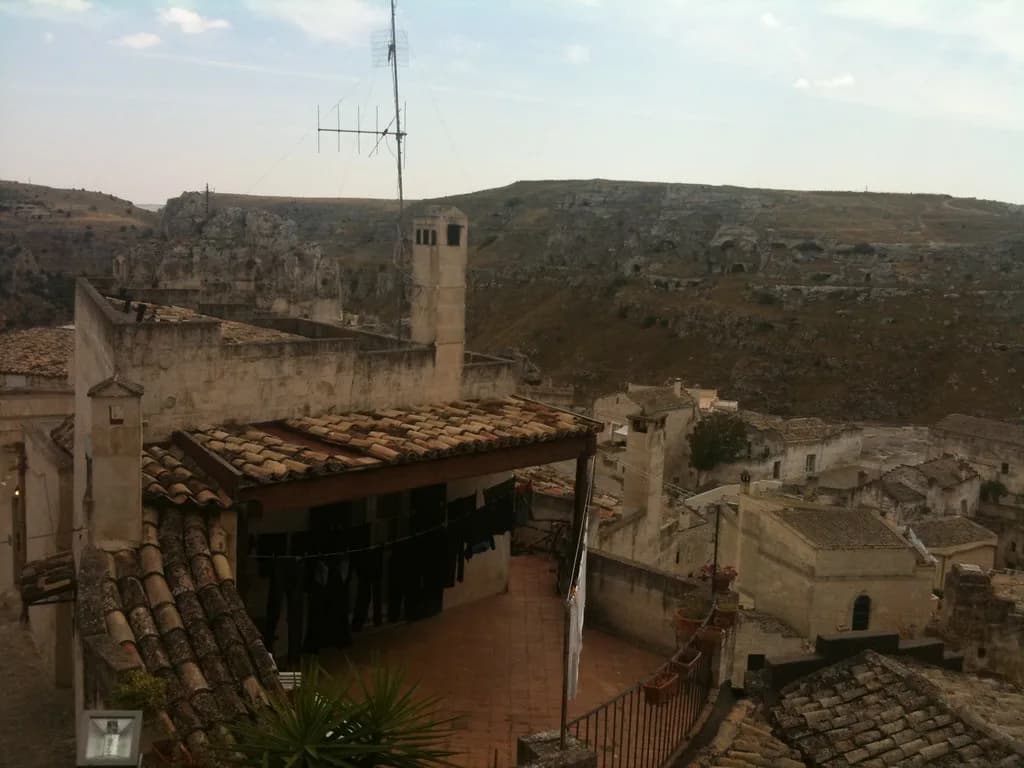
The Sassi divide into two districts with different characters, and the contrast is the reason to walk both. Sasso Barisano is the more polished of the pair, with many caves converted into hotels, restaurants and shops, while Sasso Caveoso retains more abandoned cave houses and feels rougher underfoot. Neither has an entry fee.
Budget two to three hours for an unhurried loop, and treat that as a suggested duration rather than an official figure. The terrain is the real constraint: Matera is compact but steep, with constant stairs, so good shoes matter more than a detailed plan. Pick the Gravina gorge as your lower landmark and the cathedral spire as your upper one, and you can wander without staying glued to a map.
If you would rather follow a route than improvise, a self-guided walk through the Sassi keeps the cost at zero while giving the day some structure. It also helps you notice details, such as how drainage channels and cisterns were cut into the rock, that a casual stroll would miss.
Free Viewpoints and Belvederes
Viewpoints are the cheapest itinerary spine in Matera, and several are public and free. The Belvedere Luigi Guerricchio, known as Tre Archi, sits by Piazza Vittorio Veneto next to the tourist office and gives a wide panorama over the rock city. The area around Piazza Duomo provides another high vantage point, and a small lookout beside the church of San Pietro Caveoso faces the canyon.
Light changes which terrace works best. The viewpoint in front of the rock church of Santa Maria di Idris is at its best in the morning, when the sun lights the Sassi and few people are about, while the rear of that church looks toward the ravine and photographs better later in the day. Plan your loop so you are high up in the morning and down by the gorge in the afternoon.
For the classic postcard view back at the whole city, the opposite plateau of the Murgia is the answer, reached on foot from town. That walk costs effort rather than money, and the Belvedere di Murgia Timone is the usual target. Check locally on the day about paths, river crossings and any transport up, since access arrangements change with season and weather.
Free Churches Versus Paid Rock Churches
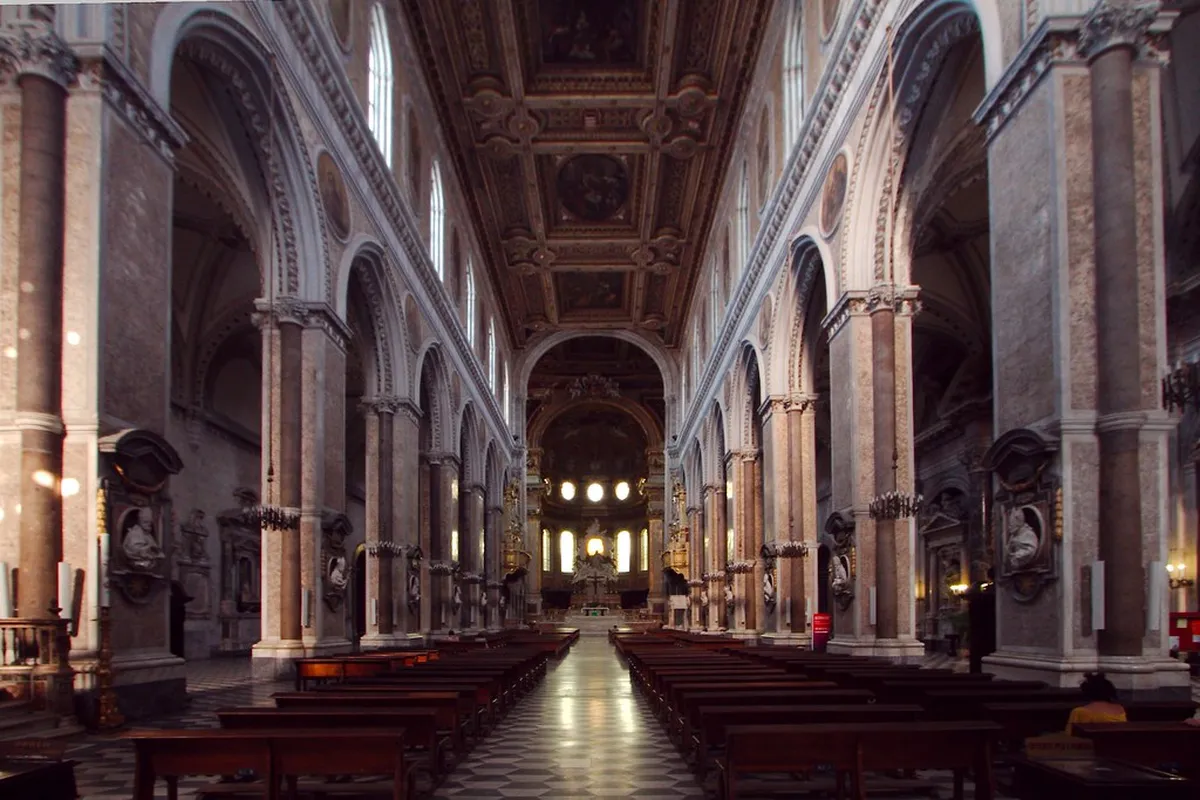
Several ordinary churches in Matera are reported as free to enter, including San Pietro Caveoso on the canyon edge, San Giovanni Battista a short walk from Piazza Vittorio Veneto, and San Francesco d'Assisi in its busy square. San Pietro Caveoso is worth stepping inside for its ceiling, and the little piazza in front doubles as a free viewpoint. Confirm current access at the door, as arrangements can change.
Rock churches work differently and generally charge for entry, so do not assume one ticket covers a group of them. Santa Maria di Idris, carved into the cliff, and the older San Pietro Barisano are the type of site where a fee applies, and travelers have reported combined tickets for multiple rock churches as a way to reduce the total. Ask at the first ticket desk what is currently included.
Photography rules differ too, and at least one rock church prohibits pictures inside, so leave the camera expectations at the door. If your budget only stretches to one paid interior, choose by subject: rock-church frescoes, cave-dwelling life, city history or modern sculpture. These are separate collections with separate admissions.
Piazza Vittorio Veneto and the Cistern From Outside
Piazza Vittorio Veneto is the free social heart of the visit. Locals and travellers share the cafes, the Tre Archi viewpoint is right there, and the square gives you a base for people-watching without ordering anything more than a coffee. It is also where the entrance to the underground cistern, the Palombaro Lungo, is found.
The cistern itself is a ticketed visit, a large water chamber cut into the soft rock and often described as a cathedral of water, and it is one of the reasons the Sassi hold World Heritage status. If the entry fee does not fit the budget, reading about the city's water system before you arrive still makes the square more interesting, and you lose nothing by admiring the setting from above ground.
A Murgia Materana Walk Across the Gravina
The walk across the Gravina di Matera to the Murgia plateau is free in the sense that no gate charges you, but it asks for time, water and proper footwear. A circuit taking in the gorge, the suspension footbridge known as the Ponte Tibetano and the plateau above typically runs two to three hours, depending on how many rock churches you stop at.
Treat the route as a half-day commitment rather than a quick add-on. The descent into the gorge is steep and can be slippery, and the plateau is exposed, so sun protection and a litre or two of water are not optional in warm months. Check current path conditions and any transport up to the plateau locally before setting out.
Timing Tactics: Early Mornings and Blue Hour
Matera's atmosphere is free, but its timing is not random. Early morning brings near-empty lanes before group tours arrive, and the stone surfaces are cooler for climbing stairs. The blue hour after sunset, when the facades glow warm against a dark sky, is arguably the best free spectacle in the city.
Summer heat changes the plan. The stone stores warmth and the city can become uncomfortable by midday, so shift the long Sassi walk to the morning and keep the afternoon for shade, churches and the square. Spring and autumn are easier on the legs, while summer demands an earlier start and a slower pace.
Getting There Cheaply From Bari
Most budget arrivals come through Bari, roughly 60 kilometres away in neighbouring Puglia. The trade-off is simple: a bus is the faster, more direct ride but drops you around two kilometres outside the centre, leaving a taxi or a long uphill walk, while the Ferrovie Appulo Lucane train is slower and sometimes requires a change at Altamura but finishes a short walk from the old town.
The train is the choice that saves your legs for the stairs, and the FAL station in Bari is separate from the main Bari Centrale building, which confuses plenty of first-time visitors. Check current timetables and fares directly with the operator rather than relying on older figures, and keep your ticket handy if the station uses barriers.
Drivers face a different cost: the Sassi sit inside a restricted traffic zone, cameras enforce it, and fines are heavy. Park outside the old town, ask your accommodation which lots they work with, and walk in. Parking rates and zone boundaries change, so confirm them with your host rather than trusting a blog post.
Where Free Stops and Paid Add-Ons Begin
Once the free walking is done, paid sights are optional extras that add context. Casa Noha uses a short film to explain the city's history, cave-house museums recreate everyday life before the Sassi were abandoned, MUSMA places contemporary sculpture inside a palace and its caves, and the rock churches protect frescoes in situ. Together they answer different questions, and none covers the others.
Choose by curiosity, not by completing a checklist. If you have one paid slot, Casa Noha is a sensible first stop because the history makes everything you walk past afterwards more legible, while a cave-house museum suits anyone interested in domestic life. Fees and opening days change, so check each site's own notice on arrival.
If the free formula works for you, a three-day itinerary gives the budget space to breathe, mixing long free walks with one or two paid interiors and a Murgia hike. That pacing keeps costs low while avoiding the rushed feel of a day trip.
Practical Budget Tips for a Free Day
Wear shoes with grip, carry water and expect stairs everywhere, because the Sassi are built into a hillside rather than laid out flat. Fill a bottle at public fountains where available, buy picnic supplies in town, and keep small change for the occasional church contribution box.
Keep some cash or a card for the one interior you really want, and decide that before you set out rather than on impulse at every doorway. If you plan to use the cathedral as a landmark on your route, its visitor arrangements are worth checking rather than assuming, and the same applies to any church you want to see inside.
Finally, resist the idea that Matera is a hidden place. It has drawn crowds since its UNESCO listing and its stint as European Capital of Culture in 2019, so free tactics such as early starts matter more than finding unvisited corners. Our hidden gems guide covers quieter lanes and less obvious details for anyone wanting a slower rhythm.
Plan Your Free Matera Visit
Matera is one of Italy's best budget cities because the main attraction has no ticket window. Build the day around walking both Sassi districts, stringing together the Tre Archi, Piazza Duomo and San Pietro Caveoso lookouts, and stepping into the churches that welcome visitors without charge.
Spend only where it adds meaning, confirm every entry fee and opening day at the source, and time your long walk for the morning and your photography for the blue hour. Done that way, the stones cost little and give back an enormous amount.
Frequently Asked Questions
Is Matera free to visit?
The city itself is free to walk through, and there is no ticket to enter the Sassi districts or the public viewpoints. Individual sights, including cave-house museums, the history exhibit at Casa Noha, the Palombaro Lungo cistern, MUSMA and most rock churches, charge admission separately. Check current fees at each entrance.
Are the Sassi di Matera free to walk around?
Yes. Sasso Barisano and Sasso Caveoso are lived-in neighbourhoods with public lanes and stairways, so you can explore them on foot without paying. Expect steep steps and uneven surfaces, and remember that people live there, so keep noise down in the early morning.
Which churches in Matera have free entry?
Travelers have reported free entry at Chiesa di San Pietro Caveoso, Chiesa di San Giovanni Battista and Chiesa di San Francesco d'Assisi. Rock churches such as Santa Maria di Idris and San Pietro Barisano generally charge, and combined tickets for several rock churches may be available. Confirm at the door before entering.
Can you see Matera in one day on a budget?
You can cover the two Sassi districts, two or three viewpoints and a free church in a single day without spending on admission. One night is better if you want the quiet early morning and the blue hour, and a second day gives room for a Murgia walk or one paid museum.
What is the best free viewpoint in Matera?
Tre Archi, next to Piazza Vittorio Veneto, is the easiest free panorama and works well at sunrise. The area around Piazza Duomo gives a higher view, and the lookout by San Pietro Caveoso faces the gorge. For the classic view back at the city, walk to the Murgia plateau opposite.
Do you need a ticket to enter the Sassi?
No. There is no entry ticket for the Sassi. Tickets are needed only for specific interiors and collections, such as the underground cistern, cave-house museums, multimedia exhibits and rock-church interiors, each with its own admission.
How do you get to Matera cheaply from Bari?
The bus is faster and more direct but drops you outside the centre, while the Ferrovie Appulo Lucane train is slower and may require a change yet arrives a short walk from the old town. Check current timetables and fares with the operator, since services change.
Is the Murgia Materana walk free?
There is no admission charge for hiking across the Gravina to the Murgia plateau, though it costs time and energy. The descent is steep, the plateau is exposed, and you should check local advice on paths and transport before setting out.
Sources
Continue exploring
More guides you'll find useful