Best Day Trips from Lucca: Pisa, Garfagnana, Villas and More
Plan the best day trips from Lucca: Pisa and Viareggio by train, Collodi, Montecarlo and the Garfagnana by car, plus quiet in-city garden stops.
On this page
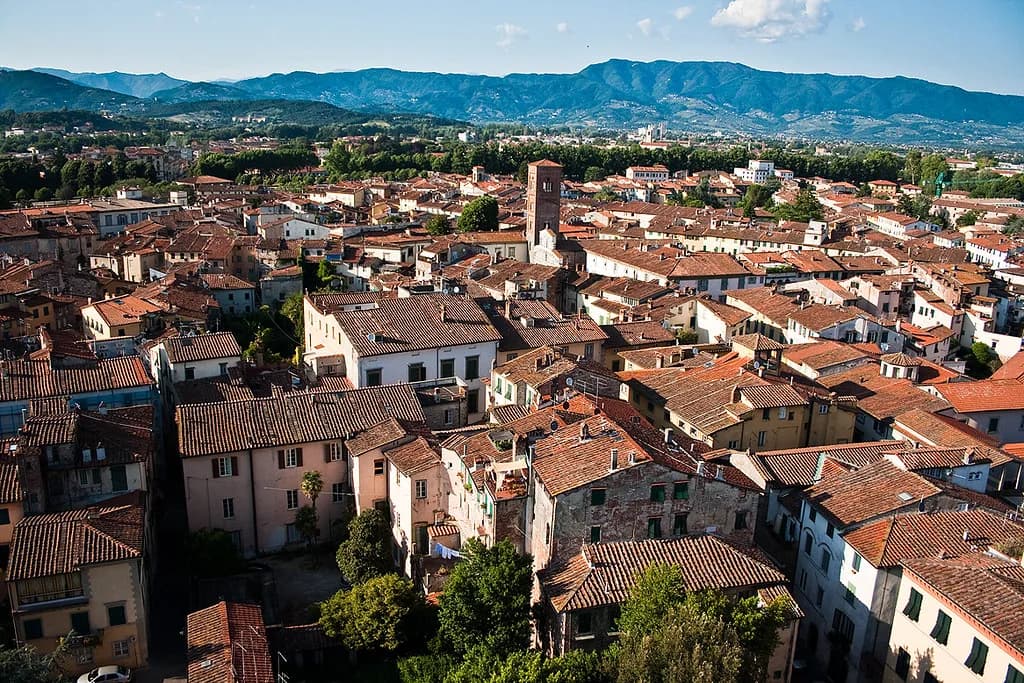
Lucca rewards travellers who treat it as a base rather than a single stop. The Renaissance walls form a pedestrian circuit of roughly four kilometres, so even a morning walk gives you a sense of the city's scale before you decide where to go next, and the compact centre means you can be at the station quickly.
The useful decision is not which destination ranks highest but which one fits your transport. Regional trains make Pisa and the Versilia coast straightforward, while hill towns and the Garfagnana reward a car. Everything below is organised around that split, with seasonal caveats where opening arrangements are not guaranteed.
Train or Car: Sorting Your Options
Think about three things before booking anything: how far you want to travel, whether you need a car at the other end, and how much daylight the season gives you. Pisa and Viareggio sit on regional rail lines and work without a vehicle, while Montecarlo's hilltop village and the scattered settlements of the Garfagnana are far easier with your own transport.
A half day suits one compact target: Pisa's Piazza dei Miracoli, a single walled garden, or a short village wander. A full day opens up wine country, the coast in summer, or a long loop into the mountains. If you are building a wider trip, the Lucca three-day itinerary shows how excursions and city time can share the same visit without cramming.
Note that the city's own sights, from the Torre Guinigi to the oval Piazza dell'Anfiteatro, are not day trips. Save them for the hours before or after an excursion, and treat the Torre Guinigi climb as a separate city activity rather than a substitute for leaving Lucca.
Pisa by Train: The Easy Half Day
Pisa is the most conventional choice from Lucca, and that is precisely why it works for a short outing. One guide to itineraries around Lucca puts the drive or regional train at roughly thirty to forty minutes and notes that Pisa can be appreciated in under a day, which makes it a sensible morning or afternoon rather than a full commitment.
On arrival, the Square of Miracles holds the Leaning Tower, the cathedral, the baptistery and the Camposanto, and the same guide advises buying tickets online in advance rather than queueing on the day. Treat tower access as a separate ticketed decision from simply walking the square, and check current availability and prices directly with the operator before you travel.
If you want a slower version, pair the square with a wander along the Arno instead of adding a second museum. Two ticketed interiors in one half day tends to produce a rushed visit, and the train back gives you no flexibility for overruns. Check departures before you set out, since timetables change by season.
Viareggio and the Versilia Coast
Viareggio gives you beaches, a promenade and a working coastal city rather than a museum checklist. The same Lucca-focused guide lists a thirty-five minute drive or a regional train of about forty minutes plus a short walk, and describes facilities such as pools, umbrellas, changing areas and restaurants along the seafront.
This is a warm-weather trip, so think about what you want from it before committing. A sunny afternoon on the sand is easy; a cool or wet day leaves you with a promenade stroll and not much else. Beach clubs and their charges are commercial operations, so confirm prices and availability with the establishment rather than assuming a public beach is free of charge.
Montecarlo and the Lucchesia Wine Country
Montecarlo sits in wine and olive country a short distance east of Lucca, and the small walled borgo includes the Rocca del Cerruglio, a fortress founded in the fourteenth century as a lookout against Florence. The guide to itineraries around Lucca gives a thirty-minute drive or a longer train-plus-walk option, which is worth weighing if you plan to taste wine.
Published visitor hours for the Rocca in that source are seasonal and limited, with weekday and winter visits requiring an appointment, so confirm the current schedule with the town before making it the centrepiece of your day. The same source names local estates that run cellar visits and tastings, but individual wineries set their own hours, booking rules and fees.
Driving is the practical choice if you intend to taste, with a designated driver or a booked driver solving the obvious problem. Many organised wine days leave directly from Lucca, and operators list options such as a half-day Chianti tasting or a combined San Gimignano and winery visit with lunch, with prices set per operator. Compare what each includes before booking, since group size and the number of wineries vary considerably.
Capannori and Villa Torrigiani
Capannori is a short hop from Lucca and gives access to one of the area's historic villas. Villa Torrigiani, first documented in the late sixteenth century and substantially restructured in the seventeenth, is described as a strong example of baroque architecture in Tuscany with gardens modelled on Versailles.
The same source gives an approximate drive of thirty minutes, or a bus journey of about an hour plus a walk, and records seasonal opening from early March to early November with a midday pause, a winter reservation system, and separate ticket levels for the park alone or park plus villa. Those figures are source-dated and may have changed, so check the villa's own published hours and ticket scope before you build a day around them.
The important planning point is ticket scope: gardens, villa interiors and any exhibition can be priced and timed separately, and a park ticket does not automatically admit you to the house. If you are travelling without a car, check the return bus times before you leave, because rural services thin out in the evening.
Collodi and Altopascio by Car
Collodi is the family-friendly option, built around the Pinocchio story and the gardens of Villa Garzoni. The Lucca itineraries guide gives a drive of about thirty minutes or a bus of roughly forty-five minutes and describes a park for children alongside a more formal historic garden, which makes it a good choice when some of the group is small.
Altopascio suits walkers more than sightseers. It sits on the Via Francigena, the pilgrim road that crossed this plain, and the guide recommends exploring the town and walking a stretch of the route in the spirit of medieval travellers. A twenty-five minute drive or a regional train of about thirty minutes makes it a low-effort half day when you want countryside rather than crowds.
Both destinations assume you can be flexible about time, so a car helps if you want to combine Collodi with a nearby village. If you rely on buses, plan one target rather than two and note that summer and school-holiday services often differ from winter ones.
The Garfagnana: A Car-Based Mountain Day
The Garfagnana is the green, mountainous region north of Lucca, and it rewards travellers who accept a longer day. The Apuan Alps rise sharply, hill villages sit above the valley floor, and walking opportunities range from short strolls to more serious hill routes. A car gives you the freedom to stop at a viewpoint or a village without waiting for a connection.
One natural anchor is the Grotta del Vento in the Apuan Alps, about an hour from Lucca according to the cave's own description, with guided itineraries of one, two or three hours and an opening pattern that runs all year. Prices, group sizes and route availability are set by the cave, so confirm them on its website and reserve if you want a specific tour length.
Read weather and road conditions before heading up, and remember that mountain driving means slower average speeds than the map suggests. If you would rather keep the day simple, a short loop with one village lunch and a walk is a better plan than trying to reach several valleys.
Slow Days Inside the Walls: Two Gardens
Not every day needs a train. Palazzo Pfanner, a baroque residence on Via degli Asili, has a garden attributed to Filippo Juvarra with statues, potted lemon trees and a central fountain, and the palazzo itself holds frescoed rooms and a museum of historic medical instruments. It is the only garden of real substance within the walls according to Lonely Planet, which makes it a natural slow afternoon.
The palazzo's own site states that the garden opens from mid-March to the end of December, with exceptions for special openings and closures, and sells a combined garden and museum ticket. Because hours and prices change, check the official page on the day rather than relying on older visitor reports, which quote different figures and inconsistent seasonal hours.
The Orto Botanico di Lucca, founded in 1820, occupies a corner of the historic centre near the walls and holds mature trees, greenhouses, a pond and a botanical museum. Spring is its strongest season, when camellias and other flowering collections draw visitors, and a local guide notes that the garden's published hours should be confirmed on its website before going.
These two gardens are paid, ticketed sites rather than free public parks, and each prices its own combination of garden, house or museum. If you are spending several days in Lucca, the hidden gems in Lucca guide helps place them among the city's quieter corners without turning a garden visit into a full excursion.
Matching the Trip to Your Time
For a half day, choose Pisa's Square of Miracles or a single garden inside the walls, and keep one ticketed stop only. For a full day, pick either the coast in warm weather or the wine country around Montecarlo, and accept that a third stop will make the day feel rushed rather than rich.
On a wet or cold day, the walled gardens and the cave at Grotta del Vento both work, though they are very different experiences and the cave requires a longer drive. Families usually do better with Collodi or a short train ride than with a mountain itinerary, because tired children and winding roads are a poor combination.
If you are staying longer, a two-day itinerary lets you spend one day in the city and one on an excursion, which is usually more pleasant than compressing both into a single visit.
Practical Mistakes to Avoid
The most common error is assuming that seasonal opening dates published in a guide, even a good one, still apply this year. Garden hours, villa seasons and winery appointment systems move, so treat any specific time or season you read as a prompt to verify with the operator rather than a guarantee.
The second is assuming that one ticket covers everything on a site: a park, a villa interior and a museum can each be priced and timed separately. The third is over-stuffing the day. Two towns plus a garden plus a long lunch rarely fits comfortably, especially when you still need to return to Lucca before evening.
Finally, resist the temptation to add San Gimignano or the Cinque Terre as a casual extra. Both can be visited, but they involve far more travel time than Pisa or Viareggio, and organised day tours from Lucca are the realistic solution if you want them without driving.
Plan Your Visit
Lucca works best as a base for one clear excursion at a time. Take the train for Pisa and the coast, use a car for Montecarlo, Collodi and the Garfagnana, and keep one garden afternoon for the city itself when you want a slower pace without packing a bag.
Before any departure, confirm the operator's current hours, ticket scope and booking rules directly, and check train times for the day you travel. That single habit solves most of the surprises that turn a pleasant day out into a frustrating one. For wider planning, see Getting Around Lucca.
Frequently Asked Questions
What towns are worth visiting near Lucca?
Pisa and Viareggio are the simplest by regional train, while Montecarlo, Capannori, Collodi and Altopascio work well by car or bus. Further out, the Garfagnana villages north of the city reward a longer drive. Choose according to your transport rather than trying to cover several towns in one day.
What are the best day trips from Lucca without a car?
Pisa and Viareggio are the most straightforward because they sit on regional rail lines, and both can be done in half a day or a little more. Collodi and Capannori are reachable by bus but need more patience with timetables, so check return times before you leave. For wine country, a booked small-group tour avoids the driving problem entirely.
Can you visit San Gimignano as a day trip from Lucca?
It is possible, but the distance makes it a long day rather than a casual outing, and public transport connections generally require changes. Organised tours from Lucca that combine San Gimignano with a winery are the practical option if you do not want to drive. Compare what each tour includes and confirm the current schedule with the operator.
Is Pisa a good half-day trip from Lucca?
Yes. The journey by regional train or car is short, and Pisa's Square of Miracles can be seen in a few hours without rushing. Book tower and monument tickets online in advance, and check departure times so the return journey does not cut your visit short.
Do you need a car for the Garfagnana?
A car makes the Garfagnana far more comfortable, because villages and trailheads are spread across valleys and public transport is limited. If you prefer not to drive, consider a guided excursion or keep to one well-connected base. Mountain roads mean slower driving than the distances suggest.
Which gardens in Lucca are worth a slow afternoon?
Palazzo Pfanner's baroque garden and the Orto Botanico are the two obvious choices inside the walls. Both are ticketed sites with their own opening calendars and ticket combinations, so confirm current hours and what each ticket covers on the official websites before going.
Sources
- Tour from Lucca - BellaItaliaTour
- Day Trips & Itinerary Suggestions for Exploring around Lucca
- SPRING TREASURES: DISCOVER LUCCA’S BOTANICAL GARDEN IN FULL BLOOM - Paola Moschini
- Palazzo Pfanner - Lucca
- Palazzo Pfanner | Lucca, Italy | Attractions - Lonely Planet
- Beneath the Walls of Lucca and Inside the Grotta del Vento
Continue exploring
More guides you'll find useful