Genoa Neighborhoods Guide: Centro Storico, Castelletto, Foce and Albaro
A practical guide to Genoa's neighborhoods, from the UNESCO-listed historic centre to the hillside districts, and how each area shapes a slower visit.
On this page
Genoa is a vertical city, and where you sleep shapes every walk you take. The historic core sits low and dense, the hillside districts climb above it, and the eastern quarters stretch along the coast. Choosing an area is really a decision about how much climbing and crossing you want between breakfast and your first palace.
This guide focuses on four areas that frame most trips: the Centro Storico, the monumental Strada Nuova corridor inside it, Castelletto above the centre, and the eastern districts of Foce and Albaro. For Castelletto, Foce and Albaro the verified sources describe the city's layout rather than neighborhood character, so treat those sections as orientation and confirm specifics on the official tourism portal before you book.
How Genoa's Geography Shapes Neighborhood Choice
Genoa runs as a narrow coastal strip with a dense historic core pressed between the sea and steep hills. The official tourism portal presents the city through its museums, monuments, historic centre, theatres and guided walks, which reflects how concentrated the visitable core really is. Above and around that core, the municipality extends into districts that change the texture of a stay.
The city administration organises Genoa into municipi, the municipal districts used for local services and administration. That structure is useful for orientation, but it does not map neatly onto the tourist distinction between the old town, the hillside terraces and the eastern residential quarters. Read the municipi pages as an administrative map, then use tourism sources for what to actually see.
The practical consequence is that a short break concentrates almost entirely in the low core, where the main monuments cluster within walking distance. A slower stay can afford to base itself higher or further east and treat the centre as a day's outing. Travel literature on the region consistently frames Genoa around its regenerated waterfront and outdoors lifestyle, which helps explain why so much of the city's appeal sits outside a single square. Further visitor details appear in Genoa Travel Guide - Discover the best time to go, places....
Centro Storico: The Historic Core That Anchors Most First Visits
The Centro Storico is the obvious base for a first trip because the tourism portal treats the historic centre as one of the city's core attractions alongside its museums and monuments. Staying here means palaces, churches and squares are reachable on foot rather than through a daily commute. The trade-off is density: lanes are narrow, streets are busy, and a hotel on an upper floor may mean stairs before you have even left the building.
Plan the core as a walking day rather than a checklist of addresses. A route that links Strada Nuova with the surrounding lanes keeps you in the monumental heart without repetitive backtracking, and our old town walking route sets out one way to sequence it. Wear shoes suited to cobbles and stepped alleys, because even the flat-looking parts of the core include short climbs.
Not everything in the core is ticketed. Public lanes, squares and church exteriors can be wandered without a reservation, while palace interiors and museum collections are separate, individually ticketed visits. Keep that distinction in mind when budgeting time: an afternoon of free wandering and one paid interior is often a better day than five rushed interiors.
Strada Nuova and the Palazzi dei Rolli: The Monumental Heart
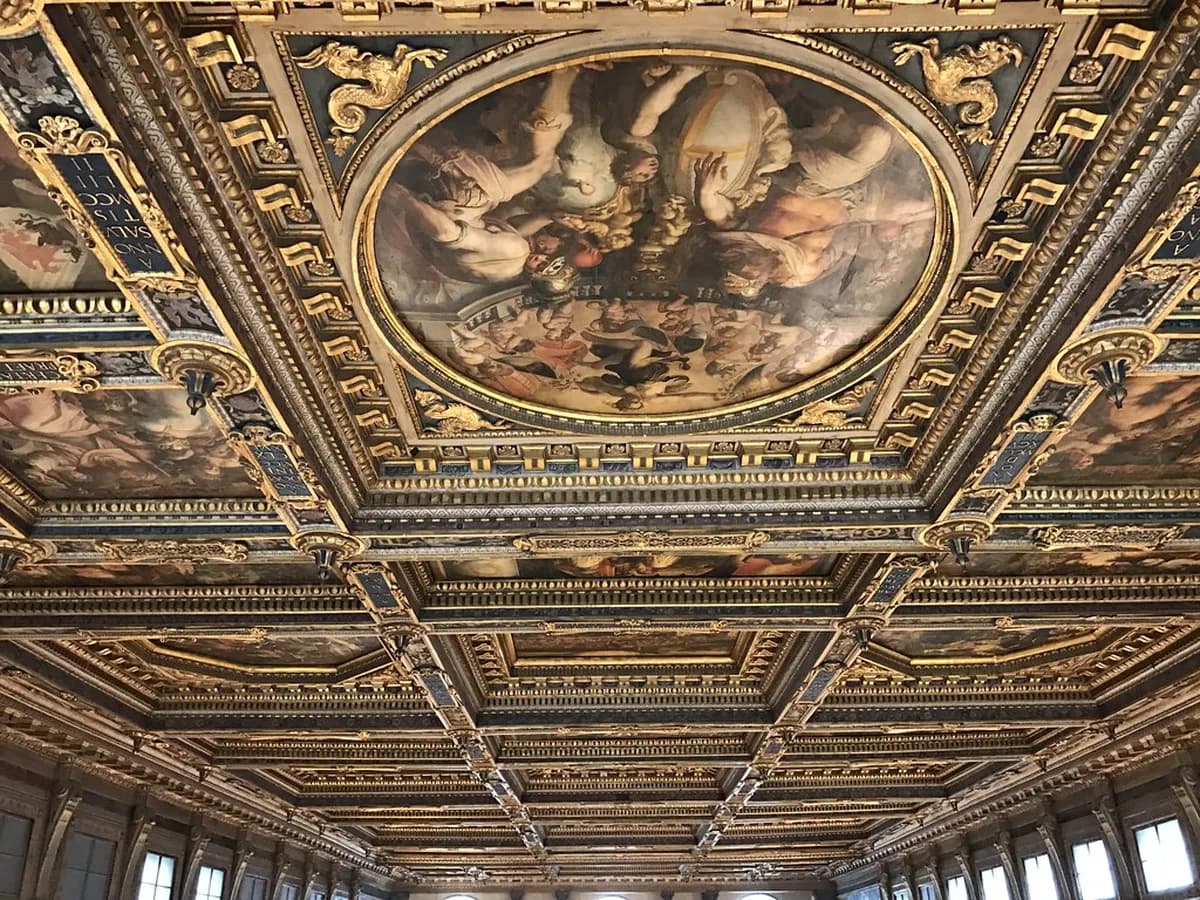
Strada Nuova and the Palazzi dei Rolli form the monumental core inside the old town, and the tourism portal describes them as Renaissance and Baroque masterpieces recognised as a UNESCO World Heritage Site. The same source notes that in 2026 the city marks twenty years since the inscription, with an anniversary programme, which explains the extra tours and events listed this year.
Individual palaces are documented separately on the portal, including Palazzo Rosso, Palazzo Bianco, Palazzo Reale, Palazzo Tursi, Palazzo Spinola and Palazzo Nicolosio Lomellino. Do not assume one ticket covers them all: the portal lists them as distinct entries, and each has its own visiting arrangements. Check each palace page before you go rather than planning around a single combined admission.
The anniversary programme includes a guided tour of the Rolli palaces presented as a special edition for the UNESCO anniversary. Schedules, availability and how to join are published by the organiser, so confirm current details on the portal before building a day around a specific departure. If a tour is full, the streets themselves remain free to walk and still deliver the architecture.
If palaces are the reason for your trip, our Genoa Attractions hub groups the city's sights into individual guides so you can match a palace to the time you have. Pairing one ticketed interior with a slow walk along Strada Nuova is usually enough for a half day without turning the visit into a queue.
Castelletto: The Elevated District Above the Centre
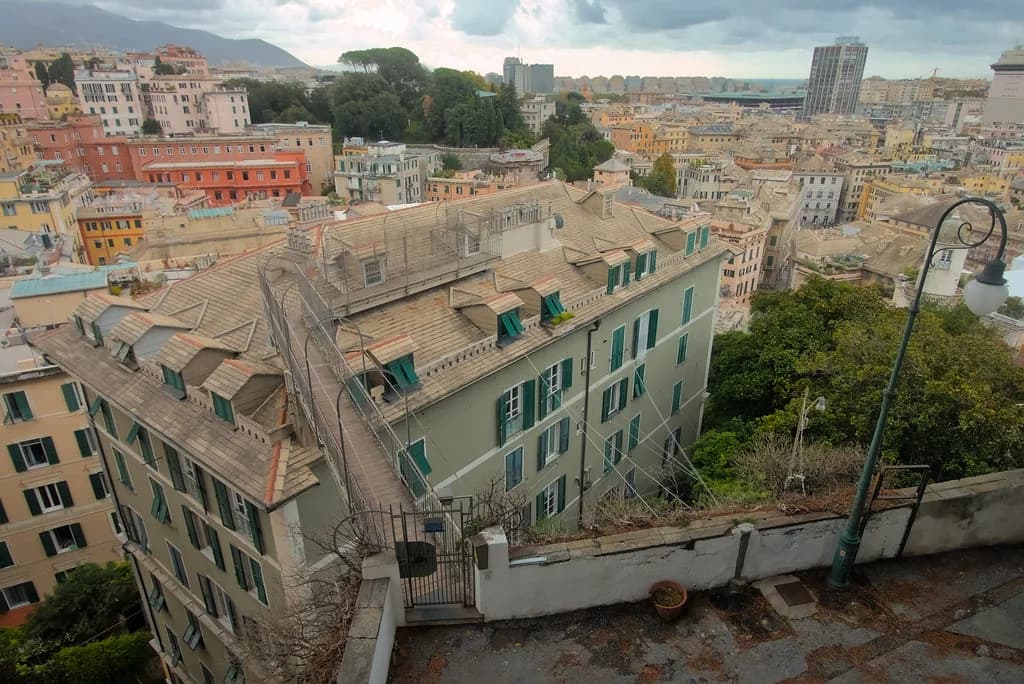
Castelletto sits above the historic centre, and the city's own geography explains why: Genoa climbs steeply from the port, and districts like this one sit on the terraces above the low core. The tourism portal references an elevator to Castelletto in a literary quotation on its homepage, which suggests the climb is a known part of visiting the area. It does not publish routes or timetables there, so check locally or on the portal's getting-around pages rather than assuming a particular lift or path is running.
For a stay, the trade-off is straightforward. An elevated base can mean quieter nights and views, but every return to the hotel adds climbing or a ride, and that cost repeats daily. Travellers with limited mobility or heavy luggage should weigh this carefully, since the sources do not verify step-free access on these routes.
The verified sources do not describe Castelletto's atmosphere or its accommodation in detail, so avoid choosing a specific street on reputation alone. Use the official tourism portal's neighbourhood and practical-information pages, check the exact address on a map for elevation and steps, and read recent traveller accounts for the building you are considering.
Foce: The Eastern District and the Waterfront Side of Genoa
Foce lies east of the historic core, on the side of the city that opens toward the modern waterfront. The tourism portal gives the Porto Antico and the Aquarium prominent places in its discovery section, showing how strongly the regenerated harbour shapes the city's visitor geography. A base in the east puts that waterfront and the eastern edge of the centre within a manageable walk.
Beyond geography, the sources here say little about Foce as a place to stay. Treat it as an area to research rather than a known quantity: check the exact address against a map, confirm how you would reach the historic core on foot, and read current reviews of the specific property. Our Genoa getting around guide helps you judge whether the daily movement suits your pace.
Foce also works for travellers who prioritise contemporary Genoa over the medieval core. If your interests lean toward exhibitions and events, the tourism portal's events section is the place to check what overlaps with your dates before committing to a location.
Albaro: The Eastern Residential Quarter as a Base
Albaro is the eastern residential quarter, further along the coast than Foce. In a city that stretches along the shore, that position matters more than any single sight: you gain distance from the busiest lanes, but you also add travel to reach Strada Nuova and the Rolli palaces. Whether that exchange is worth it depends on how many days you have and how often you plan to cross the city.
A residential base rewards slow travellers who want an ordinary neighborhood to return to in the evening and are content with fewer sights per day. It suits longer stays better than a two-night first visit. Since the sources do not describe Albaro's character or its accommodation, verify the address, the walk to the waterfront and the route into the centre before booking.
Where to Stay: Matching Each Area to Your Trip
For a first visit of two or three days, the Centro Storico is the least complicated choice: the palaces, churches and lanes are already around you, and you spend your time walking rather than travelling. Museum-heavy trips fit here best, because the Rolli palaces and the city's main collections sit within the same compact area. Keep expectations realistic about noise and stairs in the densest lanes.
For a slower stay, an eastern base in Foce or Albaro trades convenience for calm, provided you accept a daily walk or ride into the core. Families may prefer that arrangement for space and quieter evenings, while travellers with mobility concerns should favour the flatter, more central parts of the low city. These are general planning judgments, not verified claims about any specific property.
Genoa rewards curiosity beyond the obvious. The city's monumental cemetery, the Cimitero Monumentale di Staglieno, appears in the tourism portal's event listings, and it sits outside the central core, so where you stay affects how easily you reach it. Our guide to hidden gems in Genoa covers quieter corners like this for travellers who want a day away from the palaces.
If you are comparing Italian cities, our Bologna neighborhoods guide and Turin neighborhoods Guide use the same approach of matching districts to trip style. Both are useful reminders that in Italy the neighborhood decision often matters more than the hotel category.
Practical Genoa Resources: Cards, Tours and City Information
The tourism portal publishes two visitor products: the Genova City Pass, described as the official tourist pass designed to adapt to different needs, and the Museum Card, described as a single ticket allowing access to city museums. The portal does not set out current prices or validity on the pages summarised here, so check the live pages for what each includes and whether it fits your itinerary before buying.
Guided walking tours of the historic centre and of the historic shops are also listed by the portal, each with its own booking page. Availability and timing change, so confirm on the individual tour page rather than relying on a description. Booking directly through the official portal keeps the details in one place.
The municipal portal is the place for city-level practicalities such as local services and official notices, including weather alerts that can affect a day's plans. It is not a substitute for tourism information, but it is worth a quick look during your stay, particularly in autumn when rain warnings are published.
On a wet day, shift your plan toward covered routes and indoor collections rather than cancelling the day. Our Genoa rainy day covered walks and transport plan sets out how to restructure an itinerary around the city's arcades and museums.
Slow-Travel Tips for Wandering the Neighborhoods
The tourism portal gives local food its own space, listing dishes and typical products such as focaccia, pansoti and pesto-adjacent classics among the things to try. Use that as a map for lunch stops: a bakery in the core or a trattoria in a residential quarter is often a better use of an hour than a museum you are too tired to enjoy.
Historic shops are another way to read the neighborhoods. The portal runs guided itineraries dedicated to them and treats them as a heritage worth preserving, which makes them a natural thread between the old town and the wider city. Walking between shops lets you cover distance without turning the day into a march between monuments.
Keep at least one unscheduled afternoon. Genoa's hills and lanes make rigid plans fragile, and the best moments often come from following a street that climbs away from the crowd. Read the mood of your own neighborhood in the evening before deciding where to spend the next morning.
Plan Your Genoa Visit
Choose the Centro Storico if this is your first Genoa trip and the palaces matter most. Accept a daily walk or ride into the centre if you prefer an eastern base in Foce or Albaro, and weigh the climb carefully before committing to Castelletto. In every case, let the amount of walking you can comfortably do each day make the decision rather than the reputation of an area.
Before you book, confirm the practical details on the official tourism portal: current guided tour availability, what each visitor card covers, and the exact location of your accommodation relative to the streets you plan to walk. For related planning, see Genoa Aperitivo and Evening Food Guide: Where to Go After Dark.
Frequently Asked Questions
Which neighborhood should I stay in for my first visit to Genoa?
The Centro Storico is the simplest choice for a short first visit, because the Palazzi dei Rolli, Strada Nuova and the main museums sit within one compact area you can walk. You give up some quiet, but you gain time that would otherwise be spent crossing the city each day.
Is Genoa's historic centre walkable on foot?
Yes, the core is compact and best explored on foot, but it is not flat. Cobbled lanes and stepped alleys mean short climbs are part of most routes, so wear suitable shoes and plan breaks. The official tourism portal publishes guided walking tours if you prefer a structured route.
What are the Palazzi dei Rolli and why are they famous?
They are a group of Renaissance and Baroque palaces in Genoa, recognised as a UNESCO World Heritage Site. The tourism portal lists several individually, including Palazzo Rosso, Palazzo Bianco, Palazzo Reale and Palazzo Tursi. Check each palace page for visiting arrangements rather than assuming one ticket covers all of them.
Is Castelletto a good area for a quieter stay?
Castelletto sits above the historic centre, so an elevated base usually means more climbing or a ride on every return. The available sources do not document its atmosphere or step-free access, so confirm the exact address, the route and any access details before booking.
How do Genoa's neighborhoods differ between the centre and the eastern districts?
The Centro Storico is the dense, monumental core where the main sights are within walking distance. Foce and Albaro, further east, trade that proximity for distance from the busiest lanes. The verified sources do not describe their character in detail, so research the specific address before choosing.
What is the difference between the Genova City Pass and the Museum Card?
The tourism portal describes the Genova City Pass as the city's official tourist pass and the Museum Card as a single ticket giving access to city museums. It does not publish current prices or validity in the pages summarised here, so check the live portal pages before buying either one.
Sources
Continue exploring
More guides you'll find useful