Como Viewpoints: Brunate, Lakefront and Hill Views Compared
Compare Como's viewpoints by effort, cost and access, from the Brunate funicular and Volta lighthouse walk to free lakefront terraces and Villa Olmo's park.
On this page
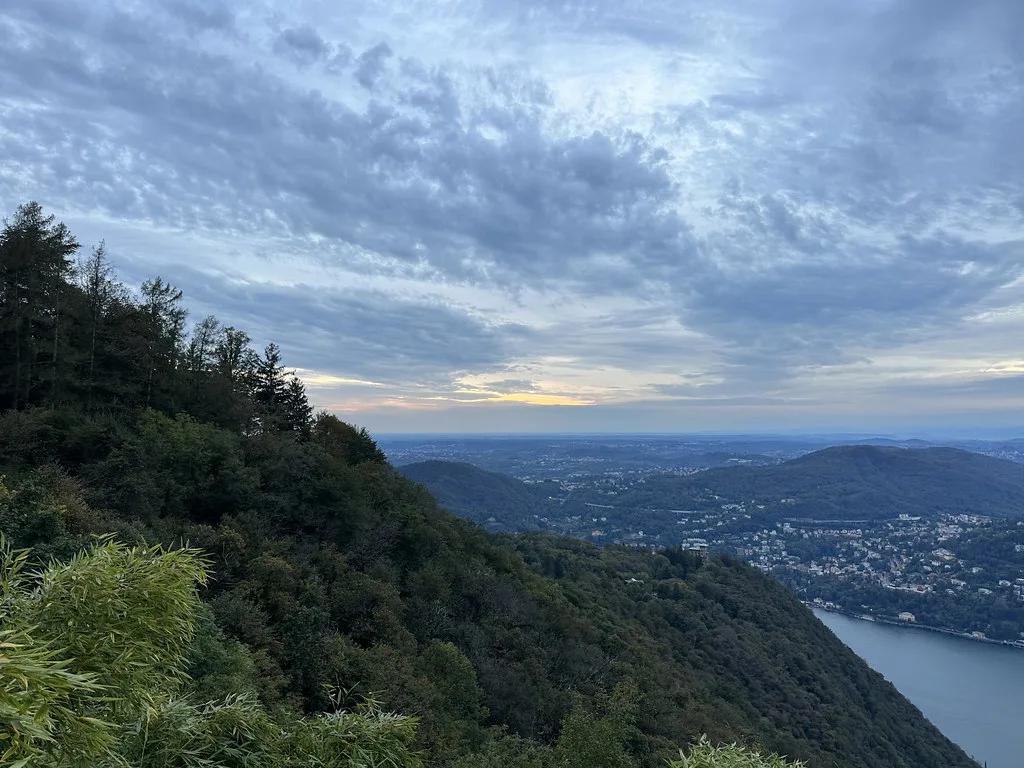
Como rewards visitors who plan their viewpoints rather than stumble onto them. The city spreads along the southwestern tip of the lake, so the best free views sit at water level along the lakefront, while the widest panoramas require a climb into the hills above.
The core decision is simple: free public ground or a paid ride. Walking the waterfront, entering the cathedral and wandering Villa Olmo's park cost nothing, whereas the funicular up to Brunate is a ticketed transport service. Splitting your time between both gives you the city's close-up details and the high-altitude sweep without treating them as rivals. A useful first stop for the whole picture is our guide to the lesser-known corners of the lake.
Treat every practical detail here as a starting point rather than a fixed promise. Fares, opening times and whether a given terrace is open change with the season and with maintenance work, so confirm the current position with the operator or the town's own tourism office before you set out.
Quick Comparison: Free Versus Paid Viewpoints
Low-effort, no-cost viewpoints cluster in the historic center and along the shore. The lakeside promenade, the lakefront monuments and the public rooms of the cathedral let you collect a full afternoon of scenery on foot, with the cathedral described as free to enter in one practical guide to the city.
Higher viewpoints cost effort or money, sometimes both. The funicular buys you a quick climb to Brunate, while hill villages such as Pigra award their panorama only after a cable car ride or a hike from Argegno on the western shore. For wider planning, see Como Attractions: Visitor Guides to 12 Sights.
Access matters as much as price. The lakeside walk is flat and easy for most visitors, the funicular station sits a short walk from the old town, and the paths above Brunate are steep enough to demand proper shoes.
The Brunate Climb: What a Short Ride Delivers
The Como-Brunate funicular turns a long uphill walk into a short ride. One practical guide puts the journey at roughly seven minutes, covering a line around 1,084 metres long with a steep 55 percent gradient, and notes that the first stretch runs through a tunnel before the track opens over the city.
That engineering explains the appeal: you gain serious height with almost no effort, which suits anyone short on time or travelling with companions who cannot manage a climb. An independent review of the route describes stepping off at the top into terraced areas with sweeping views over Como's rooftops and the Alps beyond, with the cathedral dome easy to pick out below.
Rather than chase a specific fare, ask at the ticket window on arrival, since ticket categories and prices change. That way you avoid planning your day around a figure that may already be out of date.
Queues at the Top and When They Peak
The climb is quick, but the descent can be slow. Reports of long waits at the upper station near sunset, when day-trippers head down together, suggest you should plan your return ride instead of drifting toward the last convenient departure.
A practical rhythm is to ride up late morning, eat and walk in the village, then descend before the evening rush forms. If you want golden-hour photographs from the top, accept the wait or build dinner in Brunate into the plan so the queue costs you nothing.
Brunate Village: Church, Trails and Art Nouveau Villas
Brunate itself justifies more than a photo stop. A small church with a pastel facade sits behind the station, and the village is dotted with Art Nouveau holiday villas built by families from Como and Milan, which makes an unhurried wander worthwhile.
Hillside trails start from the village for anyone wanting a longer walk, and the air up here runs cooler than the lakeshore, so carry a light layer even on a warm day. Sturdy shoes matter if the paths tempt you beyond the paved center. For wider planning, see Brunate Viewpoints and the Faro Voltiano.
The Volta Lighthouse Walk: Effort Without Guesswork
The classic extension from Brunate is the walk to the Volta lighthouse, which honours Como's most famous scientist. The climb is genuinely steep, so treat it as a proper walk rather than a stroll and give yourself time rather than a target pace.
When it comes to the lighthouse's own access, do not assume the tower or its terraces are open. One city guide records the lighthouse as closed for maintenance at the time of writing, which is exactly the kind of detail to re-check with local sources before building a day around it.
A shuttle toward the lighthouse has been reported from near the funicular station, but availability and fares are not guaranteed, so ask on the ground rather than relying on it. Walking remains the default option if the shuttle is not running.
Free Lakefront and Urban Viewpoints
At water level, Como gives away its best scenery. A lakeside walkway heads toward the manicured gardens of Villa Olmo, and the lakefront sculpture Life Electric juts from the pier as a tribute to Alessandro Volta.
The War Memorial adds a different kind of presence to the waterfront. Italia.it describes the 30-metre concrete tower, inaugurated in 1933, as standing near the Tempio Voltiano and its gardens, with the names of 650 local fallen citizens inscribed on it.
Piazza Cavour and the surrounding squares give you café terraces facing the water, which counts as a viewpoint in the practical sense: somewhere to sit, watch boats and let the light change. These cost only whatever you order. For wider planning, see Hidden Gems in Como.
Villa Olmo Park: Free Grounds, Check Before Going Inside
Villa Olmo, the neoclassical mansion on the lakefront, comes with a park that is open to wanderers. One city guide notes that the villa's interiors have been closed for restoration while the gardens and park remain accessible, so plan for grounds rather than rooms until you confirm otherwise.
This is a good example of separating free public ground from paid interiors. Even when the villa building is closed, the lakeside setting still delivers the classic view back across the water, and the walk continues along the shore toward the old town.
Historic Center Views and the Cathedral
The historic center holds viewpoints you can enjoy without buying a ticket. The Duomo blends Gothic, Renaissance and Baroque elements, and the cathedral is free to enter according to practical city guidance, making it an easy addition to a walking circuit.
Nearby, Piazza San Fedele with its Romanesque basilica and the medieval lanes around Via Olginati and Via Vitani offer slower, closer views of the city at street level. Pair this with a self-guided walk to link the squares coherently.
Museums and ticketed collections such as Como's Silk Museum or the Volta museum are separate propositions with their own entry arrangements; decide whether you want them for content rather than for a view, and check current opening details on site.
Hill Alternatives: Pigra and the Argegno Cable Car
For a quieter panorama, look west. Pigra sits at 881 metres in the Valle d'Intelvi and offers one of the area's most striking views over the lake, taking in Bellagio, Varenna, Isola Comacina and the surrounding peaks, according to Lombardy's tourism board.
Getting there is part of the experience: from Argegno a historic cable car, described as the steepest of its kind in Italy, carries visitors up with two twelve-seat cars. The same source notes that a car route also exists, so you can choose between the ride and the drive.
Argegno itself is a useful staging point, with boats across the water and paths toward Ossuccio and Villa del Balbianello. If Brunate feels crowded, this side of the lake offers a comparable sense of height with a more drawn-out approach.
Nesso and the Orrido: Water-Level Drama
Not every viewpoint has to be a panorama. At Nesso, the Orrido drops over dramatic rock toward the lake, and the stone Civera bridge gives walkers a front-row position above the water.
This is a place for looking down and looking closely rather than sweeping across the lake, and it rewards visitors who want a slower walk instead of a summit. Check whether the gorge path is open and what it costs to enter before committing, since these details change.
Timing and Light: Morning Clarity or Evening Colour
Mornings generally bring clearer air and thinner crowds on the hillside routes, which suits walkers heading up toward Brunate and beyond. Late afternoon brings warmer colour over the water but also the longest return queues as day-trippers descend together.
The lakefront works at almost any hour, so save it for the parts of the day when the hills are busy. A morning climb and an evening promenade is often a more comfortable split than trying to squeeze both into the same window.
Access and Practical Checks on the Day
Accessibility varies by viewpoint. One practical guide notes the funicular cars are wheelchair accessible, with a ramp and gate, and advises boarding when the platform is quieter; general guidance describes Como's center as mostly flat and easier for reduced mobility. But narrow lanes and steep paths elsewhere limit where wheels roll easily, so pick your target accordingly.
Before relying on any specific service, verify it. Funicular hours, lighthouse access and shuttle operation are the details most likely to change, and the right approach is to check the operator's page or ask at the station rather than trusting a blog published months earlier.
Where to Stay for a Viewpoints Trip: Above or Below
Staying in Brunate puts you above the day-trip crowds, and one guesthouse in the village offers a private shuttle to the funicular as part of the stay, which removes the steep walk to the station. That trades lakeside convenience for calm and cleaner morning light.
Staying in Como keeps restaurants, boats and museums within walking distance, at the cost of riding up and down each time you want the high view. If your trip mixes viewpoints with ferries and lake towns, a base in the city usually saves time. For wider planning, see Como neighborhoods guide. For wider planning, see Como two day itinerary.
Plan Your Visit
Como's viewpoints divide neatly into what you earn on foot and what you pay to ride. Walk the lakefront, the cathedral and Villa Olmo's park for free, then decide whether the funicular climb and the hill walks above are worth the ticket and the queue.
Check fares, opening times and lighthouse access with the operator or local tourism office before you go, since these are the details most likely to shift. With that confirmed, a morning above the lake and an evening at water level makes a well-balanced day.
Frequently Asked Questions
Which Como viewpoints are free?
The lakefront promenade, the lakefront monuments and gardens such as Villa Olmo's park are free public ground, and a practical city guide notes the cathedral is free to enter. Paid elements such as the funicular or ticketed museum and villa interiors are separate decisions. Check current access before visiting, especially for buildings under restoration.
How much does the Como-Brunate funicular cost?
Fares and ticket categories change, so the reliable approach is to confirm the current rate at the ticket window in Como when you arrive, or through the operator's own pages. Do not rely on older figures published in travel articles, since they may no longer reflect what you will pay.
How long is the funicular ride to Brunate?
One practical guide describes the journey as taking roughly seven minutes, covering a line of about 1,084 metres at a steep gradient, with the first section in a tunnel. Treat the figure as indicative and check service frequency and last descent times on the day.
Is the Brunate funicular wheelchair accessible?
One practical guide reports that the cars are wheelchair accessible, with a ramp and gate, and recommends boarding when the platform is quieter. Because operating procedures can change, confirm the current arrangements with the operator before travelling.
Is the Volta lighthouse open for climbing?
Access is not guaranteed. One city guide records the lighthouse as closed for maintenance at the time of writing, so check its status with local sources before making the climb. Even when closed, the walk from Brunate and the village viewpoints remain worth doing.
Sources
- The Best Things to Do in Lake Como, Italy's Most Glamorous Destination | Condé Nast Traveler
- War Memorial - Italia.it
- Como, Italy: Things to Do & What to See | Lake Como Travel
- Brunate Funicular: A Practical Guide to the Como Climb
- Trip with views over Lake Como
- Como Brunate Funicular Review | Free-Attraction-Reviews.com
Continue exploring
More guides you'll find useful