Brunate Viewpoints and Faro Voltiano: A Practical Guide
Plan a Brunate viewpoint outing above Como: the short flat walk to Pissarottino, the longer climb to the Faro Voltiano terrace, and free versus tower views.
On this page
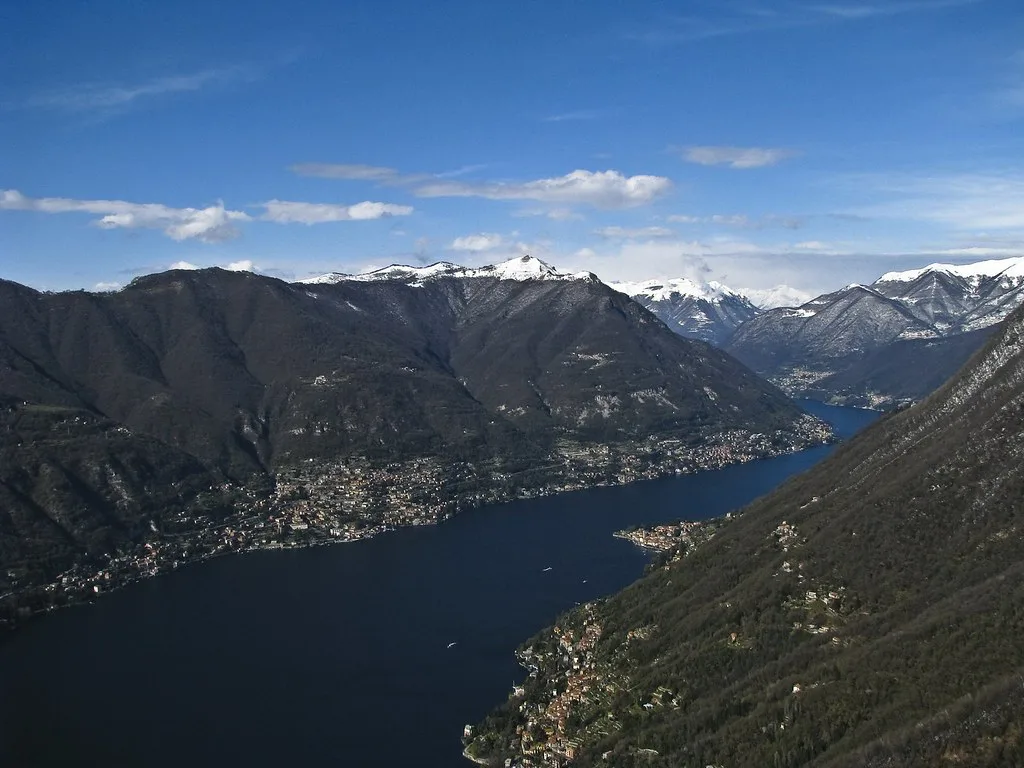
Brunate is the hilltop village that turns Como, the first basin of the lake and the Lombardy plain into a single panorama. The historic funicular makes the climb from the Como lakefront in a few minutes, but the village rewards anyone who keeps walking past the first terrace.
This guide treats the outing as a choice between two viewpoints rather than one generic best view. Pissarottino is a low-effort balcony reached on an easy, mostly flat walk, while the Faro Voltiano sits higher above San Maurizio and takes a proper uphill walk through the village lanes.
Both viewpoints are out in the open, so there is no ticket to stand there. What you would pay for, when it is available, is tower access at the lighthouse, and the municipal site is the place to confirm that before you build a day around it. Further visitor details appear in Comune di Brunate.
Quick Answer: What You See From Brunate and How the Two Viewpoints Differ
From Brunate the view opens over the southern end of Lake Como, the city below and, on clear days, distant Alpine peaks. The village sits on a wooded ridge immediately east of Como, which is why the panorama reads as a wide balcony rather than a narrow lakeside strip.
Pissarottino looks over the western branch of the lake toward Cernobbio and Villa d'Este, and it is reached by an easy, mostly flat walk that suits limited time or tired legs. The Faro Voltiano terrace gives the wider sweep, with the Milan skyline to the south and Monte Rosa to the north on a clear day, but you earn it with a climb.
A simple decision rule helps: choose Pissarottino if you have an afternoon or want minimal effort, and head for the lighthouse terrace if you want the widest panorama and can walk uphill for a while. Neither choice requires booking, and both are viewpoints you simply walk to.
Where Brunate Sits Above Como and Why the Panorama Opens Up
Brunate rises on the ridge directly above Como, high enough that the city, the first basin of the lake and the plain beyond all fall into one frame. Paths from the village continue toward San Maurizio, Monte Boletto and the higher ground of the Triangolo Lariano, so the settlement works as a starting point rather than a single stop.
The village grew from an old hill settlement into a fashionable summer retreat once the funicular opened in 1894, and wealthy families built villas in the eclectic styles of the period. That resort history still shapes the streets you walk through on the way to either viewpoint.
Because the village faces the lake from above, the air feels cooler than on the waterfront, and the views depend heavily on visibility. Clear spring and autumn days give the sharpest panorama, and early morning is usually quieter than the middle of the day.
Getting Up: The Funicular and the Walking Alternative
The funicular leaves from the Como lakefront and is the simplest way up, climbing the steep hillside while the city shrinks below. Treat timetables and fares as things to confirm with the operator rather than fixed figures, since published schedules change by season.
Walking up from Como is possible on steep paths but takes considerably longer than the railway, and it demands more from anyone carrying bags or travelling with children. If the funicular is closed or the weather is poor, the sensible fallback is a walk around Como's old town and lakefront instead of forcing the climb.
On the way back down, the path toward Como via San Donato passes the Eremo di San Donato, a former convent perched on the cliffside. The route is built on steep historic stone steps, so it is easier on the lungs than on the knees.
Option 1: Pissarottino, the Low-Effort Balcony Over the Western Branch
Pissarottino is the viewpoint to pick when time is short or walking uphill is not appealing. From the funicular station, the way there is an easy, mostly flat walk that hugs the side of the mountain, which makes it a realistic option for a short outing.
What you get at the end is a natural balcony over the western branch of the lake, with a bird's-eye view of Cernobbio and the Villa d'Este below. For the effort involved, it is the most rewarding short walk in the village.
Allow roughly half an hour to walk there, look around and return to the station, and add time if you stop for a drink. That makes it easy to pair with a morning in Como's historic centre before riding up in the afternoon.
Option 2: The Faro Voltiano Terrace and the Uphill Walk Through the Village
The Faro Voltiano stands in the San Maurizio district at the top of the hill, built in 1927 to honour Alessandro Volta, the Como-born pioneer of electricity. The walk up from the funicular is paved and passes through the village, but it is steep, so comfortable shoes matter more than speed.
Plan on a walk of roughly 25 to 30 minutes each way, as one walking guide to the route describes it. The terrace and the views at the base of the tower are the practical target if the tower itself is not open.
The climb is more interesting than a simple staircase because the route passes the Campari fountain on Via Roma and the Liberty-style villas that mark Brunate's resort years. The octagonal lighthouse above San Maurizio offers one of the area's widest viewpoints when open. Further visitor details appear in Brunate, Lake Como: Views, Funicular & How to Visit.
Free Lanes, Villas and Viewpoints Versus the Paid Tower Climb
Almost everything that makes Brunate worth the trip costs nothing: the funicular terrace, the village lanes, the Liberty-style villas seen from outside, the Campari fountain and the viewpoints themselves. There is no ticket to walk the village or stand at Pissarottino.
Paid access applies only to climbing inside the lighthouse tower, and only when it is open. Travel blogs have quoted a small entry charge for the tower, but because that figure can change and the tower's status is unsettled, treat it as something to confirm on site rather than a planning number.
The distinction matters for budgeting and for expectations: the terrace at the base of the Faro Voltiano still gives a wide panorama, so a closed tower does not cancel the outing. The parish church and village streets are free to walk past, and the lighthouse is the one element with a separate, conditional access.
Faro Voltiano Status: Verify Tower Access Before You Go
The tower has not been reliably open to visitors. One travel blog reports a closure since March 2026 tied to a dispute between the City of Como and the village over who manages it, and mentions works planned from October 2026, which is not proof that the tower is open now.
The municipal site itself carries a Faro Voltiano notice about closure of access to the structure dated 2 October 2026, which is a clear signal to check before building a day around the climb. Read that notice and any newer updates on the Comune di Brunate site rather than relying on blog posts.
If the tower is shut, the sensible plan is unchanged: walk up for the terrace and the base views, then spend the time you saved on the village lanes or a longer descent. Do not travel expecting a spiral staircase to the top without confirming it that week.
What to Bring and How to Pace a Half-Day Versus a Full Day
Wear shoes with grip, because the paved lanes to the lighthouse are steep and the San Donato descent is stone steps. Bring a light layer even in summer, since the village usually runs a few degrees cooler than Como, and carry water for the climb.
As a suggested pace rather than an official schedule, two hours covers the funicular, Pissarottino and a drink with a view. A half day allows the walk to the lighthouse, time on the terrace and a sit-down meal, while a full day opens up the longer trails.
If you have a full day and good legs, the Strada Regia route toward Torno passes chestnut woods and the hamlet of Monte Piatto before dropping to the lakeside, where you can return by boat. Walkers wanting height can continue from San Maurizio toward Monte Boletto, which reaches over 1,200 metres.
Where Brunate Fits in a Como Itinerary and When Weather Matters
The cleanest half-day pairing is Como's historic centre in the morning and Brunate in the afternoon, riding up after the Duomo and the lakefront. If clouds or rain cut visibility, swap the funicular for a slow walk through the old town.
Views are the whole point, so go when the forecast is clear rather than on a fixed day. Clear spring and autumn days give the sharpest panorama, and an early start usually beats the midday crowd on the terrace.
If you are building a longer stay around the lake, the Como Attractions hub covers the sights below the village and helps you decide how much time to leave for the waterfront. For more under-the-radar stops on the shore itself, browse the hidden gems in Como before locking your days in place.
Plan Your Visit
Brunate works best when you choose the viewpoint that matches your energy: Pissarottino for a near-flat walk and a view over Cernobbio, the Faro Voltiano terrace for a steeper climb and the widest panorama. Both are free to reach, and the village lanes and villas fill the time between them.
Before you go, check the Comune di Brunate site for the latest Faro Voltiano access notice and confirm funicular operation with the operator on the day. That one check separates a smooth outing from a wasted climb.
Frequently Asked Questions
Is the Brunate viewpoint worth it if I only have an afternoon in Como?
Yes, if the weather is clear. Ride the funicular up, walk the easy route to Pissarottino for a view over Cernobbio and the western branch of the lake, and return to Como for the evening. That fits comfortably into an afternoon without committing to the steeper climb to the lighthouse.
How long does the walk from the funicular station to the Faro Voltiano take?
Travel writing on the route puts the uphill walk at roughly 25 to 30 minutes each way. It is paved but steep, so add time for stops and wear shoes with grip. Treat the figure as an estimate and judge your own pace, especially in heat.
Is the Volta Lighthouse open to climb in 2026?
Tower access has not been reliable. The Comune di Brunate site carries a Faro Voltiano notice about closure of access to the structure, and third-party reports describe a dispute over its management with works mentioned for autumn 2026. Check the municipal site for the current position before planning to climb, and expect the terrace and base views to be the realistic target.
Is the Pissarottino viewpoint easier to reach than the lighthouse?
Considerably. Pissarottino is reached on an easy, mostly flat walk from the funicular station, while the Faro Voltiano requires a sustained uphill walk through the village. If you have limited time or small children, Pissarottino is the better choice.
Do I need a ticket for the Brunate viewpoints?
No. The village lanes, the funicular terrace and Pissarottino are open to walk to at no charge. Only climbing inside the lighthouse tower involves a separate access arrangement, and that is conditional on the tower being open.
Can you walk from Como to Brunate instead of taking the funicular?
Yes, but it is a steep climb that takes considerably longer than the railway. The descent toward Como via San Donato is popular and passes the Eremo di San Donato, though the historic stone steps are hard on the knees. Check funicular operation before relying on it for the way up.
Sources
Continue exploring
More guides you'll find useful