Free Things to Do in Como: A Practical Budget Guide
Plan a low-cost day in Como with lakefront and historic-centre walks, a hilf climb to Brunate, and clear notes on what is free versus paid.
On this page
Como rewards travellers who plan around public space rather than paid attractions: a compact historic centre, a lakefront setting and hills that you can reach on foot. The catch is that much of what is marketed as a Lake Como highlight sits behind a ticket desk, so the useful skill is telling the two apart before you commit your day.
This guide sorts the city into genuinely free options and paid add-ons, and flags the details you should confirm with the operator rather than trust to an old blog post. It is written for a low-cost day in Como itself, with nearby towns mentioned only where they change a budget decision.
Why Como Works Well for a Low-Cost Day
Como sits at the southwestern tip of the lake and packs a medieval core, a wall and towers, a cathedral and a harbour into a walkable area. That density matters for a budget trip, because you can string together a full afternoon on foot without buying a single ticket. The town is also the launch point for the funicular to Brunate, which gives you an easy way up into the hills if you decide the view is worth the fare.
A realistic low-cost shape is one solid half day in the centre and, if your legs are willing, a climb toward Brunate for the view. The Comune di Como publishes its own event calendar and city notices, which is the place to check for temporary road works, traffic restrictions and closures that could affect a walking route.
The surrounding lake towns get far more guidebook space, but they also tend to be where the crowds and the costs concentrate. Staying in Como and exploring the eastern branch of the lake as a day trip is a strategy one local-leaning guide recommends, and it keeps your base compact.
How to Tell Genuinely Free From Paid in Como
The rule of thumb is simple: public streets, squares, promenades and hill paths are free, while villa interiors, museum galleries, garden parks and boats generally are not. Mixing those categories is how budget guides mislead people, because a photo of a lakeside villa garden says nothing about whether you can walk in without paying. Treat every enclosed space as paid until you see an official notice.
For city-run museums, the Comune di Como describes an online ticket for the city museum system covering the Pinacoteca civica, the Tempio Voltiano and the cathedral, which tells you these are managed as ticketed sites rather than open public spaces. That does not confirm a free route into any of them, so check the current terms page before you build an itinerary around entry.
A Lakefront and Historic-Centre Stroll
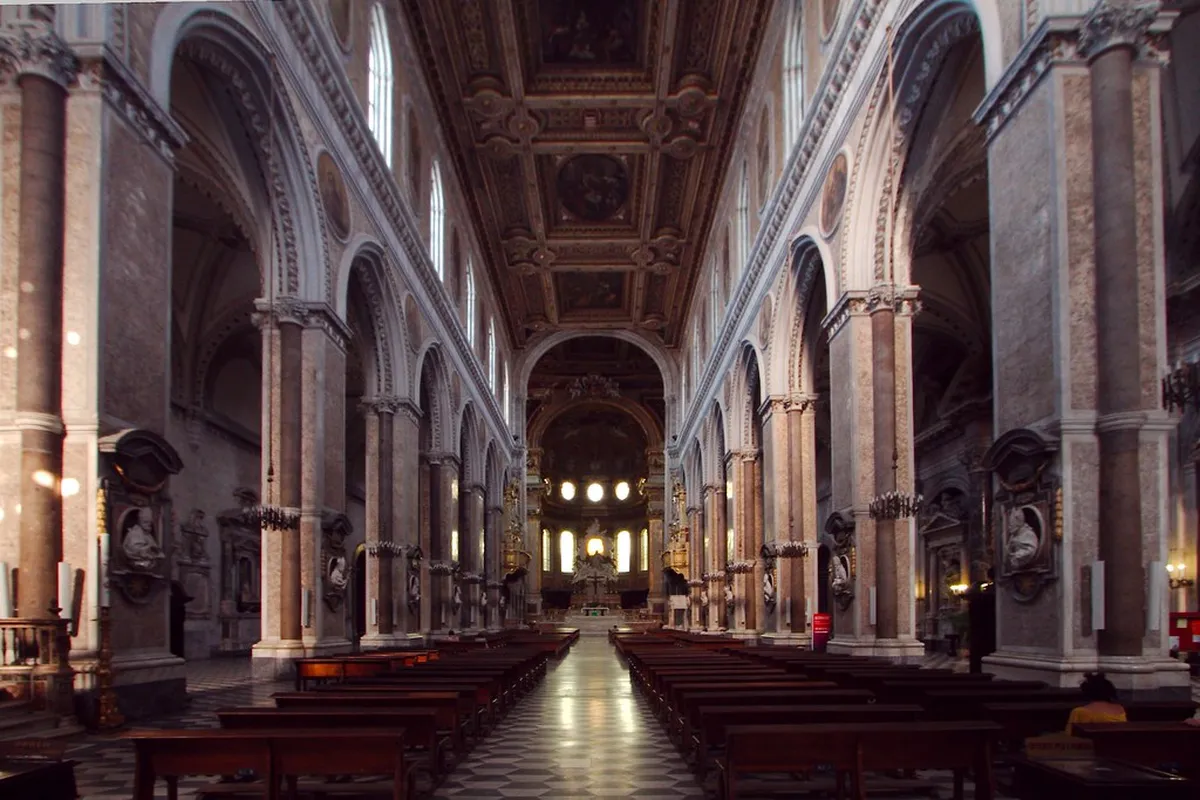
Start at the harbour and let the walk unroll through the medieval centre, past the cathedral and the Basilica of San Fedele, then out along the water. The value here is the architecture and the lake setting, not the interiors: assume any church or museum you want to step inside may have its own opening rules and check locally rather than relying on an old post. Walking the outside costs nothing and can fill a relaxed couple of hours.
The cathedral is the visual centrepiece of the city, and Como also has shops, boutiques and a Saturday market that one guide treats as part of the town's appeal. Market browsing is free even when the produce is not, and it gives a reason to linger in the centre rather than rush to the ferry.
If you want to extend the walk, Villa Olmo is an easy name to add on the lakefront, but the descriptions available here only call it a palatial lakeside property, without confirming how access or gardens work. Look for a current notice before you count it as a free stop, and keep the promenade as the guaranteed part of the route.
Funicular or Foot: The Brunate Decision
Como is linked to the village of Brunate by a funicular that has run since the late 1800s and lifts you roughly 500 metres above the city. Taking it is a paid decision; walking up is the free one. Neither is wrong, but they demand different things from you, so pick based on how much energy you want to spend before the view rather than on principle.
One traveller describes the shaded path up to Brunate as taking around an hour on foot, and recommends it on weekends and sunny days when queues for the funicular get long. Treat that as an approximate personal estimate, not an official figure, and give yourself extra time if you stop for photos. Walking down instead of up is a sensible compromise if you want the climb without the full effort.
Fares, frequency and closing times are exactly the sort of detail that changes, and the sources here do not give current figures. Check the funicular operator's own page on the day you travel instead of budgeting from a guidebook. If the price or the queue looks wrong for your plan, the walk is still there.
Brunate on Foot and the Volta Lighthouse Walk
Once you are up in Brunate, the reward is a panoramic view across Como and the lake, and the village itself has churches and lanes worth a slow wander. From there, a further walk to the Faro Voltiano lighthouse is described as roughly half an hour and is the best-known extension for a wider view of the lake and mountains. Both timings are blogger estimates, so scale them to your pace and the weather.
Brunate is also pitched as a sunset spot, with the light turning the mountains orange over the water. That makes it a natural free evening plan if you can get up and back without paying for the funicular both ways. Do not assume the viewpoints or the lighthouse are unconditionally open; check locally if the gate or path looks closed.
Villa Gardens and Churches: What the Sources Do Not Confirm
The famous villas around the lake are the biggest source of confusion for budget planners, because each one runs its own access rules. Villa del Balbianello at Lenno and Villa Carlotta at Tremezzo are both described as visitable properties with gardens, and the advice to book ahead for popular villas implies ticketing rather than open public access. Plan to pay, then verify the current arrangement.
Villa Melzi near Bellagio is described as having gardens open to the public for part of the year, with the villa interior off-limits. That is a seasonal public opening, not a free one, and the spring-to-autumn window in that account should be rechecked before you travel. If a garden is the point of your trip, confirm it on the property's own site first.
For churches, the honest answer is that the sources here do not establish free entry at Como Cathedral or the Basilica of San Fedele. See them from the outside as part of your walk, and ask at the door or check a parish notice if you want to go in. Assuming free entry and being turned around at the entrance is a needless way to spoil a good morning.
Evening Timing Around the Funicular
A free evening plan in Como hinges on how late you can get back down from the hills. One account says the cable car runs until around 10 p.m., which would let you stay for sunset and descend afterwards, but that is a blogger's report and not a current timetable. Confirm the last descent with the operator before you commit to a late climb.
If the late service does not suit, invert the plan: walk up in daylight, watch the light change, and come down while you still have plenty of margin. A lakeside stroll back through the centre is free and makes a calm end to the day. Either way, the sunset itself costs nothing, which is why the timing decision matters more than the ticket.
Boats and Ferries: A Paid Add-On
Lake transport is not a free activity, and it is where budget days quietly overspend. Ferries and scheduled boats run by Navigazione Laghi connect the main towns, and one guide suggests checking the official Navigazione Laghi site for schedules and fares and buying tickets online in peak season. Note that these are paid services, so treat a boat hop as a deliberate purchase rather than part of your free itinerary.
You will also see private boat tours and self-drive rentals pitched as the best way to see the lake from the water. They can be excellent, but they are the opposite of a no-cost day, and prices vary by operator and season. If your budget is tight, watch the lake from the shore and put the money toward one well-chosen paid highlight later.
A Quieter, Lower-Cost Alternative on the Lecco Branch
The eastern branch of the lake, around Lecco, is described as having fewer towns, less traffic and fewer tourists than the western side. That makes it a sensible base or day trip if crowds drain your patience and your wallet, since a calm lakeside promenade and a historic centre cost nothing to walk. Lecco is a separate city, not a corner of Como, so plan it as its own outing.
One guide recommends staying outside the most-visited towns and using day trips to see Bellagio, Varenna and Tremezzo, and describes Bellagio as crowded in high season and on weekends. That is a crowd-avoidance tactic rather than a cost guarantee, but it often saves money too. Varenna's lakeside walk and the Passeggiata degli Innamorati are free to stroll, even when the villas beside them are not.
Building a Free Half Day and a Free Full Day
For a half day, walk the harbour, the medieval centre and the lakefront, then sit by the water rather than paying for a boat. Add the cathedral and San Fedele as exterior stops unless you have checked their entry rules. This plan needs no bookings and no tickets, and it leaves the afternoon free for a paid highlight if you change your mind.
For a full day, do the centre in the morning and spend the afternoon on the Brunate climb, returning on foot or by funicular depending on your energy and the fare that day. A free day like this is built on sequencing: the walking is the attraction, and the paid transport is optional. If you would rather not climb, swap in a longer lakeside wander and a market browse.
Whichever plan you choose, check the city's own pages for works, restrictions and events before you set out, since a closed road or a race through the centre changes a walking route. Municipal notices are updated for exactly this reason.
Where to Spend a Small Budget
If you want one paid highlight, the funicular is usually the best value because it buys you the view and saves your legs, while a boat trip buys a different perspective on the lake. Choose based on which one you would regret missing, and keep the rest of the day on foot. Confirm current fares at the source, since the published numbers change and this guide does not quote them.
Combine your paid choice with free surroundings: ride up and walk the village lanes, or take a short ferry hop and spend the day in a town on foot. One guide notes that shorter ferry routes are cheap compared with longer crossings, which is a useful way to think about it, but check the operator's current fares rather than relying on blog figures.
Plan Your Visit
Como is a good budget city precisely because its best moments are public: the medieval centre, the harbour, the lakefront and the hill paths. Keep villa interiors, museums and boats in the paid column, verify them before you go, and let the walking carry the day.
Check the Comune di Como for city notices and the operator pages for the funicular, ferries and any villa you want to visit, then decide how much of the day you want on foot. A little verification replaces a lot of guesswork.
Frequently Asked Questions
What can you do for free in Como, Italy?
You can walk the historic centre, the harbour and the lakefront, and you can climb the paths toward Brunate on foot instead of paying for the funicular. Public streets, squares and promenades cost nothing. Villa interiors, city museums and boats are paid, and the sources here do not confirm free entry at the cathedral or the Basilica of San Fedele, so check at the door.
Is walking up to Brunate from Como free?
The climb is on foot along a public path, so it costs nothing but effort. One traveller estimates around an hour for the shaded route, which is an approximate figure rather than an official one. You can also ride the funicular up and walk back down if you want to reduce the effort.
Is the Como–Brunate funicular free, and how late does it run?
No, the funicular is a paid service, and current fares are not quoted in the sources available here. One account says it runs until around 10 p.m., but that is a blogger's report, not a current timetable. Confirm fares and the last descent with the operator before relying on a late return.
Are Como's villas and gardens free to visit?
Generally not. The famous properties around the lake, such as Villa del Balbianello and Villa Carlotta, run their own access rules and tickets, and Villa Melzi's gardens are described as open to the public seasonally with the villa interior closed. That is a public opening, not a free one, so check each property's own page.
Is Como Cathedral free to enter?
The sources used here do not confirm free entry at Como Cathedral, so do not budget on that assumption. See the exterior as part of a centre walk and check at the entrance or on the cathedral's own notice for current visiting rules. The same caution applies to the Basilica of San Fedele.
How do you spend a day in Como without paying for boat tours?
Walk the harbour, the medieval centre and the lakefront, then climb toward Brunate for the view and return on foot or by funicular. Keep boats as a deliberate paid extra rather than part of the plan, and check the city's notices for road works or events that could affect your route.
Is Lecco a quieter alternative to Como?
One guide describes the Lecco branch of the lake as having fewer towns, less traffic and fewer tourists than the western side, which suits travellers who dislike crowds. Lecco is a separate city, so plan it as its own outing rather than a walk from Como. A lakeside promenade there is free to stroll.
Sources
Continue exploring
More guides you'll find useful