Free Things to Do in Cagliari: A Slow, Low-Cost City Guide
A budget guide to Cagliari: free parks, terraces, churches and the Poetto beach, plus which sites charge and how to keep costs down without relying on a car.
On this page
Cagliari spreads over seven hills above the Golfo degli Angeli, and much of what makes it memorable is public space rather than ticketed sightseeing. The walled Castello quarter, the terraces of the Bastione di Saint Remy, city parks and the long sweep of Poetto beach can all be enjoyed without buying a ticket.
One concrete starting point: Parco di Tuvixeddu, which the city describes as freely and daily accessible, holds the largest Phoenician-Punic necropolis in the Mediterranean basin. Its main entrance is on Via Falzarego and a secondary one on Via Is Maglias, with monthly opening hours.
The essential distinction is between free ground and paid interiors. Streets, park paths, beaches and church naves usually cost nothing, while towers, crypts, underground routes and museums are separate paid visits. Plan the free layer first, then decide which single ticket earns its place.
Why Cagliari Suits a Low-Cost Day
The historic centre is compact but hilly, so walking is the cheapest and often the most sensible strategy. From the Marina up to Castello and across to the bastions you move between viewpoints without paying for transport. Italia.it describes the city as a succession of ascents and slopes, with Castello offering a wide view over the city and its narrow streets.
Two official portals are worth checking before you go. The Comune di Cagliari publishes city notices, temporary closures and civic information, while SardegnaTurismo lists island-wide events and destinations. Neither replaces a single site's own page for opening times, but both help you spot disruption such as weather alerts.
A realistic low-cost day in Cagliari pairs one paid stop with several free ones. That keeps spending predictable and leaves room for a long lunch rather than a rushed circuit of paid attractions.
Castello and the Bastione: Free Lanes and Terraces
Castello sits on the highest hill, wrapped in pale limestone walls and threaded with steep alleys and archways. Italia.it notes that the quarter offers a 360-degree perspective over the city as well as cultural richness hidden in its narrow streets. Wandering here costs nothing and is the best introduction to Cagliari.
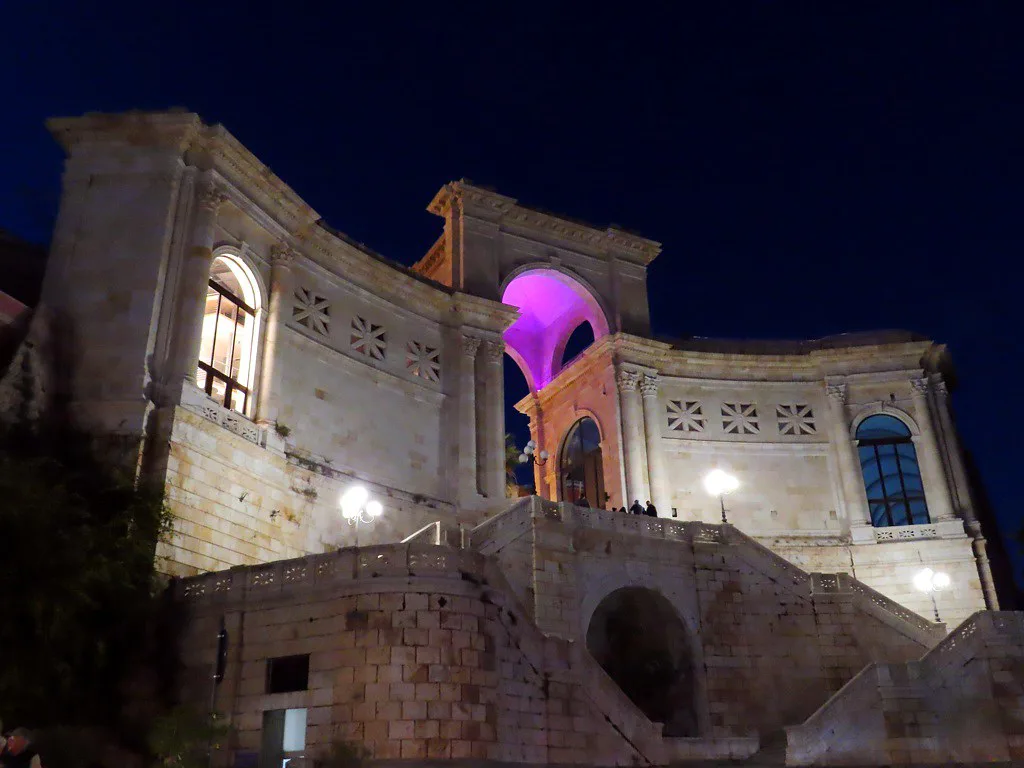
The Bastione di Saint Remy connects Castello to the lower city, and its wide terraces are free to walk. The limestone arches and terraces overlook the city and the sea, and the Santa Caterina promenade just below often hosts exhibitions and events.
Not everything inside the walls is free. The covered walkway and Sperone gallery appear on the city's combined-ticket list, so do not assume every staircase and gallery is open at no charge. Check the signage at the entrance and keep the free terraces as your default.
If stairs are a problem, Italia.it mentions scenic lifts in the neighbourhood that reach the highest terraces, including one to the Bastione di Saint Remy. Treat these as a practical shortcut rather than a sight in themselves, and check locally that a lift is running rather than relying on an older guide.
For more overlooked corners in the same quarter and beyond, our guide to the hidden gems in Cagliari pairs these better-known terraces with quieter streets and small sites. It is a useful companion when you want to slow down rather than tick off landmarks.
Tuvixeddu: A Free Park Around a Punic Necropolis
Parco di Tuvixeddu in the Sant'Avendrace district covers about three and a half hectares and holds a Phoenician-Punic necropolis cut into the limestone, with well tombs and later Roman burials. The city lists the park as freely and daily accessible, which makes it one of the best free archaeological experiences in Cagliari.
Opening hours shift by month, and the free visit depends on arriving while the park is open. The city publishes 06:00 to 21:00 in January to March, 05:30 to 22:30 from April to September, and 06:30 to 22:00 from October to December. Confirm the current schedule before travelling, since park hours can change.
The necropolis is the reason to come. Trentaremi describes it as the most imposing funerary architecture in the Carthaginian world, with vertical well tombs and later Roman additions. Walking the paths above the tombs conveys the scale of the site without a guide, though a tour adds context.
Practical notes from the city page help you plan: there are toilets and disabled access, no picnic or refreshment points inside, and parking next to the entrances. Bicycles are allowed only for children under eight accompanied by adults. Bring water, because the park is a hill rather than a shaded garden.
Hilltop Parks and the Wetlands
Monte Urpinu is one of the city's oldest parks and covers about 22 hectares, with views over the gulf, the Sella del Diavolo, the Molentargius wetlands and Poetto beach. The panoramic road on the eastern side leads to that outlook, and the park is a free place to pause between sights.
The Giardini Pubblici sit between the lower edge of Castello and La Vega, close to the centre. The 19th-century gardens are small but free, and at the end of the central walk you reach the city art gallery, which charges a small admission. Use the park as a shaded pause and decide at the door whether the gallery appeals.
Molentargius is the free alternative to a paid nature tour. The wetland park covers around 1,600 hectares and has become an important nesting site for flamingos in the Mediterranean. Its paths and viewpoints let you watch birds without booking anything, whereas the old saltworks train is the paid way to see the working salt pans.
The Santa Gilla lagoon, visible as you descend towards the airport, is part of one of Europe's most important wetlands, with herons, black-winged stilts and flamingos. Public paths and viewpoints along the lagoon edge are free, so birdwatching does not require a ticket.
Churches and Holy Sites: What Is Actually Free
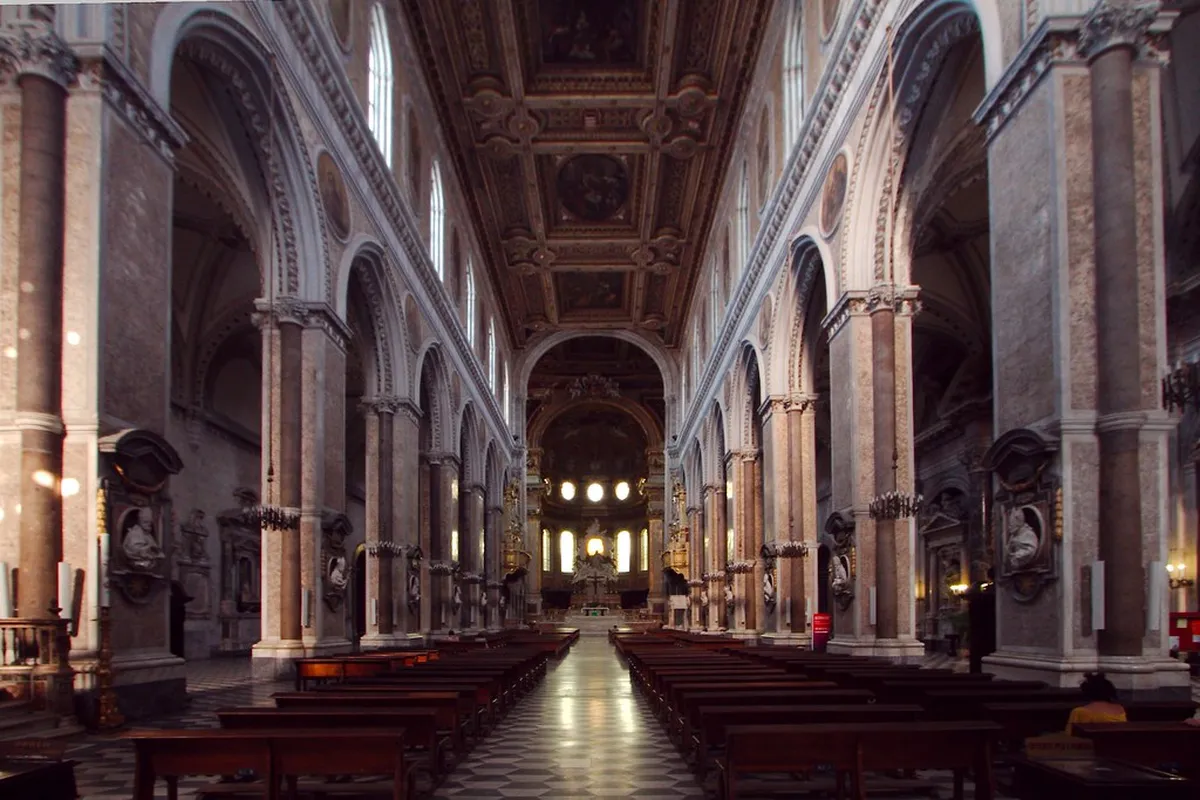
Church interiors are where budgets often blur. Italia.it notes that visits to Cagliari's cathedral and crypt are free, while the bell tower carries a fee. That pattern repeats across the city: the nave is usually open at no cost, but towers, museums and underground areas are separate paid visits with their own rules.
The Basilica di Nostra Signora di Bonaria on Bonaria hill is a working sanctuary with a long history and views over the port. It is a place of worship first, so dress respectfully and check service times before wandering. Any museum or treasury attached to a religious complex should be treated as a separate paid visit unless signs say otherwise.
Cagliari's underground heritage is mostly ticketed. The Sant'Eulalia archaeological area and treasure museum is managed through Mutseu, which publishes its own hours and rates for the complex. If you want the underground experience, budget for one of these rather than assuming free entry.
The practical rule is simple. Step inside open churches, admire the architecture and light, and save your money for the tower or crypt you most want to see. Never assume a cathedral tower, crypt or covered walkway is included with the free church visit, because sources consistently separate them.
Where a Ticket Is Worth It: The Roman Amphitheatre
The Roman Amphitheatre is the best-value paid stop for most budget travellers. Cagliari Turismo lists a full-price ticket, reduced rates for students under 26, over-65s, groups of at least 15 and botanical garden ticket holders, and free entry for disabled visitors and their carers. It also sells a combined ticket covering the amphitheatre, the Crypt of Santa Restituta, the Viper's Cave, the Elephant Tower and the covered walkway and Sperone gallery, valid for one week.
Hours are seasonal, so check them against your dates. The city page gives 10:00 to 17:00 from 1 October to 27 April, and 10:00 to 13:00 plus 15:00 to 19:00 from 28 April to 30 September, with the ticket office closing 30 minutes before closing time. The SardegnaCultura page repeats the same pattern and notes that urban buses 8 and 10 serve the site.
Restoration limits the visit. Cagliari Turismo says the whole building cannot be visited until work ends, with no access to the arena or underground areas, though an 80-metre walkway lets you see the structure closely. Go for the setting and the scale rather than a full circuit of the monument.
The combined ticket is the smart choice if you plan to see several of the listed sites within a week. It spreads the cost across the amphitheatre, the crypt and the tower, and turns one ticket into a small itinerary. Check each site's hours separately, because the ticket does not guarantee they are all open at the same time.
Beaches on a Budget: Poetto, Marina Piccola and Calamosca
Poetto is Cagliari's long city beach, stretching for around eight kilometres with kiosks, bars and calm water for swimming. Access is free, and you can walk or take public transport from the centre rather than paying for a beach club. Arrive early in summer for space and shade.
Marina Piccola sits at the foot of the Sella del Diavolo at the start of Poetto. There is a kiosk for drinks and food, and kayak and paddleboard tours depart from there for those who want to spend. Strictly Sardinia describes it as a favourite local spot, popular in summer and still worth a walk for sea air in the off season.
Calamosca is a small bay about four kilometres from the centre, sheltered by Capo Sant'Elia and the Sella del Diavolo. The beach mixes sand and pebbles with clear, shallow water, and there is parking plus a kiosk bar. It is free to use, though equipment hire costs extra.
The Sella del Diavolo hike above Poetto is free and gives the best coastal panorama in the city. Italia.it describes it as an hour-long trek suitable for everyone. Take water, avoid the midday heat, and treat the trail as the main event rather than a shortcut to the beach.
Markets and Food Savings
San Benedetto Market has a fish hall on the ground floor and produce, meat and groceries above, spread over two levels. It is a free place to look, learn and buy picnic supplies, and it shows you what Sardinian food culture looks like. Go in the morning, when the stalls are busiest.
The market has been affected by renovation, and one local guide reports that stalls moved to nearby Piazza Nazzari while work continues. Treat opening days and location as something to confirm locally rather than a fixed fact. If San Benedetto is disrupted, smaller neighbourhood markets and bakeries fill the gap. For wider planning, see Hidden Gems in Cagliari.
For cheap eating, build lunch from market produce, bakery focaccia and a square of pizza rather than a sit-down restaurant. A picnic in the Giardini Pubblici or on the Bastione steps costs a fraction of a terrace table with a view.
Getting Around on Foot: Suggested Routes
Start early in Castello, walk the lanes and terraces, then drop to the Bastione for the view before the heat builds. Continue to the Giardini Pubblici for shade, then take a bus or a long walk to Poetto for the afternoon. Finish with the Sella del Diavolo trail or an evening walk at Su Siccu if you still have energy.
Keep the day to two districts plus the beach. Cagliari's hills make ambitious itineraries punishing, and the pleasure is in the pauses rather than the number of stops. If you only have an afternoon, choose Castello and the Bastione and leave Tuvixeddu and the beach for another day.
For the longer hops to Poetto and Calamosca, use the city's public buses rather than taxis. Fares, passes and routes change, so check the operator's current information instead of relying on older guides. Walking remains free and often faster in the centre, where one-way streets and hills slow traffic.
Browse the Cagliari Attractions hub when you want to add one paid stop to the free route. It gathers visitor guides to individual sights so you can check hours, tickets and access before committing.
Common Money Mistakes Visitors Make
The first mistake is assuming that every church tower, crypt or gallery is free because the church is. Sources consistently separate free naves from paid towers and underground areas, so read the sign at the entrance and decide before you climb. The second is buying a combined ticket without checking that the included sites are open during your stay.
The third is overpaying for a view. The Bastione terraces, Monte Urpinu and the Sella del Diavolo are free, so a paid rooftop bar is a choice rather than a necessity. The fourth is underestimating walking time in a hilly city, which leads to taxis and missed reservations.
Plan Your Visit
A low-cost visit to Cagliari works best when you treat the city as an outdoor museum. The lanes of Castello, the Bastione terraces, the Tuvixeddu park, the hilltop parks and the long beach are all free, and they give you the city's character without a queue. Add one carefully chosen ticket and the day still feels generous.
Before you travel, confirm hours on the city and regional tourism pages, check the amphitheatre's seasonal schedule, and verify the market's current location. Those checks matter more than any fixed plan, because the free layer of Cagliari is always open somewhere. For related planning, see Cagliari Historic Markets Guide: San Benedetto and Beyond.
Frequently Asked Questions
What can you do for free in Cagliari?
Walking the Castello lanes and Bastione di Saint Remy terraces costs nothing, as do the paths of Parco di Tuvixeddu, Monte Urpinu and the Giardini Pubblici. Poetto beach, Marina Piccola and the Sella del Diavolo trail are free public spaces, and church interiors are generally open at no charge, though towers and crypts are separate paid visits.
Is the Tuvixeddu necropolis free to visit?
Yes. The city lists Parco di Tuvixeddu as freely and daily accessible, with a main entrance on Via Falzarego. Opening times vary by month, so check the current schedule before going, and plan to arrive in daylight because the free visit depends on the park being open.
Do Cagliari churches charge entry?
Church interiors are usually free to enter, but towers, crypts and underground archaeological areas are separate paid visits. Italia.it notes that the cathedral and crypt are free while the bell tower carries a fee. Always check the sign at the entrance rather than assuming a single price covers everything.
Is the Roman Amphitheatre free or paid?
It is a paid site, though modest compared with larger museums. Cagliari Turismo lists a full-price ticket, reduced rates, and a combined ticket covering several sites valid for one week. Check the page for current prices and seasonal hours, and note that restoration limits access to the arena and underground areas.
Can you visit Cagliari on a budget without a car?
Yes. The historic centre is compact enough to explore on foot, and public buses serve the beach and outer districts. Fares and routes change, so check the operator's current information. Walking between viewpoints and parks is free and often the most rewarding way to see the city.
What is worth paying for in Cagliari?
The Roman Amphitheatre and the combined cultural ticket are good value if you want a single structured stop. Underground visits such as the Sant'Eulalia archaeological area are also worth the fee. Otherwise, spend on food and let the free terraces, parks and beach fill the rest of the day.
How much time do you need for the free sights?
A relaxed day suggested here covers Castello, the Bastione and one park or the beach. Two days let you add Tuvixeddu, Monte Urpinu and a longer coastal walk. These are suggested paces rather than official timings, so adjust for heat and how much time you want at each viewpoint.
Sources
- Comune di Cagliari
- SardegnaTurismo - Sito ufficiale del turismo della Regione Sardegna
- 12 places not to be missed in Cagliari, Sardinia - Italia.it
- Top Things to Do in Cagliari Italy ⭐️ Uncover the Best 2026
- Roman Amphitheatre | Cagliari Turismo
- SardegnaCultura - Cagliari, Roman Amphitheater
- MUTSEU | Mutseu
- Attractions and historical places to visit | Best attractions near New Bussola Poetto
- 13 Best Cagliari Hidden Gems: True Local Secrets
- The story of the Tuvixeddu Necropolis | Trentaremi
- Comune di Cagliari | Area verde
Continue exploring
More guides you'll find useful