
Amalfi Two-Day Itinerary: One Day of Highlights, One Day of Nature
Plan a two-day Amalfi itinerary with one day in town and one day of nature or hamlets, plus practical notes on ferries, buses, Atrani and Ravello.
On this page
A two-day Amalfi itinerary is most rewarding when you stop treating the coast as a checklist. Give one day to Amalfi town and its walkable neighbour, and the second to either a nature outing or a nearby hamlet depending on whether you want sea air or stone alleys.
The most common mistake is basing yourself in Naples or Sorrento and commuting in each day. Staying overnight in Amalfi removes daily transfers and leaves you the quieter early mornings and late evenings that day-trippers miss.
Before booking anything time-specific, check current ferry and bus operations with the operator or the local tourist office, because schedules and seasonal service change. Everything below is a suggested shape for your two days, not official guidance.
Why Two Days in Amalfi Works
With 48 hours you can see the Duomo, wander the town's stepped alleys, walk to Atrani, and still fit one bigger outing. Trying to add Positano, Ravello and Capri to the same two days usually means spending more time in transit than in any one place.
A useful benchmark comes from longer itineraries. A detailed two-week Amalfi Coast plan gives three nights each to Sorrento, Positano, Ravello and Amalfi. Four towns in two days is the opposite of that pacing, so pick a base and treat the rest as optional.
Staying in Amalfi rather than day-tripping means fewer transfers and more usable hours. From here, Atrani is a short walk, Ravello sits up in the hills, and boats and buses connect the rest of the coast when they are running.
Before You Go: Arriving from Naples or Sorrento
Most travellers reach the coast through Naples, often after a stop at Pompeii, or through Sorrento, which is described as the gateway to the Amalfi Coast. Both are arrival points rather than places to linger on a short Amalfi trip.
Ferries, buses and rented scooters are the usual ways to move around. One traveller's account suggests buses and ferries can take roughly one to one and a half hours between points, but treat that as unofficial and confirm current times with the operator before you build a day around it.
If you prefer boats, check seasonal service directly, because many crossings do not run year-round and weather can cancel them. Keep a bus or booked transfer as a fallback so a cancelled boat does not strand your day.
Day One, Morning: Amalfi Town on Foot
Start early in Amalfi and walk the town before the midday crowds. The Duomo di Sant'Andrea Apostolo and the Moorish-style Chiostro del Paradiso are the headline sights, and both sit right in the centre, so you can see them without a bus or taxi.
Entry arrangements for church interiors and cloisters vary, so check the current rules and any ticket requirements at the door or through the tourist office rather than assuming one ticket covers everything.
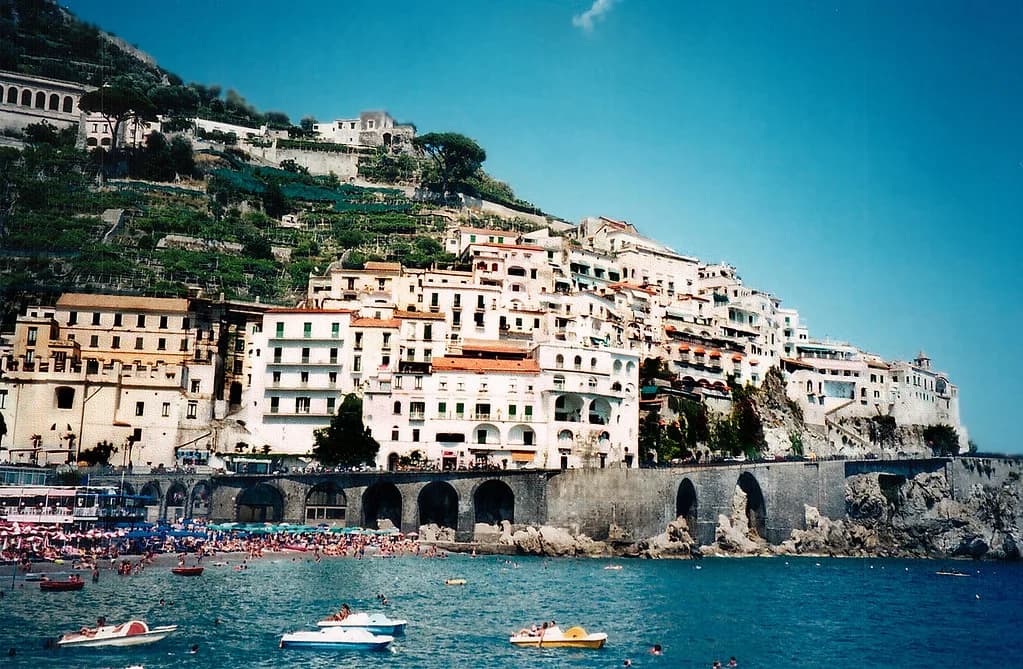
Build in time for the ordinary streets as well as the monuments. Amalfi is the largest of the towns yet keeps a fishing-village feel, which rewards slow walking rather than a rushed photo stop.
If your time is tighter than two days, a separate plan for just the town helps you decide what to cut. The Amalfi in one day itinerary strips the visit down to its essentials, which is useful for a late arrival or a short first morning.
Day One, Afternoon: Atrani and the Torre dello Ziro
Atrani is about a ten-minute walk from Amalfi, which makes it the easiest addition to a town day and far less effort than another bus ride. Combine the two on foot for a relaxed afternoon and a swim or lunch in Atrani before returning.
For views, the Torre dello Ziro watchtower sits a short scenic hike from town and pairs well with a morning in the centre. Go with proper shoes and daylight to spare, and turn back if the path or weather looks unsuitable, since conditions on coastal trails change.
If stairs and heat have worn you down, skip the hike entirely. A slower loop between the two towns, with a coffee stop and a look at the shoreline, is a legitimate way to spend the afternoon.
Day One, Evening: Stay Put in Amalfi
Resist the urge to chase a second town at sunset. Amalfi's evening streets are the reward for staying overnight, and eating locally means you are not watching the clock for a last bus or ferry.
Use the evening to eat well and plan day two around the weather forecast. Lemon-flavoured treats and seafood are the regional staples, and a local food guide can help you order beyond the obvious.
Day Two, Option A: Nature and Coast
Pick this option if you want sea air and exercise. The Path of the Gods above Positano delivers sweeping coastal views, while the Spiaggia di Laurito cove near Positano is reached by a short boat ride and suits a swimming day.
Positano is a vertical town built into cliffside staircases, so comfortable shoes matter more than a packed schedule. Budget for the climbing and treat the beach as the destination rather than a checkpoint.
Capri is often pitched as an easy add-on, but it is a full day in practice. If you go, start early and book any boat tour or Blue Grotto visit through a reputable operator, confirming departure points and conditions directly.
Closer to Amalfi, the Valle delle Ferriere offers a greener walk up the valley for those who want nature without a boat. Check the route and any access rules before setting out, then take the Valle delle Ferriere visitor guide as your starting reference.
Day Two, Option B: Ravello or Maiori
Choose Ravello if churches, gardens and cliffside views appeal more than sand. It sits high above the coast and rewards an unhurried pace, with Villa Rufolo's grounds a common stop; confirm current entry arrangements before you rely on them.
Maiori is the beach alternative, one of the largest towns on the coast with a long stretch of sand that spreads people out. It suits a family day or anyone who wants space rather than another set of stairs.
Ravello has historically hosted an annual arts festival with music and dance in summer. Do not assume specific July or August programming for your dates; check the festival's own announcements instead.
Whichever you choose, decide the night before and check your return options first. A hill town like Ravello depends on buses, so the timetable shapes the day more than the sight list does.
Getting Around: Transport and Timing Practicalities
Ferries are fast and scenic when they run, but service is seasonal and weather-dependent. Buses cover the coast roads year-round in principle but can be crowded, so boarding early in the day is generally easier.
Renting a scooter gives flexibility, but it also means dealing with traffic, parking and unfamiliar roads. If you are not confident on two wheels, a bus or a booked transfer is the calmer choice.
Do not plan your final evening around an unverified last departure. Confirm the final ferry or bus of the day with the operator, and keep a transfer option and some cash in reserve as insurance.
Pair a day-by-day plan with a broader view of the town's quieter corners, so you can swap in something nearby if boats are cancelled. The hidden gems in Amalfi guide is a good place to find alternatives within walking distance.
Where to Stay and How to Split Nights
For a two-night trip, stay both nights in Amalfi. It keeps packing simple and puts you within walking distance of Atrani, with Ravello and the ferries reachable for the day.
If you add a third night, split it between Amalfi and one other base rather than commuting from Naples. A night in Ravello or Sorrento gives you quieter mornings there before the day crowds arrive.
Wherever you book, confirm the walk from the drop-off point to the door. Many Amalfi addresses involve steps, and drag-heavy luggage up a staircase is a poor start to a short trip.
Practical Pacing: Stairs, Shoes and Slack
Both Amalfi and Positano involve vertical staircases, so wear shoes you can climb in and carry water. This is not a destination for a rigid timetable; heat and crowds slow everything down.
Leave at least one unstructured block per day for a swim, a granita by the water, or a spontaneous detour. On a two-day trip those slow hours often stay with you longer than another monument.
Check opening days for churches and villas before you go, since interiors run on their own schedules. A quick look at the Amalfi Attractions hub keeps the sight options in one place.
Plan Your Visit
Two days in Amalfi work when you commit to one base and two purposes: a town day and a coast or hamlet day. Book your nights in Amalfi, arrive via Naples or Sorrento, and verify every ferry, bus and opening time with the operator before you rely on it.
Keep one fallback for each day in case boats are cancelled or a hike feels too much in the heat. A town you can walk to, like Atrani, is the most reliable backup on this coast.
Frequently Asked Questions
Is two days enough for the Amalfi Coast?
Two days gives you a solid taste of Amalfi town and Atrani plus one bigger outing, such as Ravello, the Path of the Gods or a beach day. It is not enough for Positano, Ravello, Capri and Amalfi all at once; longer itineraries typically give each town several nights. Choose your base and treat the rest as optional.
Should you base in Amalfi or Sorrento for a two-day trip?
Basing in Amalfi suits this plan because Atrani is walkable and Ravello and the ferries are close for a day out. Sorrento works better if you want easier access to Naples, Pompeii or Capri. Staying in one place rather than commuting from Naples saves transit time and gives you quieter mornings and evenings.
What can you do in Amalfi on day one?
Spend the morning on foot around the Duomo di Sant'Andrea Apostolo and the Chiostro del Paradiso, checking current entry rules locally. In the afternoon walk to Atrani, or hike to the Torre dello Ziro if you have good shoes and daylight. Keep the evening in Amalfi rather than chasing another town.
Is Atrani walkable from Amalfi?
Yes, Atrani is about a ten-minute walk from Amalfi according to one traveller's account, which makes it the easiest addition to a town day. You can combine both on foot, with a swim or lunch in Atrani before returning. It is also a sensible backup if boats are cancelled.
Should day two be Capri, Ravello or the Path of the Gods?
Choose the Path of the Gods for coastal hiking and views, Ravello for churches, gardens and hill-town atmosphere, or Capri for a full day of island exploring. Maiori is the beach alternative if you want sand and space. Capri is not a quick add-on, so pick one and check return transport first.
How do you get from Naples or Sorrento to Amalfi?
Ferries, buses and private transfers are the main options, with ferries seasonal and weather-dependent. One traveller's account puts buses and ferries at roughly one to one and a half hours, but that is unverified, so confirm times with the operator. Keep a fallback in case boats are not running.
Is November a good time for a two-day Amalfi itinerary?
November is quieter, but ferry service is more limited and some seasonal businesses close, so check what is operating for your dates. Town-based activities like the Duomo and walking to Atrani are less weather-dependent than boat trips. Confirm transport and opening times directly before booking.
Sources
Continue exploring
More guides you'll find useful





