Museo di Santa Caterina Guide: Treviso's Civic Museum
Plan a visit to Treviso's Museo di Santa Caterina: the former convent setting, Saint Ursula frescoes, opening days, and how the civic museums fit together.
On this page
Treviso's Museo di Santa Caterina sits inside a restored 14th-century convent complex at Piazzetta Mario Botter 1, and it is the anchor of the city's civic museum system. Its rooms hold Renaissance and later paintings, regional archaeology, and one celebrated fresco cycle. A sensible visit starts by understanding the building as much as the collection.
The museum is one of three civic venues listed by the operator, alongside Museo Luigi Bailo and Ca' da Noal – Casa Robegan. The three do not behave the same way: the operator states that Casa Robegan opens only in connection with temporary exhibitions, so Santa Caterina and Bailo are the two dependable stops. Santa Caterina's collections span archaeology and Italian painting from the 14th to the 18th century.
Where the Museum Sits in Treviso
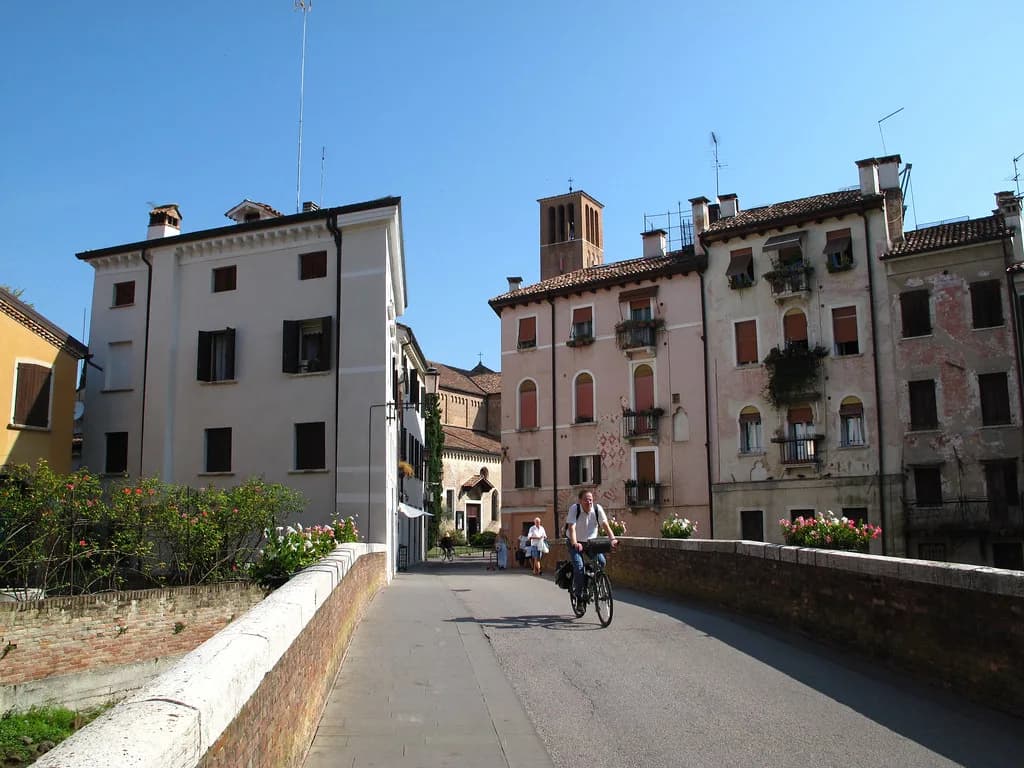
The entrance is on Piazzetta Mario Botter, within the walled centre, and the Santa Caterina complex is a short walk from the cathedral and Piazza dei Signori. That makes it a city-centre stop rather than an excursion out of town. Allow a few extra minutes to find the piazzetta, since it is a small square rather than a main street.
If you are combining sights, the museum pairs naturally with the canals and back lanes covered in the hidden gems guide, which sits beyond the main piazzas. Build the museum in as an indoor block and keep the walking for the cooler parts of the day. The official site lists separate addresses for its main venues, so check which building you want before setting off.
The Building: A Convent Turned Museum
Santa Caterina is a former convent whose cloisters and frescoed walls have been adapted for exhibition use rather than erased. The complex includes a deconsecrated Gothic church that now serves as an exhibition space for larger shows. Because the historic fabric is part of the display, the visit is as much about the rooms as about the individual works. Further visitor details appear in Museo Civico di Santa Caterina, art and archaeology - Guide.en-vols.
Practically, that means varied light and uneven room shapes rather than a neutral gallery sequence. Visitors who prefer to move quickly can focus on the fresco cycle and one or two painting rooms, while those interested in architecture will want to linger in the cloister. Neither approach requires a fixed route, so follow the room sequence and double back if something catches your eye.
Opening Days and Planning Your Visit
The operator lists Museo Santa Caterina and Museo Luigi Bailo as open Tuesday to Sunday from 10:00 to 18:00, closed on Monday. Casa Robegan is listed as open only in connection with temporary exhibitions. Hours can change around holidays and exhibition installations, so confirm on the official site before you travel rather than relying on a saved screenshot.
Because Monday is the standard closure, a Monday arrival in Treviso is best spent on the canals, churches and piazzas rather than the civic collections. If your trip is short, put Santa Caterina on the first full day so a change of plans does not cost you the frescoes. The operator publishes contact details for each venue, useful if you need to ask about group visits or specific rooms.
The Painting Gallery: Trecento to Settecento
The painting collection runs from the 14th to the 18th century, and the museum's own site names Giovanni Bellini, Lorenzo Lotto and Titian among its holdings. Guide.en-vols describes the same sweep, from Lorenzo Lotto and Gentile da Fabriano to Giovanni Bellini, Titian, Guardi and Tiepolo. That range lets you trace stylistic change across several centuries without leaving the building.
For a first visit, pick two or three rooms and look properly rather than trying to cover every wall. The gallery rewards close looking at a handful of panels more than a fast circuit of the whole floor. Check the museum's exhibition pages before you go, since temporary displays can reshuffle which works are on view.
Tomaso da Modena and the Saint Ursula Frescoes
The Legend of Saint Ursula is a fresco cycle painted around 1350 by Tomaso da Modena for the church of Santa Margherita degli Eremitani, and it is now displayed in the former church at Santa Caterina. Guide.en-vols calls it one of the museum's signature works and an Italian masterpiece of the Trecento. It is the reason many visitors come.
Give the frescoes their own unhurried block of time, because the individual scenes carry the story and reward reading in sequence. If you arrive with limited energy, see this room first and let the rest of the museum be optional. The frescoes are part of the museum collection rather than a separate ticketed attraction, though admission arrangements should be confirmed on the official site.
The Archaeology Section
The archaeology rooms display finds from excavations in the region, tracing settlement in the Treviso area from the Bronze Age through the Roman period. Guide.en-vols frames it as a counterweight to the paintings, showing how the area's peoples lived before the medieval city. Families often find this section easier to digest than rows of altarpieces.
If time is tight, treat archaeology as a twenty-minute stop and prioritise the frescoes. If you have a rainy afternoon, however, the regional material rewards a slower read of the labels. Note that the collection's scope is regional rather than a survey of the whole ancient Mediterranean.
Ticket Scope: What Is and Is Not Confirmed
The museum's own pages set out addresses and opening days but do not spell out a single admission price or a combined ticket covering Santa Caterina, Bailo and Casa Robegan. Treat any claim of one ticket for all three sites as unconfirmed until the operator states it. Instead, check the ticket page and ask at the desk on arrival, especially if you plan to visit more than one venue on the same day.
Don't budget from secondhand blogs, and don't assume any pricing quoted elsewhere is current. The practical move is to confirm current admission and any combined option directly with the museum before you commit your day. If you only have time for one venue, Santa Caterina offers the broadest mix of art and archaeology.
The Wider Civic Museum System
Museo Luigi Bailo on Borgo Cavour holds the city's art collections and shares the Tuesday-to-Sunday pattern with Santa Caterina, making it the natural second stop. Casa Robegan on Via Antonio Canova is managed by the Fondazione Giuseppe Mazzotti per la Civiltà Veneta and opens in connection with temporary exhibitions. Plan around that: do not build a day around Casa Robegan without checking that a show is running.
Seeing both main museums in one day is possible but demanding, since each has enough to fill a couple of hours. A better split is Santa Caterina in the morning and Bailo in the afternoon, with a long lunch in between. If you only want one, choose Santa Caterina for the frescoes and the convent setting.
Temporary Exhibitions and the Former Church
The deconsecrated church at Santa Caterina is used for temporary exhibitions, so the programme changes what you will see alongside the permanent collection. The operator's site lists its current and upcoming shows with date ranges, and those dates are the ones to trust. Check them close to your travel date, because schedules can shift.
The city's Tomaso 700 programme ran from 26 September to 5 December 2026, and this page was retrieved in October 2026, so do not plan around it without checking the official listing again first. Similar cultural programming may return, but only a fresh listing on the official site or the city's events pages confirms it. Build your visit around the permanent frescoes, which do not depend on the exhibition calendar.
How Long to Allow, and Pairing with Central Treviso
A focused visit to Santa Caterina takes roughly ninety minutes to two hours, which is a suggested budget rather than an official figure. Add time if a temporary exhibition is running in the church. If you are travelling with children, the archaeology section and the fresco narrative tend to hold attention better than long rows of panels.
For a half day, pair the museum with a walk through the streets around Piazza dei Signori and the canal edges, where the city's smaller sights sit close together. Keep the museum as your indoor anchor and let the rest of the morning or afternoon stay loose. That structure works well in both hot and wet weather, when a fixed indoor slot is a relief.
Practical Notes Before You Go
Confirm opening days, current exhibitions and admission details on the official site before travelling, and use the published phone numbers or email addresses if you have a specific question. The operator lists Museo Santa Caterina at Piazzetta Mario Botter 1 and Museo Luigi Bailo at Borgo Cavour 24, both in Treviso. Booking arrangements, group rates and any accessibility provisions should be requested directly rather than assumed.
The operator's pages do not state bag rules, security checks or step-free access across the complex, so ask the museum directly if these matter for your visit. Similarly, no bookshop or café is listed on site, so don't count on one. Planning around confirmed facts keeps a short city break flexible.
Plan Your Visit
Santa Caterina works best as a calm, focused stop: check the Tuesday-to-Sunday schedule, confirm ticket scope directly with the museum, and give the Saint Ursula frescoes proper time. The convent setting and the archaeology rooms make it more than a single-room pilgrimage. Build the rest of your Treviso day around the piazzas and canals rather than racing between venues. For wider planning, see Treviso Attractions: Visitor Guides to 11 Sights.
If you only manage one civic museum, choose this one for its combination of Trecento frescoes, Renaissance panels and regional archaeology. If you have a second day, add Museo Luigi Bailo and skip Casa Robegan unless a temporary show is confirmed. Verify hours and admission on the official site in the week before you travel.
Frequently Asked Questions
What days is the Museo di Santa Caterina open?
The operator lists it as open Tuesday to Sunday from 10:00 to 18:00 and closed on Monday. Confirm on the official Musei Civici Treviso site before you travel, since hours can change around holidays and exhibition installations.
Are Tomaso da Modena's Saint Ursula frescoes inside the museum?
Yes. The Legend of Saint Ursula, painted around 1350, is displayed in the former church at the Santa Caterina complex and is part of the museum visit rather than a separate off-site attraction.
Does one ticket cover Santa Caterina, Museo Bailo and Casa Robegan?
The operator's pages set out addresses and opening days but do not define a combined ticket covering all three venues. Check the official ticket information or ask at the desk before assuming a single admission covers multiple sites.
How long does a visit to the Museo di Santa Caterina take?
Allow roughly ninety minutes to two hours for a focused visit, and more if a temporary exhibition is running in the former church. This is a suggested budget, not an official duration.
Is Casa Robegan always open?
No. The operator states that Casa Robegan opens in connection with temporary exhibitions, so check that a show is running before planning a stop there.
Where is the museum entrance?
Museo Santa Caterina is at Piazzetta Mario Botter 1 in Treviso, within the walled centre and a short walk from the cathedral and Piazza dei Signori.
Sources
Continue exploring
More guides you'll find useful