Museo Glauco Lombardi Parma: Napoleon & Marie Louise Guide
Visit Parma's Museo Glauco Lombardi: who Maria Luigia and Napoleon were, what Palazzo di Riserva holds, and which portraits, costumes and papers to seek out.
On this page
A Napoleonic museum sits in Parma because the woman at its heart ruled here. Maria Luigia d'Asburgo was Napoleon's second wife and Empress of the French, and from 1816 she was Duchess of Parma, Piacenza and Guastalla. The Museo Glauco Lombardi gathers the art and personal objects that keep that double life visible in one place. Related guide: Parma Rainy Day Guide: Indoor Things to Do and Museums.
The museum occupies Palazzo di Riserva on Strada G. Garibaldi, 15, in central Parma. The address and telephone number are published on the museum's own site, which is the reliable place to confirm practical details before you travel, and our Parma Attractions hub lists it among the city's sights if you are weighing it against others.
Who Maria Luigia d'Asburgo Was
Maria Luigia, known in French as Marie Louise, married Napoleon Bonaparte as his second wife and became Empress of the French. After his fall she was given Parma, and from 1816 she governed as duchess of Parma, Piacenza and Guastalla. The museum's own presentation names her in exactly those terms, which explains why a Habsburg archduchess anchors a collection about Napoleon.
That combination of imperial and ducal roles is what makes the collection more than a Napoleon shrine. The objects here track a woman who moved from the French court to a small Italian duchy and ran it for decades. Readers who expect only battle memorabilia will find a court and a household instead.
How the Museum Began
The museum exists because of one collector's persistence. Glauco Lombardi (1881-1970), born at Colorno, trained as a teacher of art history and spent his life gathering objects tied to Parma under the Bourbons and under Marie-Louise. The Fondation Napoléon's profile describes how he devoted his energies and his own money to assembling the collection.
Much of the material came through descent rather than purchase. Many pieces belonged to the duchess and passed to Giovanni Sanvitale through his grandmother Albertina Montenuovo, a daughter of Marie-Louise, before being enlarged by gifts and acquisitions. Knowing that lineage helps explain why dresses, letters and everyday items sit beside formal portraits.
The first nucleus was housed in a few neglected rooms of the Reggia di Colorno, which Lombardi refurbished between 1915 and 1945. A 1934 agreement with Count Sanvitale consolidated the project, and the museum finally opened in Palazzo di Riserva in Parma in 1961. It has been a foundation since 1971, under the aegis of the Municipality of Parma.
The Palazzo di Riserva Setting
The museum is inside a palace in the middle of Parma, at number 15 on Strada G. Garibaldi, which puts it within easy reach of the historic centre rather than in a suburban park. That central placement is the main planning advantage: you can slot it into a walking day without a separate trip.
A restoration and modernisation campaign in 1997-99, followed by an expansion onto the palace's ground floor, reshaped what visitors see today. The Fondation Napoléon describes the result as a secure, modern and accessible museum, but this is a general description rather than a room-by-room access audit; anyone with specific mobility needs should confirm details directly with staff.
What to See: Room by Room
The museum is laid out as a sequence of named rooms rather than one long gallery. The operator lists the Atrio, Salone delle Feste, Sala Dorata, Sala Toschi, Sala Acquerelli, Sala Francesi, Sala Petitot, Sala Affetti and Sala Maria Luigia, each with its own character. Treating them as chapters keeps a small museum from blurring into one display case.
The Salone delle Feste holds the principal highlights. According to the Fondation Napoléon, it contains Robert Lefèvre's large official portrait of Marie Louise from 1812, Pierre-Paul Prud'hon's painting of the King of Rome with his mother, and the young bride's sumptuous wedding corbeille, the gift from the Emperor. The duchess's own fortepiano also stands in this room.
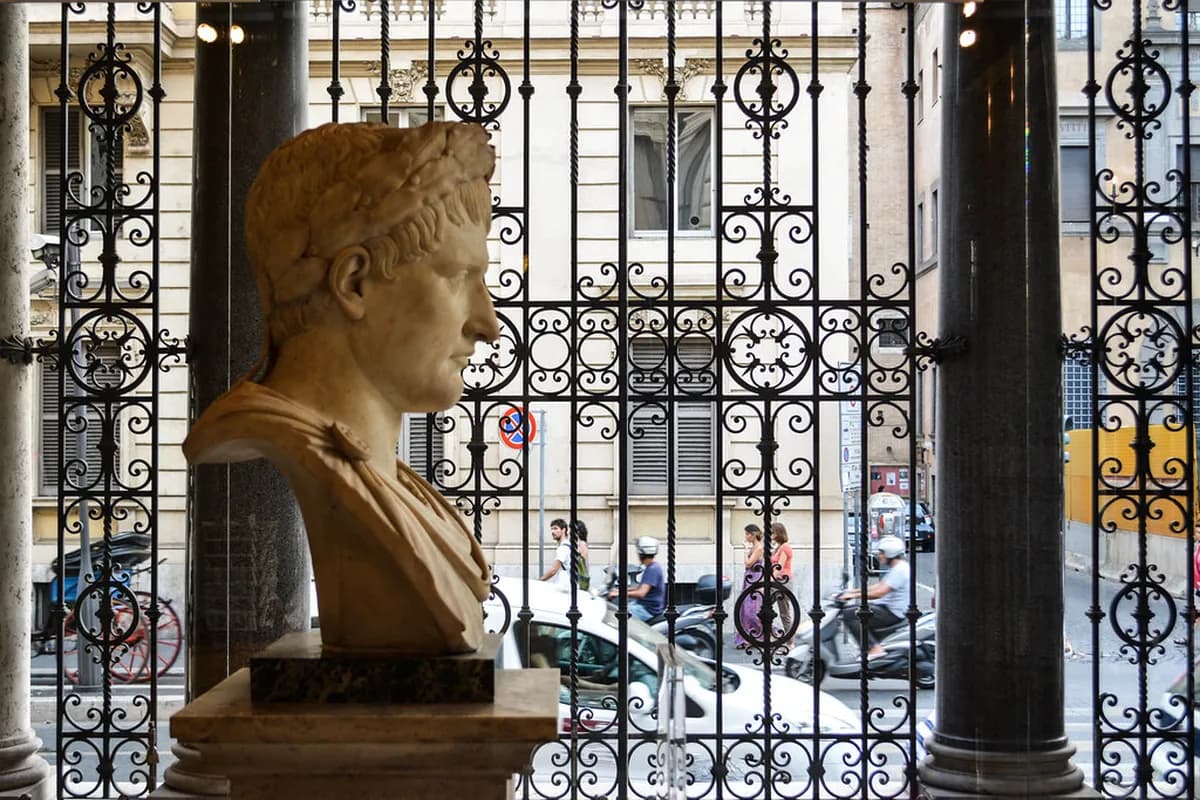
A bust of Marie-Louise by Antonio Canova and a parure de cheveux that belonged to her round out the sculpture and jewellery illustrated on the same page. The Sala Maria Luigia gathers the most personal material about the duchess herself, so if your time is short, start in the Salone delle Feste and then move there.
Costume, Jewellery and Personal Papers
The collection is strong on the texture of court life, not just its portraiture. An elaborate dress worn by Marie-Louise as Duchess of Parma, rich garments and jewels, embroidery and small personal effects show how the duchess dressed and furnished her world. Napoleon-related memorabilia, including a sword, appear alongside them so the two strands of her life stay connected.
Letters and diaries are the quieter draw. As the museum directory museum.de puts it, they offer a glimpse of the Duchess's personal concerns and of the court around her, which is why the museum can feel intimate rather than imposing. If you read Italian, slow down in these cases; if you do not, prioritize the visual objects and the portraits. Further visitor details appear in Museo Glauco Lombardi - Napoleonic Museum @museum.de.
Beyond Maria Luigia: Bourbon Parma and Temporary Exhibitions
The collection looks both before and after Marie-Louise's reign, covering Parma under the Bourbons from 1748 to 1802 and again from 1847 to 1859. That wider frame gives context for what she inherited and what followed her in the duchy, and it is worth a pass even on a short visit.
The museum regularly stages thematic exhibitions on the ground floor and runs a concert series, Musica al Museo, often using the duchess's fortepiano, plus a December Maria Luigia Week. The Fondation Napoléon's page describes these ground-floor shows as free thematic exhibitions; because that is a general description rather than a current listing, confirm on the operator's site what is running and whether admission is charged.
Temporary exhibitions come and go, so check the museum's events pages before setting your date. The same pages carry any scheduled conferences and exhibition openings, which may fall before or after your visit.
Practical Planning: Time, Tickets and Hours
Allow roughly one to one and a half hours inside, as a suggestion rather than an official figure. A small collection rewards slow looking, and the personal papers and costume cases can absorb more time than the room count implies. Add extra if a temporary exhibition is on.
Opening hours and admission charges are the details most likely to trip you up. The third-party listing museum.de, retrieved in 2026, gives a Tuesday-to-Saturday and Sunday schedule with Monday closure, plus a scale of admission charges and free entry for younger children. Treat those as a dated snapshot reported by a directory, not as current policy, and verify with the operator before relying on them.
The operator's own contacts and tickets page is the place to confirm what is charged, what is reduced, and whether a guided tour can be booked. Do not rely on aggregator pages for a price you intend to budget around, and do not assume any discount category or booking option still applies.
Note that the city tourism domain visitparma.it currently shows nothing but a notice that the domain is for sale, so it is not a usable source for Parma visitor information. For orientation, plan from the museum's own address on Strada G. Garibaldi and build the rest of your day outward from there.
Where It Fits in a Parma Day
Because the museum sits in the centre, it works as an anchor for a walking day rather than a destination in itself. Pair it with the surrounding streets and squares when the weather holds, and keep it as your fallback when rain interrupts a longer circuit. That is a planning suggestion, not a packaged itinerary.
If you are collecting Parma's smaller pleasures, our guide to the hidden gems in Parma covers the kind of overlooked corners that fill gaps between bigger sights. Reading it alongside this museum plan keeps a short trip from becoming a tick-list.
Our sources describe no combined ticket with the Pilotta or any other Parma site, so budget and plan each visit separately. The museum is not a large complex, and one admission covers its own rooms only; do not assume entry extends to temporary displays or events.
Plan Your Visit
Decide first what you want from the Museo Glauco Lombardi: a portrait-led introduction to Maria Luigia, or a slower read through her dresses, letters and household objects. That choice sets your pace and tells you whether an hour will do.
Then confirm the practical details with the operator before you go, using the Strada G. Garibaldi address as your anchor. Check current opening times on the museum's own channels, ask about admission rather than trusting a directory, and look up whether a temporary exhibition or concert coincides with your dates. For related planning, see Santa Maria della Steccata, Parma: Renaissance Church Guide.
Frequently Asked Questions
What can you see at the Museo Glauco Lombardi in Parma?
The collection covers Parma under the Bourbons and under Marie-Louise, with the duchess at its centre. Highlights include Robert Lefèvre's 1812 official portrait, a Prud'hon painting of the King of Rome with his mother, an Antonio Canova bust, the imperial wedding corbeille, the duchess's fortepiano, court dresses and jewellery, and letters and diaries. The rooms are individually named, from the Salone delle Feste to the Sala Maria Luigia.
Who was Maria Luigia and why does Parma have a Napoleonic museum?
Maria Luigia d'Asburgo was Napoleon's second wife and Empress of the French, and from 1816 she was Duchess of Parma, Piacenza and Guastalla. Her descendants' inheritance, passing to Giovanni Sanvitale through Albertina Montenuovo, gave the collector Glauco Lombardi a core of personal objects. He added to it over decades, and the museum opened in Palazzo di Riserva in 1961.
How long does a visit to the Museo Glauco Lombardi take?
A stay of about one to one and a half hours suits most visitors, but that is a suggestion rather than an official figure. The museum is compact, so the variable is how long you spend with documents and costume; a temporary exhibition adds time. If you are pressed, prioritize the Salone delle Feste and the Sala Maria Luigia.
Are the museum's temporary exhibitions free?
A general description of the ground-floor thematic exhibitions has referred to them as free, but that is not a current listing and should be checked with the operator. Look at the museum's events pages before travelling to see what is on and what admission applies. Do not assume a single ticket covers every display at all times.
Is the Museo Glauco Lombardi worth visiting if you are not a Napoleon specialist?
Yes, because the museum is built around a person rather than a campaign. Dresses, jewels, letters and a fortepiano carry the story for visitors with no interest in military history, and the Bourbon rooms place Parma in a wider arc. The named star pieces give non-specialists an easy route through the collection.
Where is the museum located in Parma?
The museum is at Strada G. Garibaldi, 15, in central Parma, inside Palazzo di Riserva. The operator publishes that address and a telephone contact on its website. The Reggia di Colorno appears in the museum's history as the collection's first home, not as a current branch.
Sources
Continue exploring
More guides you'll find useful