Cappella di San Brizio Frescoes in Orvieto: A Visitor's Guide
See what Signorelli's Last Judgment cycle in Orvieto's Cappella di San Brizio depicts, how it fits a Duomo visit, and what to look for up close.
On this page
The Cappella di San Brizio is a side chapel inside Orvieto's cathedral, and it holds the fresco cycle most often cited as Luca Signorelli's masterpiece. Its walls are packed with figures that seem to move, which is why many travelers plan a whole cathedral visit around this one room. As a suggested plan rather than an official timing, allow the chapel a focused block of your visit before you move on to the rest of the building, and expect the room to feel busy even when the nave seems calm. Further visitor details appear in Duomo di Orvieto. Related guide: Duomo di Orvieto Visitor Guide: Facade, Chapels & Visit Planning.
Practical details such as ticket scope, opening hours and any chapel-specific rules change, and the Opera del Duomo publishes them on its own site rather than through third parties. Treat any older blog post about entry as unreliable and confirm with the organiser before you travel. The historical dates and scene names below are the stable part of the story.
Where the Chapel Sits Inside the Cathedral
The chapel opens off the cathedral's right aisle, so you meet it on foot rather than through a separate entrance elsewhere in town. A photograph in the Web Gallery of Art collection shows the view from that aisle into the chapel, which is a useful mental map before you arrive. Because the space is small relative to the nave, it can feel crowded even when the cathedral itself seems calm.
Plan to treat the nave and the chapel as two different experiences inside one building. The striped facade and the mosaics outside pull most first-time attention, and travelers often walk past the chapel without realising the scale of what is inside. If you are building a wider itinerary, the Orvieto Attractions guides can help you order the cathedral with the well and the underground routes.
Fra Angelico's Vault and the Fifty-Year Pause
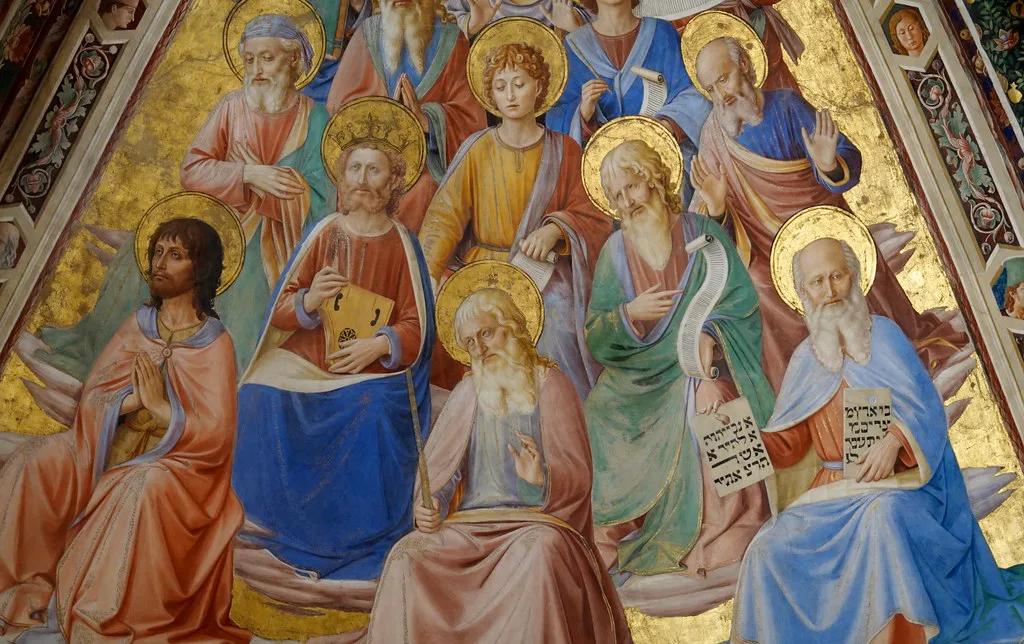
The chapel's story begins with a contract signed on 14 June 1447 between the Opera del Duomo and Fra Angelico, who was asked to fresco the vault on a Last Judgment theme. He and Benozzo Gozzoli completed the ceiling of heaven with ranks of saints around Christ as judge, then Fra Angelico was called to Rome and the work stopped in 1449. That interruption is the reason the chapel reads as two hands rather than one continuous design.
Pietro Perugino was approached in 1489 to finish the job and never began, so the decoration sat untouched for five decades. For visitors, this explains the visual jolt between the upper vault and the side walls: the ceiling belongs to an earlier, calmer idiom. Look up first when you enter, before the wall scenes absorb your attention.
Signorelli's Commission and What He Painted
In April 1499 the cathedral authorities turned to Luca Signorelli, and he completed the vault with choirs of apostles, doctors, martyrs, virgins and patriarchs. Pleased with that result, the board commissioned the large wall lunettes late in 1499, and he began the side walls in 1500. Sources give slightly different completion years for the wall cycle, so read 1503 or 1504 as a narrow historical window rather than a hard date.
Signorelli worked with a school of apprentices and assistants, which is part of why the scenes are so densely populated. The chapel's earlier name was simply the Cappella Nuova, and the San Brizio name came later from the venerated Madonna image associated with the space. That detail helps when you read older Italian sources that use the older label.
Reading the Side Walls Scene by Scene
The wall cycle runs across seven large scenes: the Sermon and Deeds of the Antichrist, the Destruction of the World, the Resurrection of the Flesh, the Damned, the Elect, Paradise and Hell. Rather than scanning the whole room at once, pick the Antichrist lunette first because it carries the most narrative detail per square metre. Then move to the Resurrection, where the figures rise from the ground in a way that rewards close looking.
In the Antichrist scene, a Christ-like preacher addresses an attentive crowd while a demonic figure whispers commands behind his ear, and the mid-ground includes staged deceptions such as a false raising of the dead. Art historians often connect the imagery to the preacher Girolamo Savonarola, who was executed in Florence in 1498, a year before Signorelli's commission. That context makes the scene read as a warning about eloquence rather than monstrosity.
Details Worth Slowing Down For
Tradition holds that the two dark-clothed figures in the lower left of the Antichrist scene are a self-portrait of Signorelli and a portrait of Fra Angelico. Treat it as a longstanding attribution rather than documented fact, but it is a good excuse to lean in and study faces rather than sweeping gestures. The rest of the crowd is equally worth your time, because each group reacts differently to the sermon.
The vault rewards a second pass once you have seen the walls. Look for the ranked choirs that Fra Angelico and Gozzoli designed, then notice how Signorelli's later figures on the walls carry far more torsion and movement. The contrast between the two campaigns is the single most instructive thing to observe in the chapel.
Why the Cycle Matters in Renaissance Fresco Painting
Signorelli's wall scenes are widely described as his most complex and impressive work, and they sit near the end of the 15th-century narrative tradition. Their muscular figures and dramatic crowd scenes influenced later Renaissance painting in general terms, though it is safer to speak of broad influence than to claim any single artist copied them. If you have seen Tuscan Last Judgment cycles, this one will feel more theatrical and more bodily.
Because the chapel was completed over decades, it also documents how a major cathedral workshop planned and revised an ambitious decorative programme. That makes it as interesting for building history as for pure art history. Readers who enjoy that angle should also look at the cathedral's own account of the Fabbrica and its construction.
A Suggested Pacing Plan for the Chapel
As a suggestion rather than a rule, give the chapel a focused block and split it three ways: the vault first, the Antichrist and Resurrection walls second, and the remaining lunettes last. Most travelers underestimate how much reading the scenes requires, so a rushed walk-through wastes the visit. If the room is busy, stand back and take in the composition before moving closer to individual figures.
Build the rest of the cathedral stop around that block rather than the reverse. The Cappella del Corporale, which holds the relic of the Bolsena miracle, and the underground spaces beneath the transept are both in the same building and are easy to slot in afterwards. The cathedral's own site lists these as the places not to miss alongside the San Brizio chapel.
What to Verify Before You Go
The Opera del Duomo sells tickets online and publishes separate categories for individuals, groups, tour operators, schools and institutions, which suggests different conditions may apply. Whether the chapel is covered by a particular ticket, and whether entry is timed, is not something to assume from an old post. Check the official ticket pages on the cathedral site before booking anything.
Opening hours, any chapel-specific restrictions and current pricing should all come from the same official source close to your travel date. Third-party guides, including this one, can describe the art but cannot guarantee access conditions. Note also that the cathedral site carries visitor notices, so read any alert banner before you set out.
Nearby Context in Orvieto
The Cappella del Corporale takes its name from the Sacred Linen linked to the miracle of Bolsena, and the chapel was built in the mid-14th century. Seeing it after San Brizio gives you two very different uses of a side chapel: one reliquary-focused, one narrative and theatrical. The cathedral's underground area, roughly 800 square metres beneath the transept and chapels, adds a third layer by showing the building site's own history.
Beyond the cathedral, Orvieto rewards a slower day. The Etruscan necropolis and the town's tuff-carved cellars both sit within reach of the historic centre, and the hidden gems in Orvieto guide covers corners that most day-trippers skip. Pairing one of those with the chapel makes a balanced visit rather than an art-only stop.
Plan Your Visit
The Cappella di San Brizio rewards preparation more than most Italian fresco cycles, because knowing the two-stage history turns a wall of figures into a readable story. Arrive knowing which scenes face you, look up at the vault before the walls, and leave time for the Corporale chapel and the underground spaces.
Confirm tickets, hours and any access rules with the Opera del Duomo shortly before you go, since those details change and no third-party summary can keep pace with them. The art itself has not moved since the early 1500s, and it is the part you can plan around with confidence.
Frequently Asked Questions
What do the Cappella di San Brizio frescoes depict?
The vault shows choirs of apostles, doctors, martyrs, virgins and patriarchs around Christ as judge, started by Fra Angelico and Benozzo Gozzoli. The side walls, painted by Luca Signorelli and his workshop, show seven large Last Judgment scenes: the Sermon and Deeds of the Antichrist, the Destruction of the World, the Resurrection of the Flesh, the Damned, the Elect, Paradise and Hell.
Who painted the chapel and when?
Fra Angelico and Benozzo Gozzoli began the vault after a contract of 14 June 1447 but stopped in 1449 when Fra Angelico was called to Rome. After a long pause and an abandoned approach to Perugino, Luca Signorelli was commissioned in 1499, completed the vault, and painted the wall cycle from 1500. Sources place the wall completion in 1503 or 1504.
How long should I spend in the chapel?
There is no official minimum, so treat timing as a personal suggestion. A focused block split between the vault, the Antichrist and Resurrection walls, and the remaining lunettes lets you actually read the scenes rather than glance at them. If the room is busy, standing back first and then approaching individual figures works better than trying to see everything at once.
Is the chapel included with a Duomo visit?
That depends on the ticket type, and the Opera del Duomo publishes separate categories for individuals, groups, tour operators, schools and institutions. Check the official ticket pages on the cathedral website for what each ticket covers and whether any chapel-specific conditions apply on your date.
What is the connection between Fra Angelico and Signorelli here?
Fra Angelico designed and partly painted the vault before leaving for Rome, and his programme of ranked choirs shaped what Signorelli later completed above the walls. Tradition also holds that Signorelli included a portrait of Fra Angelico, alongside a self-portrait, among the dark-clothed figures in the Antichrist scene. The stylistic gap between vault and walls is the visible trace of that handover.
Should I book ahead for the chapel?
The cathedral sells tickets online, but booking requirements and any timed entry are not something to assume from older guides. Confirm current arrangements directly with the Opera del Duomo before you travel, and read any visitor notice on its site in case access has changed.
Sources
Continue exploring
More guides you'll find useful