Ravenna Three-Day Itinerary: Mosaics, Classe and Day Trips
Plan three days in Ravenna: a mosaic-focused first day, Classe and Dante's quieter corners on day two, then a day trip or port time on day three.
On this page
Ravenna rewards a slower pace than a single rushed day allows. Its early Christian and Byzantine monuments sit close together in a compact historic centre, yet the surrounding story stretches out to Classe and a coastline beyond the city. Three days is enough to see the famous mosaics without sprinting, and to add context and breathing room.
As a rough planning anchor, one widely read visitor guide suggests allowing at least three to four hours to see the city's UNESCO monuments, noting that busy periods can limit how long you get at each. Treat that as editorial advice rather than an official figure, and build the plan below around it rather than against it.
Why Three Days Changes the Ravenna Trip
With one day you can tick off the headline churches, but the mosaics start to blur and the outlying sites tend to get dropped. Three days lets you split the trip into a dense mosaic morning, a separate day for Classe on the city's edge, and a deliberately lighter third day. That structure also gives you time to eat properly in a region known for its food.
A suggested pace: roughly half a day in the centre's monumental core on day one morning, a relaxed afternoon for Sant'Apollinare Nuovo and Dante's Tomb, a full day two out toward Classe, and a flexible day three. Treat those blocks as loose guides rather than fixed appointments, since some interiors may need timed entry and you should confirm current arrangements before relying on them.
Before You Go: Free Versus Ticketed Sites
Not everything in Ravenna carries an entrance fee, so it helps to sort free stops from ticketed ones in advance. The Basilica of San Francesco and Dante's Tomb are commonly described as free to enter, while the mosaic monuments such as San Vitale and the baptisteries generally sit behind combined tickets. Separate small museums, including Classis Ravenna and the Domus of the Stone Carpets, are ticketed on their own. The same guide describes Ravenna's main UNESCO monuments as using combined passes, while Dante's Tomb is listed as free.
Travel blogs report combined mosaic passes at a few different price points depending on how many sites you include. Those figures should be treated as blog-reported, not operator-confirmed, because passes and inclusions change. Check the Emilia-Romagna tourism site for current options, and buy or reserve at the ticket office or official booking channel on the day.
Some interiors may require timed entry, particularly the smaller mosaic spaces where capacity is limited. Do not assume a reservation is guaranteed or handled automatically by a combined ticket; verify each site's requirement when you book. If flexibility matters more than squeezing everything in, plan the centre over a full morning so a slow queue does not derail the afternoon.
Day 1 Morning: The Mosaic Core in the Centre
Start with the Basilica of San Vitale, the octagonal church whose apse mosaics of Justinian and Theodora are the image most visitors come for. It sits close to the Mausoleum of Galla Placidia, a small brick building whose star-studded interior feels like stepping into a jewellery box. Grouping these two first means you meet the finest work while your attention is freshest.
From there, walk to the Neonian Baptistery and the Archiepiscopal complex, which holds the chapel and museum. The Neonian Baptistery's domed mosaic of Christ's baptism is among the oldest surviving interiors of its kind, and the chapel offers a quieter, more intimate mosaic experience than the big basilicas. Allow more time than you think at the chapel, where small spaces reward slow looking.
Because these stops cluster tightly, you can cover them on foot without transport and pause for coffee between them. If one interior is busy, swap the order rather than waiting outside; the distances are short enough that flexibility costs little. Keep an eye on the clock so the morning's dense mosaic dose leaves room for lunch.
Day 1 Afternoon: Sant'Apollinare Nuovo and Dante's Tomb
After a break, head to the Basilica of Sant'Apollinare Nuovo, where long rows of saints and martyrs process along the walls beneath a golden ceiling. It reads as a visual journey through early Christianity, and the nave is easy to walk at your own speed. Then make your way to the quiet corner around the Basilica of San Francesco and Dante's Tomb, where Italy's great poet rests.
The Basilica of San Francesco is modest next to the UNESCO superstars, but it hides a curiosity: a flooded crypt where fish swim among ancient columns, as one visitor account describes. Dante's Tomb nearby is a small neoclassical monument, listed as free to enter, and best approached as a moment of quiet rather than a grand sight. Together they make a gentle, low-cost end to a heavy day of art.
For lunch or an early dinner, try a piadina romagnola, the local flatbread folded around squacquerone cheese, cured ham or grilled vegetables. It is quick street food that leaves you free to keep walking, and small piadina shops are scattered through the centre. If you prefer a sit-down meal, look for cappelletti in brodo or passatelli, both regional classics in Emilia-Romagna.
Day 2: Classis Ravenna First, Then Classe
Begin day two at the Classis Ravenna museum, which walks you through the city's story from its founding through Roman and Byzantine rule. It uses reconstructions and interactive displays, making it a practical primer before you look at the mosaics again with more context. The museum is ticketed separately, and it sits near the Basilica of Sant'Apollinare in Classe.
From the museum, continue to the Basilica of Sant'Apollinare in Classe, the colossal church outside the centre with a tall bell tower and vivid mosaics. Sources describe it as roughly five kilometres from the historic core, so this is the one stop where you will want a car, taxi or public transport rather than a stroll. The same account notes busier periods can limit how long you spend inside, so go early if you want unhurried viewing.
Finish at the Mausoleum of Theodoric, the only one of Ravenna's World Heritage monuments without mosaics. Its appeal is structural: a massive stone roof, and the building is described as a short, worthwhile look rather than a lengthy stop. It makes a useful counterpoint to the glittering interiors earlier in the day.
The asymmetry to plan around is simple: the centre is walkable, but Classe is not. Build transport into day two rather than hoping to walk it, and check return options before you commit to a late afternoon at the basilica. If you are relying on public transport, confirm timetables locally on the day.
Day 2 Additions: The Domus and the Cathedral
If you have energy left, the Domus of the Stone Carpets beneath the Church of Saint Euphemia reveals an excavated Roman villa with well-preserved floor mosaics. One visitor estimates around half an hour there, which suits a tired afternoon better than another basilica. Save it for a day when the major churches already feel like enough.
Ravenna Cathedral is free and quick, but be honest about the trade-off: it was built in the seventeenth century, long after the early Christian masterpieces, and it lacks their ancient intensity. It is an easy skip if time is short, or a short stop if you are passing. Do not let it displace the mosaics you came for.
Day 3 Option A: A Day Trip
Two straightforward day trips appear in the travel sources: Italy in Miniature, a miniature park with scale models of Italian landmarks, and San Marino, the small independent republic inland from Rimini. Both suit a third day when you want a change of scale from churches and mosaics. Neither is required to appreciate Ravenna, so pick based on whether you want playful or scenic.
Because journey times and transport options vary, check current connections from Ravenna before committing to either. The city's rail links make some excursions easier than others, but do not rely on remembered schedules; confirm times with the operator. If you would rather not spend the day travelling, treat day three as slack for anything you missed.
Day 3 Option B: A Slower Day Toward the Port
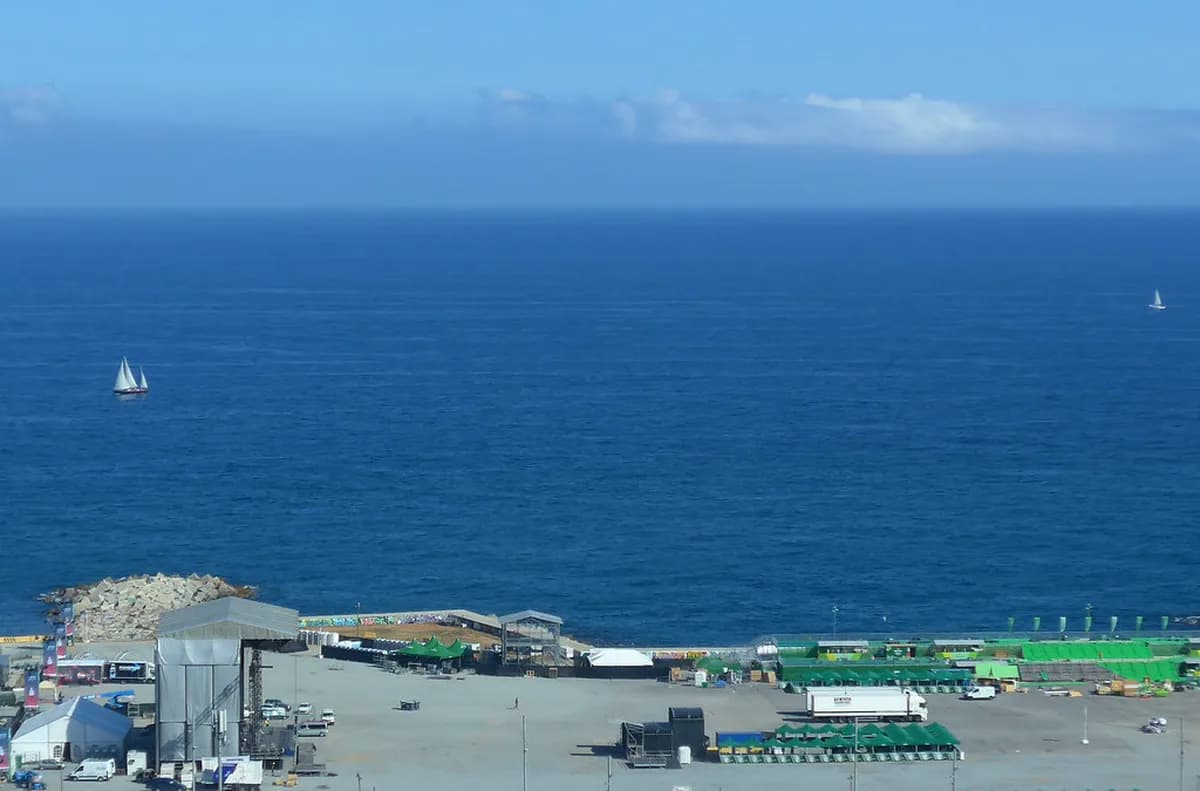
Ravenna sits near the Adriatic coast, and a third day can be spent drifting toward the port and beach side rather than chasing another monument. Sources mention that swimming and beach access near Ravenna exist, but do not document specific facilities in detail, so treat this as a wander rather than a fixed itinerary. Bring realistic expectations and check locally what is open.
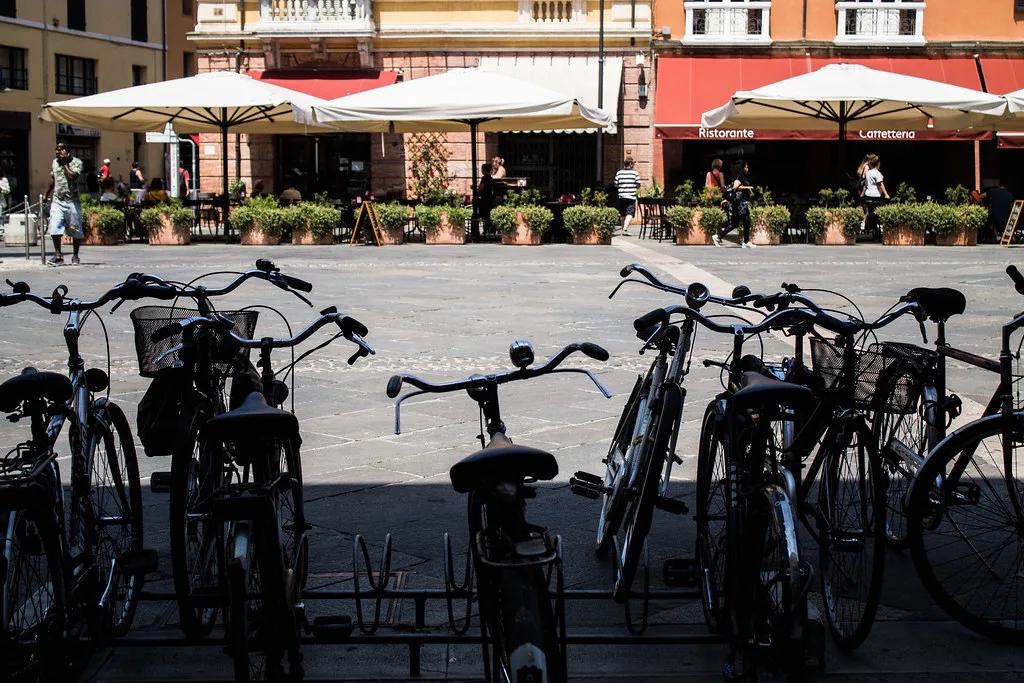
Use the day for the things that do not fit neatly into a sightseeing schedule: a long lunch, a market, a cycle ride through the flat streets, or a return to a mosaic you wanted more time with. Travel writing on the city describes the centre as calm and intimate, with pastel buildings and pedestrianised streets, so simply walking is a valid way to spend it. Alternatively, look for secondary sights among the hidden gems in Ravenna.
Where to Stay and How to Get Around
The historic centre is compact and largely pedestrianised, so staying near Piazza del Popolo, Via Corrado Ricci or San Vitale puts most monuments within walking distance. One city guide makes the same point about the centre being compact and walkable, which is the main argument for a central base if you plan to split the mosaic core across two sessions.
Getting around depends on which day you are planning. The centre is best on foot, while Classe needs wheels or public transport. Cycling is a reasonable option in this flat city, and it widens your reach without relying on timetables. Whatever you choose, confirm current routes and times rather than assuming a fixed schedule.
Season and Timing Trade-offs
Spring and early autumn are generally described as the best windows: mild weather, manageable crowds, and good light for viewing mosaics indoors and out. Summer can be hot and busier, though the nearby coast adds appeal, while winter is quiet and atmospheric but colder and wetter. Weigh comfort against crowd levels when you pick dates.
Ticket options change, so check the regional tourism calendar and the official channels close to your visit rather than budgeting from old blog figures. The Emilia-Romagna tourist board publishes events and practical information that can help you slot a festival or exhibition into the trip. Build in a buffer for at least one flexible afternoon.
Plan Your Visit
Three days in Ravenna works best as a progression: the mosaic core first, Classe and its museum second, and a flexible third day for a trip out or a slow wander toward the coast. Keep the order loose, confirm tickets and opening arrangements before you travel, and leave room for a long lunch.
Check the official regional tourism site for current pass options and event dates, and browse individual attraction guides before you commit to a fixed schedule. That way the mosaics stay the point of the trip rather than a race against a timetable. For related planning, see Ravenna Two Days Itinerary: Old Town Mosaics, Then Classe.
Frequently Asked Questions
How many days do you need in Ravenna?
One full day covers the main mosaic monuments in the centre, but it is tight. Two days add the Classis museum and Sant'Apollinare in Classe comfortably. Three days let you slow down and include a day trip or a gentler day toward the port, which is the structure this suggested itinerary follows.
Is three days in Ravenna too many?
Not if you want context and breathing room. The centre's sights are concentrated, so a rushed visit can feel repetitive. A third day is best used for Classe, a day trip such as San Marino or Italy in Miniature, or simply revisiting favourite mosaics at a slower pace.
What should you not miss in Ravenna?
The Basilica of San Vitale and the Mausoleum of Galla Placidia are the essential pair, followed by the Neonian Baptistery and Sant'Apollinare Nuovo. Outside the centre, Sant'Apollinare in Classe and the Mausoleum of Theodoric are worth the trip. Dante's Tomb is a short, free stop nearby.
Can you see Ravenna's mosaics in one day?
Yes, but expect a dense day. Most central monuments sit within walking distance, so a single day of focused walking is feasible. You will likely skip Classe, and you should check whether any interiors need timed entry before setting out.
Are combined mosaic tickets worth it?
Usually, if you plan to visit several monuments. Travel blogs report tiered combined passes, but those figures are blog-reported, not operator-confirmed. Check the official tourism site or ticket office for current options and inclusions before you buy.
Is a guided tour worth it in Ravenna?
It depends on how much context you want. The mosaics carry dense early Christian and Byzantine symbolism that display boards cover only briefly. A guide can unpack that, though you should confirm current prices, durations and availability directly rather than relying on blog figures.
Is Ravenna or Rimini a better base?
Ravenna suits travellers focused on art, mosaics and history, while Rimini appeals more for beaches and a livelier resort atmosphere. The two are in the same region, so some visitors combine them. Choose based on whether you want monuments or coast on your doorstep.
Sources
Continue exploring
More guides you'll find useful