Sorrento Fish Market Guide: Marina Grande Seafood Walk
Plan a slow seafood walk through Sorrento's Marina Grande fishing quarter, with honest advice on verifying the fish market, beaches and waterfront eating.
On this page
Searching for the Mercato della Pescheria in Sorrento tends to lead to Marina Grande, the town's working fishing harbour below the cliffs. That is the right quarter to explore, but a named market building with published visitor hours is not something the sources used here confirm, so treat any schedule you see online as unverified. The sensible approach is to plan a morning or late-afternoon walk around the harbour, then confirm market activity locally when you arrive rather than building a tight itinerary around a stall that may not be trading.
This guide is written for travellers who would rather eat where the boats come in than tick off a landmark. It covers the geography, the descent from the centre, what the harbour actually looks like, how to judge a seafood menu, and where the walk fits alongside the cloisters and Villa Comunale. Walking directions and harbour details below are drawn from published Sorrento guides and are cited where specific.
Quick Answer: What the Mercato della Pescheria Name Refers To
In Sorrento, fish and seafood are tied to Marina Grande, the small harbour west of the town centre where fishing boats still work from the waterfront. A dedicated covered fish market with advertised opening times for visitors does not appear in the sources behind this guide, and none of them gives market days, auction times or an admission fee. Readers should therefore treat the phrase as a pointer to the fishing quarter and the seafood restaurants around it, not as a confirmed attraction with a published timetable.
The practical method is simple. Ask at your hotel or at a harbour restaurant whether boats are landing that morning, and look for activity at the slipway before committing to a long detour. If you want the wider context of what to see in town, the Sorrento Attractions hub maps out the main sights so you can slot the harbour into a broader day.
Marina Grande Versus Marina Piccola: The Name Trap to Avoid
The names are genuinely confusing. Marina Grande, despite meaning big marina, is the smaller and calmer of Sorrento's two harbours, while Marina Piccola is the busier port where ferries and cruise traffic dock. Getting these the wrong way round is the single most common way to end up somewhere other than the fishing quarter. If you are booking a boat trip to Capri, the Blue Grotto or along the coast, check which marina the operator actually departs from, because the majority of larger boats and ferries leave from Marina Piccola. Further visitor details appear in Marina Grande, Sorrento: a guide.
A guide to the harbour sets out that distinction clearly and is worth reading before you book anything. The Sorrento neighbourhoods guide is a useful companion if you want to understand how the harbour relates to the old town and the clifftop streets above it.
Getting Down There: The Walk, the Steps and the Climb Back
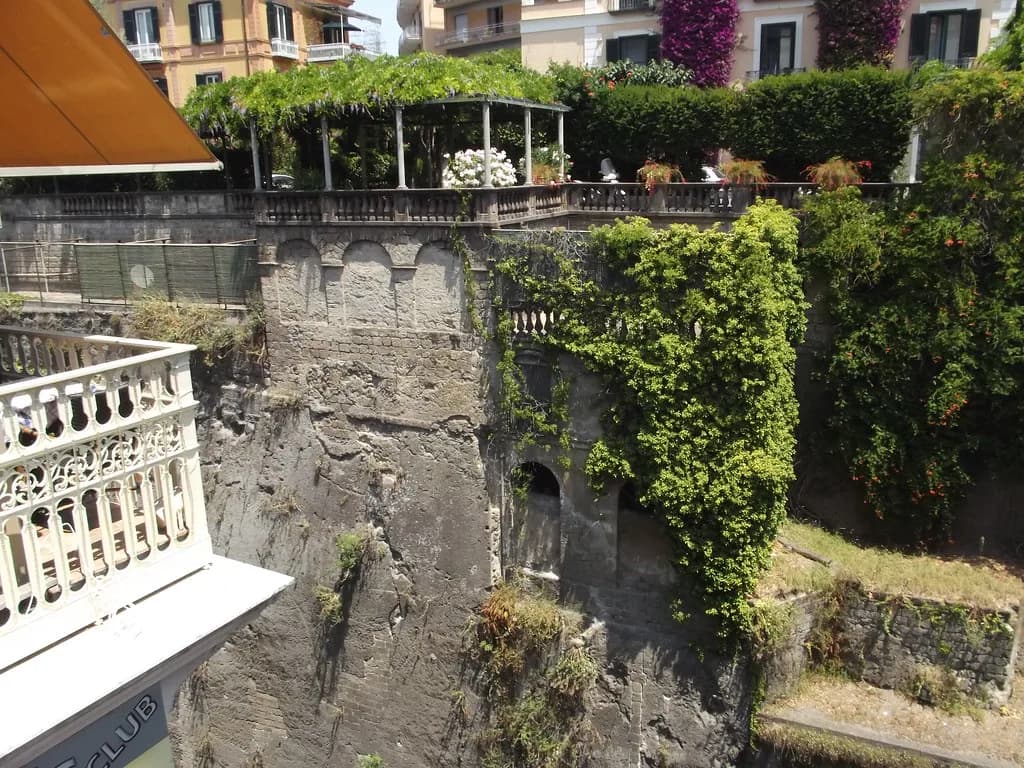
The classic approach is on foot from Piazza Tasso, following the main road past the Villa Comunale and the Church and Cloisters of San Francesco until you reach Piazza della Vittoria, then turning down Via Marina Grande. A Sorrento guide's walking directions describe the marina as about an eleven-minute walk from Piazza Tasso, and the descent finishes with a set of stone steps down to the water. Expect the return to be noticeably harder: this is a steep cliffside climb with no lift serving Marina Grande, unlike the paid lift from Villa Comunale down to Marina Piccola.
Buses also run from Piazza Tasso down to the harbour, and taxis are available if you would rather not walk back up, according to a published guide to Marina Grande. If you are exploring the centre first, a Sorrento walking tour self-guided route through the old town can be stitched onto the harbour descent so you only climb the hill once. Sensible shoes matter more than anything else here, because the steps are stone and can be slick after rain.
What You Will Actually See in the Fishing Quarter
Marina Grande is a working harbour rather than a staged attraction. Brightly painted wooden boats, known locally as gozzi sorrentini, bob along the water's edge, fishermen mend nets by hand, and pastel buildings line the waterfront behind a small sandy beach. The village has its own shops, bars and church, which gives it the feel of a community in itself rather than an extension of the tourist centre, as Sorrento Review describes it. Views run across the bay towards Vesuvius, which is why so many of the waterfront tables face outwards.
It is also, by several accounts, quieter than the centre of Sorrento, though that does not make it undiscovered. Peak season still brings crowds, and the waterfront fills at lunch and sunset. For a broader selection of quieter corners around town, the hidden gems in Sorrento guide covers the kind of places that reward a slower pace rather than a quick photo stop.
The Market Stall Reality Check: Verify Before You Build a Morning Around It
No source in this guide documents a visitor-facing fish market schedule for Sorrento, so anyone promising specific days, hours or an auction spectacle is guessing. The realistic plan is to check with your accommodation or a harbour restaurant the day before, and to keep the harbour walk as the fixed part of your morning with the market as a bonus. If a stall is trading, buy nothing you cannot carry comfortably, and ask before photographing traders at work.
For orientation on what the harbour area contains, the Marina Grande guide describes the waterfront restaurants, the beach and the church in one place. Read it before you go so you know which end of the harbour you are aiming for rather than wandering the single-lane road looking for a market that may simply not be there that day.
Chiesa di Sant'Anna and the Village Core
The small church at the heart of the village is dedicated to Sant'Anna, Sorrento's patron saint, and is used for local weddings, according to a published guide to the harbour. It makes a short, free cultural stop in the middle of the harbour walk rather than a destination in itself, and it gives you a reason to look beyond the restaurant terraces. Dress respectfully if a service is in progress, and check locally for opening times rather than assuming the doors will be unlocked.
Pair the church with the cloisters back up the hill: the Chiostro di San Francesco is a fourteenth-century cloister next to Villa Comunale, often used for weddings and sometimes for concerts and exhibitions. The hidden gems in Sorrento guide explains how these quieter stops fit together with the better-known sights.
The Beach: The Tunnel, the Sand and Paid Versus Public Bathing
Marina Grande has one of the few sandy beaches near Sorrento, reached through a tunnel cut into the rock, with dark volcanic sand and a small beach club on the pier. Deckchairs and parasols at that club are a paid arrangement, and there is a restaurant attached if you want to move from lounger to table. The beach is small, so arrive early in high season if you want space.
Most Italian beaches charge for facilities, and Sorrento is no exception, though a small public stretch exists between Marina Grande and Marina Piccola near the beach clubs and gets very busy in summer. If you plan to swim, stay inside the roped-off bathing area: this is still a working harbour with fishing boats and other traffic moving through it. A wider guide to Sorrento's things to do notes the beach clubs along the waterfront and the small public patches, which helps set expectations before you pay for a sunbed.
Eating the Catch: How to Read a Waterfront Menu
The eating here follows the boats. Spaghetti alle vongole, grilled whole fish, octopus salad and a mixed fry of small fish are the dishes to look for, and the best versions are the simplest ones, built on olive oil, lemon and parsley rather than heavy sauce. Waterfront trattorie serve the morning's catch from boats moored metres from your table, as a Sorrento food guide notes, which is the whole reason to eat down here instead of near the main square.
Skip any restaurant advertising a menu turistico, the set-price packages designed to move volume rather than feed you well. Instead, look for a short menu, a chalkboard of the day's catch, and tables of people who seem to be eating rather than photographing. The Sorrento local food guide what to eat covers the regional dishes worth ordering, from gnocchi alla sorrentina to delizia al limone, so you can build a proper meal rather than defaulting to the fish of the day.
A Self-Guided Food Walk from Piazza Tasso to the Harbour and Back
Allow a relaxed half day rather than a rushed hour. This is a suggested pace, not an official timing. Start at Piazza Tasso, walk through the old town and down to Piazza della Vittoria, then take the Via Marina Grande road and the steps down to the harbour. Browse the waterfront, look for boat activity, visit the church, and eat lunch or an early dinner before the climb back. This order keeps the uphill work at the end, when you are fed and rested.
If you want to extend it, add Villa Comunale and the cloisters on the return leg, since both sit on the way back up. A A Self-Guided Walking Tour of Sorrento's Historic Center covers the centre in more detail and can be merged with the harbour descent. Carry water, and check sunset time before you commit to a late table, because the steps back up in the dark are no fun.
Timing and Season: Shoulder Months and Summer Crowds
Sorrento's peak season runs roughly from April to October, with July and August the busiest months, according to a published guide to the area. Shoulder months in spring and autumn give you warm days without the crush, and the harbour itself tends to be calmer than the town centre even in high season. November is typically the wettest month, and many shops, restaurants and hotels wind down between January and March, so a winter visit to the harbour may mean fewer open terraces.
For swimming, plan from at least May onwards as the water warms through the season, according to the same Marina Grande guide. Morning is the best time to watch boats working, while late afternoon brings the sunset crowd and the best light on the pastel facades. If your trip falls in high summer, book any boat trip from the harbour in advance, because departures for Capri and the Blue Grotto can fill quickly.
Practical Etiquette in a Working Harbour
This is a place where people earn a living, not a film set. Keep out of the way of boats being loaded or unloaded, do not walk onto private piers, and ask before photographing fishermen or their catch. Keep children close to the water's edge and respect the swimming boundary, since harbour traffic does not stop for bathers.
Cash is useful for small purchases and for the beach club, and rubbish should leave with you given how small the beach is. If you are combining the harbour with other free stops in town, the free things to do in Sorrento guide lists the public gardens and viewpoints that cost nothing, Villa Comunale among them.
Pairing the Walk with Villa Comunale and the Cloisters
Villa Comunale is the clifftop public park a few minutes from Piazza Tasso, with views over the Bay of Naples, Vesuvius, Capri and Ischia, and a lift down to Marina Piccola from the same terrace. It is free to enter and a natural stop on the way down to or back from the harbour. A guide to this public viewpoint notes that the park is family-friendly and that the elevator connects it to the beaches below.
Combine the park with the cloisters next door and the descent to Marina Grande, and you have a half-day loop that covers views, culture and seafood without a single taxi. That is also the route that avoids the crowd funnel around the main square, which matters most in July and August.
What to Skip and Common Mistakes
The first mistake is heading to Marina Piccola expecting a fishing village; it is the ferry port, and the atmosphere is busier and more functional. The second is assuming the fish market has published visitor hours, which the available sources do not support. The third is ordering from a tourist menu on the seafront and then concluding that Sorrento's seafood is overrated, when the better cooking sits in the trattorie where the catch is written up daily.
A fourth is underestimating the climb back up to town in the heat, especially after a long lunch. Build in time, take the bus if needed, and do not schedule a tight train connection immediately after eating at the harbour.
Plan Your Visit
Marina Grande rewards travellers who treat it as a working fishing quarter rather than a ticketed attraction. Walk down from Piazza Tasso via Piazza della Vittoria, look for boat activity before assuming a market is running, eat where the catch is chalked up rather than printed on a set menu, and leave time for the steep climb back. If you want the fullest day, combine the harbour with Villa Comunale and the cloisters on the return leg.
Check current opening status, market activity and beach-club arrangements locally, since these change with the season and no source here confirms them for 2026. Then read the local food guide what to eat guide before you go, so you know which dishes to seek out and which menus to walk past.
Frequently Asked Questions
Is there a fish market in Sorrento, and where is it?
Fish and seafood activity in Sorrento centres on Marina Grande, the working fishing harbour below the town. No source here confirms a visitor-facing market building with published days or hours, so search out the harbour itself and ask locally whether boats are landing or stalls are trading on the day you visit.
What is the difference between Marina Grande and Marina Piccola?
Marina Grande is the smaller, calmer fishing harbour with the sandy beach, seafood trattorie and church. Marina Piccola is the busier port where ferries and cruise traffic dock, reachable by a paid lift from Villa Comunale. Check which marina your boat trip departs from, because most ferries and larger tours leave from Marina Piccola.
How long does it take to walk from Sorrento town centre to Marina Grande?
Published walking directions describe roughly eleven minutes from Piazza Tasso to the turn down Via Marina Grande, before the stone steps to the water. Allow more time for photos and the descent, and considerably more for the steep climb back up, or take the bus or a taxi instead.
Do you need to pay to use the beach at Marina Grande?
The sandy beach has a small beach club where deckchairs and parasols are paid for, while a little public bathing space exists between Marina Grande and Marina Piccola. Confirm current arrangements on arrival, since facilities and fees change with the season.
What food should you order in Marina Grande?
Look for spaghetti alle vongole, grilled whole fish, octopus salad and a mixed fry of small fish, cooked simply with olive oil, lemon and parsley. Avoid set tourist menus and choose places that list the day's catch, then finish with a lemon dessert or a limoncello.
When is the best time of year to visit Sorrento's fishing harbour?
Spring and autumn give warm days without the summer crush, with peak season running roughly from April to October and July and August the busiest. November is typically wettest, and many businesses wind down between January and March, so check what is open before a winter visit.
Sources
Continue exploring
More guides you'll find useful