Siena With Kids: Pacing Climbs, Museums and Rest Stops
A practical family guide to Siena with kids: how to pace the hills, balance open squares with ticketed museums, and build in rest stops without overplanning.
On this page
Siena is a hill city built of stone, and that single fact shapes any family day more than the list of sights does. Before you choose between the cathedral and a museum, decide how much uphill walking your group can absorb and where the rest gaps will fall. Treating terrain as the plan, rather than an obstacle to the plan, is what keeps a family afternoon from collapsing.
The city's own website is the sensible starting point for orientation: it gathers tourism material, the Palio and the main civic museums in one place, and it links out to dedicated pages for Santa Maria della Scala and the Museo Civico. Use those pages to confirm what exists and to reach each operator's own details, rather than relying on secondhand summaries. Anything volatile, from admission to family conditions, belongs on the operator's page, checked close to your date.
1. Why the Day Is a Pacing Problem Before It Is a Sightseeing Problem
Steep lanes, staircases and uneven stone are the real constraints in Siena, and they hit children hardest in the middle of the day when energy and shade both run low. A route that looks short on a map can take far longer with a stroller or a four-year-old, because ramps are not guaranteed and shortcuts often become stairs. Plan distances in effort rather than in metres.
The practical solution is to anchor the day on a small number of fixed points and leave the connective walking loose. Two commitments and one open space will feel fuller than five attractions squeezed together, and it leaves room to sit down when someone needs it. If you want a wider menu of quieter corners before deciding, the hidden gems in Siena collection is a good place to shortlist without committing.
2. Start Wide and Free: The Square as the Opening Move
Piazza del Campo is the natural first stop because it is open ground at the heart of the city, not a queue. Children can move after a morning of travel, and adults can read the shell-shaped slope and the surrounding palazzi while deciding how the rest of the day should go. Arriving without an agenda attached makes it easier to leave when attention fades.
Treat the square as a stage rather than a sight: a short first visit, a return in the evening, or simply a meeting point before lunch. The Comune di Siena lists the Palio among its thematic sites and points visitors to Visit Siena for trip planning, without confirming race details for any given year. Explain the race to children briefly and use the official tourism pages for real detail; do not build a trip around race dates without confirming them with the city.
3. The Duomo as the Main Landmark Anchor
Siena Cathedral is the landmark most families use to fix the day geographically, and it works well as a two-part decision. First the outside: the facade, the steps and the surrounding streets can be seen without committing to an interior visit. Then, separately, decide whether going in suits the ages and energy of your group on that particular day.
Current conditions for families, including what is available for children and how entry is organised, are not something to guess at. The city's tourism section points visitors onward, and the cathedral's own operator page carries the authoritative answer on access, ticket scope and any restrictions. Check it in the days before you travel, since arrangements for religious buildings can change with the liturgical calendar.
4. Choose One Ticketed Interior, Not Three
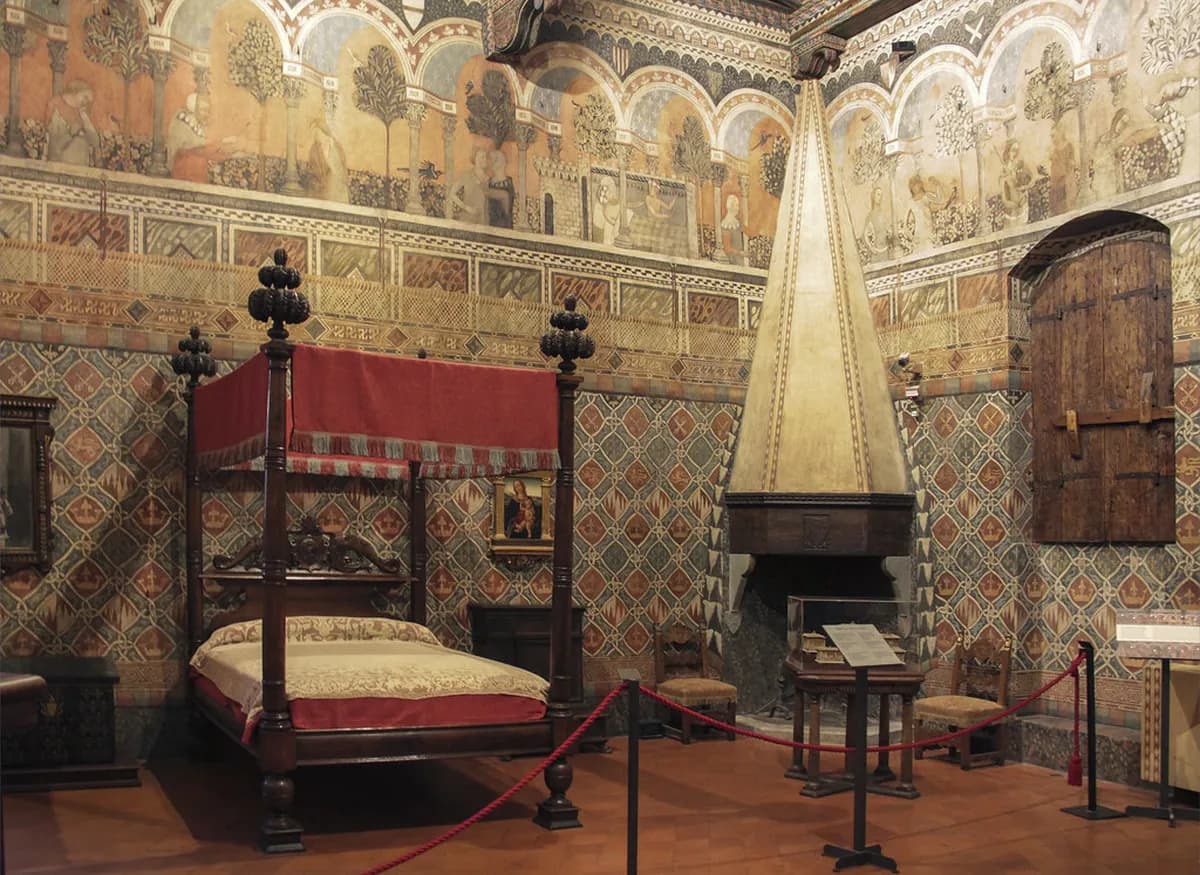
Santa Maria della Scala and the Museo Civico are both major civic sites the Comune di Siena points visitors towards, and each deserves proper time rather than a rushed pass. They are separate destinations with their own organisation, so there is no reason to assume a single ticket covers both or that one visit prepares you for the other. Decide which one matches your children's interests, then commit.
For many families, a former hospital complex with large halls and layered spaces holds attention longer than a picture gallery, while older children who like stories and symbols may prefer the civic collections. Neither choice is wrong; the mistake is doing both on the same afternoon. If the weather turns, a single indoor site plus a long lunch is a more reliable shape than a museum marathon, and a rainy day in Siena plan can absorb the change without wasting the day.
5. Green Breathing Room in the Middle of the Day
A park stop gives the centre a green space where children can move without the constraints of a museum or a cafe table. Orto de' Pecci, described in one family travel blog as a green oasis not far from the city centre, is one such option to shortlist rather than a confirmed free or open space. Place the break deliberately after lunch, when the uphill walking has accumulated and the next interior would be one too many.
Keep the park as a reset rather than a destination with a checklist, and confirm current access arrangements locally on arrival. A Siena evening guide helps you plan a short, low-effort walk after dinner instead of a second excursion.
6. A Slow Half-Day Shape: Square, One Landmark, Lunch, Park
For younger children, try this order: the Campo first, the cathedral exterior second, lunch before anyone is hungry, then a park, and nothing else. As an editorial suggestion rather than an official schedule, this deliberately small plan leaves room for a nap, a gelato stop or an unplanned sit-down on steps. The half-day works because it accepts that a good morning and a calm afternoon are worth more than coverage.
7. A Fuller Day for Older Children
School-age children can usually absorb one ticketed interior plus the outdoor landmarks if the walking is broken up. Add the museum in the morning while legs are fresh, keep lunch fixed and unhurried, and use the afternoon for a park and a gentle wander rather than a second collection. This structure also makes it easier to say no to an extra stop without feeling you have missed the city.
If you are weighing Siena against a smaller Tuscan base, think about what your family actually does in the evening. Siena offers a compact, walkable centre with city life after dark, while smaller hill towns tend to go quiet earlier and may require a car. Staying centrally in Siena removes daily transport from the equation, which matters most when children are tired. For wider planning, see Siena two days itinerary.
8. Food and Rest Strategy: Timing Beats Planning
The most useful family rule in Siena is to eat before hunger turns into a crisis, because restaurant timing in Italy does not always match a toddler's clock. A substantial mid-morning snack and a lunch that starts on the early side of local norms will carry you further than a carefully researched dinner reservation. Carry water; the climbing is real. For wider planning, see Siena local food guide.
Picnic supplies assembled from a shop or market let you eat in a square or park on your own schedule, which is often the difference between a pleasant midday pause and a rushed one. For a fuller evening without overexertion, keep it simple: one short walk, one stop, then back to the room before anyone is past their limit.
9. What to Skip, by Age
With toddlers, skip long interior visits altogether and build the day around open ground, short walks and frequent stops. With school-age children, choose one indoor site with a clear narrative and pair it with something physical. Teenagers often respond better to a second civic collection or a tower view than to another church interior, so let their interest decide which single ticket you buy.
For everyone, skip the temptation to chain three churches in an afternoon. Repeating a similar experience in the same few hours flattens the day, and the walking between them is what children remember least fondly.
10. Practical Checks Before You Go
Confirm hours, ticket scope, child conditions and any closures on each operator's own page rather than on aggregator listings, and do it close to departure. Santa Maria della Scala, the Museo Civico and the cathedral are run separately, so each needs its own check. The Comune di Siena site is a reliable index for reaching the right official pages, including its tourism and Palio sections.
Weather also changes the plan: Siena's stone streets become slick in rain, and summer afternoons push families indoors. Look at the best time to visit Siena before fixing dates, then keep one indoor option in reserve. A flexible booking culture, where one booking can move a day, is worth more than a tightly optimised schedule.
11. Where to Stay, and Siena Versus Other Tuscan Bases
Inside Siena, staying near the centre shortens every walk and lets you return to the room mid-afternoon, which is often the single biggest quality-of-life decision for families. The trade-off is cost and vehicle access, since a car in the historic centre is a burden rather than an asset. Outside the walls you gain space and parking but add daily bus or taxi logistics.
Compared with San Gimignano, Siena is larger and offers more evening life and more indoor options for a wet or exhausting day; the smaller town offers a quicker, flatter-feeling visit but less to fall back on. Neither is universally better with children. Choose Siena if you want a base for several days, and a smaller town if Siena is a single stop on a wider Tuscan loop.
Plan a Slower Siena
The best family days in Siena are built on three decisions: how much climbing is realistic, which single interior earns the ticket, and where the park break goes. Get those right and the city's density becomes an advantage rather than a grind. Leave the rest of the day open enough to sit down when you need to.
Before you travel, verify admission, hours and family conditions on each official operator page, and treat any secondhand figure as a prompt to check rather than a fact. The Comune di Siena site is the fastest route to the right pages, and the hidden gems guide can fill the quieter gaps between the fixed stops.
Frequently Asked Questions
Is Siena walkable with young children and a stroller?
The centre is compact but genuinely hilly, with stone paving and many steps, and not every route offers a ramp. A stroller with good wheels helps, but plan shorter distances than the map suggests, expect to lift the stroller on some stretches, and keep a carrier as a backup for stairs. Verify accessible entrances with each site directly, since arrangements differ from one operator to another.
Which Siena museums work best for children?
The realistic answer is one interior per day. Santa Maria della Scala offers large, layered spaces that many children find easier to move through than a picture gallery, while the Museo Civico suits older children who enjoy stories and symbols. Both should be checked on their own official pages for current conditions before you commit.
How much of the day should we leave unplanned?
Leave the whole afternoon loosely held. A morning square visit, one landmark and a lunch fixed by hunger rather than by reservation will usually fill a day well. That slack absorbs a nap, rain, or a child who has simply had enough, and it is what makes a return evening walk possible.
Where can children run around in Siena?
Piazza del Campo is open ground in the very centre and works as a first stop or a reset. Green space away from the stone lanes, such as Orto de' Pecci as described in family travel writing, gives children somewhere to move after lunch, when the accumulated uphill walking tends to catch up with them. Confirm current access and any local rules on arrival.
Should we base ourselves in Siena or San Gimignano with kids?
Siena suits families who want a base for several days with evening life and indoor options for bad weather; San Gimignano suits a shorter, quieter stop on a wider loop. Staying centrally in Siena removes daily transport, which matters most when children are tired. Neither choice is wrong, but the trade-off is space and parking against walkability.
Sources
Continue exploring
More guides you'll find useful