What to Eat in Positano: A Local Food Guide to Amalfi Coast Dishes
Plan what to eat in Positano with a practical guide to local Campania dishes, from spaghetti alle vongole to lemon pasta, plus how to read a menu.
On this page
Positano is not a Michelin-dense foodie town in the way Florence or Rome can be, so arrive with the right expectation. The pleasure here is coastal Campania cooking eaten slowly: fresh seafood, pasta made with long practice, and lemons that scent everything from primi to dessert. The restaurant scene is small for the number of summer visitors, so dinner reservations matter most from June through September, when walk-ins become a gamble even at well-known tables. Build your day around one long meal and a sunset drink rather than a checklist of famous kitchens.
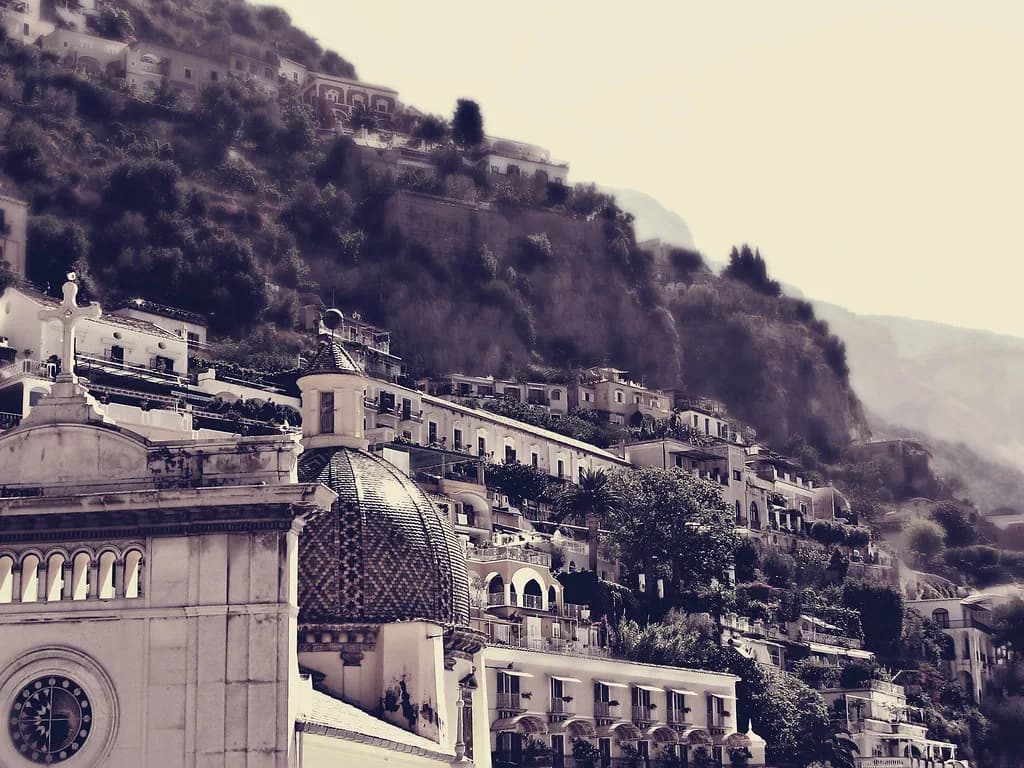
The town is stacked vertically, and the best eating is rarely right where the ferry lands. Via Pasitea climbs the hillside above the beach, while Fornillo and Montepertuso sit in separate, quieter corners of the comune. That geography is part of the decision: a table uphill means a walk, but it may also mean a calmer room and a table worth the climb. Pair mealtime planning with a broader sense of the hidden gems in Positano so your food stops fit the shape of the town instead of fighting it.
Start With the Lemons: The Sfusato Amalfitano
The lemon is the through-line of the Amalfi Coast menu, and the local Sfusato Amalfitano is why. It has been cultivated on these terraces for centuries and turns up in pasta sauces, pastries, granita, sorbet and liqueur. Ordering a lemon dish is not a gimmick here; it is the most direct way to taste the coast's agricultural identity. If you try only one sweet and one savory lemon preparation, you will already understand half the menu. For wider planning, see Hidden Gems in Positano.
The simplest expression is pasta al limone, a rich, tangy dish made with lemon juice and zest plus butter, cream or cheese. It appears on menus across the region, from Atrani to Praiano, and the best versions balance sweetness, salt and acidity rather than tasting sharply sour. Look for it as a primi rather than a side, and treat it as a light counterpoint to a heavier seafood secondi. For the wider catalog of coast dishes beyond Positano, this guide to traditional Amalfi Coast foods is a useful reference for names and ingredients.
Pasta and Primi to Order
Scialatielli is the Amalfi Coast's own pasta shape: short, thick, hand-cut strips that originated in Amalfi and hold sauce well. The classic order is scialatielli ai frutti di mare, with a mix of shrimp, calamari, mussels and whatever else the kitchen has that day. Because the shape is local and the seafood is regional, this is one of the clearest signals of a menu that is cooking the coast rather than importing a generic Italian repertoire. If you see it with ragu or vegetables instead, that is also traditional.
Spaghetti alle vongole is the quintessential southern Italian seafood pasta, made simply with clams, garlic, olive oil, parsley and often a splash of wine. It is a cucina povera dish at heart, which is why a good version depends on the clams rather than on technique on display. Order it where the kitchen is busy and turnover is high, and ask whether the clams are local. The same logic applies to spaghetti alla Nerano, the zucchini and cheese pasta born in the village of Nerano between Positano and Sorrento.
Seafood and the Fishing Tradition
Clams, anchovies and mixed fried seafood are the backbone of the coast's savory cooking. Cuoppo di mare, a paper cone of fried fish and seafood, is the walk-and-eat version, while anchovies from Cetara, including colatura di alici, show up as a punchy condiment. When a menu says catch of the day, ask which fish it is and how it is cooked; the answer tells you more than the phrase itself. A short list of fish that changes daily is a better sign than a long list that never changes.
Seafood is where the tourist-strip trade-off becomes visible. Beachfront restaurants on Spiaggia Grande have the view and the convenience, and the family behind Chez Black is described warmly by one Positano guide, with pizza and lunch recommended over a full dinner there. Another writer treats the main beach strip with more skepticism, saying the better value lies in quieter areas like Fornillo and uphill tables. Neither view is a rule; treat the beach as a setting you pay for and decide what that is worth to you.
Sweet Things: Delizia, Sfogliatella and Lemon Sorbet
Delizia al limone is the coast's signature dessert: a light sponge soaked with limoncello and layered with lemon cream. It is on many restaurant menus, but the pastry shops of Minori and Amalfi are the names most often cited for it. Sfogliatella Santa Rosa, the shell-shaped pastry first made at a monastery in Conca dei Marini, is another local sweet worth seeking out, especially the version topped with cream and a cherry. Order one with coffee in the morning and you will eat like the coast does.
Lemon sorbet served inside a hollowed-out lemon is the hot-weather ritual, and lemon granita is the slushier everyday version sold in bars and beach clubs. Both are best judged by how sharply the citrus comes through rather than by the size of the portion. Prices vary by town and venue, so check the board before ordering rather than assuming a standard rate. If you are also watching your budget, free things to do in Positano help balance a day that ends with a paid treat.
Drinks: Limoncello, Spritz and Aperitivo Hour
Limoncello is the local digestivo, often poured free at the end of a meal, and it also appears in the limoncello spritz that has become the coast's daytime cocktail. A spritz made with limoncello, prosecco and soda is lighter and more citrus-forward than the Aperol version, which suits a long afternoon. Save the aperitivo for golden hour, when the light changes on the cliffs and the pace of the town slows. Bacco's Bar at Hotel Buca di Bacco is described as a relaxed spot above the beach for a house spritz, while the Champagne Bar at Le Sirenuse is the splurge option.
Aperitivo here is not a quick drink before dinner; it is the main event of the early evening. Order something cold, take a table with a view if you can, and let the hour stretch. Hotel terraces such as Il Tridente at Hotel Poseidon are recommended for their sunset setting, and reservations are typically required for the bar as well as the restaurant. That is a useful reminder for peak season generally: if a terrace matters to you, book it rather than hoping to walk in.
How to Spot a Local Menu vs a Tourist-Strip Menu
A useful test is whether the menu is short and tied to the season. Menus built around local fish, lemons and vegetables change often, while photo-heavy laminated menus with dozens of dishes usually signal a kitchen cooking for volume. Look for the Campania names: scialatielli, delizia al limone, sfogliatella, colatura di alici. If those appear alongside a changing fish list, you are probably in the right place. If the menu reads like a greatest-hits list of Italian food with no local anchor, keep walking.
Location alone does not settle quality, but it does shape the trade-off. Beachfront tables on Spiaggia Grande buy you the view and the buzz; uphill tables on Via Pasitea or in Fornillo may offer quieter rooms and a different value proposition. One writer notes that the main beach is where day-trippers concentrate, while another had a warm, unreserved welcome at Chez Black after a long travel day. Decide which of those experiences you want before you choose the table.
Where to Eat by Moment: Lunch, Pizza, Splurge and Spritz
For a long lunch, Da Vincenzo on Via Pasitea is a family-run trattoria cited for its spaghetti alle vongole and its cliffside setting, with indoor tables built into exposed stone. It dates to 1958, and both cited guides recommend reserving ahead, especially for dinner. For a casual night, Saraceno d'Oro, also on Via Pasitea, is described as a budget-friendly spot for wood-oven pizza and house wine, with takeaway a practical option. For a beach-day lunch, L'Incanto on Spiaggia Grande pairs seafood pasta with sunbeds if you book ahead.
For a splurge, La Sponda at Le Sirenuse and Zass at Il San Pietro di Positano are the Michelin-starred names most often mentioned, with Zass looking toward Praiano rather than Positano. Both are dinner experiences to plan around, not walk-ins. Il Ritrovo and Chic Mama, in Montepertuso, are described as destinations in their own right, though any shuttle or dinner-show arrangement should be confirmed directly with the restaurant before you rely on it. Treat all of these as third-party suggestions and check current details with the venue.
Practical Notes: Hills, Bookings and Neighborhoods
The town's stairways and steep lanes are the main logistical constraint on a food-focused day. Via Pasitea climbs above the beach, and Montepertuso is a separate village within the comune reachable by road or bus. Wear shoes you can walk uphill in, and allow more time than you think between a beach morning and an uphill dinner. A Positano self-guided walk can help you link lunch, a swim and an evening table without backtracking.
Book dinner ahead in high season, and book terraces if the view is the point. Fornillo and the upper lanes are calmer bases for eating and sleeping, while the beachfront is convenient and atmospheric. Our Positano neighborhoods guide where to stay explains how the areas differ, which helps you choose a table near your bed rather than a long climb home. For a wider set of sight-by-sight guides, see Positano Attractions.
Eat the Coast, Not the Checklist
The most memorable Positano meals are rarely the most famous ones. A plate of scialatielli with local seafood, a lemon sorbet eaten in the shade, or a takeaway pizza on a terrace can carry the trip just as well as a Michelin dinner. Mix one splurge with several simple meals, and let the lemons and the sea do most of the work. That approach also keeps you flexible if a kitchen changes hands or a favorite table is full.
Before you go, confirm current opening days and booking policies directly with the restaurants you care about, since those details shift by season and are not reliably published. Decide which single meal deserves the view and the splurge, and keep the rest casual and close to where you are staying. If you want the fuller context of what to see between meals, the Positano Attractions guides and the town's craft traditions in the Positano ceramics and artisan crafts guide round out a slow day.
Frequently Asked Questions
What food is Positano famous for?
Positano is known for coastal Campania cooking built around lemons and seafood. Look for spaghetti alle vongole, scialatielli ai frutti di mare, pasta al limone and spaghetti alla Nerano, plus lemon desserts such as delizia al limone and sfogliatella Santa Rosa. Limoncello and the limoncello spritz are the signature drinks. The town is not a Michelin-dense destination, so expect family trattorias and beachfront tables more than fine-dining temples.
Where do locals eat in Positano?
There is no reliable published list of where residents eat, and visitor guides can only point to places they or their contacts favor. Uphill areas such as Via Pasitea and Fornillo are described as quieter and less concentrated with day-trippers than the main beach. Family-run spots like Da Vincenzo and Saraceno d'Oro are cited by local contacts in published guides. Treat those as third-party suggestions and ask your host or hotel for current advice.
What is a typical Amalfi Coast pasta to order?
Scialatielli ai frutti di mare is the most local choice, since scialatielli is the coast's own hand-cut pasta shape and the seafood comes from nearby waters. Spaghetti alle vongole and pasta al limone are also typical, and spaghetti alla Nerano, made with zucchini and cheese, was born in the village of Nerano between Positano and Sorrento. Order one of these as your primi and ask which fish is local that day.
Do you need reservations for dinner in Positano?
In high season, from June through September, yes: the town has a small number of tables for a large number of visitors. Reserve dinner ahead wherever possible, especially for terraces and well-known restaurants. Walk-ins are more realistic earlier in the evening or in the shoulder season. Confirm current booking policies directly with each restaurant, since opening days and reservation windows change by season and are not reliably published.
Is it worth eating on Spiaggia Grande?
It is a trade-off rather than a yes or no. The beachfront gives you the view, the convenience and the buzz, and one guide describes a warm welcome and good pizza at Chez Black, while another writer is more skeptical of the main beach strip in general. If you want a calm room and a table chosen for food alone, head uphill to Via Pasitea or over to Fornillo. Decide which experience you are paying for before you sit down.
Where can you eat on a budget in Positano?
Positano is not a budget destination, but casual options exist. Saraceno d'Oro on Via Pasitea is described as a laid-back spot for wood-oven pizza, pasta and house wine, and takeaway pizza eaten on the beach or at your rental is a practical way to keep costs down. Check menus before you sit, since prices vary by venue and season. Pairing one paid treat with a simple meal is the most reliable way to balance the day.
Sources
Continue exploring
More guides you'll find useful