Day Trips from Padua: Nearby Veneto Excursions
Plan day trips from Padua with practical advice on Veneto towns, lagoon islands, villas and half-day city sights, plus how to choose your route.
On this page
Padua rewards travellers who treat it as a base rather than a stop between Venice and Verona. The city itself holds a free-entry basilica complex, a historic university and a small Renaissance theatre-loggia, so even a day when you go nowhere else has a full itinerary. Many travel writers list this corner of the Veneto as a good place to launch day trips, with Venice-adjacent towns within easy reach.
The practical question is not whether a destination is worth seeing, but whether it fits the day you have. Some nearby cities are straightforward by train, others are pleasant only if you are driving, and a few famous mountain or lake targets stretch a day trip to its limit. Work out your transport first, then choose the destination, then check anything that needs a timed entry. Start with the Padua Attractions hub to see which sights deserve your time before you leave town.
Why Padua works as a day-trip base in the Veneto
Padua's historic centre is compact, so a morning of frescoes and arcaded squares can be finished before lunch. The city also sits on main rail lines through the Veneto, which means you can head north to Treviso, west to Vicenza and Verona, or east towards Venice's lagoon without crossing the city twice. That flexibility is the main argument for staying here rather than commuting from Venice itself.
Travellers do warn that Venice is harder to get into and out of than Florence or Bologna, since many journeys begin with a train from Santa Lucia to Mestre before continuing. Basing yourself in Padua removes that first transfer. Blog journey times and fares are indicative, so check current timetables and prices with the operator before you book.
Set your expectations honestly. Leaving a city as unusual as Padua for another Italian town will not always be an upgrade, and the strongest trips here involve either landscapes, such as the Prosecco hills or the Dolomites, or a genuinely different urban texture. Pick fewer excursions, leave early and keep one evening free for the city you came for.
Quick decision table: city day trips, island trips, villa and countryside stops
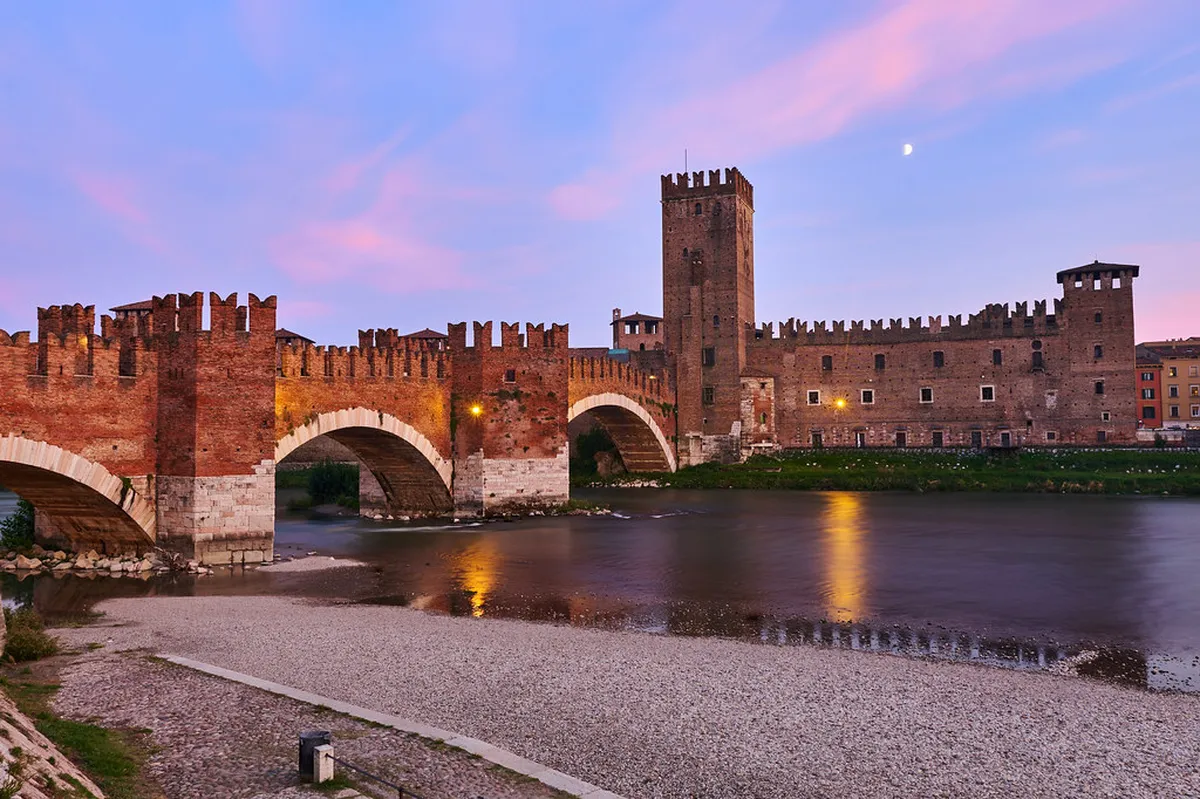
City trips are the simplest. Verona, Vicenza, Treviso and Ferrara are all reachable by rail and give you a self-contained historic centre to walk. Verona packs Roman remains, a river bend and Juliet's courtyard into a compact core, while Vicenza is largely a stage for Andrea Palladio's architecture, notably the Basilica Palladiana and the Teatro Olimpico.
Island trips need more planning because the day is dictated by boat timetables. Murano and Burano sit in the Venetian lagoon and are easy to visit independently if you have public water-bus tickets, though joining a tour removes the logistics. Blog writers describe Burano as quieter than Murano, with colourful streets and lace, and note that Murano's appeal is glassmaking rather than streetscape.
Villa and countryside stops split into two groups: those you can reach independently and those that really want a car or a tour. The Brenta Riviera villas combine well with a boat cruise towards Padua, and this is often recommended as one of the more distinctive options. Wine estates around the Prosecco hills are not easily reached by public transport, so most visitors book a guided tasting rather than improvise.
Close-to-home half days: Abbazia di Santa Giustina, Palazzo Bo and Loggia e Odeo Cornaro
The Abbey of Santa Giustina anchors the Prato della Valle and is one of the few major sites in the city with free entry. According to the city's tourism office, entry is free and the basilica opens daily from 7.30am to noon and from 3pm to 7pm. The fourteenth-century Chapel of St Luke, the fifteenth-century wooden choir and the Antesacristy can only be visited with an authorised guide, so do not assume the whole complex is open to wander.
Palazzo Bo, the historic seat of the University of Padua, is visitable only on a guided tour, which takes in the old courtyard, the Aula Magna and the anatomical theatre. The city tourism page lists full, reduced and student rates and points to the university for bookings, so treat prices as changeable and confirm the current tier when you reserve. The attraction is a strong half-day anchor before an afternoon excursion because tours run at fixed times rather than continuously. Further visitor details appear in Palazzo Bo and Anatomical Theatre.
The Loggia and Odeo Cornaro near the Basilica of Sant'Antonio is a small, separately ticketed Renaissance ensemble with seasonal hours. The city tourism office publishes opening times that change between April-September and October-March, and separate full, reduced and student ticket tiers, with closed Mondays except holidays. It is a short visit in practice, which makes it an easy add-on rather than a destination in itself.
If you have a spare afternoon, the wider set of hidden gems in Padua includes churches and courtyards that rarely appear on a one-day route. These are the sights worth slotting in when a day trip falls through because of weather or a cancelled booking.
Venice-adjacent city day trips: Verona, Vicenza, Treviso and Chioggia
Verona is the most rewarding of the straightforward train trips. Travel blogs put the fastest services from Santa Lucia at roughly an hour and a quarter, and Padua sits on the same line, so the ride is not the obstacle. Plan for Casa di Giulietta early, then the Roman arena and the riverside viewpoints; you can check seasonal arena programming separately if you want an evening performance.
Vicenza suits anyone interested in Renaissance architecture, and it is a short ride from Padua's station rather than from Venice. The city's core is walkable, with the Basilica Palladiana and Teatro Olimpico as the obvious set pieces, and a private tour including train fare exists if you would rather not organise it yourself. Blog writers note that the shorter rail time applies from Mestre, so add the Padua leg when planning your own schedule.
Treviso is closer and quieter, with canals, walls and a claim to tiramisu that draws food-minded visitors. Rail connections from Santa Lucia are described as straightforward with no change at Mestre required, and the same line serves Padua. It is the easiest destination to combine with a half-day in Padua itself, since you can leave after lunch and still have a full afternoon in Treviso.
Chioggia offers a Venetian look with far fewer visitors, and writers consistently describe it as a low-key alternative to the city on the lagoon. Central canals, a morning fish market and the Sottomarina beach make it a summer option, while a seasonal boat between St Mark's Square and Chioggia is described as running from June to late September. Outside those months the trip involves a bus and ferry combination via Pellestrina.
Lagoon option: Murano and Burano as a longer excursion
Treat the lagoon islands as a long half-day or a full day, not a quick detour. From Fondamente Nove, a water bus is described as reaching Murano in roughly ten to fifteen minutes and Burano about twenty-five to thirty minutes further. These timings come from a blog rather than the operator, so confirm current lines and journey times with the transport company before you rely on them.
On Murano the glass-blowing demonstration is the reason most people go, with demonstrations described as offered hourly at one factory and lessons available with local artisans. Burano rewards slow walking rather than ticking off sights, though a blog reports the Lace Museum closed on Mondays, so check before you build the day around it. Booking a tour makes sense if you want transport and walking tours handled, but independent travel is feasible with water-bus tickets.
Sensible sequencing from Padua is an early train to Venice, a water bus to the islands and a late return, which leaves little room for anything else. If you also want central Venice, plan two days rather than compressing both. The alternative is a guided lagoon excursion that combines islands with a glass workshop, which trades flexibility for fewer decisions.
Farther afield: Ferrara, Lake Garda and the Dolomites
Ferrara is a UNESCO-listed Renaissance city with a moat-ringed castle and a flat, bike-friendly centre. Blog writers describe it as a lively, offbeat choice with good food, and the fastest trains from Venice Mestre are put at around fifty minutes, so Padua sits comfortably on the route. Book a walking tour locally if you want the urban-planning history explained, since the city's interest lies in how it was designed rather than in a single monument.
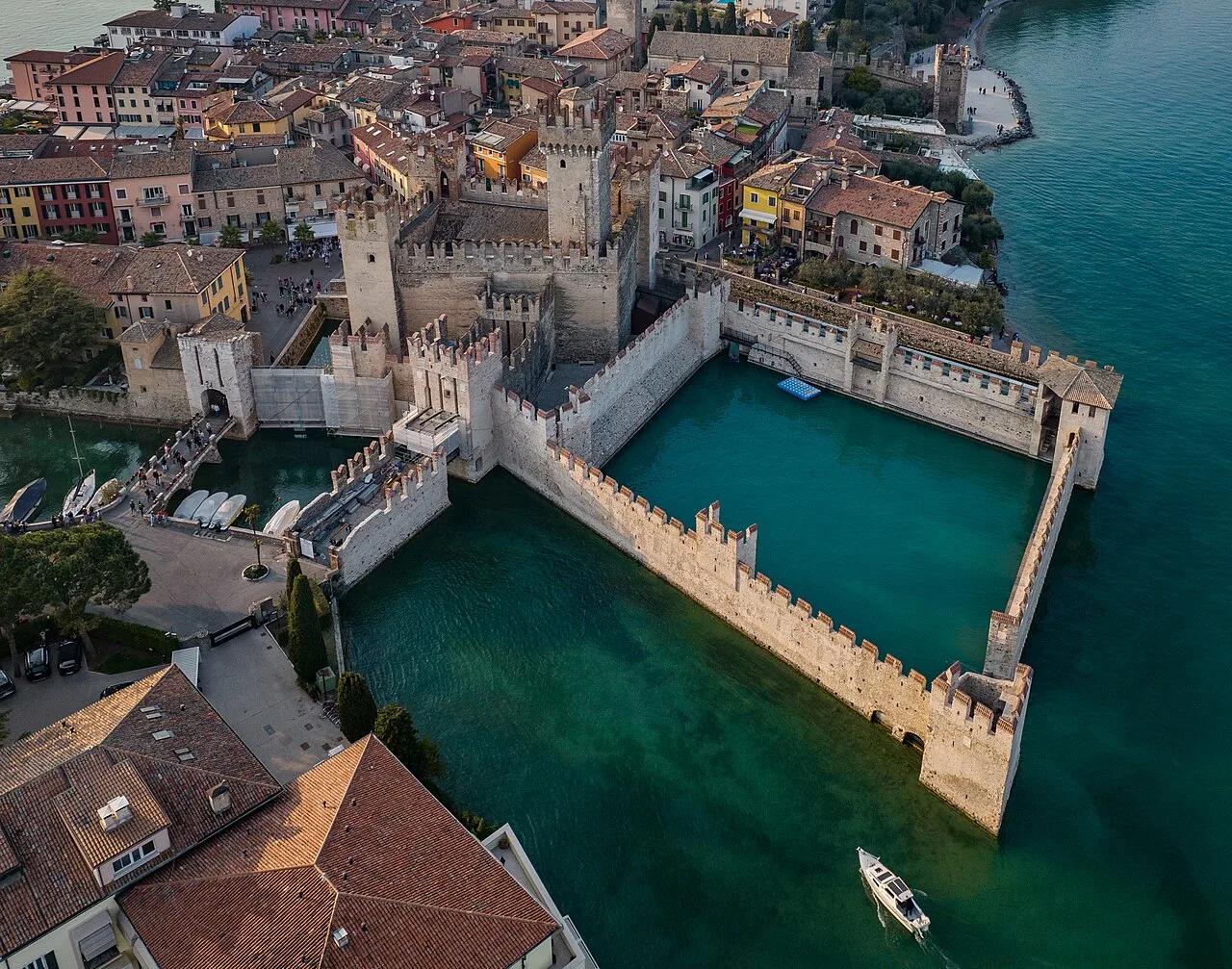
Lake Garda is possible but tight. Trains reach Desenzano del Garda and Peschiera del Garda, with some services requiring a change at Verona, and journey times of an hour and a half to two hours each way are described as typical. Sirmione's castle and the Grotte di Catullo are the main draws at the southern end, so pick one and accept that you will not see the whole lake.
The Dolomites are the trip that most often goes wrong. Public transport is described as complicated enough that a day trip would be spent largely on buses, and winter visits are discouraged because the logistics are harder. A small-group tour is the practical choice, with itineraries that shift by season between San Candido and Lake Braies in colder months and Lake Misurina and Tre Cime di Lavaredo at other times.
Train versus car versus organised tour
Trains win for Verona, Vicenza, Treviso and Ferrara because they deposit you in the centre and remove parking from the equation. The trade-off is that you are tied to a timetable, so check last departures before committing to a late dinner. Padua's position on the network means many of these rides are short enough that a return the same evening is realistic.
A car makes sense for villa landscapes and wine country, where estates sit off the public transport grid. Blog writers advise booking a tour for Prosecco and Valpolicella tastings precisely because wineries are not accessible by public transport and a designated driver is essential. If you do drive, research parking outside the historic cores and expect restricted traffic zones in the centres.
Organised tours solve logistics but reduce spontaneity. They suit the Dolomites, wine regions and multi-stop lagoon days, and they become unnecessary for cities you can walk from the station. Compare what is actually included, since some tours cover transport while others leave travel as an extra cost, and check the meeting point before you book.
Sequencing a realistic day: morning anchor, lunch stop, one optional add-on
Build the day around one timed entry and let everything else be flexible. In Padua, a Palazzo Bo guided tour or a Scrovegni Chapel slot sets the shape of the morning, and a travel guide describes the Scrovegni visit as lasting about thirty minutes, with entry regulated by time slot, so booking ahead is almost essential in high season. The chapel's ticket prices and opening hours change, so confirm them with the official booking channel rather than trusting an old blog post.
After the anchor, walk rather than travel. A route from the Scrovegni area through the arcaded centre to Prato della Valle and Santa Giustina fills an afternoon without a single bus. If you want a structured version, a self-guided walk keeps you oriented and lets you cut the route short when energy fades.
Leave one optional add-on out of the plan. If the weather holds, a train to Treviso or Vicenza after lunch is easy to arrange; if it does not, the Loggia and Odeo Cornaro is small enough to visit between showers. This structure protects you from the common mistake of over-scheduling two cities in one day.
Practical checks: dress codes, timed entries, chapel access rules and Monday closures
Churches expect covered shoulders and knees, and some ecclesiastical sites restrict photography, so carry a scarf and check signage at the door. The Santa Giustina complex is free to enter but guided access only for specific chapels and the wooden choir, which means you should ask at the entrance rather than assume. The city's tourism page lists the contacts for booking authorised guides.
Mondays are the practical trap. A blog reports the Lace Museum on Burano closed on Mondays, and the city tourism office lists the Loggia and Odeo Cornaro closed on non-holiday Mondays. Check each site's own page for the week you are travelling, because seasonal hours differ between summer and winter schedules.
For anything with regulated entry, book before you leave home. A travel guide notes that the Scrovegni Chapel limits visitors per time slot, and turning up on the day risks missing it entirely during peak months. The same caution applies to Palazzo Bo tours, which are the only way into the university's historic rooms, and to any guided chapel visit.
Padua's own calendar matters too. The Best Time to Visit Padua page sets out the trade-offs between crowds, heat and light, and it is worth reading before you decide whether to build a day trip into a high-season week or a quieter shoulder month. Climate, not just opening hours, often dictates whether a walking day is pleasant.
Sample one-day and two-day plans built around what you can actually fit
For a single free day, stay in Padua and do it properly. Start with the Scrovegni Chapel on a pre-booked slot, walk through the arcaded centre, cross to Prato della Valle, and finish at Santa Giustina. Book a Palazzo Bo tour if you want the university story, and use the evening for a slow dinner in the centre.
With two days, add one city day trip and keep the second day local. Verona and Vicenza are the strongest single-day additions from this base because rail access is direct and the centres are walkable. If you want more Padua-specific detail, the two-day itinerary lays out how to fit frescoes, churches and gardens without rushing. For wider planning, see Padua in Two Days.
A three-day stay allows a longer excursion: either a lagoon island day via Venice or a guided Dolomites trip. Whichever you choose, keep an evening free in Padua, since the city is at its best after the day visitors leave. Padua at Night covers where to eat and what stays open once the museums close.
Plan Your Visit
Choose Padua as your base and the Veneto opens up without a punishing commute. Trains handle Verona, Vicenza, Treviso and Ferrara; cars or tours handle wine country and the Dolomites; and the lagoon islands deserve their own unhurried day. Decide transport first, then destination, then anything that requires a timed entry.
Keep the city itself in the plan. Santa Giustina is free to enter with guided access to its chapels, Palazzo Bo is tour-only, and the Loggia and Odeo Cornaro is a small, separately ticketed visit with seasonal hours. Double-check hours and booking requirements in the week before you travel, since seasonal schedules shift.
Frequently Asked Questions
What can I see in Padua in half a day?
A realistic half day covers the Abbey of Santa Giustina and Prato della Valle, both free to walk, plus the arcaded centre. Add the Loggia and Odeo Cornaro if its opening hours align, since it is separately ticketed and a short visit. Reserve Palazzo Bo in advance if you want the university tour, as it runs at fixed times rather than continuously.
Is it better to take the train or drive for day trips from Padua?
Take the train for Verona, Vicenza, Treviso and Ferrara, where stations sit close to walkable centres. Drive or book a tour for wine estates and the Dolomites, where public transport is limited or impractical. If you drink at tastings, a tour removes the need for a designated driver.
Do I need to book Padua's university and chapel visits in advance?
Yes for Palazzo Bo, which is visitable only on a guided tour, and strongly advisable for the Scrovegni Chapel because entry is regulated by time slot. Santa Giustina is free to enter but specific chapels require an authorised guide, so arrange that separately if it matters to you. Always confirm current booking rules with the official operator.
Which nearby towns are easiest without a car?
Verona, Vicenza, Treviso and Ferrara are all served by rail and have compact centres. Chioggia is manageable by bus and ferry outside the summer boat season. For Murano and Burano, a water-bus ticket is enough to travel independently, though the day is shaped by boat timetables.
Can I combine Padua with Venice or the lagoon islands in one day?
You can reach Venice easily by train, but adding the islands makes for a very long day. Treat Murano and Burano as their own excursion and keep central Venice for a separate visit. If you only have one day, choose either the city or the islands rather than both.
When should I avoid planning a day trip from Padua?
Mondays cause problems, with the Loggia and Odeo Cornaro closed and the Lace Museum on Burano reported closed. Also avoid the Dolomites in winter unless you have a tour, because the logistics are harder and public transport impractical.
Sources
Continue exploring
More guides you'll find useful