
Orvieto Classico Wine Guide: The Bottle and the Cantina
Orvieto Classico explained: the Grechetto and Procanico blend, secco to dolce styles, aging, terroir, estate-bottling cues and how to plan a cantina visit.
On this page
Orvieto's white wine carries one of Italy's longest documented vine-growing histories, yet it is often passed over as just another crisp Italian white. A first bottle pours bright and citrus-led with a saline streak, a style that rewards a closer look at what is actually in the blend. Understanding the appellation changes how you order it in a restaurant and which bottles you seek out in a shop.
This guide is about the wine rather than a list of venues. It covers the Orvieto DOC rules as reported by a wine educator, the meaning of Classico and Superiore, the two unrelated Grechetto grapes, the soil types the consortium has mapped, and how the appellation moved from bulk export to estate-led quality. It closes with practical advice on how to plan a cantina visit when the producer's own visitor details are the only reliable source.
What a First Glass of Orvieto Classico Delivers
Expect a fresh, vibrant white with a strong citrus backbone, delicate floral notes and a texture that gives one pause. Young still Orvieto is meant to be drunk while bright rather than cellared for decades, although the appellation has shown unexpected staying power in older vintages. It is not a heavy, oak-driven wine, so it suits an aperitivo or a light first course better than a rich braise.
The comparison with Pinot Grigio is common but imprecise. Orvieto DOC is a blend built on at least 60% Grechetto and/or Procanico, and the permitted 40% can include local and international varieties that change the weight and aroma profile. Some bottlings lean light and sapid, while others carry more body from Chardonnay or more aromatic lift from Vermentino. In practice, no single Orvieto tastes exactly like another.
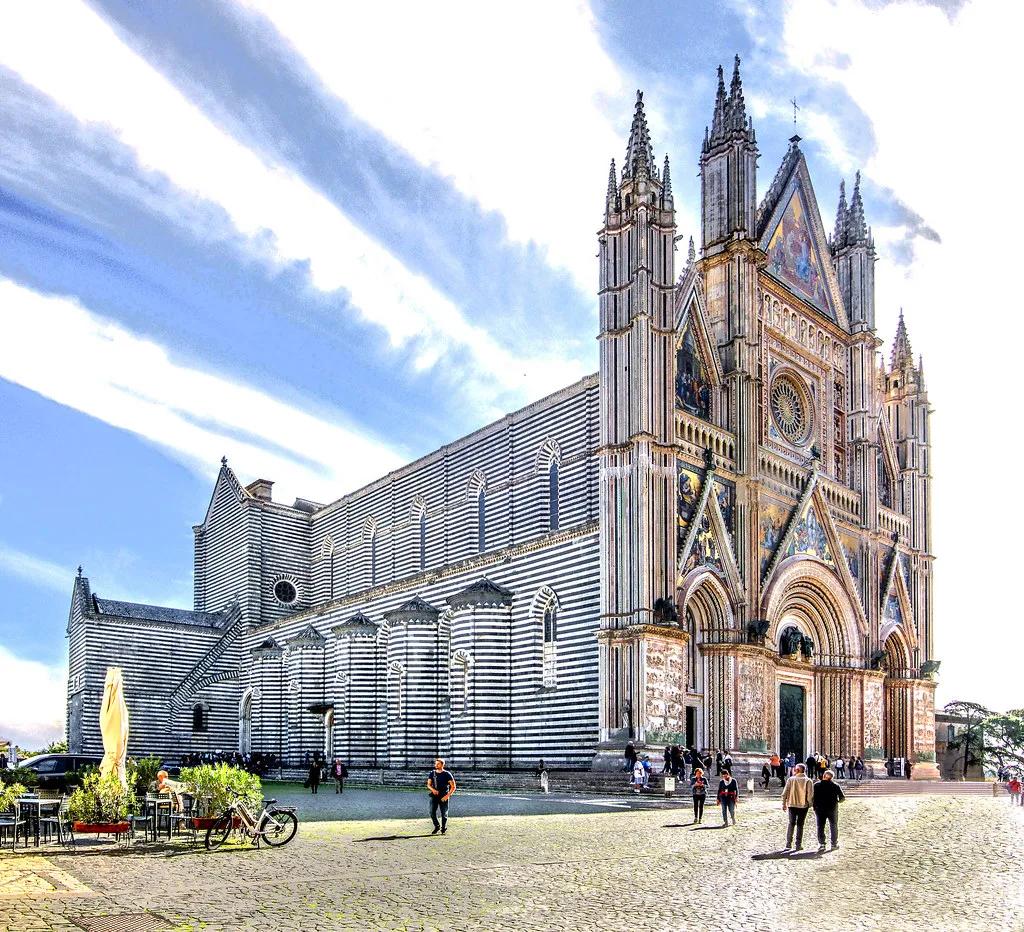
The town itself sits between Rome and Florence and is an easy add-on to a wider Umbrian itinerary. If you are building a short stay, pair wine tasting with the hidden gems in Orvieto and the famous mosaic facade of the Duomo di Orvieto rather than treating the cantina as the whole trip. That way the wine becomes part of the visit, not the reason for it.
The DOC Rules: A White-Only Denomination
Orvieto DOC is a white-wine-only denomination covering still and sweet wines, and it dates back to 1971, making it one of the earliest white-only DOCs. The appellation sits mostly in southern Umbria and spills into Lazio, though most production is on the Umbrian side. That cross-regional geography is useful context when a label refers to the wider zone rather than the town.
As reported by the wine educator Scott Thomas, the disciplinare requires at least 60% Grechetto and/or Procanico, with the remaining 40% drawn from other indigenous or international varieties. Treat the 60/40 split as the source describes it rather than as a legal citation, and check the producer's own technical sheet if you need exact compliance details. The flexible minority share is why two bottles labelled Orvieto can taste quite different.
The appellation covers only around 5,000 acres under vine, which is roughly comparable to Barolo and far smaller than its export reputation suggests. That small footprint supports the current estate-led revival, with around thirty grower-producers and two cooperatives making the wines. Knowing this helps you see the category as a collection of individual estates rather than one homogeneous brand.
Decoding the Label: Classico, Superiore, Secco to Dolce
Classico is a geographic indication, not a sweetness or quality guarantee. It marks the historic zone and excludes the portion of the appellation that falls in Lazio, so a Classico wine is necessarily from the Umbrian heartland around the town. A bottle labelled simply Orvieto may still be excellent but can draw on the wider zone.
Superiore is a separate term tied to extended aging of five months and a minimum 12% alcohol, as the third-party guide reports. Look for these words separately rather than assuming a Classico Superiore is automatically a step up in every respect, because stylistic choices still vary by producer. If you want a benchmark bottle, seek one carrying both terms.
Sweetness runs from secco, the dry style most bottles are made in, through abboccato and amabile to dolce. Off-dry Orvieto has a historic precedent because stuck fermentations were once common in the cold tufo caves beneath the city where wine was produced. Sweet labelling also includes vendemmia tardiva, a late-harvest wine, and the rarer muffa nobile, a botrytis-affected style.
Grechetto di Orvieto, Grechetto di Todi and Procanico
The label's single word Grechetto hides two unrelated varieties. Grechetto di Orvieto brings citrus, lightness and sapidity, while Grechetto di Todi is more tannic and astringent, adding weight that suits heavier food. No rule requires the bottle to name which one was used, so a grippier wine may simply reflect the Todi variety in the blend.
Procanico is a local biotype of Trebbiano Toscano with a strong reputation in this zone. It contributes acidity, delicate florals and citrus, and its resistance to rot makes it useful for late-harvest styles. When you see that 60% Grechetto and/or Procanico share, the Procanico is often the quiet backbone holding the blend together.
Terroir in Four Soil Types
The land around Orvieto was shaped by an ancient seabed, leaving clay, marine sediments, fossils and sands, and by later volcanic ash that compacted into porous tufo. The Consorzio Vino Orvieto has commissioned a map outlining four distinct terroirs by soil type: clay, sandy clay, alluvial and volcanic. Treat that map as a consortium project described by the source, not as a legal classification.
Humidity from Lago di Corbara and Lago di Bolsena moderates the local climate and helps noble rot develop near water. This is why muffa nobile wines are typically made closer to those lakes and are rarer and more expensive than standard sweet Orvieto. If you want to taste a speciality, ask whether either lake's influence is part of the producer's story.
Because the permitted blends are so wide, single-vineyard logic is hard to apply in Orvieto. A sandy clay plot and a volcanic tufo plot may be vinified together, making it difficult to isolate what each soil contributes. The practical answer is to explore by subregion and by producer rather than chasing a single site name.
History and the Estate-Led Revival
The vine was first cultivated in western Umbria by the Etruscans in the 8th century BC, and Orvieto became an Etruscan spiritual and political centre. In the Middle Ages and Renaissance, five popes lived or took refuge around the town and praised its sweet wines. Traces of that long history appear in the tufo caves and the Duomo commissioned by Pope Urban IV in 1263.
The modern reputation was dented by bulk export and private-label bottling, which treated Orvieto as a cheap supermarket white. Grower families arriving in recent decades have invested in vineyards and wineries, and the estate-led revival now gives the appellation a quality identity. Recognising that history helps you look past lingering assumptions about the wine.
Can Orvieto Age? What Older Vintages Show
Enjoy young Orvieto while it is fresh, but do not assume an older bottle is past its best. At the Orvieto di Vino event in June 2023, a 13-vintage masterclass showed wines still full of life, with the oldest from 2010 resembling dry Alsatian Riesling with petrol-like notes. That is a useful caution against drinking up every bottle within a year.
Cellaring potential is reported to be strongest in wines from sandy-oriented soils, though this is an observation from a tasting rather than a guarantee. If you come across an older vintage on a shelf, it may be a pleasant surprise rather than a risk. Buy a second bottle if you want to compare young and mature versions side by side.
How to Choose a Bottle
Look for the phrase imbottigliato all'origine, which indicates the wine is estate-grown, vinified and bottled by the producer rather than by an outside bottler. This cue aligns with the grower-producer movement and gives you a stronger link to a specific place. It matters more than a decorative back label when you want to understand what is in the glass.
Price is not a reliable guide to quality here. Rarely does a bottle of Orvieto top $25 at retail, according to the source, but you should check current shelf prices yourself rather than rely on that observation. A modest price can still accompany a serious grower wine, while an expensive bottle may simply be a rarer sweet style.
Planning a Cantina or Cellar Visit
Pick a cantina from the producers' own published pages, not from a general list, and confirm the visit directly before you rely on it. Opening arrangements and what a tasting includes are set by each estate, so a phone call or an email reply matters more than a guidebook entry. The Comune di Orvieto site is the place to check for town-wide notices and events during your dates.
Orvieto's iconic sight is its hill town perched above a vertical tufo cliff. The wineries often sit in the surrounding countryside with the town visible in the distance, so a visit usually pairs well with time in the centre. Plan the cantina around your walks rather than fitting too much into one day, because the landscape itself is part of the experience.
An Orvieto wine guide from a small-group tour operator covers Orvieto Classico in some depth and links the wine to the culture of the town. If you are travelling slowly and want more context on the local food and wine traditions, reading ahead is a practical way to choose your wine stops. Treat such blogs as background, not as confirmation of current opening hours.
Tasting Responsibly on a Hill Town
Orvieto's streets rise steeply and the surrounding roads follow winding hills. If you are driving, nominate a driver who spits or takes only small tastes, and plan to return to the centre on foot where possible. Do not rely on tasting rooms to provide transport: ask before booking.
Portions add up quickly when several wines are poured, so use the spittoon and drink water between tastes. Small-group or guided tastings can make portions and pacing easier to manage, but confirm exactly what is included before you commit. Leaving with a clear head is the most practical way to enjoy the region's food and landscapes later in the day.
Pairing Orvieto Wine with the Local Table
Fresh, citrus-led Orvieto works well with lighter dishes and antipasti. A wine carrying Grechetto di Todi has more grip and weight, which the source suggests suits the regionally heavier cuisine. When ordering a mixed table of local dishes, ask for a wine with that Todi element if you want a single bottle to hold up to a longer meal.
The source also notes a local speciality, piccione, which is hearty enough to overpower a very light white. A more structured superiore or a blend with greater weight is a better match than a delicate young bottling. Pairing by weight rather than by reputation will serve you better in an unfamiliar restaurant.
Fitting Wine into a Short Orvieto Stay
Build your stay around a few distinct kinds of time: a wander through the streets, a winery stop and an evening with a glass of Classico. Use the Orvieto Attractions hub to choose sights beyond the wine glass, and check the town's own event listings for what is on during your dates. The municipal site publishes news and event calendars, though any 2026 dates listed should be re-verified before you plan around them.
For the parts of town that reward unhurried wandering, the hidden gems guide is a useful companion. Combine that with a tasting rather than trying to see every monument in a single day. A shorter, slower itinerary gives you time to taste more carefully and to understand why Orvieto's white is more varied than its reputation suggests.
Plan Your Visit
Approach Orvieto Classico as a broad category rather than a single taste. Look for the 60% Grechetto and/or Procanico backbone, note whether the label says Classico or Superiore, and prefer estate-bottled cues such as imbottigliato all'origine. That gives you a useful mental map before you ever meet a producer.
Before booking any cantina or cellar visit, confirm the visit directly with the producer and check the town's own notices for anything happening during your stay. Keep expectations flexible and ask a wine shop or the producer for current opening arrangements. Orvieto rewards the traveller who leaves room for a second glass and a second visit. For related planning, see Orvieto One Day Itinerary: Duomo, a Well and a Slow Walk.
Frequently Asked Questions
What type of wine is Orvieto Classico?
It is a white wine from the Orvieto DOC zone, based on at least 60% Grechetto and/or Procanico with the remainder drawn from other permitted varieties. The word Classico refers to the historic zone that excludes the Lazio portion of the appellation, not to a sweetness or quality grade.
Is Orvieto Classico similar to Pinot Grigio?
Both are Italian whites that can taste crisp and citrusy, but Orvieto is a permitted blend based on Grechetto and Procanico. The remaining share may include varieties such as Vermentino or Chardonnay, so the body and aromas vary more from bottle to bottle than a single-grape wine.
What grapes are in Orvieto Classico?
The backbone is Grechetto and/or Procanico, which must make up at least 60% of the blend as reported. The other 40% can include local and international varieties, including Vermentino, Chardonnay and Sauvignon Blanc. The label does not always reveal which Grechetto variety was used.
Is Orvieto Classico always dry?
No. Most Orvieto is made in a dry, secco style, but the appellation also allows abboccato, amabile and dolce sweet styles. You can also find late-harvest wines labelled vendemmia tardiva and botrytis-affected wines labelled muffa nobile, which are less common.
How long can Orvieto white wine age?
Young bottlings are best drunk fresh, but a tasting of older vintages showed wines from as far back as 2010 still alive. That suggests a surprising ability to improve with time, particularly from sandy soils, though this is a tasting observation rather than a guarantee.
What does imbottigliato all'origine mean on an Orvieto bottle?
It indicates the wine is estate-grown, vinified and bottled by the producer rather than by an outside bottler. For a wine with a history of bulk export, it is a useful cue when looking for a bottle that reflects the estate's own work.
Can you visit wineries near Orvieto?
Whether a cantina accepts visitors, when it opens and what it charges are set by each estate. The town and consortium publish general information, but the producer's own visitor page is the only reliable place to confirm a specific visit, so check there before travelling.
When is the best time to taste Orvieto wine?
The town's event calendar varies from year to year, and the sources here do not confirm the dates of any 2026 tasting event. Check the municipal site's news and events pages close to your travel dates. Outside events, a calm weekday visit offers the most time to talk to a producer.
Sources
Continue exploring
More guides you'll find useful





