
Olbia Three-Day Itinerary: City, Tavolara and Costa Smeralda
Use Olbia as a nature-focused base for three days: beaches near town, a boat day toward Tavolara or La Maddalena, agriturismo dining and an old-town morning.
On this page
Olbia is often described as a gateway rather than a city break, and the practical shape of a three-day visit follows from that. The international airport sits close to the centre, and ferries link the port with mainland Italy, so arrival is straightforward. A suggested structure is one day for the beaches around town, one for a boat trip, and one for the old town and marina before departure. Keep the plan flexible, because the northeast coast is the main event.
A rental car removes most of the friction. Public transport is limited, and the best swimming spots sit outside the centre, so picking up a car at the airport on arrival lets you reach a beach the same afternoon. Book accommodation with that in mind: a hillside or beachside base trades walkability for space and quiet, while a central room makes evening strolls easier.
Why Olbia Works Better as a Nature Base
Treat Olbia as a launch pad rather than a destination in its own right. The town has a compact historic centre and a marina, but most visitors come for the sea, the islands and the surrounding landscape. Building the plan around those draws keeps the days full without pretending the city has three days of sights.
Arrival logistics favour this approach. The airport is close to the city, and ferries also connect Olbia with Civitavecchia, Genoa, Livorno and Piombino. Check current routes and times with the ferry operators before booking, since schedules change by season.
The trade-off is that you should not hotel-hop across Sardinia in three days. Drive times between regions can run to a few hours, so splitting the stay between Olbia and, say, Cagliari eats the holiday. Keep one base and accept that you will see the northeast properly rather than the whole island thinly.
Day 1: Arrival, a Car and a Beach Decision
Pick up the rental car at the airport on arrival day and head straight for the coast. This is the hinge of the whole itinerary: with a car you can reach the beaches around Olbia, manage an agriturismo dinner in the hills and reach a boat departure point without depending on sparse services. Drop bags later if the flight lands in the morning.
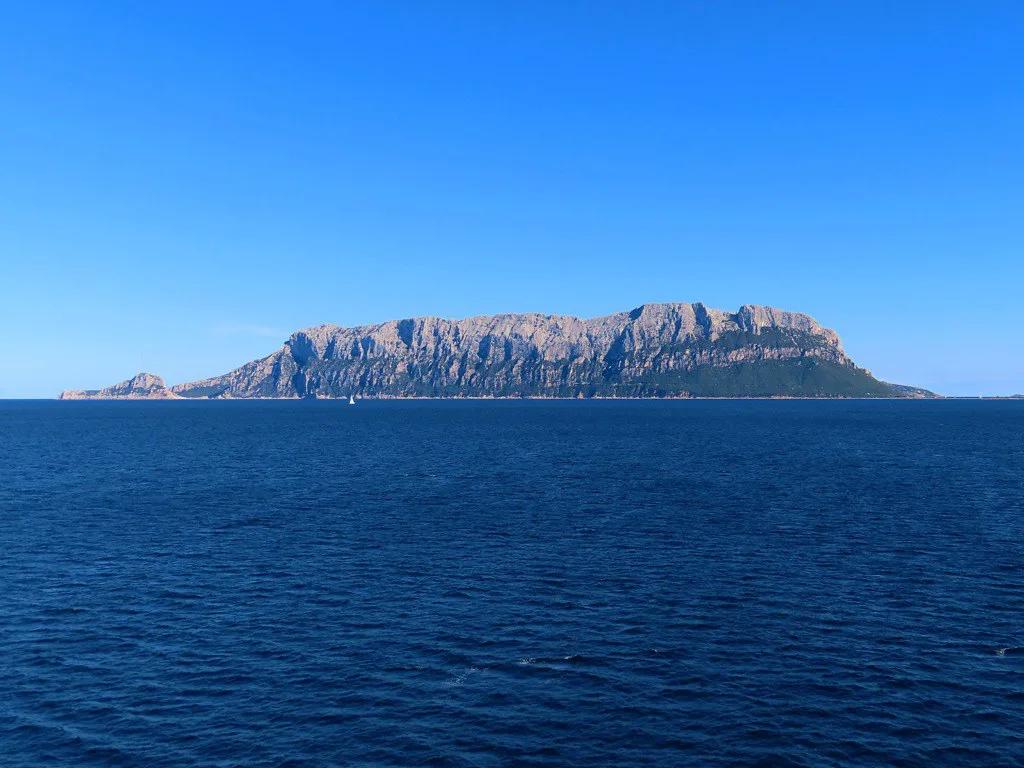
Porto Taverna is the beach to choose if you want Tavolara Island on the horizon, and it rewards a walk along the boardwalk over the inlet. Cala Banana is smaller and more sheltered, which makes it easier with children. Brandinchi and neighbouring Lu Impostu sit side by side, so seeing one naturally includes a look at the other.
Do not chase a single perfect beach. The northeast coast offers so many good swimming options that comparing them endlessly wastes the day. Pick one for the afternoon, swim, eat something simple, and save the rest for another trip. Parking arrangements and any beach fees are not fixed across the season, so read local signage on arrival.
Day 1 Evening: Dinner in the Hills
An agriturismo dinner is the most memorable way to end arrival day. These farm-based restaurants serve food produced on site or by neighbours, often as generous set menus, and many sit in the hills outside town. Arrive hungry and expect a long, unhurried meal rather than a quick stop.
The main trade-off is timing. Some agriturismi seat guests early in the evening while others follow the Sardinian habit of dining late, so ask about seating when you book. A late seating suits a slow holiday but is hard on children or anyone driving afterwards. Confirm opening days directly with the restaurant, because these vary through the year.
Keep the drive back simple and avoid over-planning the evening. If the meal runs long, skip any plan for a nightcap in town and enjoy the quiet of the hills instead. The next day starts early if you have booked a boat.
Day 2: Choosing a Boat Trip
A day on the water is the centrepiece of this itinerary. The two obvious directions from Olbia are the La Maddalena Archipelago and the islands of Tavolara and Molara. Both work as day trips, but they deliver different landscapes, so decide before you book rather than choosing at the dock.
La Maddalena suits travellers who want a full day of swimming, eating and relaxing on a small boat. One practical caveat: some catamaran tours leave from Cannigione, a separate port on the coast, so check the departure point before you commit. Tavolara and Molara appeal if you would rather stay closer to Olbia and keep the granite island scenery in view.
Compare group size before price. Smaller groups usually cost more but give more space and a calmer day; larger boats are cheaper and livelier. Decide your budget, your time on the water and whether you want a specific destination, then narrow the options. Book through the operator and confirm the meeting point and what is included.
The Sardinian tourism board maintains a regional events calendar that is worth checking before you fix dates. It lists festivals and gatherings across the island, and a local event can reshape a day on the coast. Look for entries in and around Olbia during your stay.
Day 2 Alternatives and a Quiet Evening
Weather and budget will sometimes rule out a boat. In that case, use the day for a second beach and a longer lunch, or drive inland for a walk in the hills. The interior is more mountainous than many visitors expect and offers trails and views well away from the coast.
After a full day of swimming, keep the evening low-key. Buy supplies and eat at your accommodation, or return to town for a relaxed dinner. This is also the moment to check the forecast and decide whether day three stays coastal or turns toward the old town.
Day 3: Old Town and Marina Before Departure
Spend the final morning in Olbia's historic centre. It is small but pleasant, with narrow lanes and a large marina, and it works best without a fixed route. Wander, find a cafe with outdoor seating and use the time to soak up the last of the sun before your flight or ferry.
The city council publishes news, notices and a calendar of cultural appointments, which is useful if you have a few spare hours. Library talks, book presentations and seasonal programmes appear there, and many are free to attend. Check the site during your stay rather than months ahead.
Leave enough buffer for the airport. Returning the car, refuelling and clearing security all take time, and a late flight does not excuse a rushed departure. Pack the night before and keep the final morning genuinely short.
When to Go and How the Seasons Change Olbia
The comfortable window for swimming and boat trips runs from May to October, with June to September the safest bet. Water in mid-June can still feel cold, so allow time to warm up after getting in. July and August bring the biggest crowds and the most polished beach-club atmosphere.
Outside peak summer, Olbia and the surrounding coast feel quieter and more laid-back. That suits travellers who want beaches without the party scene, though some seasonal businesses run reduced hours. Check that your chosen restaurant or tour is operating before you build a day around it.
Practical Decisions: Car, Base and Scope
Rent the car at the airport and keep it for the whole stay. It turns the beaches, the agriturismo and the boat departure point into straightforward trips and removes the risk of waiting for limited services. Fuel up before returning it and check the rental terms for any restrictions on island driving.
Stay outside the city centre if you want space and quiet. Hillside resorts and accommodation near the beaches trade walkability for tranquillity and views, which suits a nature-focused trip. A central hotel makes more sense if you plan to spend evenings in the old town.
For more ideas beyond this plan, the Olbia Attractions hub collects guides to individual sights, while hidden gems in Olbia covers quieter corners worth adding. Read both before booking so the three days reflect what you actually want to see.
Plan Your Visit
Three days in Olbia work best when the city is the base and the coast is the main event. Put the car first, choose one beach for arrival day, protect a full day for the water and keep the last morning free for the old town and marina. That structure leaves room for weather changes and long dinners without wasting the trip.
Before you travel, confirm the details that change: ferry routes, tour departure points, restaurant opening days and any local event that might draw crowds. The city council and the regional tourism board are the places to check. Then book the car, the accommodation and the boat, in that order. For related planning, see Olbia Neighbourhoods Guide: Historic Centre, Marina and Coast.
Frequently Asked Questions
Is three days in Olbia enough?
Three days are enough for a focused trip built around the coast and islands. Use one day for the beaches around Olbia, one for a boat trip and one for the old town and marina before departure. Trying to add Cagliari or the far south will leave you driving rather than swimming.
Do you need a car for an Olbia itinerary?
A car is strongly recommended. Public transport is limited, the best beaches sit outside the centre and an agriturismo dinner in the hills is hard to manage otherwise. Rent at the airport on arrival so the whole stay stays flexible.
Should you choose La Maddalena or Tavolara for a boat trip from Olbia?
Choose La Maddalena for a full day of island swimming and a livelier boat scene, checking whether your tour leaves from Cannigione rather than Olbia. Choose Tavolara and Molara if you want the granite island scenery closer to town. Compare group size and what is included before booking.
When is the best time to visit Olbia?
June to September gives the most reliable swimming and boat weather, with May and October still workable for sightseeing. July and August are the busiest and most expensive months. June water can feel cold, so plan to warm up after swimming.
Is Olbia nicer than Cagliari?
They serve different trips. Olbia is a compact gateway to the northeast coast and islands, while Cagliari is the larger capital where more residents live year-round. For a short beach-and-boat holiday, Olbia is the more practical base; for city life and the south, choose Cagliari.
What should a first-timer skip in Olbia?
Skip hotel-hopping between distant regions and any attempt to cover the whole island in three days. Also skip arriving without a car if beaches and an agriturismo dinner are on your list. Confirm tour departure points and restaurant opening days rather than assuming they match your plan.
Sources
Continue exploring
More guides you'll find useful





