
Centro Storico di Olbia: A Slow Walking Guide
Plan a slow walk through Olbia's centro storico: Basilica di San Simplicio, Corso Umberto, Piazza Regina Margherita, route length and practical timing tips.
On this page
Most travellers meet Olbia through its airport or ferry port and treat the city as a corridor to the beaches further north. That habit hides a compact historic centre where a Phoenician and Roman harbour past sits beneath a modern street grid, and where a short walk can cover the main sights without buying a ticket. This guide suggests a route rather than an official itinerary, so treat every duration as a proposal you can stretch or cut.
The walk below is built around one blog's suggested loop of roughly 2.5 km between the Basilica di San Simplicio and Piazza Regina Margherita, which it estimates at three to four hours at a relaxed pace. That figure is the author's own estimate, not a municipal claim, and it assumes you stop to read plaques, look into courtyards and take a coffee. If you only have an hour, the same streets still work as a shortened out-and-back.
Quick Orientation: What the Centro Storico Covers
Olbia's historic core is small enough to cross on foot, and the useful frame is a line running roughly from the Basilica di San Simplicio in the north down through the side streets to Corso Umberto and Piazza Regina Margherita. The Corso is the pedestrian spine, while the lanes around it hold townhouses, small workshops and the remnants of older defensive works. Because the centre is only a few streets wide, you can walk it in any direction and still meet the main pieces within an afternoon.
Geography matters here because Olbia is a harbour city first: the centre sits close to the water and the port, which is why the walk fits neatly before or after a ferry rather than needing a dedicated day. The city's own tourism information, published by the Comune di Olbia, is the place to confirm what is currently open or promoted before you set out. Check that page rather than relying on a route written months earlier.
Reading the Layers: Medieval Streets Under a Post-War Rebuild
Part of what makes this walk interesting is that the centre does not read as a single medieval fabric. Wartime bombing and post-war reconstruction replaced large parts of the old housing stock, so the streets you follow today are often a modern shell around surviving older buildings and monuments. Once you know that, the mix of plain mid-century facades and granite Romanesque stone stops feeling like a disappointment and starts reading as the story of the city.
The practical consequence is that you should look for the anchors rather than expect a uniformly ancient quarter: churches, stretches of old wall and the occasional carved doorway carry most of the historical weight. Rental12's account of the old town describes exactly this layering, with the Basilica di San Simplicio as the piece that survived as the centre's Romanesque landmark. Treat that description as background reading, and confirm any specific monument details on site.
Start at the Basilica di San Simplicio
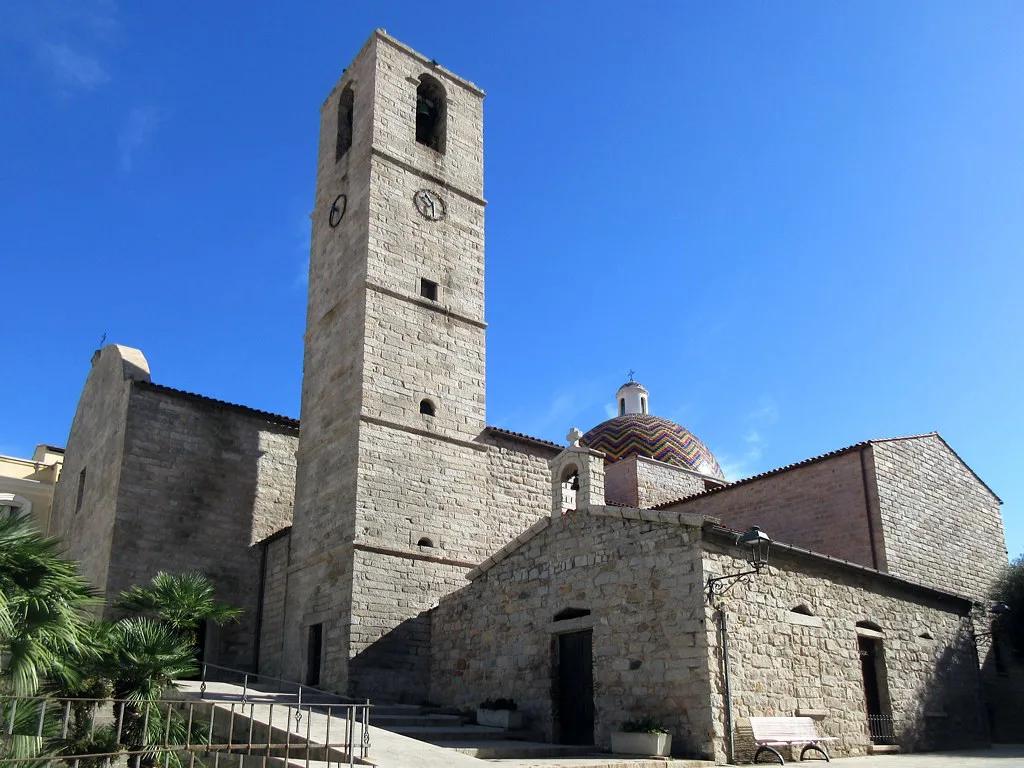
Begin at the Basilica di San Simplicio, the granite Romanesque church that gives the northern end of the walk its focus. The suggested route starts here because it sits at the top of the historic core, letting you drift south and east through the lanes rather than doubling back. Give it a little time from the outside even if the doors are shut, since the building itself is the reason this end of the centre is worth the detour.
Opening arrangements for the basilica are not fixed across the year, and sources disagree on seasonal timings, so check the notice on the door or ask at the city's tourism information rather than planning your day around a published hour. Entry to the church is generally free, but that should be confirmed locally the same day. If you find it closed, the walk still works as a street-level loop.
Side Streets South Toward the Punic Walls
From the basilica, work south through the narrow lanes rather than jumping straight onto the main boulevard. The suggested route passes craft streets and townhouse rows before reaching the remnants of the Punic walls, which the Rental12 guide locates near the eastern edge of the historic centre and describes as freely accessible at street level. The walls are a modest sight, not a monument complex, so budget minutes rather than an hour and read the on-site panel rather than guessing at the masonry.
Attribution of the walls to a specific Punic date comes from that blog, and the evidence here does not include an archaeological authority, so describe what you see without treating the dating as settled fact. What is safe to say is that Olbia's harbour past is genuinely deep and layered, and the fragments in the centre are the visible edge of it. For more of the city's less obvious corners, the guide to hidden gems is a sensible next read.
Corso Umberto: The Spine and Its Evening Rhythm
Corso Umberto is the pedestrian boulevard that carries the centre's daily life, connecting the quieter northern lanes with the busier southern end near Piazza Regina Margherita. Shops and cafés line it, and the street is at its most animated in the evening, when the Italian passeggiata brings families and friends out to walk, greet neighbours and stop for a drink. The Rental12 guide describes this evening stroll as a nightly local ritual rather than a staged event, and that framing is the right one to carry with you.
Do not schedule the passeggiata to the minute: fixed hours belong to habit, not to a published timetable, and the walk happens when the weather and the season suit it. Plan to be on the Corso around dusk if you want to see it at its liveliest, and use the daylight hours earlier in the day for the monuments. This is also the natural place to pause for water or a coffee before continuing.
Piazza Regina Margherita: Rest Stop and Natural Finish
Piazza Regina Margherita, sometimes called Piazza del Popolo, closes the loop at the southern end of the Corso and is surrounded by bars, cafés and restaurants. The Rental12 route finishes here deliberately: after a few hours on cobbles and granite, a shaded bench or a table under the trees is the reward. The square is free public space, which makes it a sensible end point even if you skip every interior on the way.
Because eateries in the centre change hands and adjust prices, use the square as a scouting stop rather than committing to the first menu you see. Compare a couple of places on the surrounding streets, and confirm current opening days on the door or by phone, since Sunday and Monday closures are common in Italian towns. The city's official site is useful for confirming events or temporary works around the square before you go.
Optional Extensions: Chiesa di San Paolo and Via delle Terme
If you still have energy, add the Chiesa di San Paolo Apostolo and the Via delle Terme townhouse street. Rental12 describes San Paolo as a late-medieval church with a polychrome majolica dome and free entry, but the timings it gives vary elsewhere on the same page and across the year, so check the door or ask locally before walking over. The dome is the draw from outside in any case, and the surrounding streets are worth the detour on their own.
Via delle Terme, named for Roman baths that are no longer visible, is described by the same source as one of the most photogenic streets in the centre, lined with seventeenth- to nineteenth-century houses. Walk it for the shuttered windows and iron balconies rather than for any single sight, and keep your voice down in the residential stretches. These two extensions are what turn the loop from a one-hour orientation into an unhurried half day.
Suggested Length and Pacing
The Rental12 guide proposes roughly 2.5 km for the full loop, taking three to four hours at a relaxed pace with pauses for plaques, courtyards and coffee. Treat both numbers as one blogger's suggestion rather than an official measurement, and adjust for how much you stop. A brisk walker covering only the streets could finish far sooner; a photographer or a church-lover will need longer.
A workable plan is to split the loop in two: the basilica and side streets in the morning, the Corso and square in the late afternoon, with a long lunch or a museum visit in between. Splitting the walk keeps you out of the hottest hours and lets the centre reveal its evening character. For a broader list of named sights and what each one involves, see the Olbia Attractions hub before deciding how much to add.
When to Walk: Morning Versus Late Afternoon
Midday heat is the main planning constraint in Sardinia, and the centro storico offers only partial shade along the narrow lanes. The blog behind this route suggests early morning or late afternoon as the best windows, which is sensible city-level advice rather than a local rule. In practice, start before the shops open properly or come back after the siesta quiet, and you will see the streets at their calmest.
Late afternoon has the advantage of leading into the evening stroll on the Corso, so you get the architecture and the street life in one block of time. The trade-off is that church interiors may be closing as you arrive, so check any interior you care about earlier. The Sardegna Turismo regional site is a useful check for wider events in Olbia that might change the mood or the crowds in the centre.
Practical Notes: Surfaces, Water, and Where the Loop Sits
Expect cobblestones and uneven granite paving in the older lanes, which is fine in trainers and awkward in thin soles or heels. Carry water, wear a hat in summer and plan a bench stop in the square or on the Corso rather than pushing through to the end. These are ordinary precautions for any Italian hill town or historic centre, not special warnings about Olbia.
The harbour location helps with logistics: the walk fits between a ferry arrival and a onward drive, and the centre is compact enough that you do not need a car inside it. Do not assume anything about parking restrictions, bus lines or accessible routes without checking with the city directly, because those details change and are not settled here. Ask at the tourism information point or consult the Comune di Olbia for current arrangements.
Mistakes to Avoid
The most common mistake is to treat the centro storico as a single sight to tick off, when its value is in the accumulation of ordinary streets, small details and one strong Romanesque church. The second is to rush the walk before a ferry with a hard deadline and then find yourself jogging through the nicest part. Give it a real block of time or save it for the return leg.
Another easy error is to drive straight from the airport to the coast and skip the city altogether. The old town is not on the beach road and does not advertise itself loudly, which is exactly why a purpose-built walk helps. Pair the loop with the city's other quieter corners using the hidden gems in Olbia, Sardinia guide, and treat the centre as a destination rather than a transit hall.
Pairing the Walk for a Half Day
To make a half day of it, pair the loop with one interior that requires a little more time, such as the archaeological museum on Peddone Island that the blog describes as a short walk from the centre. The museum's entry and opening times are the kind of detail to confirm locally on the day, since published figures can be seasonal or out of date. One interior plus the street loop is a comfortable half day; more than that needs a full day. For wider planning, see Olbia Attractions: Visitor Guides to 10 Sights.
Alternatively, pair the walk with a slow meal near the square and an evening on the Corso, which costs nothing beyond the meal and gives you the city's daily rhythm rather than a checklist. Use the Olbia Attractions guides to pick the one interior that genuinely interests you, and leave the rest for a return trip. The point of this route is unhurried orientation, not coverage.
Plan Your Visit
Olbia's centro storico rewards a deliberate decision to stop, walk and look rather than a hurried pause between transport connections. Start at the Basilica di San Simplicio, work south through the lanes to the Corso and finish in Piazza Regina Margherita, then let the evening stroll do the rest. Keep the 2.5 km and three-to-four-hour figures as a suggestion from one blog, and set your own pace.
Confirm opening times, any entry charge and temporary closures on the day with the Comune di Olbia or on site, because the details you find online may be seasonal or out of date. Build in water and shade, and leave room to sit in the square. Do that, and a city most travellers only drive through becomes the most memorable part of the trip. For related planning, see Olbia Self-Guided Walk: Old Town Route, Timing and Rain Plan.
Frequently Asked Questions
How long does it take to walk Olbia's old town?
A published suggestion for the loop from the Basilica di San Simplicio to Piazza Regina Margherita is roughly 2.5 km and three to four hours at a relaxed pace with stops. That figure comes from one blog, not an official tourism office, so treat it as a planning estimate. If you only walk and do not stop, the same streets take considerably less time.
Where does the Olbia old town walking route start and end?
The suggested route begins at the Basilica di San Simplicio at the northern end of the historic centre and finishes at Piazza Regina Margherita at the southern end of the Corso. That plan comes from a single blog and is a proposal, not an official itinerary. You can reverse it or cut it short at any point, since the centre is compact and easy to re-orient in.
Is Olbia's centro storico worth visiting if you only have a few hours?
Yes, if you accept a shortened version of the loop. The compact layout means you can see the basilica, walk part of the Corso and sit in the square without rushing. Prefer the morning or late afternoon to avoid the worst heat, and check any interior you want to enter on the day, since opening arrangements are the detail most likely to change.
What can you see in Olbia city centre for free?
The street-level walk itself is free, and the Punic wall remnants and squares are public space, according to the blog that describes the route. Many churches do not charge for entry, but that should be confirmed on site rather than assumed. Treat any paid interior, such as a museum, as a separate decision and check its current entry terms and opening times directly before you go.
Is the old town walkable from the port?
The historic centre sits close to the harbour, which is why the walk is often suggested between a ferry arrival and a onward journey. Specific distances, pedestrian routes and any port access rules are not settled here, so check with the port or the Comune di Olbia if you are working to a sailing time. Allow more margin than you think you need.
Sources
Continue exploring
More guides you'll find useful





