Matera Photography Guide: Light, Viewpoints and Timing
Plan Matera photography around the Sassi and Murgia: dawn vs evening light, four viewpoint options, stairs and routes, crossing the ravine, and parking notes.
On this page
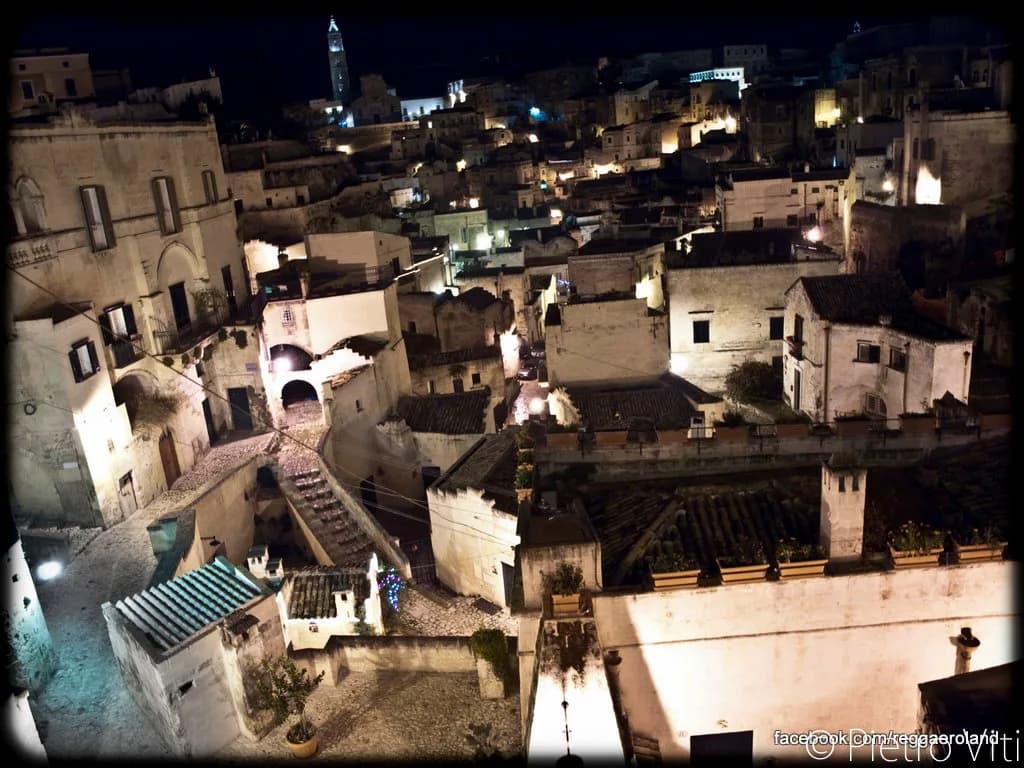
Matera rewards photographers who decide where to stand before they arrive. The old town is split into two districts, Sasso Barisano and Sasso Caveoso, built in tiers of tuff stone, so a low sun lights one row of facades while the row beneath it stays soft and shadowed. The city faces another rim of the Gravina ravine, which gives a second, entirely different picture of the same place.
This guide is about light direction, viewpoint choice and the practicalities that decide whether you make your chosen hour: transport, stairs, marked routes, ravine access and where the car sits overnight. It is not a gear list, and nothing here is an official schedule; check the light for your own dates and confirm access conditions close to your trip.
Why Matera Rewards Timing Over Gear
The look most visitors want from the Sassi comes from side light raking across stacked walls. At midday the same streets flatten into an even grey, and the depth between tiers disappears. Plan your day so alleys and rooftops fall at the edges of the day, and use the middle hours for shade, interiors or lunch.
The second decision is which side of the ravine you shoot from. Inside the old town you are photographing texture, stairways and doorways at close range. From the Belvedere di Murgia Timone you are photographing the city as a whole across the canyon, which is a distant, wide composition requiring a different lens and a different plan.
Annika, of the travel blog Joujou Travels, suggests shooting the Sassi in the early morning or the evening, when the light is softer and the streets calmer. That matches what the geometry of the place suggests, and it is a useful default when you have only one usable window.
Quick Planning Notes Before You Shoot
Decide first whether you are sleeping in the city. One travel account recommends at least one night, and says two nights are better, because the atmosphere in the evening and morning hours is what makes a stay worthwhile. For photography that argument is stronger than usual: you cannot photograph dawn from a bus.
If photography is one part of a broader visit, build a second chance into the schedule rather than staking everything on a single morning. A multi-day plan lets you absorb a grey dawn and still catch a clear evening, which is the most common way photo trips go wrong. For wider planning, see A Three-Day Matera Itinerary.
Expect stairs everywhere and accept that some flights end in a wall. The old town is a maze of steps, alleys and small squares, and even careful map users backtrack. Carry one light bag on your back so your hands stay free on handrails and stair edges.
Light Windows: Dawn and Evening in the Sassi
No source here gives sunrise or sunset times for Matera, so check a reliable almanac for your dates and work backwards. As a habit, reach your terrace well before the light you want, because the walk in always takes longer than the map suggests, especially with stairs and a restricted-traffic old town.
Dawn is the quieter option and the more forgiving one for wide shots, since you can often frame a terrace without waiting for a gap in a crowd. The trade-off is getting there: early transfers may not line up with first light, which is why an overnight stay removes a logistics problem before it becomes a missed photograph.
Evening is easier to combine with a normal day of sightseeing and brings warm light plus interior lamps switching on in the streets below. The catch is that terraces fill as the light improves. Scout your position in the afternoon, then return to a spot you already know rather than searching at the last minute.
Shooting Inside the Sassi: Routes, Stairs and Dead Ends
Matera marks recommended routes, known as itinerari, that thread past the main sights. They are not a photography trail, but they are a useful spine: follow one while you scout, note the side alleys that look promising, then leave the route deliberately once you know how the lanes connect.
The narrow lanes between Sasso Barisano and Sasso Caveoso reward a slower walk with fewer frames. Look for doorways, external staircases and hanging plants that break the grey stone, and use them to give scale to an otherwise abstract wall of tuff. Shade is your friend here: it keeps highlights on the stone from blowing out while you expose for the doorway.
A fixed order of districts saves you from criss-crossing the same flights of steps with a bag. Plan a one-way route that ends at a terrace or a cafe, and keep the return leg downhill where possible. For wider planning, see A Self-Guided Walk Through Matera's Sassi.
Viewpoint Options Compared
The forecourt of the Convento di Sant'Agostino gives the classic postcard view across the rooftops and is the frame most people recognise before they arrive. It works as an opening composition for the city rather than as a close study of any single building, and it suits a normal or short telephoto lens that compresses the stacked roofs.
Belvedere Luigi Guerricchio is a small terrace right by the large Piazza Vittorio Veneto. One travel account describes it as free of charge and accessible around the clock, which makes it the easiest option to slot in while crossing the square; its small size limits how much you can move for a different angle, so arrive with a composition in mind.
Belvedere Piazzetta Pascoli gives another wide panorama to the south, and the same account notes it is especially atmospheric after the city lights come on. For blue-hour work it is a strong candidate, but bring something to stabilise the camera, because exposures lengthen quickly once the lamps are the brightest thing in the frame.
Piazza Duomo, in front of the cathedral, sits high between the two districts and gives a raised look back over the roofs. Treat it as a quick composition stop rather than a place to set up a long session, since the square is also a destination for visitors passing through. For wider planning, see Matera Viewpoints Guide.
The Far Side: Murgia Timone and the Canyon Approach
The Belvedere on the Murgia Timone side is the only viewpoint in this list that shows the city from outside the canyon. It is park landscape, so expect ravine in the foreground and the Sassi stacked opposite; a modest telephoto setting compresses the city usefully, while a wide lens shows how small the city sits inside the valley.
One traveller describes walking from the old town down into the Gravina, crossing a suspension bridge, and climbing switchbacks to the lookout, with the alternative of driving to a car park and walking a flatter final stretch. Treat that as one person's past account rather than a guarantee: trail and bridge access can change, so confirm current conditions before relying on the crossing with camera gear.
The Parco della Murgia Materana is the authority for the paths, rock churches and access on the far side, and its site publishes routes, visitor centres and park information. Check it before committing to a canyon crossing, and if you are unsure of your footing or the weather, shoot from the town side and save the far bank for another trip.
Choosing Dawn or Dusk for Each Spot
For street-level texture in the alleys, choose whichever edge of day fits your transport, because both give directional light and long shadows between the tiers. Dawn wins on emptiness; dusk wins on convenience and on the warm glow of interior lights coming on in the streets below.
For the in-town terraces, evening is the simpler plan: scout in the afternoon, eat early, and return to a position you already know. For the far-side belvedere, dawn is the more practical choice if you are staying in the city, since you can walk out before the day's heat builds and be back before the main sightseeing hours.
If you only have one usable window, spend it on the view that matches your strongest lens rather than on the most famous name. A wide lens suits the canyon panorama; a normal or short telephoto suits the stacked rooftops from Sant'Agostino and the compressed layers of Sasso Caveoso.
Crowds, Comfort and the Overnight Trade-off
Sleeping in Matera puts you inside the old town before and after the day visitors, which is the single biggest practical gain for photography. The same account that recommends staying overnight also flags a real cost: cave rooms can be humid and may have little or no daylight, which matters if you plan to dry gear or edit indoors.
Overnighting does not make the famous terraces empty, and it does not guarantee quiet at any specific hour. What it removes is the transfer time, so you can react when the sky does something interesting instead of watching it through a bus window.
If you would rather sleep outside the Sassi, look at where the routes and terraces connect before you book, and weigh the walk back after an evening shoot. A short climb at the end of the night is a different proposition from a climb with a full kit.
Parking and Getting Around With Camera Gear
The historic centre is a restricted traffic zone, so you park outside it and walk in. According to one travel account, garages closer to the old town tend to cost more, and the walk to your accommodation often involves uphill and downhill stretches. That combination is the main argument for packing a single light bag rather than a full kit.
If you arrive by air, that account names Bari as the nearest major airport and describes a drive of roughly an hour to Matera, after which many visitors leave the car parked for the whole stay, since driving inside the Sassi is largely impractical. Confirm current parking zones, tariffs and any permit rules with your accommodation or the operator before you travel, because published figures age quickly.
For an early start, find out where your car will be and how far the walk is in the dark before the first morning. Knowing the route to your dawn terrace in daylight is a small investment that pays back the first time you leave before sunrise.
Gear Notes for Cave Streets and Mixed Light
Shaded lanes and bright stone in the same frame contrast sharply, so expose for the highlights and lift the shadows later rather than blowing out the facades. A graduated filter is awkward on stepped streets; bracketing handheld is usually faster when people are moving through the frame.
Carry a small tripod only if you will genuinely use it, and check whether the places you plan to enter allow one. Photography rules differ from site to site, so read the signage at each church or museum instead of assuming that one policy covers the whole of the Sassi or the park.
A lens cloth and a dust brush earn their place here, because tuff and dry paths shed fine material. Change lenses with your back to the wind and keep spare cards within reach, since the light moves faster than you expect in a deep valley.
A Half-Day and a Full-Day Photo Plan
For a half day, start at Sant'Agostino for the wide rooftop view, walk down through the marked itineraries collecting detail frames, then finish at Piazza Vittorio Veneto for the Guerricchio terrace. This order keeps you moving downhill and ends near transport and cafes. As a suggested duration, allow around half a day for this sequence rather than treating it as an official timetable.
With a full day, use the morning for the canyon side and the belvedere, rest through the flat middle hours, and return to the old town for evening. Keep midday for interiors, shaded alleys and lunch, and save the open panoramas for softer light. For wider planning, see Matera Attractions: Visitor Guides to 12 Sights.
Whichever plan you choose, write down two fallback positions in advance. Weather and unexpected crowds are normal, and a photographer with a second location in mind loses far less time than one improvising at the moment the light arrives.
Respectful Photography in Churches and Lanes
Matera's rock churches and other religious sites are places of worship first. Whether photography is allowed, and whether flash or tripods are permitted, varies by site and should be checked at the entrance rather than assumed from another church you visited. Where a sign is unclear, ask staff before raising the camera.
The Sassi are lived-in streets, not a film set. Keep out of private courtyards, ask before photographing people close up, and avoid blocking narrow stairways where residents need to pass, especially with a tripod set up across the steps.
Plan Your Shoot Around the Light
Matera rewards photographers who choose a position and a time before they arrive, then stay flexible about which terrace delivers. Scout in the afternoon, commit to one dawn or one evening slot, and keep a second viewpoint in reserve for the day the weather or the crowds disagree.
Check park access, parking rules and site photography policies close to your travel date, since these are the details most likely to change. Between shoots, the city's viewpoints and lesser-known corners are worth mapping out in advance so that your scouting afternoons do double duty.
Frequently Asked Questions
Is dawn or sunset better for photographing the Sassi?
Neither is universally better. Dawn usually means fewer people on the terraces and quieter streets, but early transport can be a problem if you are not staying in the city. Evening is easier to combine with a normal sightseeing day and brings warm light and interior lamps, though popular viewpoints fill up. Choose based on whether you value emptiness or convenience, and check sunrise and sunset times for your own dates.
Are Matera's town-side viewpoints free to visit?
The town-side terraces described here are public squares and terraces rather than ticketed attractions, so there is no entrance to pay. One travel account also describes Belvedere Luigi Guerricchio as free of charge and open around the clock, though that is one report rather than an official timetable. Churches, museums and other sites set their own admission and rules, so check each at the entrance.
How much walking and climbing is involved in a Sassi photo walk?
Expect a lot of stairs, narrow alleys and some dead ends, because the old town is built in tiers and is genuinely hard to navigate by map alone. The canyon-side viewpoint involves a longer approach, and one traveller describes a descent into the ravine, a suspension bridge crossing and a climb up the other side, though access can change. Confirm current trail conditions with the park before relying on that route.
Do you need a car to reach the Murgia Timone belvedere?
Not necessarily. One account describes walking from the old town down into the Gravina and up the far side, and also mentions driving to a car park and continuing on a flatter walk. Because trail and bridge access can vary, check with the park authority before you plan either approach, and allow more time than you think you need.
Is it worth staying overnight in Matera for photography?
It usually is if you want dawn or late-evening frames, because you avoid transfers at exactly the hours when light matters. The trade-off is accommodation: cave rooms can be humid and may have little natural daylight, which matters if you need to dry gear or edit indoors. Weigh that against the value of being on site when the light changes.
Where do you park when visiting the Sassi?
The historic centre is a restricted traffic zone, so you park outside it and walk in, and one account says garages nearer the old town generally cost more. Walking to accommodation often involves uphill and downhill sections, so pack accordingly. Confirm current zones, tariffs and any permit requirements with your accommodation or the operator before you travel.
Can you take photographs inside Matera's churches?
Policies differ from site to site, and no single rule covers the rock churches, the cathedral or other religious buildings. Look for signage at the entrance and ask staff if it is unclear, and respect requests to refrain, especially during services. Do not assume that permission at one church applies at the next.
Sources
Continue exploring
More guides you'll find useful