Genoa 2 Day Itinerary: Day One Essentials, Day Two Coast
A balanced two-day Genoa plan: Rolli palaces and the historic centre first, then funicular views, the Nervi seafront and Boccadasse on day two.
On this page
Genoa rewards a short stay that is split rather than crammed. Day one keeps you in the dense historic centre, where streets, squares and the waterfront are free to walk while palace and museum interiors are separately ticketed. Day two heads upward and outward, using the city's funiculars and coastal neighbourhoods to trade Renaissance courtyards for sea air. For wider planning, see Genoa Attractions: Visitor Guides to 15 Sights.
As a rough editorial suggestion, allow a full morning and early afternoon for the centre and a second day for the hills and coast; this is our recommended pacing, not an official timing. The city's tourism board frames the Palazzi dei Rolli as UNESCO World Heritage and lists individual palaces separately, which makes the palaces the obvious anchor for a first day. Day two follows one visitor's suggested shape toward the hills, Nervi and Boccadasse, and that is advice rather than official guidance.
Before You Go: Orienting With the City's Own Sources
Start with the tourism board's site, which groups the city into art and culture, outdoor activities, events and practical organisation. That structure mirrors how to plan: choose a few paid interiors in advance, then leave the walking and viewpoints flexible. The city council portal is the other useful bookmark, since it publishes news and service notices that can affect a day out.
The most important budgeting distinction is between what you walk through and what you enter. Via Garibaldi, Piazza de Ferrari, the waterfront and the coastal promenades are public space, while individual palace and museum interiors are separately ticketed collections. Do not assume one palace ticket covers a whole complex or a neighbouring building; each site is listed on its own.
Official passes are worth a look, but only after you have listed what you actually want to enter. The tourism board describes a city pass designed to adapt to different needs and a museum card promoted as a single ticket for access to a group of city museums. Because inclusions and validity can change, read the current terms before buying rather than relying on an older blog.
Day One, Morning: The Historic Centre on Foot
One visitor's suggested opening is a walk from Via XX Settembre, the shopping street lined with gelaterie, to Piazza de Ferrari, the large square with a fountain at the junction of several important streets. It works because it delivers you into the centre without a ticket. Nearby you pass the church of Gesù e dei Santi Ambrogio e Andrea and the Palazzo Ducale, the Doge's Palace, which is worth admiring from outside even if you skip the exhibitions inside.
Carry on toward Porta Soprana, the medieval gate, and the Casa di Cristoforo Colombo, the house associated with the city's most famous son. The same account calls the area beyond the gate calmer and less touristy than the rest of the centre, which is why it suits a slow morning. Whether the house interior is open, free or ticketed is not something to take on trust, so read the sign at the door before queueing. Continue to Genoa Cathedral on Via San Lorenzo, and likewise check current entry conditions on site. For wider planning, see Cattedrale di San Lorenzo Genova visitor guide.
Day One, Afternoon: Waterfront and the Rolli Palaces
Walk down to the waterfront for orientation rather than for swimming, since the harbour is a working port and the appeal is the view back at the city. Continue north along the waterfront to the brown wooden ship with a statue of Neptune on its bow, which makes a natural turning point. Keep valuables close in the busy streets between the harbour and Via Garibaldi, as you would in any dense tourist centre.
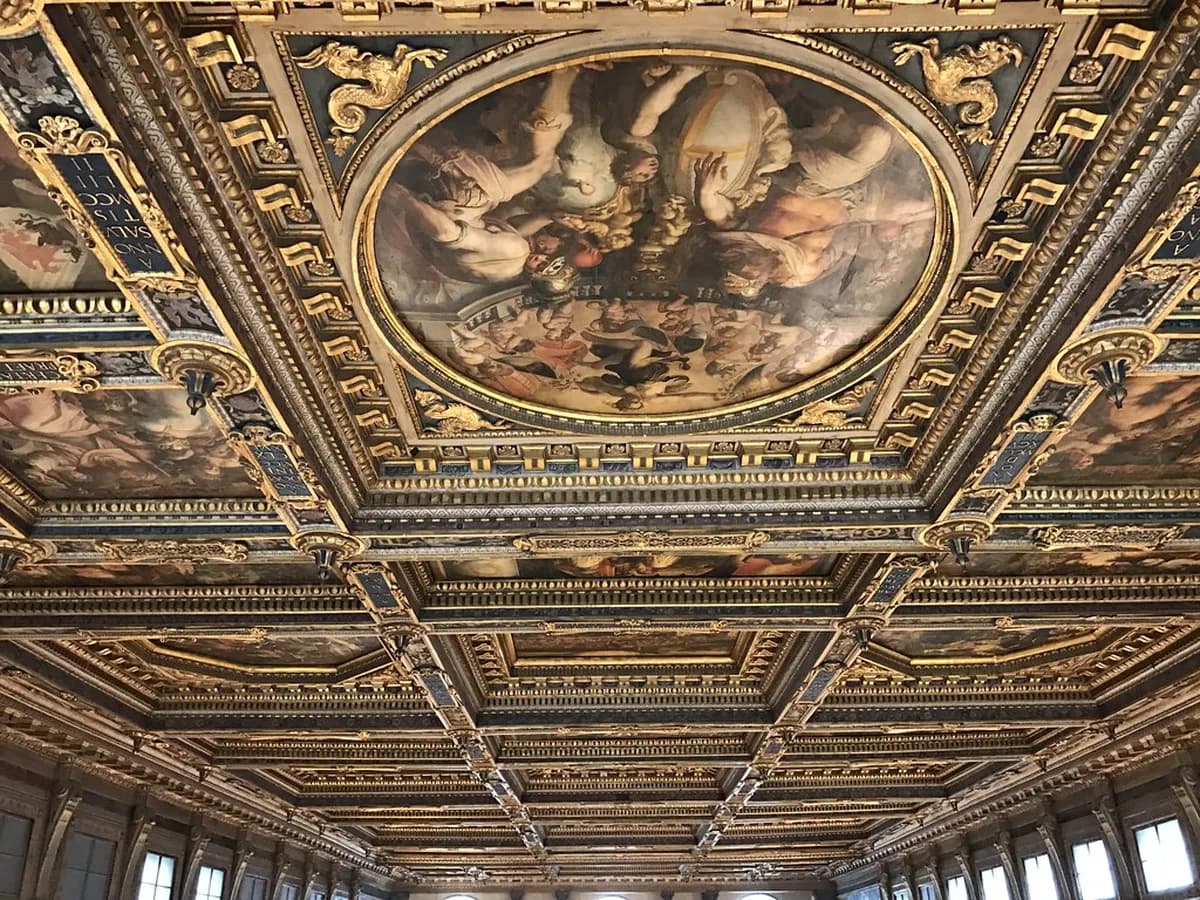
Via Garibaldi, known as the Golden Street, is lined with the Renaissance and Baroque residences at the heart of the Rolli system. Walking the street is free; entering the palace interiors is not. The tourism board lists Palazzo Rosso, Palazzo Bianco, Palazzo Reale and Palazzo Tursi as separate destinations, so plan on one or two interiors rather than trying to tick off the whole list in an afternoon.
If your visit coincides with the city's UNESCO anniversary programme, the tourism board advertises special-edition guided tours of the Palazzi dei Rolli alongside general guided walks of the historic centre. These are seasonal additions rather than year-round fixtures, so check the events calendar before building a day around one. Otherwise a self-guided walk along Via Garibaldi gives you most of the architectural impact for nothing.
Day One, Evening: Castelletto and Dinner in the Centre
End the day at the Spianata di Castelletto, the terrace above the old town that gives you the classic view over roofs and harbour. One visitor notes you can climb the stairs or take a lift, and is unsure of the fare, which is exactly why you should check the current charge at the lift entrance. Bring a little patience at sunset, when the terrace fills with people doing the same thing.
For dinner, wander back through the historic centre rather than committing to a single restaurant in advance. Piazza della Erbe and the caruggi around it offer plenty of options with outdoor seating, including at least one vegan-friendly kitchen according to the same account. Check menus displayed outside before sitting down, since prices and hours vary by season.
Day Two, Morning: Up to the Hills by Funicular
Start day two by getting high without hiking, which is what the city's funiculars and rack railways are for. The tourism board treats vertical transport as a category alongside viewpoints, so use its listings to identify which line currently runs to your chosen terrace. One visitor suggests riding up toward Righi for the panorama, but line names, operating hours and fares change, so confirm at the station before setting out.
The trade-off is time against view. A morning on the hill means less time on the coast later, so if the weather is clear, go up early and come down by mid-morning, leaving the afternoon for Nervi and Boccadasse. If cloud or haze flattens the panorama, swap the hill for a palace interior instead and keep the coastal walk for a brighter day.
Day Two, Midday: Lunch Before or After the Coast Train
This decision shapes your afternoon: eat in the centre near Genova Brignole before the coastal train, or gamble on limited food near the seafront walk. One visitor suggests a traditional restaurant a short walk from the station but notes its lunch window, so check current hours rather than arriving at an awkward moment. Eating before you travel is the safer choice if you want the afternoon for walking.
Train times and frequencies to the coastal neighbourhoods should be looked up on the operator's site or at the station on the day, not assumed from an older account. If you would rather not juggle rail and buses, our guide to a Genoa rainy day covered walks and transport plan shows how to build a weather-proof version of the same day.
Day Two, Afternoon: Nervi and the Seafront Walk
Nervi, a coastal neighbourhood of Genoa rather than a separate town, is the reward for leaving the centre. The Passeggiata Anita Garibaldi runs along the cliffs with sea views, and the shore changes as you go: a pebble beach at the far end, and flatter rocky ledges closer in that swimmers use. Bring shoes that grip wet rock, and check sea conditions locally before entering the water. Further visitor details appear in The Perfect Genoa Two Day Itinerary: Top Things to Do in Genoa. For wider planning, see Hidden Gems in Genoa.
Food along the walk is thin, which is why lunch matters. The one proper eatery near the far end of the promenade opens in the evening rather than serving all day, so carry water and a snack if you arrive mid-afternoon. The small downtown area near the station, in the opposite direction from the walkway, is the better bet for provisions.
Day Two, Late Afternoon: Boccadasse and Corso Italia
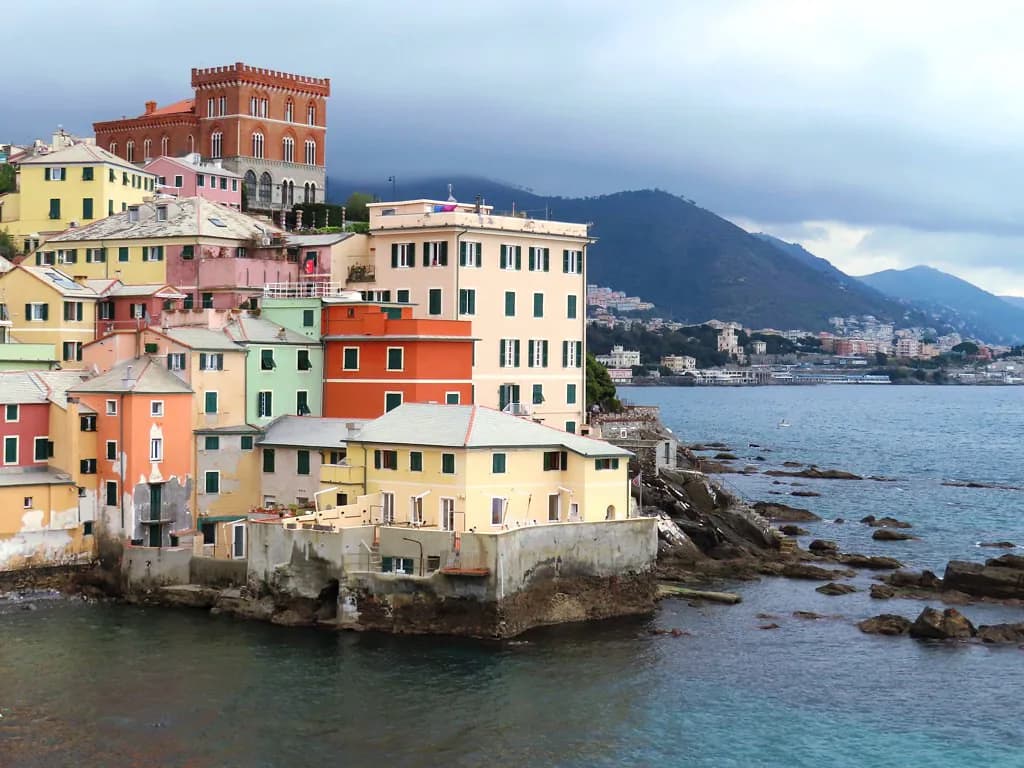
Boccadasse packs a cluster of colourful houses around a small beach, which is why it photographs so well and fills up at peak hours. Treat it as a compact stop for a drink rather than a long swim, since the same visitor prefers swimming at Nervi. Getting there involves local buses, so confirm routes and stops with the tourism board's information rather than relying on a blog's line number.
Finish on the Corso Italia, a waterfront promenade running back toward the centre that is wide enough for walking, jogging and lingering. Time it for sunset and you get the best of the day's light without another ticket. If your legs give out, take a bus for the return leg and confirm the route locally.
Where to Base Yourself for Two Days
For a two-day trip, stay within walking distance of both the historic centre and a main station, which keeps transit time minimal on both days. The visitor behind the route drawn on here chose a hostel near the main station for exactly this reason, and it also suits an early coastal departure. If comfort matters more than convenience, look at hotels around Piazza de Ferrari instead.
If You Have a Third Day, or Prefer a Different Pace
Two days covers the essentials but leaves plenty for a return. Our three-day Genoa plan with a coastal excursion adds a slower rhythm and a dedicated day out, while a one-day itinerary suits travellers who have a single day and need to cut the coast entirely.
For a different flavour, consider the hidden gems in Genoa beyond the Rolli circuit. The tourism board's events listings include recurring seasonal programmes, so check the calendar rather than assuming a fixed date. Day trips are another option, with a Genoa day trips guide covering coastal and inland destinations; choose based on whether you want more city or more coast on the extra day.
What to Skip or Swap
If museums matter more than viewpoints, invert the plan: spend day one moving slowly through two or three Rolli palace interiors and day two on the waterfront and in the historic centre. If sea air matters more, drop Castelletto and give the coast a full day. Neither version is wrong; the point is to avoid a plan that spends both days in transit between attractions.
Genoa is the practical base for this part of Liguria because it has the stations, the passes, the museums and the coastal neighbourhoods within the city itself. Portofino works better as a day trip than as a base for two days of city sightseeing. The one-day itinerary also works as a fallback if weather or transport eats into your first day.
Plan Your Visit
Two days in Genoa work best as one day of dense city and one day of hills and coast, with palace interiors chosen deliberately rather than collected. Confirm lift and funicular fares, train times and entry conditions on the day, and keep the tourism board's events calendar open for seasonal programmes. Further visitor details appear in Homepage | Comune di Genova.
Before you travel, check the council portal for service notices that could affect a day out, and book any guided palace tour you care about directly with the operator. Everything else, from Via Garibaldi to the Corso Italia, you can do on foot with a little local verification. Further visitor details appear in Home | Visitgenoa.
Frequently Asked Questions
Is two days enough to see Genoa?
Two days gives you a solid introduction to the historic centre and one coastal neighbourhood. You will not see every palace or museum, so choose a small number of paid interiors and spend the rest of your time walking the free streets, squares and seafront. If you want a slower pace, add a third day.
What should I book in advance for a two-day Genoa trip?
Book any guided Palazzi dei Rolli tour or specific museum you care about directly with the operator, and check the tourism board's events calendar for seasonal programmes. Do not assume a single palace ticket covers neighbouring palaces; each collection is listed separately. Everything else can be arranged on arrival.
Should I buy the Genova City Pass or the Museum Card?
Compare both against the list of sites you actually plan to enter. The city pass is presented as adaptable to different needs, while the museum card is described as a single ticket for access to many city museums. For a two-day trip built around streets and viewpoints, individual tickets may be cheaper. Verify current inclusions and validity before buying.
Can you swim in Genoa, and where?
The rocky ledges and pebble beach along the Nervi seafront walk are where swimmers go in summer, but check sea conditions locally before entering the water. The harbour waterfront is for looking, not swimming. Boccadasse has a small beach, though it gets busy.
How do you get from central Genoa to Nervi and Boccadasse?
Regional trains and local buses connect the centre with the coastal neighbourhoods, but confirm routes, stops and times on the day. The tourism board's getting-around pages are the reliable starting point. Allow extra time in summer, when coastal services are busiest.
Is Genoa or Portofino a better base for a short trip?
Genoa has the stations, museums, passes and coastal neighbourhoods you need for a two-day stay, which makes it the practical base. Portofino works better as a day out from the city. If coast is your priority, use our day trips guide to plan the excursion.
Is the historic centre safe to walk at night?
The centre is busy and walkable in the evening, but keep valuables close in crowded streets between the harbour and Via Garibaldi, as you would in any dense tourist area. Stick to well-lit main routes and use standard precautions rather than relying on specific street-by-street claims.
What should I skip if I only have two days?
Skip the temptation to tick off every Rolli palace and every museum. Choose one or two interiors, keep the waterfront and Via Garibaldi as free orientation, and pick either the hills or the coast for day two rather than trying to do both at full depth.
Sources
Continue exploring
More guides you'll find useful