Free Things to Do in Bolzano: A Practical Guide
Free things to do in Bolzano: porticoes, squares, free churches and city-run exhibitions, plus which museums and castle interiors you must budget for.
On this page
Bolzano's most characteristic experiences are also its cheapest: the arcaded porticoes, the main squares, the river promenade and several churches that visitors can enter without buying a ticket. The city's best-known museums are paid attractions, so a free-first plan works best when you decide in advance which interiors you are willing to pay for.
The practical split is between public space and buildings, on one hand, and curated collections on the other. Streets, squares, markets and riverside walks cost nothing and need no booking, while churches may be free to enter but keep limited or seasonal hours, and appointment-only sites such as the Clock Museum and Archimod cannot be treated as drop-in stops. Check current opening times on the city tourism site before you build a day around any single building.
Start With the Streets: Porticoes, Squares and the Market
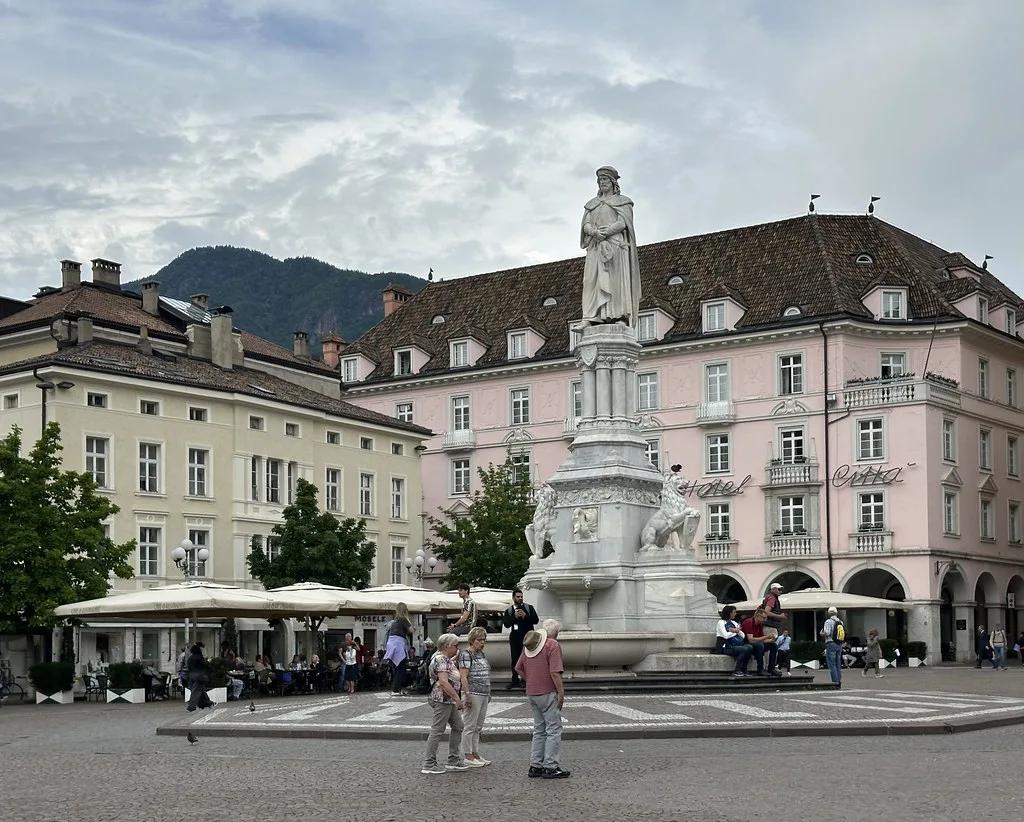
The most reliable free activity in Bolzano is simply walking. The city tourism board describes strolling under the porticoes, visiting squares and museums, and cycling along the bike paths as core ways to discover the city. Start at Waltherplatz, the main square, where cafes and restaurants face the cathedral and the surrounding mountains give the square its distinctive backdrop.
From Waltherplatz, walk the pedestrian street toward the Neptune Fountain, where a daily market sets up with local produce; even if you buy nothing, browsing the stalls and the surrounding medieval buildings is free. The trade-off is that this area is the busiest part of town, so early morning is better for a quiet look and late morning for atmosphere. If you want to go beyond the obvious route, our guide to the hidden gems in Bolzano points to quieter corners that reward a slower walk.
The arcades, or Laubengasse, are the city's signature covered walkway and cost nothing to wander. They also double as a rain plan: when the weather turns, you can keep moving under the porticoes rather than paying for indoor entertainment. Budget no more than an hour for the squares and porticoes if you are short on time, and longer if you want to stop for coffee or browse the shops.
Free Churches and What You Actually See Inside
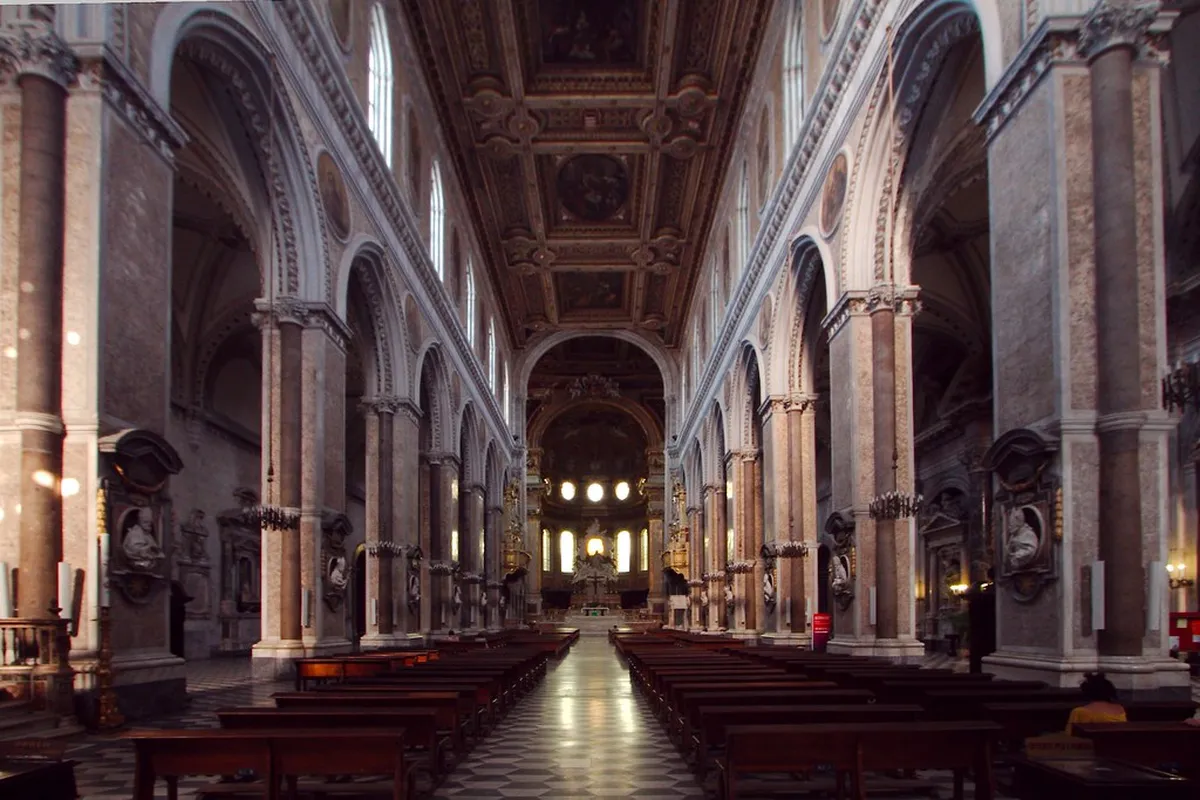
Several churches in Bolzano are free to enter, but the interior experience varies and hours are not guaranteed. Bolzano Cathedral, the Gothic co-cathedral dedicated to the Assumption of Mary, is free to enter and contains a Gothic altarpiece, a fourteenth-century fresco cycle and a collection of tombs; its bell tower and Baroque facade are among the city's landmarks. The Dominican Church, Chiesa dei Domenicani, is also free and is known for a well-preserved fourteenth-century fresco cycle in the Chapel of St John. Treat both as free stops but check current opening hours on the tourism site before you go.
The Franciscan Monastery is another free entry point, with cloisters that offer a calm contrast to the busy streets, though its hours are not published in a way that supports a fixed rule. In practice, plan churches as flexible stops rather than fixed appointments, and avoid building a tight schedule around a single building. If a church is closed when you arrive, the surrounding streets and squares are usually still open and worth the detour.
Note the difference between a free church and a paid museum attached to a religious complex. The Treasure of the Dome Museum, for example, is a separate collection of Baroque sacred art and goldsmith work, and it should not be assumed to share the cathedral's free entry. Check each site's own information before you count it as a free activity.
City-Run Exhibitions and Monuments With Free Admission
Two city-run exhibitions stand out as genuinely free: the permanent display inside the Monument to Victory, which covers Bolzano between the two world wars, and the Semirurali House exhibition in the Don Bosco district, which opened in 2015 and addresses the history and memory of that neighbourhood. Admission to the monument is free, and guided tours are free for school groups and groups of at least ten people by reservation. These are historical exhibitions rather than tourist attractions, so expect a quieter, more documentary experience.
The Victory Monument walk also gives you a free look at the Talvera river area and glimpses of Maretsch Castle from outside. The monument itself was built between 1926 and 1928, and its exhibition explains the Fascist and Nazi periods as they affected the city. If you are travelling with a group, the free guided-tour option is worth reserving ahead, but confirm availability because group tours require booking.
Elsewhere, free entry is the exception rather than the rule. The Clock Museum, for instance, is visitable by appointment at the tourism office and should not be planned as a drop-in free stop; the same caution applies to Archimod, which requires an email booking. Treat appointment-only spaces as optional extras, not as reliable free activities.
Walks That Cost Nothing: The Talvera Promenade and Toward Runkelstein
The Talvera promenade is the city's best free walk, and it leads toward Runkelstein Castle on the northern edge of town. You can reach the castle on foot along the lush green Talfer promenade or by bike on the bike path, and the castle itself was built in 1237 and holds the largest surviving collection of secular medieval frescoes. The walk is free; the castle interior is separately ticketed, so decide whether you are walking for the views or paying to go inside.
A second free walking option is the Oswald Promenade, a higher route above the city that rewards you with views without an admission fee. Our guide to the hidden gems in Bolzano includes the promenade as a slower alternative to the central sights. In practice, a half-day free walk could combine the Talvera path with a return through the porticoes, leaving the afternoon open for one paid museum.
Viewpoints and Open Spaces, Including the Municipal Museum Tower
The Municipal Museum occupies a building on Via Cassa di Risparmio and includes a tower with a sweeping panoramic view of the city, plus a garden used for outdoor events and a lapidary. The museum displays around 200 artworks from the eighth to the twentieth century across several floors, but access is limited and the tower view should be treated as part of a museum visit rather than a stand-alone free viewpoint. Check current access conditions before planning around the tower.
For open-air views that cost nothing, the riverbanks and the promenades above the city are more dependable than any single building. The city tourism board highlights the cable cars as a quick way to reach panoramic scenery, but those lifts are a paid extra and should be budgeted separately. If your priority is a free day, stay at street level and use the bridges and paths for the best angles on the mountains.
Maretsch Castle, a small medieval castle surrounded by vineyards and about an eight-minute walk from the centre, is another case where the exterior and setting are free but the interior is not. Its published visiting hours are not a guarantee that the castle is open on your date, so check before setting out. Treat the castle as a scenic waypoint on a walk rather than a reliable free attraction.
The Paid Museums Worth Budgeting For
If you pay for one museum in Bolzano, make it the South Tyrol Museum of Archaeology, home to Ötzi the Iceman since 1998. The museum displays the 5,300-year-old mummy along with his original clothing and equipment, and it is the city's signature collection. It is a paid attraction, so check the operator's current admission and hours rather than assuming a free window.
Museion, the museum of modern and contemporary art, is another paid stop and a strong choice if you prefer contemporary work to archaeology. The Mercantile Museum, housed in the Mercantile Palace, chronicles the city's economic history and has its own published opening hours, including special schedules for certain periods, so check before you go. MMM Firmian at Firmian Castle, the Messner Mountain Museum, is also ticketed and worth a half-day if mountaineering history interests you.
The practical decision is to pick one paid museum per day and fill the rest with free streets, churches and walks. That keeps costs predictable and avoids museum fatigue. If you are unsure which collection suits you, the Bolzano Attractions hub compares the city's main sights and helps you choose.
Castles and Separate Ticketed Interiors: Don't Assume One Ticket Covers Everything
Bolzano's castles are the clearest example of why you should not assume one ticket covers a whole complex. Runkelstein Castle has a restaurant and extensive frescoes, and its interior is separately ticketed from the surrounding walk. Maretsch Castle likewise has published visiting hours and a separate entry charge, and neither should be treated as free simply because the grounds or approach are open.
The same caution applies to religious complexes with museums attached. The Treasure of the Dome Museum and the Nativity Museum Muri-Gries are distinct collections with their own arrangements, and free entry to a church does not extend to them. Before you count a castle or museum as a free activity, check the operator's own page for current admission and hours.
Transport and Card Decisions That Protect the Budget
Local transport and guest cards can quietly undo a free-day budget if you buy them without checking what they cover. The city tourism site lists the Bolzano Bozen Card and the Mobilcard as separate products, and coverage varies; the Mobilcard, for example, covers participating South Tyrol public transport but not every seasonal tourist route or private mountain lift. Prices and coverage change, so confirm current terms before buying.
If your plan is mostly free walking, you may not need a transport card at all. Use the central streets and promenades on foot and pay for individual journeys only when they save you time. The trade-off is that day trips to the mountains, such as Seceda or Alpe di Siusi, involve separate lift tickets and bus travel, so keep those as a distinct budget line rather than folding them into a free city day.
Suggested Half-Day and Full-Day Free-First Plans
For a half day, start at Waltherplatz, walk through the porticoes to the Neptune Fountain market, and enter the cathedral if it is open. That sequence takes roughly two to three hours at an unhurried pace and costs nothing beyond any coffee you buy. It is a suggested duration, not an official figure, so adjust it to your own pace and to whether the church is open.
For a full free day, add the Talvera promenade toward Runkelstein in the morning, then the Victory Monument exhibition and the riverside walk in the afternoon. Keep one paid museum as an optional evening or rainy-day substitute rather than a default. This plan keeps the day flexible and leaves room for the appointment-only sites only if you have booked ahead.
If you are travelling with children, the squares, market and promenade work well because they allow spontaneous stops without tickets. The trade-off is fewer structured exhibits, so pair the free day with one paid museum that suits your group's interests.
Practical Caveats: Closures, Appointment-Only Sites and Seasonal Hours
The biggest risk to a free-first plan is arriving at a closed door. Church hours, museum schedules and castle opening days can change with the season, and some sites close for maintenance or works; the Eccel Kreuzer Art Space, for example, is currently closed for works. Check the city tourism site and the operator's own page on the day before you travel, and keep a backup free walk in mind.
Appointment-only sites such as the Clock Museum, Archimod and the Pons Drusi Museum require advance contact and should not be treated as free drop-ins. If you want to include one, email or call ahead and confirm the current procedure and whether there is a charge. Otherwise, build your day around streets, churches and promenades that need no reservation.
Weather matters too. Bolzano's porticoes make rain less disruptive, but mountain views and promenades are best on clear days. If rain is forecast, shift the balance toward covered walkways and one paid museum, and save the long riverside walk for a drier day.
Plan Your Visit
A free day in Bolzano is entirely realistic if you treat the city's streets, squares, churches and promenades as the main event and choose paid museums deliberately. The Victory Monument exhibition and the Semirurali House are the clearest free indoor options, while Ötzi, Museion and the castles are the ones to budget for. Verify hours and appointment requirements before you go, and keep one flexible walk as a backup.
For more ways to slow down in the city, explore the hidden gems in Bolzano and compare the main sights in the Bolzano Attractions hub. Both help you match your free time to the places that suit your interests rather than following a fixed checklist.
Frequently Asked Questions
What can you do for free in Bolzano?
Walking the porticoes and squares, browsing the market around the Neptune Fountain, and following the Talvera promenade all cost nothing. Several churches, including the cathedral and the Dominican Church, are free to enter when open, and the city-run exhibitions at the Monument to Victory and the Semirurali House have free admission. Check current hours before relying on any building.
Are Bolzano's churches free to enter?
Bolzano Cathedral and the Dominican Church are free to enter according to published visitor information, and the Franciscan Monastery is also free. Hours vary and are not guaranteed, so check the city tourism site before you go. Museums attached to religious complexes, such as the Treasure of the Dome Museum, are separate collections and should not be assumed free.
Which Bolzano museums are free?
The permanent exhibition inside the Monument to Victory and the Semirurali House exhibition are the clearest free city-run options. Most of the major museums, including the South Tyrol Museum of Archaeology, Museion, the Mercantile Museum and MMM Firmian, are paid. Appointment-only sites such as the Clock Museum are not drop-in free attractions.
Is the Victory Monument exhibition free?
Yes. Admission to the monument is free, and guided tours are free for school groups and for groups of at least ten people with a reservation. The exhibition covers Bolzano between the two world wars. Confirm current access and booking arrangements before you visit.
Do you need tickets for Runkelstein or Maretsch Castle?
Both castles have interiors that are separately ticketed from the surrounding walk. The approach and setting are free, but you should not assume the castle visit is free. Check the operator's current admission and opening days, because castle hours are not a reliable substitute for a ticket.
What can you do in Bolzano for free when it rains?
The porticoes give you a covered walking route through the centre, and the free city-run exhibitions at the Monument to Victory and the Semirurali House are indoor options. Churches are free to enter when open. For anything more structured, plan one paid museum, since most of Bolzano's indoor collections charge admission.
Is Bolzano expensive for a short visit?
It can be, if you pay for several museums, castle interiors and mountain lifts in one trip. A free-first plan built around streets, churches, promenades and city-run exhibitions keeps costs low, with one paid museum as the main outlay. Transport cards and lift tickets are separate costs, so check current terms rather than assuming they are included.
Sources
Continue exploring
More guides you'll find useful