Alghero Two Day Itinerary: Old Town, Nuraghe and Coast
Two days in Alghero: a walkable old-town day through the centro storico and bastioni, then a half-day to Capo Caccia or the Palmavera and Anghelu Ruju sites.
On this page
Two days in Alghero divides neatly into one walkable day inside the walls and one half-day beyond them. The centro storico is compact enough to cross on foot: a Sardinia Revealed writer describes its cobbled alleys, lined with restaurants, artisan shops and bars, as a place to wander for a few hours between a gelato and a seafood lunch. That makes the first day forgiving of delays and changes of plan, while the second can be built around whichever outing you want: the coast at Capo Caccia or the ancient sites around the city.
This is a suggested sequence, not an official itinerary, and the durations below are editorial estimates. The tourism consortium Visit Alghero frames the city as a fortified centre with Gothic churches and medieval towers and a living link to Catalan language and traditions, which fits a day spent reading its streets on foot. Decide early between the coast and the archaeology circuit, because both deserve their own half-day.
Why Two Days Suits Alghero
The historic centre is not a full sightseeing day; it is a loose morning and afternoon. Sardinia Revealed notes the pebble paving makes comfortable shoes or sandals sensible, and describes the streets as good for a few hours of wandering. The sea walls and towers add another stretch of walking with views, and neither element requires a booking, so the first day can flex around weather or appetite.
The outlying sights need their own block. Capo Caccia sits on the promontory beyond the city, and the sites of Palmavera and Anghelu Ruju lie around Alghero rather than in the centre. Treat the two-day structure as a frame: if a boat is unavailable or the weather turns, swap day one and day two rather than trying to fit the coast and the archaeology circuit into a single half-day.
Day 1 Morning: Historic Centre and Cathedral
Start in the centro storico, where Alghero's Catalan character and layered history are easiest to read on foot. The laneways are paved with large, uneven pebbles, so sturdy footwear matters more than style. Visit Alghero's overview calls Alghero a fortified city with a Catalan charm, Gothic churches and medieval towers, and that description matches what a morning walk through the centre will show you.
Make Piazza Duomo and the Cathedral of Santa Maria one of your anchors. Sardinia Revealed describes the cathedral's white neoclassical façade as deceptively plain, with a late Gothic rear from the first phase of construction and a bell tower whose pyramidal spire is covered in coloured majolica recalling Catalan models. The interior, in late Renaissance style, is divided into three naves. Entry arrangements can change, so check locally rather than assuming the building is open at any given hour.
Beyond the cathedral, the appeal is in the side streets: low houses, small architectural details and the kind of corners that reward a slow pace. Keep the outdoor archaeological sites in mind for day two. The Comune di Alghero notes that the domus de janas, including those of Anghelu Ruju, have entered the UNESCO World Heritage list, so the archaeology outside the walls is part of the city's story rather than a separate excursion.
Day 1 Midday: Coral Museum or Archaeological Museum
The Coral Museum and the Archaeological Museum are separate institutions with their own entrances, and a ticket for one does not cover the other. Sardinia Revealed places the Museo del Corallo at Via XX Settembre 8 in an Art Nouveau villa, tracing the history of red coral and its connection to Alghero, with explanatory panels throughout. It gives the Archaeological Museum's address as Via Carlo Alberto 72, with displays covering the sea and its wrecks, Nuragic burials, and mosaic and sculpture fragments from a Roman villa near the city.
If you have time for only one, choose by interest: coral for craft and maritime culture, archaeology for a deeper settlement story and a preview of Palmavera and Anghelu Ruju. The source-dated hours in Sardinia Revealed, which describe weekday reservation arrangements and a free-entry weekend pattern, should be treated as historical. Confirm current hours and ticket arrangements directly with each museum before relying on them, and do not assume both follow the same schedule.
Day 1 Afternoon: Bastioni, Towers and Coral Workshops
Spend the afternoon on the bastioni and towers, moving from Porta Terra, the landward gate that once connected the city by land with Sassari, toward the sea-facing walls. Sardinia Revealed notes that several towers survive, from San Giacomo to Porta Terra, and that Alghero is one of the few cities to have preserved almost the whole wall and tower circuit, rebuilt in the Middle Ages and the sixteenth century. The walk itself is free, so it can fill whatever time the morning leaves.
Pair the walk with the coral workshops, where red coral is part of Alghero's identity. If you plan to buy, look for the municipal coral-certification mark: a red 'A' styled like a coral, displayed outside the shop, as described in the source. Prices vary with the type of coral and the workmanship, and pieces range from traditional Sardinian filigree to more modern designs, so compare before committing. For more corners beyond the main lanes, the hidden gems in Alghero guide is a useful companion to this route.
Day 1 Evening: Catalan-Influenced Food
Alghero's table is dominated by seafood with a Catalan accent. Lobster alla catalana is the signature dish, but it is not the only option: Sardinia Revealed mentions agliata, a garlic-heavy tomato sauce often served with starters, and first courses of malloreddus, ravioli or tagliolini with prawns, swordfish, bottarga, mussels or clams. Mixed fried fish and the catch of the day are common second courses, and most restaurants also offer land dishes and some vegetarian options.
Treat this as a category rather than a ranking. The historic centre has many typical restaurants, and reservations are wise in peak periods, but this guide does not quote prices, which change. Lobster and boat excursions are the two elements most likely to drive up your budget; the walking day can stay inexpensive if you choose simpler dishes and skip the high-end seafood. Set your own ceiling before ordering.
Day 2 Option A: Capo Caccia and the Neptune Caves
The Neptune Caves, a labyrinth of stalactites and stalagmites set in the Capo Caccia promontory, are the classic half-day from Alghero. Sardinia Revealed describes two approaches: by land in about half an hour's drive followed by the Escala del Cabirol, a staircase of just under 660 steps, or by boat from the port in about thirty minutes. The two routes are a different physical commitment, so weigh them before you commit.
The boat is the easier choice for anyone unwilling to climb the staircase in the sun; the source notes a family with a small child choosing the boat for that reason. The land route means the steps both ways. The cave visit must be booked, and the source explains that the shipping company may handle the cave booking when you travel by boat, while land access requires booking through the local tourism office. Confirm current departures, prices and availability with the operator, because they vary by season.
Keep the rest of the day loose. The regional park of Porto Conte around Capo Caccia is a natural complement, and Visit Alghero lists it among the area's outdoor attractions alongside the Grotta di Nettuno. The Alghero attractions guides can help you decide whether to add a nearby stop or return to the city for a late lunch. Treat the cave slot as the fixed element and build the rest around it.
Day 2 Option B: Palmavera and Anghelu Ruju
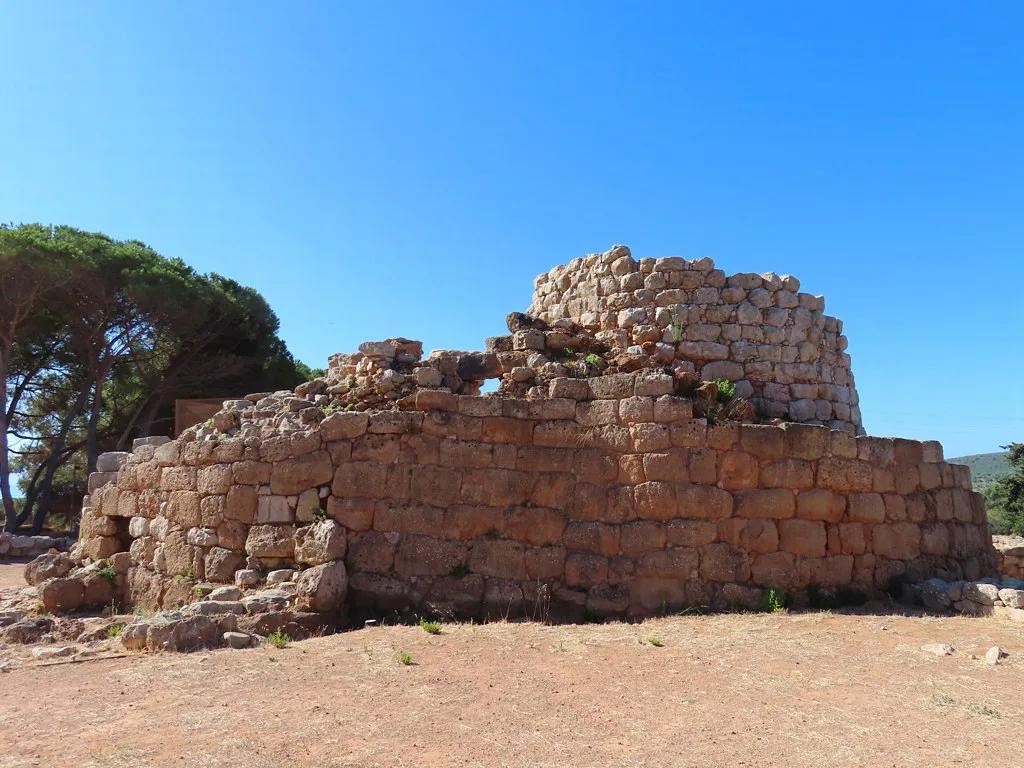
The archaeology circuit suits travellers more interested in ancient Sardinia than in the coast. Sardinia Revealed calls Palmavera the largest of the sites around Alghero, a Nuragic village with a keep and a third tower brought to light in relatively recent times. It also describes Anghelu Ruju as a necropolis of several domus de janas, a cluster of rock-cut tombs. The Comune di Alghero cites the entry of the domus de janas, including Anghelu Ruju, on the UNESCO World Heritage list.
These are outdoor sites away from the centre, so weather, transport and opening arrangements all matter. Independent travel around them without a car can be slow, so check access before committing and do not assume fixed hours. If logistics look impractical, use the Archaeological Museum's collections as an indoor substitute: its displays cover shipwrecks, Nuragic burials and Roman villa finds, giving the same story indoors.
Sequencing and Booking Priorities
Fix the timed elements first. The Neptune Caves visit and the museums are the parts where reservations or opening patterns can constrain you; the walking day is free and needs no planning beyond comfortable shoes. Confirm museum hours directly with each institution rather than relying on older listings, and check the tourism office's current advice for the caves, since boat schedules and ticket costs vary by season.
Then wrap the free walking around those fixed points. A sensible order is to fix the cave or museum slot on day two, leave day one entirely open, and use the bastioni and the centro storico as the flexible filler. Visit Alghero is the best starting point for current information on events and services, while the Comune di Alghero publishes city notices on matters such as road works that can affect movement around town.
If You Have a Third Day: La Pelosa at Stintino
La Pelosa beach at Stintino, about an hour's drive from Alghero according to Sardinia Revealed, is a popular extension rather than part of the two-day plan. Its fine white sand and shallow turquoise water make it good for children, but the beach is famous and can be busy. Treat it as a separate day trip, and check any access rules or booking requirements with the local operator before you go, since these can change.
Plan Your Visit
Alghero rewards a split rhythm: one day on foot inside the walls, one half-day outside them. Decide between the coast and the archaeology circuit first, reserve the cave visit or confirm museum hours, and keep the rest loose. The old town needs no bookings, so it can absorb delays or a change of plan.
Before you travel, verify current opening times and ticket prices directly with the museums, the Neptune Caves operator and the local tourism office. Check the forecast as well, since the boat and the outdoor archaeology sites are the most weather-sensitive parts of the plan, and use the Alghero attractions guides to choose which sites deserve your limited time. For related planning, see Alghero One Day Itinerary: Old Town, Bastions and a Beach.
Frequently Asked Questions
Is two days enough for Alghero?
Two days covers the historic centre and bastioni at a relaxed pace plus one half-day outside the walls, either the Capo Caccia coast or the Palmavera and Anghelu Ruju circuit. Doing both outings would crowd the schedule, so choose one and keep the walking day flexible.
Should I visit the Neptune Caves by boat or by land?
The boat is easier for anyone unwilling to manage the Escala del Cabirol staircase down and back up. Land access suits travellers who want the walk and are comfortable with the steps. Check current departures and cave bookings with the operator before deciding.
Do the Coral Museum and the Archaeological Museum share a ticket?
No. They are separate institutions at different addresses, each with its own entrance and ticket. Choose one if time is short, or visit both across the two days, and confirm opening hours directly with each museum.
What can I do in Alghero in two days without a car?
The centro storico, the bastioni and the towers are all walkable, and the museums are inside the old town. The Neptune Caves can be reached by boat from the port, which avoids the need for a car, while the outlying archaeology sites are harder without one. Use the Archaeological Museum as an indoor substitute for the sites.
Sources
Continue exploring
More guides you'll find useful