
What to Eat in Alghero: Catalan-Sardinian Food Guide
What to eat in Alghero: octopus agliata, fregola paella, malloreddus, seadas and how to choose trattorie and seafood spots on a slow visit.
On this page
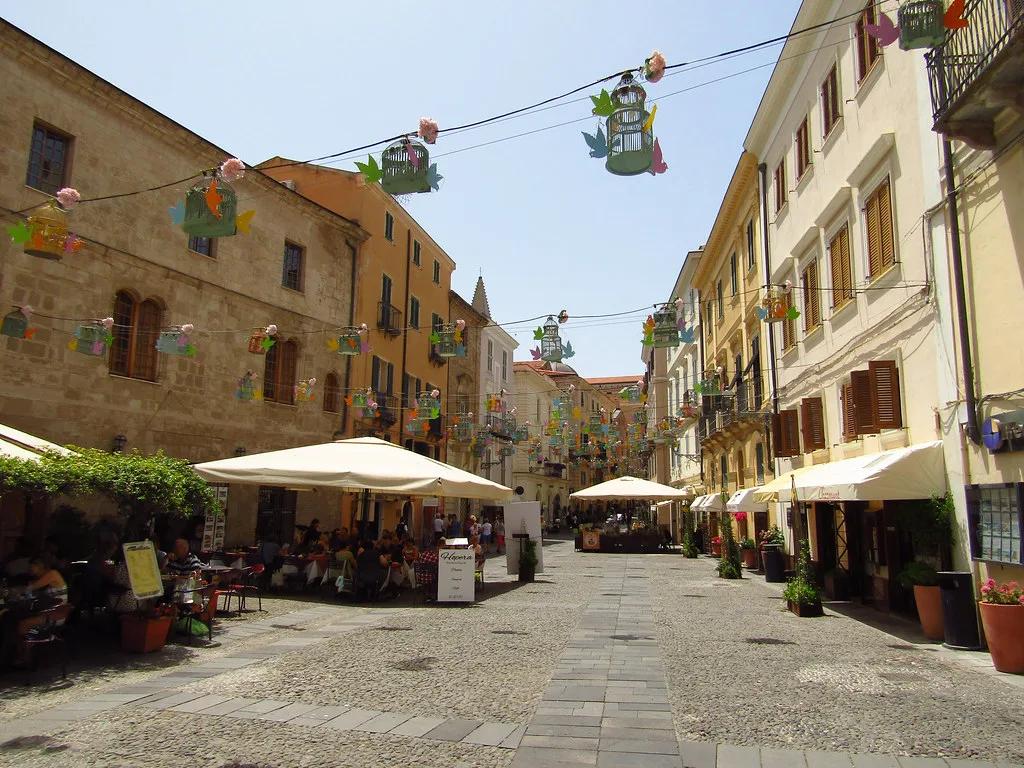
Alghero's historic centre is compact and pedestrian, small enough to cross on foot in about fifteen minutes, which makes it an easy place to build a day around eating rather than around transport. Walk one loop in the morning, book lunch in your head as you pass the menus, and the rest of the day falls into place.
What separates Alghero from a generic Sardinian coastal town is its Catalan inheritance, visible in the street names, the churches and, most usefully for a visitor, the table. Expect seafood cooked plainly and confidently, a handful of dishes you will not find described the same way elsewhere on the island, and a dessert list that rewards saving room.
Why Alghero's Food Tastes Catalan and Sardinian at Once
Centuries of Catalan presence left Alghero with a culinary vocabulary that sits between Iberia and the island interior. You see it in the way seafood is dressed with garlic and tomato, in a rice-and-fregola paella that is not quite Valencian, and in the town's long association with red coral, which tied its economy to the sea for generations.
The result is a kitchen that reads as seafood-first but is not seafood-only. Inland Sardinian staples such as semolina pasta and cured pork appear alongside the catch, so a table can mix a fish course with something earthy without the meal feeling incoherent.
The regional tourism board frames the northwest coast around the Riviera del Corallo, with Alghero as a base for the surrounding coastline and its protected areas. That geography explains what lands on plates: coastal fishing, rocky-shore shellfish and a short supply line from the sea to the old town.
The Catalan-Sardinian Shortlist
Octopus agliata is the dish to order if you want one plate that explains the town. The octopus is served in a garlicky red sauce, a preparation that tastes closer to Catalan cooking than to the rest of Sardinia, and it works well as a shared opener.
Paella algherese is the local signature that most surprises visitors. It is made with fregola, the toasted semolina pellets typical of Sardinia, instead of rice, and typically combines seafood with sausage. Knowing this before you order prevents the mild disappointment of expecting a Spanish rice paella.
Sea urchin appears on menus in season, usually simply dressed, and lobster is prepared in a Catalan style with tomato and onion. Both are the kind of dish where a short, confident menu is a better sign than a long one, because they depend on fresh supply rather than on kitchen equipment.
Pasta and Comfort Plates
Malloreddus is the Sardinian answer to comfort food: small ridged semolina gnocchetti, in Alghero usually paired with a wild boar ragù. It is a substantial plate, so treat it either as a main for a lighter meal or as the shared middle course before a second seafood dish.
Fregola shows up twice in local eating, as the base of the paella algherese and in its own seafood preparations. If you are planning a fish main, ordering a fregola or malloreddus first course means you have covered both the island's pasta tradition and its coastline in a single sitting.
Grilled seafood is the other dependable order, and simpler than the composed dishes. A plate of grilled squid or mixed catch, dressed with olive oil and lemon, tells you quickly whether a kitchen is buying well, which matters more here than elaborate technique.
Pastries and Sweets
Seadas is the closing move: a thin pastry filled with fresh cheese and served with warm honey, simultaneously savoury and sweet. Order one to share at the end of lunch rather than two desserts, because it is richer than its size suggests.
The wider Sardinian pastry repertoire leans on semolina, honey and simple ingredients rather than on cream, so a dessert order here tends to feel lighter than expected. That is useful if you are planning an afternoon walk along the bastions afterwards rather than an immediate rest.
Trattoria or Seafood Spot? How to Choose
The honest answer is that this is a decision about the length of your meal, not about quality. A trattoria with a shorter menu and a mixed clientele is the better fit for a relaxed midday lunch where you want pasta and a shared starter; a seafood-focused spot makes more sense for an evening when fish is the whole point.
Use menu length as a practical signal. A place offering a tightly edited list of fish, a couple of pasta dishes and a dessert or two is usually concentrating on what it can execute well, while a menu that runs across several cuisines is often a sign of volume rather than focus.
Look at who is eating where, and at how the room is laid out. Long communal tables and quick turnover suit a plate-and-go lunch, while a smaller room with slower service suits the Sardinian habit of sitting through a full meal.
How the Local Day Shapes Meals
Like much of Italy, Alghero observes a mid-afternoon pause when many shops and some kitchens close for a few hours. Do not plan on a late-afternoon sit-down meal; instead treat lunch as the main event and keep the early evening light until restaurants reopen.
Dinner starts late by northern European standards, so an early-evening aperitivo does real work rather than being a ritual. A drink and a small bite on or near the bastions around sunset bridges the gap without spoiling the meal that follows.
The most comfortable pattern for a short stay is a substantial lunch, an afternoon of walking or a beach, and a later, lighter dinner. That rhythm also keeps you flexible if you spend the day out at Porto Conte or Capo Caccia and come back hungry rather than on schedule.
A Coral Detour That Explains the Menu
Alghero's coral trade is part of the same maritime identity that shapes its cooking, and the coral boutiques concentrated in the old town are hard to miss on any food walk. The Museo del Corallo is the place to understand how the material is worked and how sustainability is handled before you consider buying.
If you do want a piece, look for the official mark of the Corallium Rubrum consortium, established in 2015 to promote responsible harvesting and protect local craftspeople. Imitation coral is widely sold in markets, so knowing the mark is the difference between a souvenir and a considered purchase.
Practical Eating Notes
Use the town as a slow base and let your appetite follow your day trips. A morning at Nuraghe Palmavera or a drive through Porto Conte Regional Natural Park changes what you want at lunch: something simple and quick after a hot archaeological site, something longer after a coastal drive.
For day-by-day planning around events, roadworks and seasonal changes, the city's own notices are the reliable source, and the tourism board publishes events and itineraries across the island. Neither will tell you what a specific kitchen is serving tonight, so confirm current menus and hours directly with the restaurant before you build an evening around it.
If you want to compare how other Italian cities structure a food day, our Bologna local food guide and our Turin local food guide both show how regional kitchens organise menus around a single lunch.
Eat Your Way Through the Old Town
Start with octopus agliata and a plate of malloreddus, order paella algherese once to see what fregola does in place of rice, and finish with seadas and honey. Between them you will have covered the Catalan side, the Sardinian side and the coastline that supports both.
Because the centre is walkable, the practical plan is to eat lunch properly, spend the afternoon on foot or at the coast, and keep the evening for an aperitivo and a later dinner. Check menus and current hours with each restaurant before you commit, and let the day's weather decide whether you eat indoors or out. For related planning, see Alghero Markets Guide: Fish, Cheese and Picnic Shopping.
Frequently Asked Questions
What food is Alghero known for?
Alghero is known for seafood with a Catalan accent, especially octopus agliata and a fregola-based paella algherese, alongside Sardinian staples such as malloreddus with wild boar ragù and seadas with honey for dessert.
What is paella algherese and how is it different from Spanish paella?
It is made with fregola, the toasted semolina pellets used across Sardinia, instead of rice, and usually mixes seafood with sausage. That makes it a distinctly local dish rather than a version of Valencian paella.
Should I choose a trattoria or a seafood restaurant in Alghero?
Base it on the meal you want rather than on rankings. A trattoria with a short mixed menu suits a relaxed lunch with pasta, while a seafood-focused kitchen suits an evening built around fish; menu length tells you where the kitchen's attention sits.
What time do people eat dinner in Alghero?
Dinner runs late by northern European standards, and many kitchens close during the mid-afternoon siesta. Plan a proper lunch, use an early-evening aperitivo to bridge the gap, and confirm current service hours directly with the restaurant.
What sweet should I try in Alghero?
Seadas, a thin pastry filled with fresh cheese and served with warm honey. It is rich, so sharing one at the end of lunch is usually enough, especially if you plan to walk afterwards.
Sources
Continue exploring
More guides you'll find useful





