Free Things to Do in Alghero: Walls, Churches and Beaches
Plan a low-cost Alghero trip with free old-town walks, bastions, beaches and viewpoints, plus honest notes on which paid sights are worth the ticket.
On this page
Alghero rewards travellers who slow down. The walled centre is compact and pedestrian-friendly, the sea walls double as a free sunset promenade, and several beaches sit within walking or short-bus distance of the historic core. That makes it an unusually good base for a low-cost few days.
The catch is that the town's headline attractions are not free. Neptune's Grotto, the coral and archaeological museums, and the prehistoric sites outside town each carry their own admission, and some require advance booking rather than a walk-up ticket. Planning means sorting the free layer from the ticketed one before you budget anything.
Start With the Historic Centre on Foot
The first free thing to do in Alghero is simply walk into it. The historic centre, known locally as Alguer Vella, sits inside the old walls and is small enough to cross in about fifteen minutes, which makes aimless wandering the most efficient way to see it. Cobbles are uneven and large, so flat shoes matter more than they sound.
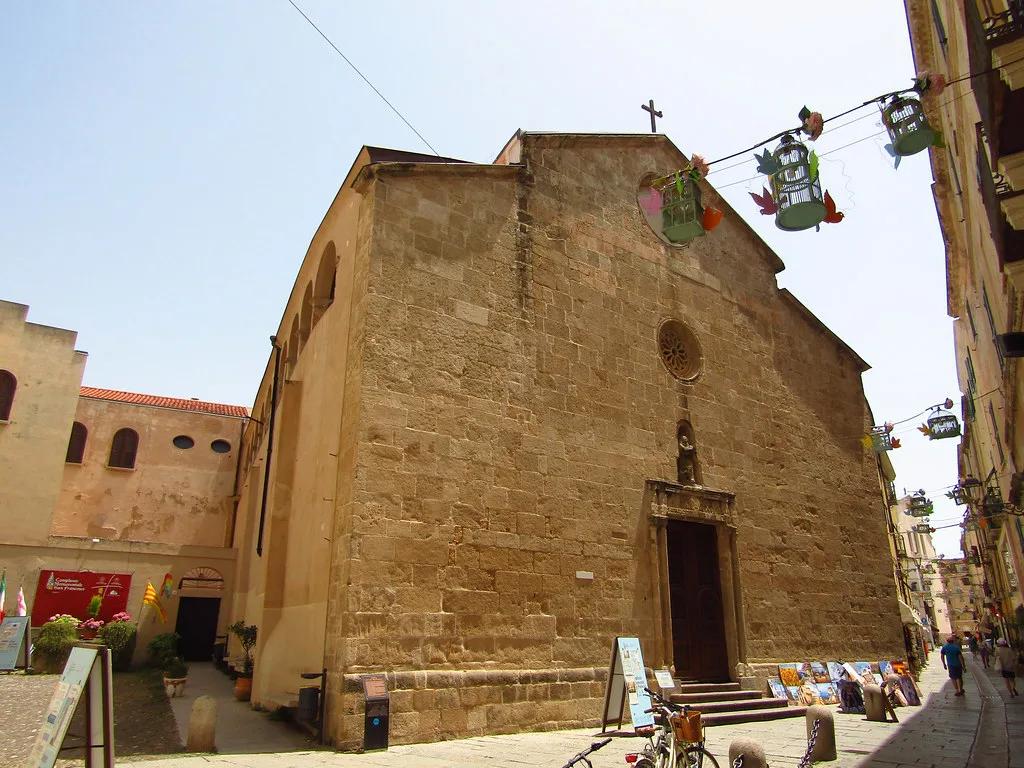
Look for the Catalan-Aragonese layer: Gothic windows, stone portals and street signs in two languages, a legacy of the town's Catalan period. The cathedral of Santa Maria and the church of San Michele anchor the walk, and both can be admired from the street without spending anything. Treat interiors as a separate question rather than assuming the door is open.
The wider region rewards the same slow approach, from the cliffs of Capo Caccia to the pine woods of Porto Conte. If you want to go beyond the obvious squares, this selection of hidden gems in Alghero is a useful companion to the walk.
Walk the Bastions and Towers at No Cost
Alghero is one of the few Italian cities that kept most of its sea walls and towers intact, and walking them costs nothing. A natural route runs from Porta a Mare along Bastioni Marco Polo toward Torre del Sulis, passing Torre di Sant'Elmo and Torre di San Giovanni on the way. The circuit is short, flat and best saved for golden hour, when bars along the bastions spill into the street.
Read the walls as a timeline rather than scenery. The defensive system grew across centuries, with towers renamed and repurposed as the threat changed, and several now host temporary exhibitions inside. Those exhibitions may carry their own arrangements, so check locally if a specific tower is your reason for going.
The free version of this walk is the exterior circuit, the views and the sunset. Anything that takes you inside a tower or monument is a separate visit with its own conditions, so do not plan a day around entering buildings without confirming first.
Churches, Squares and Public Spaces
The safest budget assumption in Alghero is that you can always enjoy the outside of a church: facades, bell towers and the little piazzas they sit on. Piazza Civica and Piazza Duomo are free to cross and linger in, and the cathedral's majolica-tiled bell tower is best appreciated from the street anyway. San Michele's patterned dome is the same story, revealing itself properly only from a distance or a higher viewpoint.
Interiors are where the free lunch ends. Churches in Italy often keep limited hours, close at midday or charge a small contribution for maintenance, and a closed door on a Tuesday tells you nothing about Thursday. Check the notice on the door or the parish's own page the day you plan to visit instead of relying on a blog written years earlier.
Siesta remains a real scheduling constraint. Many independent shops, offices and smaller museums pull down their shutters through the early afternoon, so build your free walking time around that gap rather than fighting it. Morning and late afternoon light are also better for the walls.
Beaches Within Reach of the Centre
Access to Sardinian beaches is generally free, and Alghero has a ladder of options from walkable to short-drive. Spiaggia del Lido and Spiaggia di San Giovanni are reachable on foot from the port area, while Maria Pia, Le Bombarde and Lazzaretto need a short trip north. Bus lines 9320 and 9321 serve the Porto Conte corridor and stop near several beaches, which keeps the day cheap if you skip the car, according to Strictly Sardinia.
The trade-off is time versus money. A car gives you Le Bombarde and Mugoni at your own pace and lets you combine them with the Porto Conte park, but you pay for rental and parking in season. Public transport is cheaper but ties you to a timetable, so pick one beach rather than trying to tick off three.
Sunbeds and umbrellas are the hidden cost on any Italian beach, and free stretches are usually the ones without them. Bring water, a mat and shade, and arrive earlier in high summer when the sand fills quickly.
Free Viewpoints: Capo Caccia and Porto Conte
The clifftop road toward Capo Caccia delivers the region's best free spectacle: limestone walls dropping into the sea, with the Porto Conte park stretching behind you. The cave itself is inside that cliff and carries a ticket, but the drive, the parking pull-offs and the coastal scenery do not. Budget a half day if you want to stop often.
Getting up there without a car is the constraint. Public routes serve the Porto Conte area, but stops sit well back from the cliff edge and walking distances add up in the heat. If you are relying on buses, check the current timetable and the last return before you set out, because services thin out outside summer.
Lake Baratz and Porto Ferro make a quieter alternative for anyone with wheels: the lake is Sardinia's only natural freshwater lake, swimming is not allowed there, and the surrounding reserve has no cafés or boat hire. It is a good free half-day for walkers and birdwatchers rather than beach clubs.
Which Paid Sights Are Worth the Ticket
Neptune's Grotto is the one most visitors weigh up. It can be reached by sea from Alghero's port or by land via the Escala del Cabirol, a long staircase cut into the cliff, and the cave has a separate entrance ticket that does not include the boat or shuttle. The official site publishes current admission fees and states that booking a time slot is mandatory for land access, so check both before committing.
It is worth it if you want the cave interiors and can handle stairs or a boat crossing; it is skippable if stairs in full sun are a problem, since the free clifftop views above deliver much of the drama. The operator also notes that the ticket covers neither the boat nor the shuttle, which is where budgets quietly expand.
Outside town, Anghelu Ruju is the largest prehistoric necropolis in Sardinia, with dozens of rock-cut domus de janas, and it sits opposite the Sella & Mosca winery. The operator publishes season-dependent opening hours and separate full and reduced admission, so verify both rather than budgeting from an old guidebook.
The two city museums are the other paid decision. MACOR, the coral museum, occupies a Liberty-style villa and explains how red coral shaped Alghero's economy and craft, while the archaeological museum holds finds from the sites you have been visiting, including material from Anghelu Ruju. Neither is free, so check the museum network's current notices before you go.
If you want a single reference point for opening times, tickets and what each site actually contains, the Alghero Attractions guides cover the individual sights in more depth than a budget summary can.
Cheap Day Trips and Their Hidden Costs
Bosa, about an hour south by car or bus, is the best value day trip: pastel houses stacked above the Temo river, a castle to climb and streets to wander without an entry fee. Sassari is closer still, reachable by bus or by the ARST train, and its historic centre rewards an afternoon of walking.
La Pelosa at Stintino looks free and is not, in practice. Access is capped and requires advance reservation, and towels are not permitted on the sand, so you need a straw mat. There is also no realistic public transport, which means a car and paid parking; check the official booking system before you count this as a budget beach day.
Asinara is the opposite proposition: a former prison island turned national park, reached by ferry from Stintino or Porto Torres, with no private cars allowed. Tours run from those ports rather than Alghero, so build in the drive first. Ferries and boat tours can be cancelled in strong wind.
The local tourism consortium's site is a reasonable place to confirm which operators are currently active before you commit to a day trip, since small seasonal businesses come and go.
Practical Budget Notes
Keep the old town car-free. The centre is pedestrian-only and parking near the walls is scarce, so choose accommodation with a space if you are renting a car, then walk in for dinner rather than reparking after a day out.
The municipality's site is the place to check for roadworks, temporary traffic changes and event-related closures that can affect a coastal drive or a bus route, since these are published as news items rather than kept in a permanent calendar.
Carry more water than feels necessary on the bastions and the Capo Caccia road, where shade is limited and the sun is strong from late morning. Reusable bottles, a hat and a light layer for the evening sea breeze cover most of the free days described here.
Plan Your Visit
Free Alghero is mostly a walking town: the old lanes, the sea walls, the church exteriors, the beaches and the clifftop road. Build two or three days around those and the trip costs little beyond food and a bus ticket.
Then spend deliberately on one or two ticketed experiences, checking the operator's own page for current hours, admission and booking requirements each time. That way the caves, the museums or the necropolis become a choice rather than a surprise on the bill.
Frequently Asked Questions
What can you do for free in Alghero?
Walking the historic centre and the sea walls costs nothing, and so does admiring church exteriors, crossing the main squares and using the beaches. The clifftop scenery around Capo Caccia and the Porto Conte park is free to drive or walk through, even though the cave below has an entrance fee. Museums, the cave and the prehistoric sites are all separately ticketed.
Are the old town walls and bastions free to walk?
Yes. The bastions form a public promenade along the seaward edge of the old town, running roughly from Porta a Mare toward Torre del Sulis, and you can walk the circuit without paying. Individual towers sometimes host exhibitions or events, which may have their own arrangements, so check locally if entering a specific tower matters to you.
Is Alghero expensive to visit?
It can be as cheap or as costly as you make it. The free layer is substantial: streets, walls, exteriors, beaches and viewpoints. Costs concentrate in accommodation, car rental, restaurants and the ticketed sights such as Neptune's Grotto, the coral museum and the archaeological sites, so decide which of those you actually want before booking.
Do you need a car to enjoy Alghero on a budget?
Not for the town itself, which is compact and walkable, and several beaches are reachable on foot or by bus. A car helps for the Capo Caccia road, Lake Baratz and day trips such as Bosa, but it brings rental and parking costs. Buses serve the Porto Conte corridor, so check current timetables before deciding.
Are the beaches near Alghero free and reachable without a car?
Beach access itself is generally free, though sunbeds and umbrellas cost extra. The Lido and San Giovanni are walkable from the centre, while Maria Pia, Le Bombarde and Lazzaretto need a short trip and are served by buses along the Porto Conte route. La Pelosa at Stintino is different: it requires advance reservation and is not practical without a car.
Is Neptune's Grotto worth the ticket?
It depends on your tolerance for stairs and boats. The cave interiors are the draw, reached either by sea from the port or by land down the Escala del Cabirol staircase. If stairs in the sun are a problem, the free clifftop views above deliver much of the drama. Check the operator's site for current fees and whether a time slot must be booked.
Can you visit Anghelu Ruju and Nuraghe Palmavera cheaply?
They are separately ticketed archaeological sites rather than free ruins, and both publish season-dependent hours. Anghelu Ruju is the largest prehistoric necropolis in Sardinia and sits opposite the Sella & Mosca winery, so it pairs well with a wine visit. Confirm current admission and opening times with the operator before you build a day around them.
How many days do you need in Alghero?
Two full days cover the old town, the walls and one beach comfortably; three or four let you add a ticketed sight such as the cave or a museum plus a day trip to Bosa or Sassari. Staying longer usually means a car, because the free coastal scenery beyond town is spread out and bus services thin outside summer.
Sources
Continue exploring
More guides you'll find useful