
Santa Maria del Monte Positano: Hilltop Church Guide
A careful visitor guide to Positano's hilltop Santa Maria del Monte, covering the stair climb, the views, and what to check before you set out.
On this page
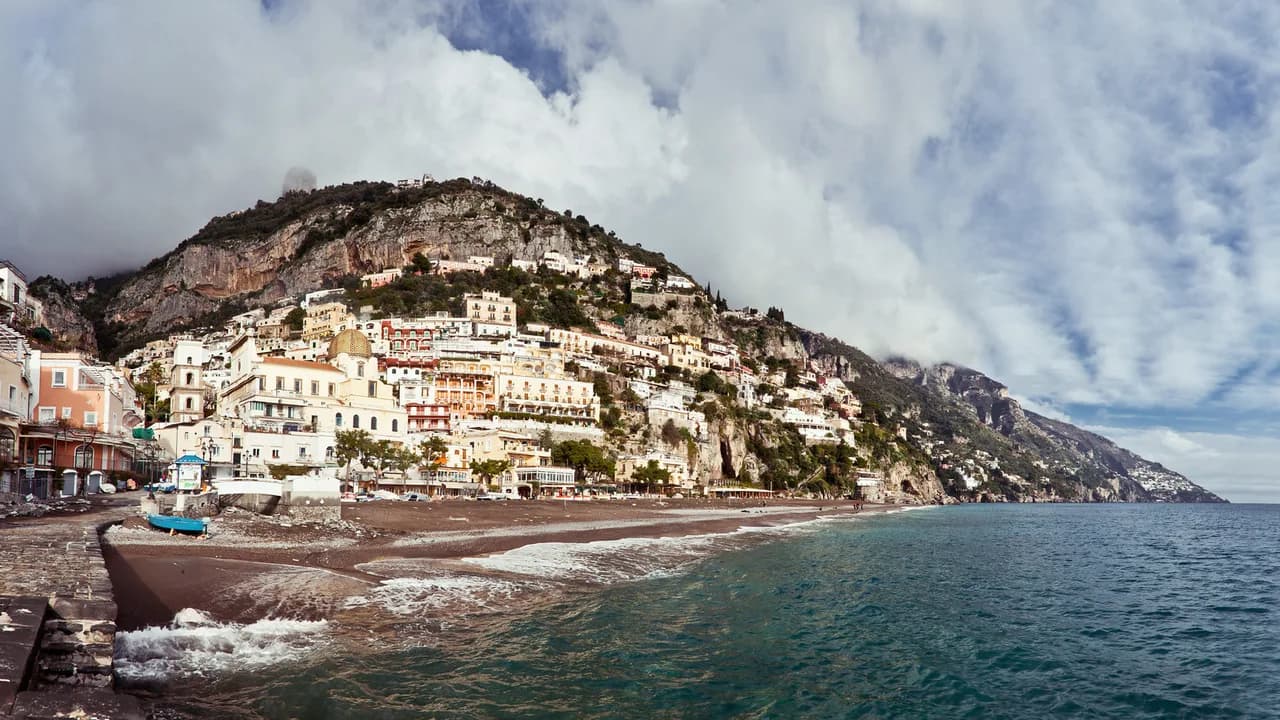
Positano is a vertical town, and few sights make that clearer than the walk up to the hilltop church of Santa Maria del Monte. This guide is for travellers who want to understand what a visit involves, how it fits into a day, and where the published record is thin. It deliberately avoids claiming opening hours, entry rules or festival dates that cannot be verified.
The town's best-known church, Santa Maria Assunta with its majolica dome, sits just above Spiaggia Grande and is described in detail by travel writers, including a coastal guide that notes its 13th-century Black Madonna and 18th-century belltower. The hilltop Santa Maria del Monte is a separate building, and mixing the two is the first mistake most visitors make. If your interest is the dome you see from the beach, start with the Chiesa di Santa Maria Assunta Positano visitor guide instead.
One sourced detail to anchor your planning: the pathway between Spiaggia Grande and Fornillo Beach, Via Positanesi d'America, is a roughly five-minute walk carved into the cliff, so a beach-to-beach walk is genuinely easy. The climb to Santa Maria del Monte is a different order of effort, and the sections below treat the stairs as the central planning decision.
Santa Maria del Monte Versus Santa Maria Assunta
Most photographs of Positano feature Santa Maria Assunta, the church whose tiled dome rises above the waterfront. A coastal travel guide describes it as dating back centuries and housing a 13th-century Byzantine Black Madonna, with restoration beginning in 1777 after the building had been abandoned during the 15th century because of pirate raids. That history belongs to the beachfront church, not to the hilltop sanctuary.
Santa Maria del Monte sits higher up the slope and is reached by walking rather than by stepping off the port. Sources in this packet do not document its interior, its Mass schedule or its visitor arrangements, so treat any such claim you see elsewhere with caution. The practical consequence is simple: plan the hilltop visit around the climb and the views, and confirm the church's own details with the town before you rely on them.
What the Walk Up Involves
Positano's layout is famously vertical, and staircases are the standard way between levels. A Positano self-guided walk through lanes, stairways and belvederes is a sensible way to build up your legs before attempting the hilltop, because the town rewards walkers who accept the steps rather than fight them.
Footwear matters more than most packing lists suggest. Blog guides to the area consistently recommend closed shoes with grip and thick soles, partly because the stone staircases can be slippery and partly because the beaches themselves are pebbles rather than sand. A traveller who plans both a hill climb and a beach afternoon should pack shoes that handle both.
There is no verified public transport route to the sanctuary in the material reviewed here, so do not assume a bus will drop you at the door. A place to start planning is the Positano Attractions hub, which collects guides to the town's individual sights. For anyone staying near the centre, the climb is best treated as a morning outing before the heat builds.
Views From Above and How They Shape a Day
Elevated viewpoints define how visitors experience Positano. A travel account of arriving by bus notes that the Sponda stop, high above the town, gives panoramic views of the beach and cliffs before you even walk down. The hilltop church works on the same principle: the reward is the outlook over the vertical town rather than a single monument.
Sunset is the town's signature view, and a free vantage point on Via Cristoforo Colombo is recommended by one traveller as a place to watch it without paying for a bar seat. If you climb to Santa Maria del Monte earlier in the day, save the evening for a lower viewpoint so you are not descending in the dark. The combination gives you two different perspectives on the same coastline.
Pairing the Hilltop With a Walkable Beach Day
Positano has two beaches you can reach on foot from the centre: Spiaggia Grande and Fornillo. Spiaggia Grande is the largest and busiest, lined with restaurants and beach clubs and sitting beside the port where ferries and cruise tenders arrive. Fornillo is smaller and calmer, and a local hostel guide describes it as the easier low-budget beach day, with a large free section and four beach clubs in between.
The link between them is Via Positanesi d'America, a five-minute cliff path that passes Torre Trasita, a 16th-century watchtower now in private hands. Fornillo beach Positano guide material makes clear the path is short enough to combine with a swim at either end. A morning climb followed by an afternoon on Fornillo is a reasonable half-day shape, though it is an editorial suggestion rather than an official itinerary.
Expect company on the main beach. One beach guide notes that the port beside Spiaggia Grande receives enormous numbers of day-trippers, which is why several writers prefer Fornillo for a relaxed day. Prices for sunbeds are quoted differently across blogs and are dated to earlier seasons, so ask at the club on the day rather than budgeting from a blog figure. Further visitor details appear in The Best Beaches in Positano Italy (and Beach Clubs) - UPDATED 2026 — ckanani.
Timing, Heat and Crowds
Positano is liveliest between April and October, and beach clubs typically operate from May to October, according to a beach-focused blog. July and August are the busiest and hottest months, and a traveller who visited in a summer heatwave describes packed buses that sometimes skipped stops because they were full. For an uphill walk, that argues for spring, early summer or September.
Shoulder-season plans need flexibility. The same traveller notes that April, May, September and October bring fewer crowds but also a chance of rain and rougher seas. If a wet day rules out the climb, the hidden gems in Positano guide offers lower-altitude alternatives for filling the time.
The Madonna di Monte Festival
Visitors often ask when the Madonna di Monte festival takes place. The sources reviewed here do not give dates, a programme or an organising body, so this guide does not publish any. Festival calendars in small Italian towns can shift with the liturgical year and local decisions, and a wrong date is worse than no date.
The practical approach is to check the Comune di Positano website and local notices closer to your trip, and to ask your accommodation host once you arrive. If a procession or Mass is central to your reason for visiting, confirm it directly before booking travel around it. Treat any undated festival claim you find online as unconfirmed.
A Practical Checklist for the Climb
Carry more water than you think you need, wear shoes with grip, and take a hat for the exposed sections. Bring a little cash as a backup, since some small businesses and transport counters in the area prefer it, and keep valuables light. If you plan to swim afterwards, add water shoes, because the beaches are pebbly rather than sandy.
Plan the descent before you start. Walking back down into town is easier than climbing, but tired legs on stone steps deserve care, and the beach path to Fornillo and Spiaggia Grande is a gentler finish than retracing steep stairs. A written plan with a named meeting point is useful if you are in a group.
Finally, separate what you can confirm from what you cannot. The town's beaches, paths and viewpoints are well documented by travellers; the hilltop church's own visitor arrangements are not. Check the Chiesa di Santa Maria Assunta in Positano page if your interest is really the dome by the water, and use the hilltop trip for what it reliably offers: the walk and the view.
Plan Your Hilltop Visit
Treat Santa Maria del Monte as a walk with a church at the top rather than a ticketed attraction with a queue. Go early, wear proper shoes, carry water, and leave the rest of the day for a swim at Fornillo or a slow evening in town. Confirm any festival or opening detail with the Comune di Positano before you build a trip around it.
Frequently Asked Questions
Is Santa Maria del Monte the same as the church with the tiled dome in Positano?
No. The tiled dome belongs to Santa Maria Assunta, which sits close to Spiaggia Grande. Santa Maria del Monte is a separate hilltop church reached on foot. If you want the dome, see the dedicated Santa Maria Assunta guide instead.
How long does it take to climb to Santa Maria del Monte?
There is no reliable published timing for this specific climb in the sources reviewed. Treat it as a stair walk that varies with fitness and heat, and set aside a morning rather than squeezing it between timed bookings. Ask locally for the best route on the day.
When is the Madonna di Monte festival held?
The available sources do not give dates, a programme or an organiser, so this guide does not state any. Check the Comune di Positano website and local notices close to your trip, and confirm directly with the town if the festival is central to your plans.
Can I combine the hilltop church with a beach day in Positano?
Many visitors do combine walking and beach time, but the hilltop climb is more demanding than the town's beach paths. A common approach is the climb in the morning followed by Fornillo or Spiaggia Grande in the afternoon. Sunbed prices and club arrangements vary, so confirm on the day rather than relying on older blog figures.
Sources
Continue exploring
More guides you'll find useful





