
Trento–Sardagna Cable Car: What to Expect From the Viewpoint
Plan the Trento–Sardagna cable car as a short side trip: what you see over the Adige valley, when to go for clear views, and why to check fares first.
On this page
Trento packs a frescoed old town and a Roman underground into a few walkable blocks, so the fastest way to understand its setting is to leave street level. The cable car to Sardagna rises from the riverbank toward the cliffside village above the Adige valley, turning slate rooftops, river bends and mountain ridges into a single panorama. This guide covers what to expect, how to plan around weather, and which practical details to verify yourself.
Where the Lower Station Sits
The cable car departs from a lower station near the banks of the Adige, a short walk from the historic centre rather than a bus ride out of town. That proximity is what makes it a plausible side trip: you can leave Piazza Duomo, cross to the river, ride up and be back among the arcades without losing a day. Treat the walk as part of the outing and allow a little slack on either side.
Because the lower station sits by the river, the ascent begins with the water directly beneath you and the city rising behind. Watching the Adige Valley from above is the point of the trip, so position yourself for the outward view on the way up. Anyone planning a broader round of elevated spots should compare this ride with the other options in the viewpoints guide: where to look over the city before committing. For wider planning, see Trento Viewpoints Guide.
What the Ride Delivers
The cabin glides up the sheer rock face in just a few minutes and lands in Sardagna, a peaceful cliffside village above the valley floor. The brevity is the appeal: this is not a scenic railway that eats an afternoon, but a short uplift that changes your vantage point entirely. Set expectations accordingly and the ride will feel like a well-spent detour.
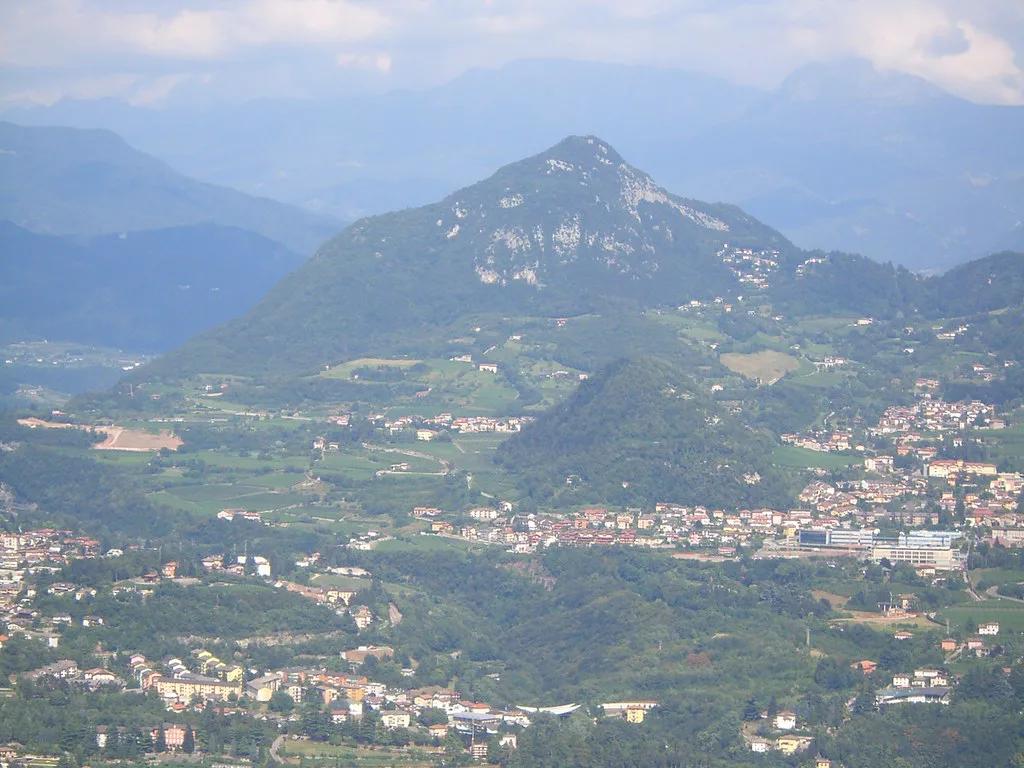
At the top, the payoff is the outlook over Trento itself: red-tiled roofs, the winding Adige and the ridges beyond, with the light shifting through the day. One travel account describes the cable car as a relatively affordable way to reach higher ground, followed by a slow pause for a drink and valley views at the village. Use that as the model rather than treating the ride as a photo stop.
Families weighing whether the ascent suits younger children can pair it with flatter town activities from a Trento with kids: family-friendly plans and practical tips guide, since the ride itself is short and the time at the top is yours to control. If your group prefers to keep both feet on the ground, the old town holds enough for a full day without the cable car. Choose deliberately rather than adding it by default.
Reading the Valley From the Viewpoint
From the upper terminal, the city reads as a compact grid pressed against the mountains, with the Adige cutting through the valley floor below. Trento itself sits at the foot of Monte Bondone, the local mountain, and the surrounding slopes frame every view of the centre. That geography explains why the panorama is more informative than a rooftop terrace: you see the relationship between river, city and mountain at once.
Pick a clear day and the ridges stand out sharply; pick a hazy one and the valley view flattens into grey. Weather is the single most useful filter for planning this outing, more decisive than the hour you choose or how long you stay. If the forecast looks murky, move the ride to another day rather than spending the trip looking at cloud.
Late afternoon suits photography, when softer light picks out the rooftops and the river bends below. Morning works too if you want the city still in shadow and the peaks catching early sun. Neither is essential; the clear-day rule matters far more than the clock.
How Long to Allow at the Top
The ride takes only a few minutes, so the day's shape depends on how long you spend in Sardagna rather than on the ascent. As a suggestion, give the village an hour or more and the trip feels like an outing; hustle straight back down and you have paid for a lift with a view. The slow version is the better one.
Once at the top, walk a little away from the station and find a bench or a terrace where the valley opens up. A drink at a village bar turns the viewpoint into a proper pause, and it costs nothing to sit with the view for a while. Rushing back to the cabin defeats the purpose of coming up at all.
Tickets and Departures: What to Confirm
Fares, timetables, operating days and any seasonal closures for the cable car are published by the operator, Trentino Trasporti, and they can change. Rather than relying on a price quoted in an older guide, check the operator's own site or ask at the Trento tourist office before you go. This is especially worth doing outside the main season, when service patterns may differ.
The tourist office at Piazza Dante 24 fields mobility and parking questions alongside general information, so it is a sensible first stop if you need to know how to reach the lower station. It is about a ten-minute walk from the cathedral and open on weekday patterns that shift between summer and winter. Confirm the current hours before making it your first call.
Pairing the Ride With the Rest of Trento
Build the cable car into an old-town morning: Piazza Duomo, the cathedral and the painted palaces along Via Belenzani fill a few hours before the ride. Afterward, return to the river and continue to Le Gallerie di Piedicastello, the exhibition venue housed in two decommissioned road tunnels across the Adige. It is free to enter, though it closes on Mondays and 25 December, so check the day before committing.
A longer stay can put the cable car on one day and Monte Bondone on another, since the mountain offers hiking in summer and skiing in winter within easy reach of the city. Splitting them keeps the cable car as the gentle introduction rather than a rushed add-on. Two full days give both room to breathe.
Travellers who want the castle frescoes as well should reserve a separate half-day for the Castello del Buonconsiglio visitor guide: tickets, Torre Aquila and what to see, because the castle rewards slow looking rather than a quick pass. Those looking for quieter corners beyond the headline sights will find more ideas among the hidden gems in Trento.
Who the Cable Car Suits
The ride suits anyone who wants a fast change of perspective without a hike, and it fits neatly into a half-day rather than demanding one. It is less appealing if you dislike heights or enclosed cabins, or if the weather is doubtful. In those cases, pick a viewpoint you can reach on foot instead.
Accessibility details for the cable car and the village are not something to assume; ask the operator directly if you use a wheelchair, pushchair or have limited mobility. The tourist office can help with mobility information in person. It is better to check than to arrive and find the cabin unsuitable.
Rainy-Day Swap: MUSE and the Museums
When the valley disappears into cloud, the cable car loses the reason you came, so swap it for an indoor morning. MUSE, the Renzo Piano science museum in the Le Albere district, holds hands-on displays across several floors and makes a strong rainy-day choice. Standard tickets are listed at eleven euros for adults, with reductions for younger and older visitors, and online purchase adds a one-euro presale fee; confirm current figures before booking.
Another indoor option is the Museo Diocesano Tridentino in Palazzo Pretorio beside the cathedral, where full-price admission is listed at seven euros and the ticket also covers the early Christian basilica of Saint Vigilius. It is closed on Tuesdays and on a list of public holidays, so check the calendar first. Both museums keep the day productive when the mountains are hidden.
If you hold a Trentino Guest Card, some museum admission is covered, but the terms depend on the card and the venue. Ask at the ticket desk rather than assuming entry is included. Cards tied to accommodation bookings vary by property and season.
Plan Your Visit
Treat the Trento–Sardagna cable car as a viewpoint decision rather than a checklist stop. Choose a clear day, ride up, stay longer than you think you need, and let the valley view do the work. Confirm fares, timetables and operating days with Trentino Trasporti or the Piazza Dante tourist office before you go, since these details change.
Frequently Asked Questions
How much does the Trento–Sardagna cable car cost?
Fares are set by the operator, Trentino Trasporti, and older guides quoting a return price may be out of date. Check the operator's own site or the Trento tourist office for the current fare before you travel.
How often do cabins depart?
Departure frequency varies by season and is not fixed across the year. Confirm the current timetable on the Trentino Trasporti site or ask at the tourist office, since service patterns change outside the main season.
How long does the ride take?
The ascent is short, measured in minutes rather than a scenic half-hour. The bigger variable is how long you spend in Sardagna at the top, which is entirely your choice.
Is the cable car worth it if I only have one day in Trento?
It can be, if the weather is clear and you pair it with a compact old-town walk rather than trying to fit everything in. On a hazy day, spend the time in the museums instead.
What is the view like from Sardagna?
You look down over Trento's rooftops, the winding Adige and the surrounding mountain ridges. On a clear day the valley reads sharply; in haze the panorama flattens considerably.
Is the cable car accessible for wheelchairs or pushchairs?
Accessibility information is not something to assume. Ask the operator directly, or raise the question at the tourist office, where mobility information is available in person.
What should I do in Trento if it rains?
Head indoors to MUSE or the Museo Diocesano Tridentino, or to Le Gallerie di Piedicastello, which is free and closed on Mondays. All three keep a wet day productive.
Sources
- Trento Travel Guide: Best Things to See, Museums & Views
- Things to Do in Trento: 7 Sights to Prioritise
- Things To Do in Trento, Italy’s Perfect Sized City Break
- Trento, Bondone, Valle dei Laghi, Rotaliana - Trentino - Italy
- Trento Tourist Office – Piazza Dante
- What to visit in Trento over a weekend - Italia.it
- Visit the Museum - MUSEO DIOCESANO TRIDENTINO
Continue exploring
More guides you'll find useful





