
Pozzo Etrusco: A Practical Guide to Perugia's Etruscan Well
Plan a visit to Perugia's Pozzo Etrusco: where it sits in the historic centre, how to walk there, and how it fits an Etruscan-themed day of sightseeing.
On this page
The Pozzo Etrusco, or Etruscan Well, sits in the old town of Perugia, a short walk from the main square and the cathedral. It is one of the city's clearest reminders that Perugia was an Etruscan city long before it became a papal stronghold. A visit is short, but it rewards travellers who want context rather than a checklist of monuments.
What the Pozzo Etrusco Is and Why It Matters
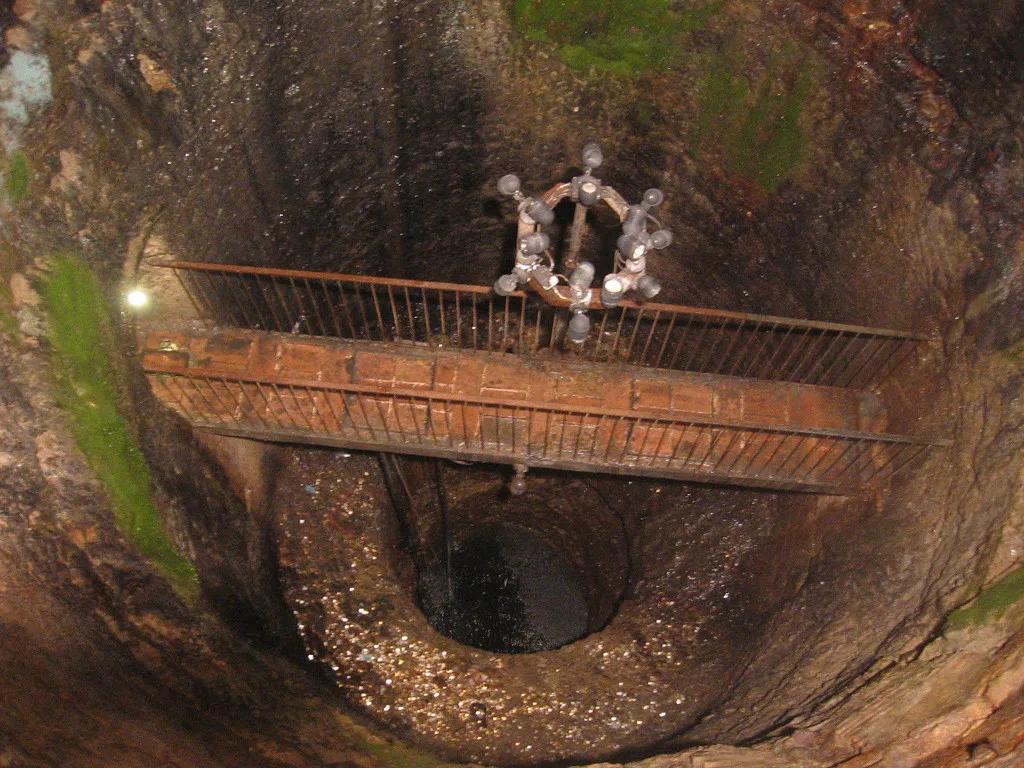
The well is an Etruscan water source sunk deep into the rock beneath the historic centre, and guides in the city treat it as a masterpiece of hydraulic engineering rather than a simple hole in the ground. That framing helps visitors understand why a water supply was such a serious civic project in a hilltop town.
Perugia's Etruscan layer is easy to overlook because so much of the centre reads as medieval and Renaissance. Walking the route from the main street to the well takes you through that older stratum, passing Piazza del Sopramuro, which was built on top of the Etruscan walls.
Where It Sits in the Historic Centre
The entrance is listed at Piazza Ignazio Danti 18, in the heart of the old town rather than on its outskirts. That address places it steps from the cathedral block and the main pedestrian spine, so it slots naturally into a walking day rather than requiring a detour.
Because the site is underground, the surrounding streets give little clue about what lies beneath. Treat the piazza as your landmark and look for the entrance rather than expecting a monumental facade.
Getting There on Foot
The simplest approach is to follow Corso Vannucci to Piazza IV Novembre, where the Fontana Maggiore stands, then continue along Via dei Priori into the historic district until you reach Piazza Ignazio Danti. The well entrance is described as being on your right at number 18.
Buses serving the centre stop near Piazza Italia or Piazza IV Novembre, after which the walk follows the same route. If you arrive by taxi, give the driver the piazza and street number rather than a general city-centre drop-off.
What You Actually See Inside
Inside, the well shaft is the main event: a deep vertical structure cut through stone, with the damp, cool atmosphere you would expect underground. A published photograph of the well in the old town shows a circular stone opening, which gives a sense of scale before you go down.
One travel listing describes the interior as carrying Etruscan inscriptions and carvings and presents guided tours as a way to get commentary on the well's place in Etruscan history. Treat that description as indicative: the shaft itself does not explain much, so reading the on-site information or joining a guided tour matters more than a quick look.
Opening Hours and Checking Ahead
Published listings show a pattern of morning opening most days, a closure on Wednesday, and longer Saturday and Sunday hours that include an afternoon session. Because these hours are drawn from a business profile rather than a confirmed operator timetable, treat them as indicative only.
Before you build your day around the well, check the current schedule with the venue or the city's tourism office, since hours can shift for holidays and special events. The operator's own site is the right first stop for confirmed visiting information.
Practical Constraints: A Small Underground Site
This is a compact subterranean attraction, so budget your time accordingly and do not expect a museum-sized circuit. Confined, damp underground spaces suit some travellers better than others, and anyone uncomfortable in enclosed places should weigh that before going down.
The venue's own guidance suggests visiting early in the morning to avoid crowds and checking hours before holidays. Those suggestions are worth taking seriously on weekends in Perugia, when the centre fills with day-trippers.
Pairing the Well With Etruscan Perugia
The well makes most sense as one stop on an Etruscan circuit. Porta Marzia, an Etruscan gate later folded into the papal fortress, and the Augustus Gate, described as the most important Etruscan artefact in Italy, both sit within the historic centre and each shows a different face of the city's ancient past.
Finish at the National Archaeological Museum of Umbria, which holds Etruscan cinerary urns, the Cippus from Perugia and a reconstruction of the Cai Cutu tomb. Seeing objects and inscriptions after standing beside the well ties the engineering story to the people who built it.
A Half-Day Walking Plan Through the Historic Centre
Start on Corso Vannucci, pause at Piazza IV Novembre to see the Fontana Maggiore, then take Via dei Priori to the well. Allow a short visit underground, then continue to Porta Marzia and the Augustus Gate before looping back toward the centre.
If you have more time, add the archaeological museum and a stop at one of the city's panoramic viewpoints. The terrace at Porta Sole is a rewarding finish, and our guide to the hidden gems in Perugia covers other low-key corners worth folding in.
Half a day is enough for this loop at an unhurried pace, though that is a planning suggestion rather than an official duration. Build in slack for the possibility that the well is closed when you arrive.
What to Defer If Time Is Short
If you only have an afternoon, prioritise the well and Piazza IV Novembre, then choose between the gates and the museum rather than attempting both. The gates are outdoors and fit a walking route, while the museum demands indoor time and rewards travellers who want depth.
Skip the underground visit entirely if confined spaces are a problem; the city's Etruscan story is still legible above ground. Our Perugia Attractions hub lists the wider set of sights so you can rebalance the day around your interests.
Making the Most of the Pozzo Etrusco
The Etruscan Well is a short, focused stop that pays off when you treat it as part of a wider Etruscan walk rather than a standalone headline sight. Pair it with the gates and the museum, and the city's older history becomes far easier to read.
Confirm the current opening pattern before you travel, allow a modest amount of time underground, and keep the rest of the day flexible. That approach keeps a small, weather-independent attraction from dictating your whole itinerary. For related planning, see Perugia Underground: Ticket Scope, Route and Free Sites.
Frequently Asked Questions
Where is the Pozzo Etrusco in Perugia?
It is in the old town at Piazza Ignazio Danti 18, a short walk from Piazza IV Novembre via Corso Vannucci and Via dei Priori. The entrance sits within the historic district rather than outside the centre, so it fits easily into a walking day.
What are the opening hours of the Etruscan Well?
Listings show a pattern of morning opening most days, a Wednesday closure and longer weekend hours including an afternoon session. These hours come from a business profile and can change, so confirm the current schedule with the operator or the local tourism office before you travel.
Why is the Etruscan Well important?
It is an Etruscan water source sunk deep below the city and is treated by local guides as a piece of hydraulic engineering rather than a simple shaft. Seeing it helps explain how a hilltop settlement organised its water supply long before the medieval city took shape.
How do you walk to the Pozzo Etrusco from Piazza IV Novembre?
From the square with the Fontana Maggiore, take Via dei Priori into the historic district and continue until you reach Piazza Ignazio Danti. The entrance is listed on the right at number 18, roughly a short stroll from the main square.
What else Etruscan can you see near the well?
Porta Marzia and the Augustus Gate are both Etruscan gates within the historic centre, and the National Archaeological Museum of Umbria holds urns, the Cippus from Perugia and a reconstructed tomb. Together they give the well context.
How long does a visit to the Etruscan Well take?
It is a small underground site, so a short visit is realistic and most travellers combine it with nearby sights rather than spending a long time below. Allow extra slack in your plan in case the site is closed when you arrive.
Is the Etruscan Well suitable for non-specialists?
Yes, though it helps to read the on-site information or join a guided tour, since the shaft alone does not explain itself. Travellers uncomfortable in confined, damp spaces should consider viewing the city's Etruscan gates and museum instead.
Sources
Continue exploring
More guides you'll find useful





