Santa Maria di Castello, Genoa: A Visitor Guide
Plan a visit to Santa Maria di Castello in Genoa's Castello district, how to time it around services, and how it fits a historic-centre walk.
On this page
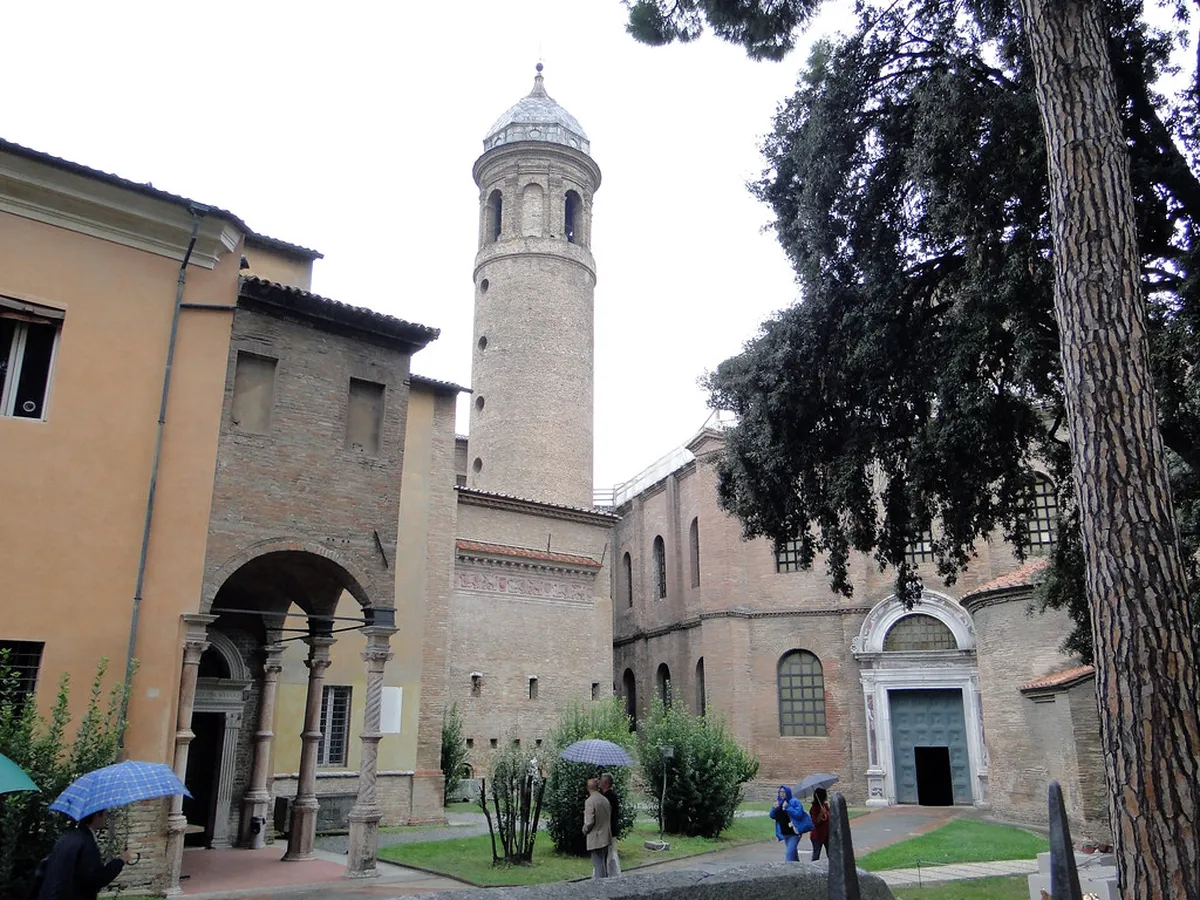
Santa Maria di Castello is a working Catholic church in Genoa rather than a ticketed museum stop, and that shapes how you should plan the visit. Visitor listings place it at Salita di Santa Maria di Castello, 15, in the old centre of the city, which makes it an easy candidate for a walk that already passes through the historic core.
The practical catch is timing. Any visitor-facing schedule you find online for a parish church is provisional, because liturgy and special events take priority over tourist access. Treat published hours as a starting point and confirm before you build a day around them.
Where Santa Maria di Castello Sits in Genoa
The church takes its name from the Castello district, the elevated slice of the historic centre above the old port area. The address given in visitor listings is Salita di Santa Maria di Castello, 15, and the approach is uphill through the caruggi rather than along a broad avenue.
Because it sits inside the dense old town rather than on a museum campus, the church works best as one stop on a route through the lanes and small squares. If you are still deciding which parts of the city deserve your time, the Genoa Attractions hub sets out the main sights alongside quieter options.
The Visitgenoa city portal describes Genoa's historic centre as a landscape of alleyways and palaces layered over centuries, which is the context you are walking through on the way up. It does not publish a dedicated visitor page for Santa Maria di Castello, so use the city site for orientation rather than for this church's schedule.
Arriving on foot is the sensible default: the surrounding streets are narrow, and the climb itself is part of the experience. Savour the change in atmosphere as the port noise drops away behind you.
A Working Church, Not a Ticketed Museum
Set your expectations around what this stop actually is. Santa Maria di Castello is listed as an active Catholic church, which means you are visiting a place of worship that happens to welcome visitors, not an exhibition with a fixed route and an entry desk.
The practical consequence is that your visit may be short and contemplative rather than shaped by displays and labels. Behave as you would in any parish church: quiet voices, modest dress, and a readiness to step aside when a service begins.
This guide deliberately avoids describing specific interior artworks, architectural style or cloister features, because the available visitor information does not substantiate them for this church. You will find far more reliable detail by looking at what is actually in front of you, or by asking at the parish, than by trusting a summary written at a distance.
The Genoa diocese website is the right place to understand how parishes in the city operate and to pick up news and calendar items that affect church access. Read it for context before you travel rather than expecting a tourist timetable for one building.
Timing Your Visit Around Services
Published opening hours for Santa Maria di Castello are attributed to a third-party listing rather than to the parish itself, and that listing warns that the times can change for services and special events. Take those hours as an indication and verify them close to your travel date.
A church day has its own rhythm: mornings typically serve Mass and parish activity, while afternoons may see the building quieter or, conversely, reserved for a wedding or a funeral. Neither pattern is guaranteed here, which is exactly why a quick confirmation beats a confident assumption.
If your trip is short, put the church early in the day and hold a second window later as a backup. Two possible slots cost you very little and rescue the visit if the doors happen to be shut on your first attempt.
Late October in Genoa brings shorter daylight and more frequent rain, so plan the uphill walk for daylight and keep a flexible indoor option in reserve. The city events calendar shows what else is running during your dates, which helps you reshuffle without losing the day.
Confirming Details Before You Travel
The parish does not publish confirmed visitor hours online, and the available research does not establish any admission price for the church or any cloister area. Rather than guess, ask the parish directly through the diocese's contact channels and treat any figure you see elsewhere as unverified until confirmed.
A short, polite enquiry in Italian or English asking whether the church is open to visitors on your dates, and whether any part of the complex requires a separate arrangement, will settle most of the uncertainty. Do this a few days ahead, not on the morning of your visit.
Note too that a visit to a parish church is not the same as a visit to a ticketed museum collection. Where an entrance fee does exist, it belongs to a specific collection with its own rules, so do not assume that one charge covers everything you see in a religious complex.
If your Genoa plans lean towards paid attractions, check each one's own page separately. Palazzo Reale, for example, directs readers to its own organisation for current prices and schedules rather than publishing them on the tourism portal.
What You Can Reasonably Assume, and What You Cannot
You can reasonably assume that the church exists, that it is Catholic and active, and that it stands on Salita di Santa Maria di Castello in the old centre. You cannot reasonably assume that it will be open at any particular hour on your chosen day.
You also cannot assume that touring the cloister is part of a standard visit, or that any interior space is open to the public at all. Such details are not established by the available evidence, so treat them as things to ask about rather than plan around.
Similarly, do not assume free entry. Some Genoa churches are free to enter and some collections charge, and the evidence here does not settle the question for this site; confirm it before you go if the answer matters to your budget.
Where facts are thin, the honest approach is to build flexibility into the plan. A stop that is confirmed on the day is worth more than a schedule printed six months earlier.
Placing the Visit in a Historic-Centre Walk
The Castello district is one segment of the old town, and the most natural way to see the church is on foot as part of a longer route. A Genoa old town walking route gives you a structure to adapt, with the church slotted in where the lanes climb towards the Castello area.
Genoa's historic core is a network of caruggi rather than a single promenade, and the districts change character quickly over short distances. A Genoa neighborhoods guide helps you understand which quarter you are crossing and what to expect from each.
If you want to broaden the day beyond churches, the hidden gems in Genoa collection covers quieter corners of the city, including the Cimitero Monumentale di Staglieno, which lies outside the centre and rewards a dedicated trip.
Free city maps and downloadable walking brochures from the tourism office are useful for stitching these pieces together. The brochures page offers a city map and several themed walks you can carry on your phone.
A Half-Day Walking Order
Start low in the historic centre, where the lanes are busiest, and work upward towards the Castello district so that the climb to Santa Maria di Castello comes naturally. This ordering saves you from descending and re-climbing the same hill twice.
Nearby, the Cathedral of San Lorenzo is the city's principal church and sits close to the main squares; it is a sensible anchor for the first part of the walk. Its published visitor hours are set out by the airline guide that covers it, and they are worth checking before you set out.
Palazzo Ducale, just off Piazza Matteotti, is another useful landmark for orienting yourself, and its timetable is published independently of the church circuit. Treat these as separate stops with separate opening arrangements rather than a single combined ticket.
A suggested shape for the half day: start near the cathedral, cross towards Palazzo Ducale, then climb into the Castello lanes for Santa Maria di Castello, and finish with a slow descent back towards the port. Allow extra time rather than rushing the final climb.
If the Church Is Closed When You Arrive
A locked door is a normal outcome at a working parish, not a wasted morning. Before you leave the area, check the notice board at the entrance for service times and any indication of when visitors are welcome; that is the most current information available on site.
Then use the neighbourhood itself as the substitute. The lanes around the Castello district are worth wandering on their own terms, and the nearby churches and squares can absorb an hour without any planning.
If you want a guaranteed indoor stop, choose a museum with published hours instead of another church. The Acquario di Genova and the museums along Via Balbi both operate on fixed schedules and can be booked ahead, which removes the uncertainty entirely.
Try the church again on a second pass later in the day if your itinerary allows. Two short attempts are usually enough to catch an open door without restructuring your trip.
Practical Planning Notes
Wear shoes suited to uneven paving and steps, since the approach to the church runs through narrow, sloping lanes. Carry water in warm months and a light rain layer outside summer, when showers pass through quickly.
Keep your visit brief and respectful if a service is under way, and dress with shoulders and knees covered as a courtesy. Photography inside a working church depends on parish practice, so look for posted guidance rather than assuming.
For the rest of your day, the city's attractions hub groups the major sights with their own guides, which makes it easier to balance church visits against ticketed museums.
Finally, if you are travelling to Genoa by air, the airport and city transfer arrangements are best confirmed with your airline or the city's transport information, not with an individual church. Keep the volatile logistics separate from the visit itself.
Plan Your Visit
Santa Maria di Castello rewards a flexible traveller: confirm the hours close to your date, arrive on foot through the old lanes, and treat the visit as time in a working church rather than a museum circuit. Slot it into a historic-centre walk and keep a fallback nearby.
Check the parish's current arrangements through the diocese before you travel, and leave the rest of the day loose enough to absorb a locked door without losing the morning.
Frequently Asked Questions
Where is Santa Maria di Castello in Genoa?
Visitor listings give the address as Salita di Santa Maria di Castello, 15, in the Castello district of Genoa's historic centre. The approach is on foot through narrow, sloping lanes, so plan to walk rather than drive to the door.
What are the opening hours for Santa Maria di Castello?
There is no confirmed official visitor timetable for the church available online. The hours shown in third-party listings are provisional and can change for services and special events, so contact the parish through the diocese shortly before your visit to confirm.
Is there an entrance fee for the church or cloister?
The available information does not establish an admission price for the church or any cloister area, so this should not be assumed either way. Ask the parish directly when you confirm opening arrangements, and check any separate collection's own page for its charges.
How long should I plan for a visit?
Allow around thirty to forty-five minutes inside, plus the walk up through the old town. That is a suggested allowance rather than an official figure, and it leaves room to sit quietly if a service is in progress.
Is the church a good stop on a historic-centre walk?
Yes, provided you treat it as one stop among several. It sits within the old town's lanes, so it pairs naturally with the cathedral, Palazzo Ducale and the surrounding caruggi rather than working as a standalone outing.
What should I do if the church is closed when I arrive?
Read the notice board at the entrance for service times, explore the Castello lanes nearby, and try again later in the day. If you need certainty, switch to a museum with published hours and bookable entry instead.
Sources
Continue exploring
More guides you'll find useful