Rocca Maggiore Assisi: Climb, Views and Tickets Guide
Plan a walk up to Rocca Maggiore in Assisi: what the medieval fortress is, how the climb works, tower access, valley views and ticket advice.
On this page
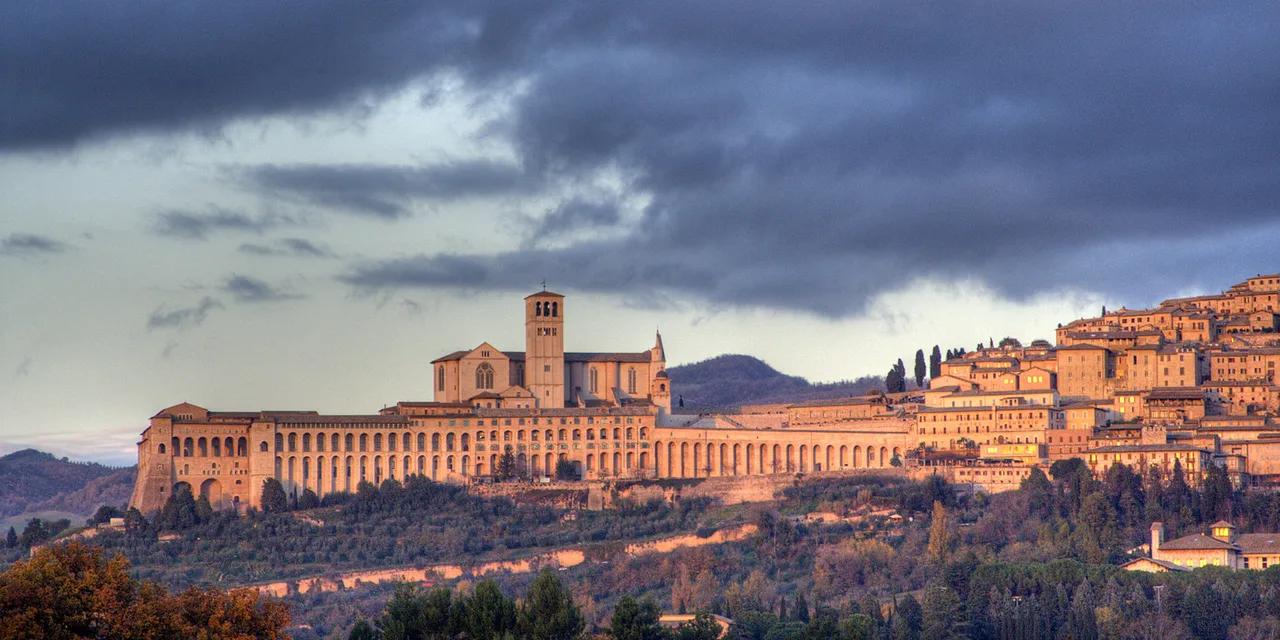
Rocca Maggiore sits far above Assisi, a medieval stronghold that trades the town's church interiors for walls, walkways and open views. The approach is steep, so the real question is not whether the fortress is impressive but whether the climb suits your legs, your timetable and the weather on the day. This guide covers what the fort is, how the walk up works, what happens inside the walls, and how to plan tickets without assuming anything the organiser has not published.
What Rocca Maggiore Actually Is
Rocca Maggiore began as a defensive bastion and later came under the Church, and today it belongs to Assisi's museum circuit rather than acting as a single standalone monument. The official tourist site lists it among the castles and fortresses that make up the town's museum network, which helps explain why visitors should treat the fortress as one stop in a wider set of ticketed sites. If you are building a day around Assisi's main sights, it is worth reading an overview of Assisi attractions before deciding how much time to give each one.
Unlike the Basilica di San Francesco, where the draw is fresco cycles and the saint's tomb, Rocca Maggiore is about enclosure and elevation: walls, passages, a tower and the landscape beyond. That difference matters when you plan a day, because the fortress asks for physical effort rather than quiet contemplation. The climb can easily become a highlight if you enjoy forts and viewpoints, but it is the wrong stop if you have limited time and want art first.
Orientation: The Fortress, the Old Town and Monte Subasio
The fortress stands on the hill above Assisi, with the old town spread below and Monte Subasio rising behind. That position explains both the view and the effort: you are walking upward through the town before you even reach the fort's approach. The official tourist site describes Assisi as a town wrapped around its Franciscan heritage, with the Mount Subasio park covering more than seven thousand hectares beyond the streets, so the fortress fits naturally into the landscape rather than sitting apart from it.
Because Rocca Maggiore is part of the museum circuit, it is often grouped with other historic buildings and collections in town, but that does not mean everything shares one entrance arrangement. Treat the fort as its own visit with its own gate and its own physical demands. If you are also seeking quieter corners of Assisi beyond the obvious stops, the hidden gems in Assisi guide can help you sequence the day without doubling back up the hill twice.
The Walk Up From the Historic Centre
There is no shortcut that removes the climb: reaching Rocca Maggiore means walking up steep streets from the historic centre. The exact time depends on your starting point and pace, and no official operator timetable sets it, so plan for a gradual ascent with pauses rather than a quick dash. Travellers who have written about the approach describe walking up steep streets to reach the fort rather than climbing in any technical sense.
Pacing is the practical decision. If you are visiting Assisi by train, the station sits in Santa Maria degli Angeli about three kilometres from the centre, and a local bus or the brick path called the Mattonata brings you into town before the fortress climb even starts. Build the uphill walk into your energy budget, wear shoes that grip, and carry water, especially in warm months.
Drivers should remember that much of the historic centre is a limited traffic zone, so you cannot simply drive to the fortress gate. Parking areas near the centre are signposted, but the final stretch to Rocca Maggiore is on foot regardless. Check local signs on arrival rather than relying on any single blog's description of parking.
Inside the Walls: Passages and the Final Tower Climb
Inside the fort, the visit is shaped by the defensive architecture: walls, a hallway and a final ladder leading up to the tower. A first-hand visitor account describes a hallway barely six feet tall with very narrow windows, followed by a ladder and a step out into sunlight at the top. That sequence is the key physical detail to weigh before you commit, because it is tight and vertical rather than a broad staircase.
The confined passage and ladder mean the tower is not suitable for everyone who can manage the walk up. If you dislike enclosed spaces or have trouble with ladders, you can still enjoy the walls and the outlook from lower levels. Decide at the fort rather than before, since only you can judge the fit.
The View Over Assisi and the Umbrian Valley
The payoff for the climb is the panorama: Assisi's rooftops below and the green Umbrian valley beyond. Visitors who have made the ascent describe stepping out at the top and needing a moment to take it in, with the landscape earning Umbria's nickname as the green heart of Italy. The view is the reason to schedule the fortress for clear weather rather than squeezing it into a cloudy gap.
Photographers should plan around light rather than a fixed hour, since the fort's official opening times are not published in the sources available here. Late afternoon often softens the town below, but confirm access on the day before building a photo plan around it.
Tickets and Scope: What to Verify Before You Go
Current pricing for Rocca Maggiore is not published in the official sources reviewed here, so treat any figure you see online as unverified. One travel blog reports a small admission charge for the fortress and a combined ticket that also covers the Roman Forum and the Pinacoteca Comunale, but that account is a visitor report, not an operator statement. Confirm the price and what the ticket includes at the entrance or through the city's tourist information before you budget.
The same blog gives opening hours for the basilica complex and the Pinacoteca, but none of those hours apply to the fortress. Do not assume the fort shares the basilica's early opening or the gallery's daily pattern. The official tourist site keeps an events and information section, and the tourist office in Piazza del Comune is the practical place to ask about current access.
Availability of online booking for the fortress is also not confirmed, and no ticket vendor is named in the sources. Plan to buy on arrival or ask the tourist office, and do not build a tight itinerary around a pre-booked slot you cannot verify.
Timing and Conditions: Crowds, Weather and Pace
Assisi draws millions of visitors, most of them focused on the basilica, so the fortress often feels less crowded than the church quarter. Still, summer afternoons bring heat and fatigue on the climb, and winter mornings can be cold and windy at the top. Choose a slot that matches your stamina, and keep the visit flexible so you can wait out rain.
The official site lists numerous religious and cultural events through the year, including Franciscan celebrations, which can swell the town's population on certain days. Check the events calendar before you lock in a date, and plan the fortress for a quieter morning if a major event is on.
Pairing the Fortress With the Rest of Assisi
A sensible day starts at the Basilica di San Francesco early, when the church is quieter and the frescoes are easier to see, then moves downhill through the Roman Forum and the Temple of Minerva before climbing to Rocca Maggiore later. This order avoids walking up to the fort twice and lets you end the day with the view rather than the crowds.
The Roman Forum sits underground beneath Piazza del Comune, entered through a small archaeological museum, and the Temple of Minerva stands on the same square, so both are easy to combine before the climb. The Pinacoteca Comunale is a short walk along Via San Francesco if you want a third art stop. If your time is short, pick two of these and give the fortress a clear hour or more of its own.
Beyond the walls, the Mount Subasio park offers trails for different levels, from family walks to more demanding routes, and pairs naturally with the fortress if you want a longer outdoor day. The official tourism site describes park routes suitable for children as well as experts, so you can choose a short loop after the fort instead of adding another town museum.
Practical Cautions: Steep Ground and Tight Spaces
Rocca Maggiore is not a flat museum: the walk up is steep, the surfaces are uneven, and the final tower passage is narrow with a ladder. There is no published accessibility information specific to the fortress, so visitors with limited mobility should ask the tourist office directly rather than assume step-free access. Sturdy shoes, water and a realistic sense of your own stamina matter more here than at almost any other stop in Assisi.
The confined hallway and ladder mean you should not carry bulky bags up the tower, and you should be ready to turn back if the passage feels uncomfortable. None of this is a reason to skip the fortress, but it is a reason to decide before you start the climb.
Plan Your Visit
Rocca Maggiore is worth building into an Assisi day if you want a physical contrast to the churches and a view that explains the town's setting. Go early or late, wear good shoes, pace the uphill walk, and check the current ticket and access details with the tourist office in Piazza del Comune before you set out. For related planning, see Best Viewpoints in Assisi: Terraces, Ramparts and Valley Vistas.
Frequently Asked Questions
Is Rocca Maggiore worth visiting in Assisi?
It is worth it if you want fortifications, a tower and a wide view over Assisi and the Umbrian valley rather than another church interior. The trade-off is a steep walk up and a tight final climb, so go only if that fits your energy and time.
How hard is the walk up to Rocca Maggiore?
It is a steep uphill walk through the old town rather than a technical climb. No exact walking time is published by the operator, so allow pauses and carry water, especially in warm weather.
Can you climb the tower at Rocca Maggiore?
Visitors describe a narrow, low hallway followed by a ladder to reach the top of the tower. If you dislike confined spaces or ladders, you can still enjoy the walls and the view from lower levels.
How much does it cost to enter Rocca Maggiore?
Current official pricing is not published in the sources reviewed here. A travel blog reports a small admission charge and a combined ticket with the Roman Forum and Pinacoteca, but that is visitor-reported and should be confirmed at the entrance or at the tourist office.
Is Rocca Maggiore accessible for visitors with limited mobility?
No specific accessibility information for the fortress is published in the sources here, and the approach is steep with a tight tower passage. Ask the tourist office in Piazza del Comune directly before planning a visit.
Sources
Continue exploring
More guides you'll find useful