
Three Days in Bolzano Itinerary: City, Castle and Mountains
Plan three days in Bolzano with a walkable old-town day, a castle and wine excursion, and a mountain or valley day, plus transport-pass decisions.
On this page
Bolzano rewards a short stay that is deliberately uneven: one day on foot through the old town, one day out among vineyards and a castle, one day higher up in a valley or on a mountain. The city's official tourism site frames it as a place where Tyrolean and Mediterranean influences meet under the Portici arcades, with cable cars lifting visitors to quieter viewpoints within minutes. That mix is exactly why three days works better than a rushed single day.
This plan is a suggested structure, not an official programme. Treat each day as a template you can stretch or shrink, and build in a buffer for the return from the mountains, where weather and transport can eat an hour without warning. If you only have two days, cut Day 3 rather than compressing the old town.
Why Three Days Suits Bolzano's Two Characters
Bolzano, or Bozen in German, sits in a valley in South Tyrol and has spent most of its history at a cultural crossroads, which shows up in bilingual signs, menus and place names. The old town is compact enough to cross on foot in an afternoon, yet the surrounding slopes offer walks, cable cars and wine country within easy reach. Three days lets you take both halves seriously instead of choosing.
The city's own tourism board describes the centre as a walkable mix of porticoes, museums and castles, with funiculars and cable cars opening up panoramic terrain in a short ride. It also lists a Bolzano Bozen Card and a Mobilcard among its information pages, which is where you should check current validity and coverage before buying anything. Do not rely on older blog posts for pass details.
If you want to go beyond the obvious stops, our guide to the hidden gems in Bolzano covers quieter corners and overlooks that fit naturally into a slow afternoon rather than a checklist day.
How to Divide the Three Days
Day 1 stays in the city: Piazza Walther, the cathedral exterior, the Via dei Portici arcades, a museum and the market around Piazza delle Erbe. Day 2 heads out for a castle and wine excursion, using a taxi, bus or car to reach a hillside estate and returning unhurried. Day 3 goes higher, either with a cable car and a ridge walk or with a longer drive into the Dolomites.
Travellers with limited mobility, young children or a tight budget often swap Day 3 for a second, calmer city day; the old town and riverside park absorb a slow morning well. Conversely, hikers with their own car might make Day 3 the longest outing and keep Day 2 short. Decide based on footwear and weather rather than on ambition.
Before fixing the order, skim the Bolzano Attractions hub to see which single sights deserve their own slot; some, like the archaeology museum, are better given a proper visit than squeezed between two squares.
Getting There and Getting Around
Bolzano's train station sits a short, flat walk from the historic centre, which makes the city easy to reach without a car; direct services run south into Italy and north toward Innsbruck and onward over the Brenner Pass. That rail connection is one reason a three-day stop fits neatly into a longer Alpine trip. For current timetables and ticket conditions, check the operator rather than assuming a schedule from memory.
Within the city you rarely need transport: the centre between Piazza Walther and Piazza delle Erbe is walkable, and arcades shelter the main shopping street in rain. A car helps mainly on the excursion days, when reaching a winery or a valley trailhead independently saves time, though parking in the historic centre is limited. Ask your accommodation about parking before you commit to driving.
The city's tourism office publishes its own guidance on arriving and moving around, which is the right place to confirm current transport options and information office hours before your trip.
Day 1 Morning: Old Town on Foot
Start at Piazza Walther, the central square ringed by cafés and the cathedral, whose patterned roof and baroque façade are worth a slow look from outside. From there, walk the Via dei Portici arcades, where covered pavements on both sides make the street usable in any weather, and continue toward Piazza delle Erbe for the daily market. Keep the morning loose; this is orientation, not a race.
A first-time visitor's account of a three-day stay describes the old town as split by the Talvera river and its park, with bridges linking the two halves, which is a useful mental map for planning a loop back to your hotel.
Churches and squares are generally free to enter as public spaces, but separate ticketed collections inside museums are not covered by any general city ticket. Assume each paid sight has its own admission and check the museum's own page for current hours before building your day around it.
Day 1 Afternoon: Museum and Market
The South Tyrol Museum of Archaeology, home to the frozen remains known as Ötzi, is the obvious anchor for an afternoon indoors. One travel account notes that the iceman has been displayed at the museum since 1998 and that his clothing and equipment are part of the permanent exhibition. Allow more time than you think; the collection rewards reading.
The museum publishes its own admission prices and opening times, and those change seasonally, so confirm them on the official site the week you travel rather than trusting a guidebook figure. Pair the visit with market browsing at Piazza delle Erbe, where stalls are best earlier in the day.
If museums are not your priority, use the afternoon for the riverside park and one of the signed promenades above town; the Oswald Promenade is covered in our hidden gems guide alongside other understated city walks.
Day 1 Evening: A First Tyrolean Dinner
Bolzano's menus happily mix Italian and Austrian cooking, so a first dinner can be dumplings in broth, a plate of sausage with sauerkraut, or pasta, depending on appetite. Travellers who have written up the city single out canederli, apple strudel, pretzels and a range of sausages as the local specialities worth trying at least once. Order one heavy dish and share the rest.
Restaurant closing days in Bolzano change, and a blog note from an earlier visit is not a reliable guide to tonight's opening hours. Check the restaurant's own listing or call ahead, especially on Sundays and Mondays when several kitchens in the centre close.
Day 2 Morning: Castle and Wine Excursion
Treat the second day as a flexible template rather than a fixed route. The pattern that works is a morning ride or drive out to a hillside castle or estate above the city, a slow look at the grounds, and a winery visit on the way back. Bolzano styles itself a wine city, and the surrounding slopes are planted with vineyards, so a tasting is a natural fit.
One traveller's account describes taking a taxi to a hillside winery overlooking the historic centre for a cellar tour and a tasting of about six red and white wines, with reservations recommended. Details like that are worth confirming directly with the estate, since visitor slots and tour languages vary.
Castles in the area differ in what a ticket includes: some courtyards and exteriors are open to wander, while interiors, towers or collections are separately ticketed. Do not assume one ticket covers a whole complex; check the specific castle's own visitor information before you go.
Day 2 Afternoon: Wine Logistics and a Slow Return
Book tastings ahead where the estate asks for it, and ask whether transport is included or whether you need a taxi back; rural wineries often sit above the valley with limited evening connections. If you are driving, agree on a designated driver before the first glass. A long lunch followed by a single tasting is a more enjoyable rhythm than stacking three appointments.
Keep the return loose. A common mistake is scheduling a tight dinner reservation after a winery visit and then rushing the last stretch back into the centre. Leave the evening free, walk the arcades after dark, and let the day end slowly.
Day 3 Option A: Cable Car and Ridge Walk
For a low-effort mountain day, ride a cable car up to a village or viewpoint above the valley and walk between panoramas rather than climbing from town. A visitor account mentions taking a cable car from near the train station up to Soprabolzano before picking up trails, but departures and station details should be confirmed with the operator before you rely on them.
Pack a warm layer even in summer: the temperature drops with altitude, and ridge paths are exposed when cloud rolls in. Sturdy shoes matter more than technical gear on these walks, and a printed or downloaded map saves trouble where signage is sparse.
Day 3 Option B: A Longer Dolomites Drive
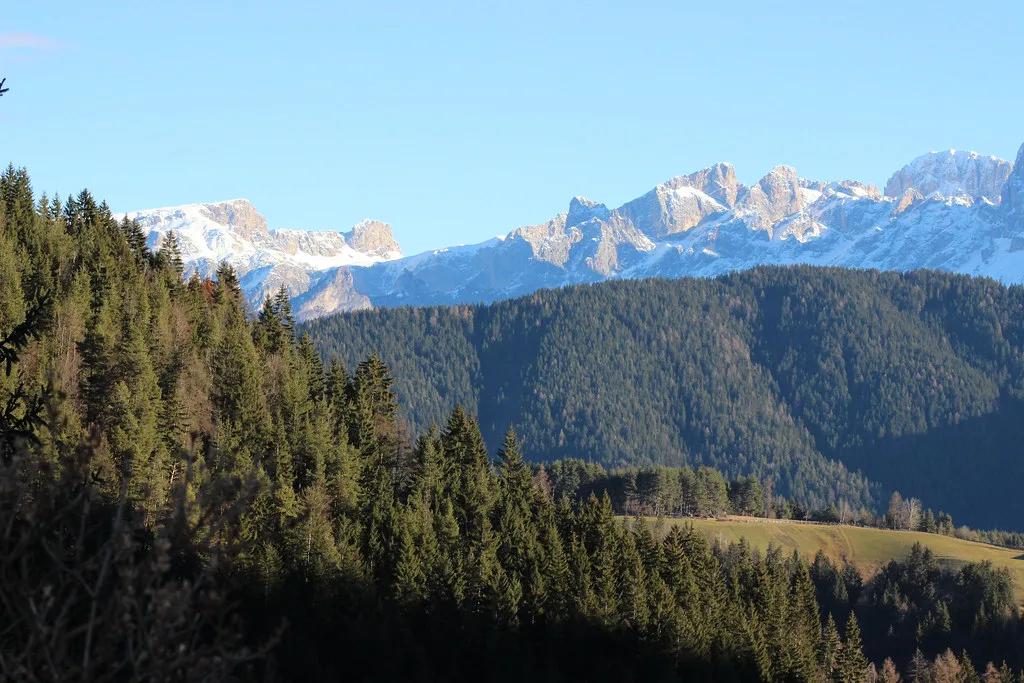
The alternative is a full day driving into the Dolomites, with passes, cable cars and mountain huts. One writer notes that the Dolomites are realistically about a 45-minute drive from Bolzano and describes a private tour that stopped at Ortisei, Passo Gardena and Lago Carezza before returning in the late afternoon. Independent drivers can copy the shape of that loop but should check seasonal road and lift openings.
Do not repeat old cable-car fares as current: mountain lift prices change by season, and a figure quoted in an older blog is not a reliable budget line. Check each lift's own site for today's round-trip cost and last descent.
Weather is the deciding factor. Late spring can leave trails wet from melting snow, which makes a valley walk or museum afternoon a better bet than a high route. Ask locally about conditions before committing either way. Further visitor details appear in Bolzano Travel Guide: Your 3-Day Itinerary - Mamma Mia Indeed.
Where to Stay in Bolzano
Staying in the historic centre puts the arcades, squares and restaurants within a few minutes' walk and suits a three-day plan built around evenings on foot. The trade-off is noise and limited car access, which matters if you are driving to trailheads each morning. Accommodation near the train station is quieter on arrival days and simplifies an early departure.
The city's tourism board lists hotels, guesthouses, apartments, farm stays, campsites and a hostel, so there is a type for most budgets; compare locations rather than star ratings first.
Transport Passes and Tickets Without Guessing
Bolzano's tourism site lists both a Bolzano Bozen Card and a Mobilcard, but the value of either depends on current validity, what transport and museums they actually include, and how much you will move in three days. Do the arithmetic only with figures from the official pages, and skip a pass if your plan is mostly walking plus one excursion.
For single journeys, buy tickets at machines, counters or official apps rather than from touts, and validate paper tickets where the system requires it. If you are unsure whether a regional pass covers a valley bus or a cable car, ask at the information office before purchase.
What to Eat and How to Pace It
Expect dumplings, sausage, sauerkraut, apple strudel and pretzels next to pasta and pizza, often on the same menu. One traveller's summary of local food names canederli, strudel, sausages and pretzels as the staples to try, and suggests ordering a mix rather than committing to one cuisine.
Because portions are generous, plan one substantial meal a day and keep the other light, perhaps a market snack or a bakery stop. Save a sit-down dinner for the evening after the castle day, when you will want to linger.
Rainy Days and Low Season
When rain settles in, swap the mountain day for museums, arcade shopping and a long lunch, and move the excursion to whichever day looks drier; the order of this itinerary is not sacred. The covered porticoes make the old town unusually usable in bad weather, which is a real advantage over open-air mountain villages.
In winter, the city's Christmas market is one of the draws, but dates and programme change each year, so check the tourism board's events pages rather than trusting an old schedule. In late spring, expect wet trails and plan lower routes or city time accordingly.
A Three-Day Pace Worth Keeping
Three days gives Bolzano room to show both faces: the arcaded, bilingual city and the vineyard slopes and mountain paths above it. Keep one day firmly on foot, one loosely aimed at a castle and a tasting, and one flexible for whatever the weather allows. That structure leaves space for the slow evenings the city rewards.
Before you go, confirm the practical details that change: museum hours, winery bookings, cable-car operations and pass coverage, all from official sources. Then let the itinerary bend around the day rather than the other way around. For related planning, see Day Trips from Bolzano: Half-Day and Full-Day Ideas.
Frequently Asked Questions
How many days should I spend in Bolzano?
Three days suits most travellers: one for the old town on foot, one for a castle and wine excursion, and one for a cable car, ridge walk or a longer drive into the Dolomites. With two days, keep the city day and pick one excursion. With one day, stay in the centre and add a short cable-car ride if time allows.
Is three days in Bolzano too many?
Not if you use the time for the surrounding landscape as well as the centre. The old town itself can be covered in a day, so the extra days are best spent on a winery visit, a valley walk or a mountain drive. Travellers who want only museums and squares could compress to two days without regret.
What should I not miss in Bolzano?
The arcaded Via dei Portici and Piazza Walther anchor any first visit, and the South Tyrol Museum of Archaeology with Ötzi is the standout ticketed collection. Outside the centre, a hillside winery and a cable car to a viewpoint give the city its context. Check current opening hours directly with each site, since schedules vary by season.
Do I need a car for a three-day Bolzano itinerary?
No, the city day and many mountain days work by train, bus or cable car, and the station is a short walk from the centre. A car helps if you want to reach a rural winery or a specific trailhead on your own schedule, but parking in the historic centre is limited. Ask your hotel about parking before deciding.
What can I do in Bolzano in one day instead of three?
Spend the morning around Piazza Walther, the cathedral exterior and the Via dei Portici arcades, then choose one ticketed museum for the afternoon and finish with a Tyrolean dinner. If the weather is clear, replace the museum with a short cable-car ride and a walk at altitude, but confirm lift operating times first.
When is the best time to visit Bolzano for hiking?
Summer and early autumn generally give the most reliable conditions for high trails, while late spring can leave paths wet from melting snow. Winter shifts the focus to the Christmas market and lower walks. Check trail and lift conditions locally before committing to a mountain day in any season.
Sources
Continue exploring
More guides you'll find useful





