Trieste Coffee and Cafés: A Slow Sipping Guide
Learn Trieste's coffee vocabulary, from nero to capo in b, and explore historic cafés, Illy and Hausbrandt heritage, with practical tips for slow travel.
On this page
In Trieste, coffee is more than a caffeine fix; it is a daily ritual with its own language. A simple espresso becomes a nero, and a macchiato in a glass is a capo in b. Learning these terms is your first step into the city's café culture. The city tourism portal even highlights Trieste as a city of coffee, with dedicated sections on historic cafés and coffee traditions worth exploring before you set out.
This guide is for slow travellers who want to understand what they are ordering, where to sit, and how to fit coffee stops into a day of wandering. We cover the essential glossary, bar-counter etiquette, historic cafés like Caffè San Marco, and the local brands that built Trieste's coffee reputation. For a broader look at the city's hidden corners, see the hidden gems in Trieste.
The Trieste Coffee Glossary: What to Order
Start with the basics. InTrieste explains that an espresso in Trieste is called a nero, usually served in a cup and drunk quickly. A cappuccino becomes a caffellatte, and a macchiato in a cup is simply un capo. The local star is the capo in b: coffee with a touch of milk served in a small glass, where the b stands for bicchiere, or glass. If you want decaf in that format, ask for un deca in b. These terms are local usage, not a national standard, so use them while you are in Trieste.
The vocabulary gets more precise. To add just a drop of milk foam to your nero, say una goccia. If you want a macchiato with a bit more coffee, order a capo scuro; for less coffee and more milk, a capo chiaro. Knowing these distinctions helps you get exactly what you want and shows respect for the local way of drinking coffee.
Bar-Counter Etiquette: Standing, Timing, and Payment
In Trieste, coffee is often drunk standing at the bar. InTrieste notes that a nero is meant to be consumed quickly, before the foam fades, which is why you see people drink and go. This rhythm keeps busy cafés moving. If you prefer to linger, choose a table, but be aware that table service may cost more. Always check the price list displayed at the counter before ordering.
Timing matters, too. Caffellatte is considered a morning drink; ordering it after lunch or with pasta is frowned upon, though you will likely still be served. Following this cultural norm helps you blend in. As for payment, customs vary by venue, so ask if table service carries a surcharge or if there is a cover charge. A quick question avoids surprises.
Historic Cafés: Caffè San Marco, degli Specchi, and Tommaseo
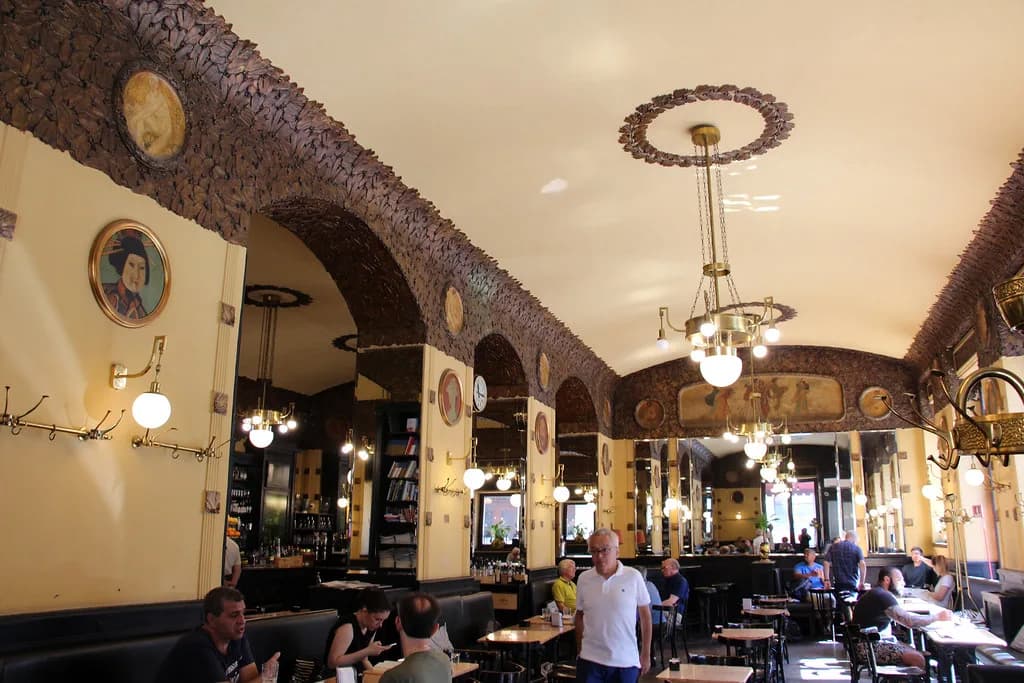
Trieste's historic cafés are cultural landmarks as much as places to drink. Caffè San Marco, Caffè degli Specchi, and Caffè Tommaseo are the names most associated with the city's coffee heritage. They sit in the story of a city where cafés served as reading rooms, meeting places, and stages for debate. Approach them as you would a museum: with curiosity and patience. Expect crowds, especially in peak season. For a route that includes Caffè San Marco, see the Trieste 1 day itinerary.
The InTrieste article on coffee ordering is based on a conversation at Antico Café San Marco, where a bartender explained the local terms. That gives context to the vocabulary, but it does not provide current opening hours or prices. Before you plan a visit, check each café's official channels or ask at the city's Info Point. Historic cafés can be busy with tour groups, so consider visiting early morning or late afternoon for a calmer experience.
Local Coffee Brands: Illy and Hausbrandt
Trieste's coffee identity is also tied to its brands. InTrieste notes that Illy and Hausbrandt were both founded in the city, while the city tourism portal devotes dedicated sections to Trieste as a city of coffee. That heritage helps explain the seriousness of the local bar culture. For visitors, noticing which roaster a café serves can tell you something about its character. You will see these brands in cafés and shops, and they make a lightweight souvenir to take home.
If you want to dive deeper into the city's food culture, the guide to local food what to eat covers Trieste's wider mitteleuropean table, from plum gnocchi to capo in b.
Coffee Beyond the Cup: Events and Learning
The city tourism portal treats coffee as a theme with its own itinerary, gathering pages on historic cafés, the university of coffee, the local coffee association, and coffee schools. If you are curious about more than a single cup, start there. It lists coffee-related events, such as Triestespresso Expo, though dates change, so check the event calendar for your travel dates. For tastings or courses, ask at the Info Point upon arrival; availability varies.
Where Coffee Fits in a Slow Day in Trieste
Use coffee as punctuation for a slow day. Begin with a morning caffellatte, then walk the city centre while it is quiet. Save a nero or a capo in b for a mid-afternoon pause. This rhythm matches local habits. If you have more time, a three-day itinerary gives you room to explore cafés without rushing and still see the waterfront and the Carso plateau. The Carso is known for osmize, farm-based food and wine stops listed by the tourism portal, though you should check transport options before heading out.
Planning with the City's Official Resources
The official tourism portal is the best starting point for practical information: transport, maps, brochures, and Info Point details. The city's official website carries municipal notices and civic information. Neither source publishes current prices or opening hours for individual cafés, so verify those directly with the venue or through official channels before you go. Use these resources to plan, but leave room for spontaneity.
Sip and Stroll: Your Trieste Coffee Plan
Trieste rewards those who order with confidence and drink with curiosity. Learn a few local words, respect the morning rule for caffellatte, and treat historic cafés as places to linger thoughtfully. The vocabulary you pick up will stay with you.
Before you go, confirm hours and prices directly with the cafés or through the city's official tourism resources, as details can change. Then let the city's coffee rhythm guide you from one bar to the next.
Frequently Asked Questions
What does capo in b mean in Trieste?
A capo in b is a coffee with a little milk served in a small glass. The 'b' stands for bicchiere, meaning glass. It is a local specialty; ask for 'un capo in b' at the bar.
Is caffellatte the same as a cappuccino in Trieste?
In Trieste, caffellatte is the local term for a cappuccino. It is typically a morning drink; ordering it after lunch may mark you as a visitor, though you will usually still be served.
What is un nero?
Un nero is the Trieste term for an espresso. It is served in a cup and meant to be drunk quickly, often standing at the bar. It is the simplest order to start with.
Do these coffee terms work elsewhere in Italy?
No, these terms are specific to Trieste and its surroundings. Outside the city, standard Italian coffee terms apply, and asking for a nero may confuse the barista. Use the local vocabulary while in Trieste.
Which historic cafés should I visit in Trieste?
Caffè San Marco, Caffè degli Specchi, and Caffè Tommaseo are the most famous historic cafés. They are cultural landmarks as well as places to drink. Check current opening hours and any table charges directly before visiting.
Sources
Continue exploring
More guides you'll find useful