
Best Time to Visit Trento: A Season-by-Season Guide
Decide when to visit Trento with a season-by-season look at weather, rainfall, summer crowds, quiet shoulder months and how the Christmas markets change the centre.
On this page
Trento is a compact Alpine city in the Adige valley, where the daily weather is decided as much by the surrounding peaks as by the season on the calendar. That matters when you choose a travel month: the same date can mean a sunny lunch on Piazza Duomo and a freezing evening, or a mild valley morning and snow on the mountains a short drive away. This guide walks through each season so you can match the month to the kind of trip you want.
The honest quick answer is that there is no single best month, only a best month for your plans. If you want long hiking days, aim for summer or early autumn; if you want the frescoed streets without peak-season pressure, spring and autumn are the flexible choice; if you want market atmosphere, December delivers it with cold and crowds. For a wider view of what to see once you have decided, browse the Trento Attractions hub before booking.
One useful frame is the difference between the valley floor and the mountains. Trento sits low enough that city snow is occasional, while the higher ground around it collects far more. Packing and expectations should follow that split: a city break needs layers and a rain jacket, while a mountain day needs proper boots and a check on conditions before you set out.
Quick Answer: Which Months Suit Which Traveller
For a first city break built around museums, churches, squares and food, spring and autumn give you the most comfortable balance of mild temperatures, manageable crowds and indoor options when it rains. Late spring and early autumn are especially appealing if you want to walk the historic centre without the heat of midsummer. The city rewards slow wandering, so a season that lets you linger outdoors is worth prioritising.
For hiking and outdoor days, midsummer and September are the strongest windows, with September often the sweet spot because trails are dry and the summer crowds have thinned. Summer is warmer but busier, and afternoon thunderstorms are a real feature of the season, so build flexibility into any long walk. Winter is for market atmosphere and indoor culture rather than long valley hikes.
Trento also works as a base rather than a single stop. The local tourism board groups multi-day walking and cycling itineraries by type, area and duration, which is useful when a season limits which routes make sense. If you want to build in surrounding valleys, the hidden gems in Trento guide and the day-trip ideas below can help you decide how far to range.
How Trento's Alpine Valley Setting Shapes the Weather
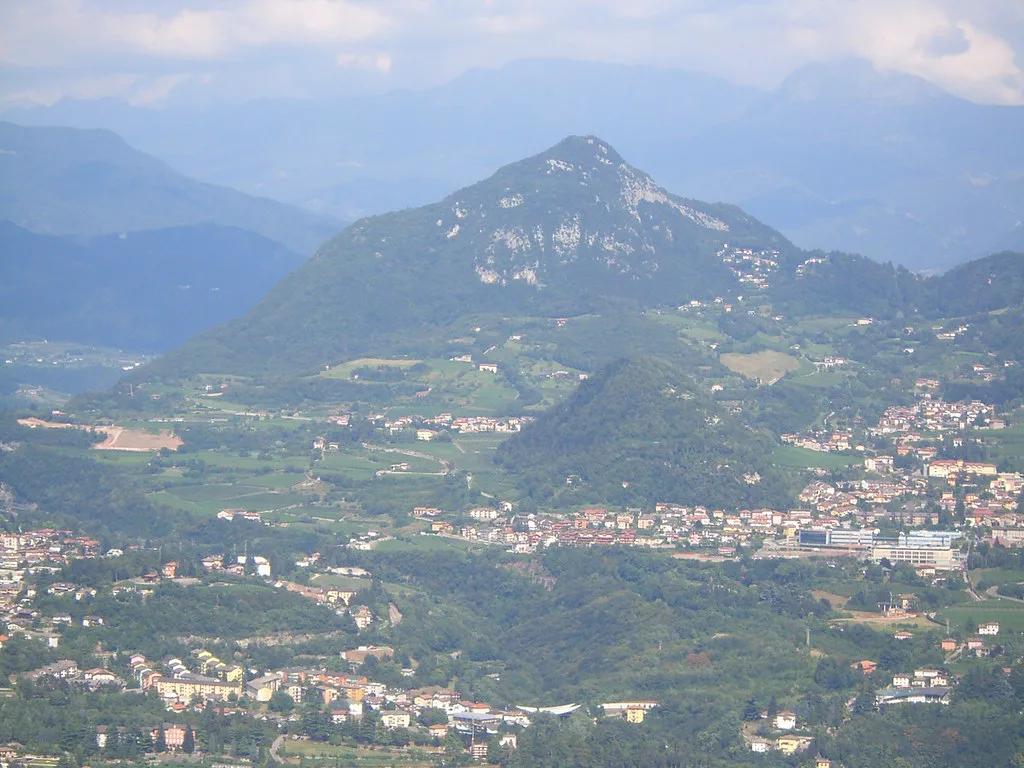
Trento has a humid continental climate with strong Alpine influences, sitting at roughly 194 metres in the Adige valley and ringed by mountains. That combination produces cold winters, warm summers and meaningful rainfall across the year. Because the city is low but enclosed, the valley can trap cloud and fog while the peaks above stay clear, or the reverse.
The published climate summary gives a useful sense of scale: annual precipitation is around 1,000 mm, with November the wettest month at about 120 mm and January the driest at roughly 30 mm. Snow falls on the city centre for only a handful of days each winter, while the surrounding mountains see heavy snow from December through March. Those figures come from a general climate guide and are best treated as typical patterns rather than a forecast for your dates.
Sunshine also swings widely: the same summary puts the annual total near 1,900 hours, with July the sunniest month at around nine hours a day and December the gloomiest at about three. This is why two visits in different seasons can feel like different cities. It also explains why winter travellers should plan indoor anchors such as museums alongside any outdoor time.
Spring (March to May): Warming Days and Showers to Plan Around
Spring arrives gradually. March highs average around 11°C with lows near 3°C and rainfall climbing to roughly 60 mm over seven to eight days, so a jacket and an indoor backup plan are sensible. By April highs reach about 16°C with lows near 7°C and around 80 mm of rain across ten days, often as afternoon showers. May is milder still, with highs near 21°C and lows around 11°C. These are typical figures from a general climate guide, not a forecast.
One of spring's rewards is the landscape: blossoms appear in the surrounding valleys and outdoor cafes begin to fill the squares. The trade-off is unpredictability, so pair outdoor plans with a ticketed interior that can absorb a wet afternoon. The Spazio Archeologico Sotterraneo SASS, in Piazza Cesare Battisti, uncovers more than 1,700 square metres of Roman Tridentum, including fortification walls, a paved road and house remains, making it a good rainy-day stop.
Spring is also a good time to consider a multi-day itinerary if you want to combine the city with valley walks, though high routes may still hold snow early in the season. Check conditions locally before committing to anything above the tree line. For shorter visits, a flexible city plan works better than a rigid schedule.
Summer (June to August): The Hottest and Busiest Window
Summer is warm rather than scorching by Italian standards. The climate summary gives July highs around 27°C with lows near 16°C, and August highs around 26°C with lows near 16°C. Mountain air keeps evenings cooler, and humidity stays moderate, but this is also peak tourism season, when accommodation fills fastest. Booking well ahead matters more here than in any other season.
Rain in summer often arrives as afternoon thunderstorms that clear quickly, so an early start is the practical tactic for long walks. June is the wettest summer month in the climate figures, at around 100 mm over eleven days, while August sees about 105 mm. Build a siesta or museum slot into the middle of the day and you will enjoy the season more.
Summer is when hiking and lake days make the most sense, from the Valsugana lakes to the trails around the Dolomites. The local tourism board's itineraries include a seven-day summer route and shorter options, which can help you structure a trip without overcommitting. If you prefer cooler conditions, consider late June or early September instead.
Autumn (September and October): Dry Trails and a Quieter Rhythm
September is often the most rewarding month for walking, with highs around 21°C, lows near 12°C and reduced rainfall of roughly 80 mm. Trails are dry, temperatures are comfortable and summer crowds have thinned, while the grape harvest begins in the surrounding vineyards. October cools to highs near 15°C with lows around 7°C and more rain, and morning valley fog becomes common.
Autumn foliage peaks in mid-October in the mountains, which makes this a strong month for photography and shorter walks, provided you carry layers and a rain jacket. The shift to quieter conditions also makes it easier to enjoy the historic centre at an unhurried pace, including the frescoed facades and squares. One Trento visitor describes the city as the painted city because of these painted facades, a good reason to look up as you wander from Piazza Duomo along Via Belenzani.
If you are deciding between a city break and a mountain trip, early autumn lets you do both without the summer heat. Keep an eye on daylight, which shortens noticeably through the season, and plan longer outings for the morning. The Trento viewpoints guide can help you choose short climbs that fit the shorter days.
Late Autumn (November): The Wettest Month and Indoor Days
November is the wettest month in the climate figures, at about 120 mm over roughly nine days, with highs near 9°C, lows around 2°C and frequent fog. Sunshine drops to three to four hours a day. This is a season for accepting the trade-off: fewer crowds in exchange for grey skies and a heavier reliance on indoor plans.
Museums and covered archaeology come into their own. The Museum Pass bundles free access to major museums and castles with public transport in Trento, Rovereto, the Adige valley and Vallagarina, which is practical when the weather is changeable. Check the current inclusions and conditions before you buy, since passes are updated periodically.
Late November is also when the Christmas markets begin to open in the city, transforming Piazza Duomo and Piazza Fiera with wooden stalls. Dates vary from year to year, so check the official organiser's listings rather than relying on last season's calendar. If you dislike cold and damp, treat November as a short-break month rather than a hiking month.
Winter and the Christmas Market Period (December to Early January)
Winter in Trento is cold but usually manageable in the city: December highs average around 4°C with lows near -2°C and only a few snow days expected in the centre. The mountains are a different story, with heavy snow from December through March. That split is why a winter trip can combine a snow-free city stroll with a mountain excursion, provided you check conditions and dress accordingly.
The Christmas market period is the main event of the season, and it changes how the historic centre feels. Piazza Duomo and Piazza Fiera fill with wooden stalls selling gifts, local cheeses and warm drinks, and accommodation demand peaks during the market weeks and around New Year. The atmosphere is the draw, but expect the squares to be busy, especially at weekends and in the evenings.
For the cultural side of winter, the Castello del Buonconsiglio is the city's most important secular monument and a rewarding indoor stop. It served as the residence of the prince-bishops, and its Torre Aquila holds the celebrated Cycle of the Months frescoes, painted around 1400. Access to the tower is typically timed and capacity-limited, so reserve ahead if that is a priority.
Opening hours at the castle vary by season and it is generally closed on Mondays, so confirm before you travel. A published venue guide suggests allowing two to three hours for the main collections and the tower. In winter, that makes a sensible anchor for a short daylight day.
Shoulder Months Compared: Spring Versus Autumn
Spring and autumn both reward flexible planners, but they feel different. Spring brings blossoms and gradually warming days, with rain spread through the season; autumn brings drier trails in September and colourful foliage in October, followed by fog and heavier rain in November. If hiking is your priority, early autumn is the safer bet. If you want softer light and fewer people in the city, either works.
Both seasons are good for splitting time between the valley floor and the mountains, because conditions are rarely extreme at either level. The trade-off is that you should keep an indoor alternative ready, and check mountain weather before setting out. That flexibility is exactly what makes shoulder-season travel worthwhile.
Snow and Skiing Context: City and Mountains Are Different
It is easy to assume that a winter trip to Trento means skiing, but the city itself sees only occasional snow. The reliable snow is higher up, and the ski season typically runs through the winter months, though opening dates depend on conditions. Do not plan a ski trip around a fixed city forecast; check the individual resort's published season instead.
The local tourism board describes a winter itinerary that begins and ends in Trento and covers a large connected ski area, which gives a sense of how the city functions as a gateway. Treat such routes as suggestions and confirm lift openings and snow conditions before committing.
What to Pack for Each Season
Layering is the single most useful principle in Trento, because valley temperatures can shift through the day. In spring and autumn, bring a waterproof jacket, comfortable walking shoes and a warm mid-layer for cool mornings. In summer, light clothing plus a light rain shell for afternoon storms works well, along with sun protection for higher ground.
In winter, pack thermal layers, a heavy coat, gloves and waterproof boots for cold streets, and add a hat and scarf for evenings in the market squares. If you plan to go up to the mountains, add proper hiking boots and check the forecast. A small daypack is useful for both city and trail days.
Because the valley floor and the peaks can differ sharply, check conditions on the day rather than packing for an average. That habit will serve you in every season, from a foggy November morning to a clear July afternoon.
Practical Planning: Guest Cards and Booking Lead Times
One card comes up repeatedly in Trento planning: the Trentino Guest Card, which one visitor account says is included with participating accommodation stays of at least two days and covers regional public transport as well as free or discounted entry to many attractions. Confirm current inclusions and eligibility before relying on it, since schemes change.
For booking lead times, summer and the Christmas market period are the two moments when accommodation fills fastest. If you are travelling then, reserve early and treat ticketed attractions such as the Torre Aquila as separate bookings. Outside those windows, a few weeks' notice is usually enough, but check individual sites for timed entry.
Finally, keep the geography clear in your head: Trento is the city and Trentino is the wider province. Many itineraries and cards cover both, but travel times and transport vary by valley. A little planning around that distinction will make your trip smoother.
Plan Your Visit
Choosing when to visit Trento comes down to matching the season to your priorities. Summer and early autumn suit hiking and outdoor days, spring and autumn give you a calmer city with changeable weather, and December delivers the market atmosphere at the cost of cold and crowds. Whichever you choose, plan for the valley-to-mountain split and keep one indoor option ready.
If you want to add surrounding valleys to a city break, the Day Trips from Trento guide and the views from the Trento Viewpoints Guide can help you shape a realistic day. Use official sources for market dates, opening hours and transport, and treat published weather figures as patterns rather than guarantees for your specific dates. For related planning, see Trento Local Food Guide: What to Eat and Where to Try It.
Frequently Asked Questions
What is the wettest month in Trento?
Based on a general climate guide, November is the wettest month, with roughly 120 mm of rain over about nine days. Rainfall is spread across the year, so any season can bring showers. Check a short-range forecast before travelling and keep a flexible indoor option.
When is the best time for hiking near Trento?
Early autumn, particularly September, is often the most comfortable for hiking, with dry trails and moderate temperatures. Summer is also good but busier and prone to afternoon thunderstorms, and high routes can hold snow in spring and winter. Always check local conditions before setting out.
Are the Christmas markets in Trento crowded?
The markets fill Piazza Duomo and Piazza Fiera and attract significant visitors, especially at weekends and during the holiday period. Expect busy squares and strong demand for accommodation during market weeks. Check the official organiser's listings for the current year's dates.
Is Trento worth visiting in winter?
Yes, if your priorities are the Christmas markets, museums and the historic centre rather than long valley hikes. City snow is occasional, but the mountains see much more, so pack for cold and check conditions if you plan to go higher. Book museum visits such as the castle's tower in advance where timed entry applies.
Sources
- Trentino travel itineraries: divided by type and duration
- A Weekend in Trento, Italy | Wandering Helene
- Things To Do in Trento, Italy’s Perfect Sized City Break
- Museo Castello del Buonconsiglio - Events in Italy by Dolcevia - Dolcevia®
- Trento Weather by Month: Temperatures, Rainfall & Climate Guide - The Weather Guide
- Spazio Archeologico Sotterraneo SASS - Sightseeing - Museums
- Free-access to the main museums with Museum Pass
Continue exploring
More guides you'll find useful





