Ravenna Evening Guide: Aperitivo, Dinner and Slow Nights
A practical Ravenna evening guide: Romagna dishes, aperitivo pacing, the centre versus the Darsena district, and how to handle hours you must confirm locally.
On this page
One sourced detail shapes the whole evening: Ravenna's historic centre is compact enough to cross on foot, and in the Darsena, behind the railway station, the regional tourism board describes pubs, open spaces and street art that make the area a meeting point for friends, families and younger crowds. That single contrast between a walkable centre and a livelier district behind the station is enough to plan around.
What this guide does not do is name bars or promise opening hours. The sources behind it describe the city's food tradition and a few seasonal customs, but none publishes venue-level aperitivo, menu or late-closing facts. So the practical advice below is about choices and pacing, with the final check left to the street or a phone call.
Why Ravenna Suits a Slow Evening
Ravenna was capital three times over, in the late Western Roman Empire, under the Goths and then under Byzantine rule, and the Emilia-Romagna tourism board notes that eight monuments from that period are on the UNESCO World Heritage list. A heritage city of that density usually means a busy centre, but Ravenna's is unusually easy to move through on foot. Related guide: What to Eat in Ravenna: Local Romagna Food Guide.
Emilia-Romagna Tourism sums up the centre as teeming with places to eat and drink, from the historic Ca' de Vèn to the modern Mercato Coperto, and that is the right scale for an evening: a short walk between stops rather than a series of taxi rides. The practical consequence is that you can decide where to eat on the spot, keep your pace unhurried, and use leftover time to walk past buildings you plan to visit properly the next morning.
If you want a quieter night before an early start at the mosaics, the hidden gems in Ravenna guide makes a good companion, since a slow evening works best when paired with a specific plan for the next day. Ravenna's appeal after dark comes from this pairing of small distances and dense history rather than from any single known venue.
Aperitivo: How to Pace It
Aperitivo sits in the early evening, before dinner, and its job is to open the appetite. A drink with a small snack is the normal shape. Where a bar lays out a larger spread, treat that as a bonus and adjust dinner accordingly: a generous spread can easily replace a first course, and stacking both can make a long Romagna menu feel like a chore.
Timing is personal. An early start suits families and anyone with a morning train, while a later start suits an evening that ends in the Darsena. Whichever you choose, keep the aperitivo stop fairly short if dinner is still the point of the night, and note that in Italy the kitchen often closes before the bar does, so ask about food hours rather than only about drinks.
The sources behind this guide do not specify any bar's aperitivo customs, so read the room and the board when you arrive. If a place looks set up mainly for drinks, it probably is; if tables are being laid with food, the evening's rhythm will be different.
What to Order at Dinner: The Romagna Basics
Ravenna's cooking comes from Romagna's peasant tradition. The Emilia-Romagna tourism board names piadina, cappelletti al ragù, passatelli in broth and caramelised figs with squacquerone among the dishes that define eating in the city, and Sangiovese Superiore as the wine to drink with them. Those are ingredients and traditions, not a verdict on any single restaurant.
A workable dinner for a slow evening is simple: one pasta, cooked with care, plus a shared plate and a glass of the local red. Piadina is the lighter option if you have eaten well at midday or want to save room for a walk. Cappelletti al ragù and passatelli suit a seated, unhurried meal better than a quick stop.
Menus shift with the season and with how strictly a kitchen follows tradition, so read each dish on the board rather than assuming a standard version, then decide whether you want a long dinner or a short plate before moving on. If a place is full, Ravenna's compact centre makes an alternative easy to find on foot, so the evening need not stand or fall on one address.
Centre or Darsena: Choosing Your Evening Base
In the historic centre, you get proximity to Piazza del Popolo and the monuments, with a dense cluster of places to eat and drink close by. The advantage is convenience and atmosphere, and the trade-off is that the most central tables gather the most visitors, so walking a few minutes beyond the main piazza often buys a calmer room.
The Darsena, just behind the railway station, is different in character: the regional tourism board describes pubs, open spaces decorated with street art murals, and a crowd of friends, families and sports fans, so it reads as a place to meet rather than a heritage set piece. That makes it the natural choice for a beer and conversation, or for an arrival night when a long walk into the centre is unwelcome.
Picking one base for the evening saves walking. Zig-zagging between the two on the same night wastes time that is better spent sitting down, so choose which mood you want and stay with it.
A Suggested Evening Walk Through the Centre
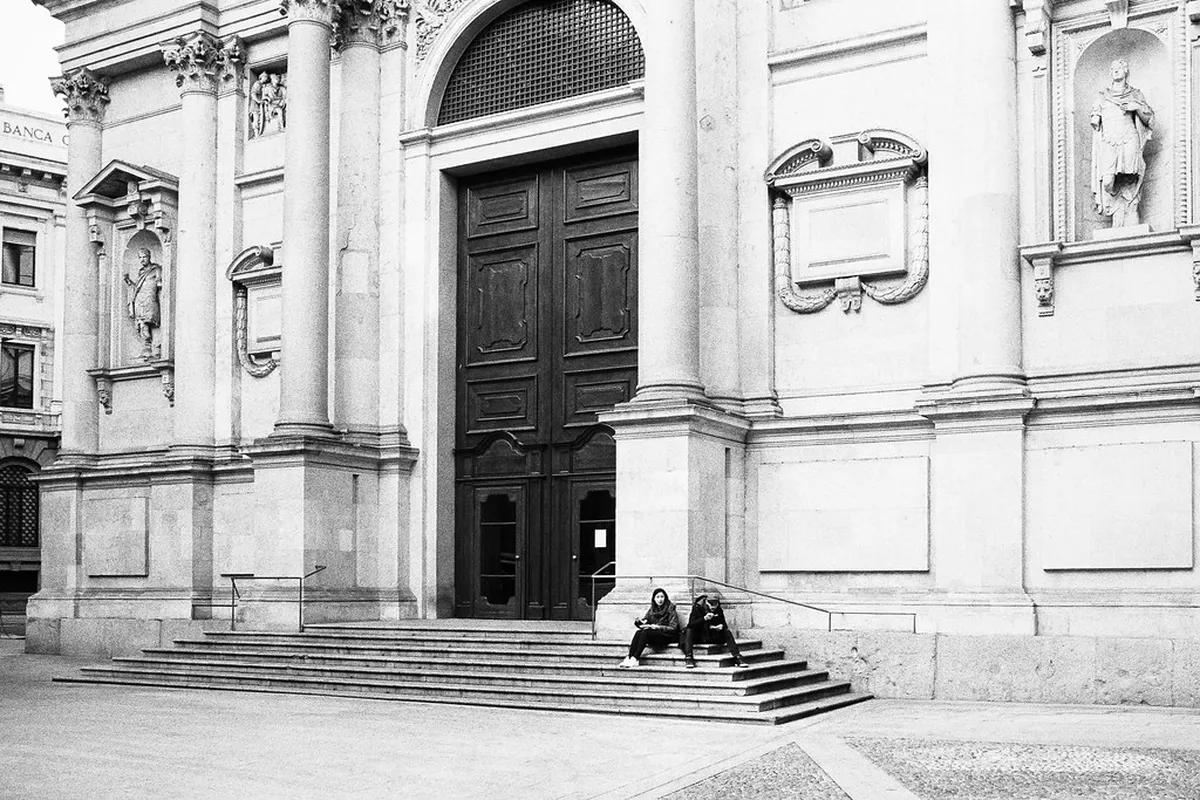
Begin at Piazza del Popolo, Ravenna's central square, and let dinner radiate from there. Walking toward the Basilica of San Francesco and Dante's Tomb leads into the area the tourism board calls the Zone of Silence, which includes the tomb, the Quadrarco of Braccioforte and the basilica, a cluster of sites linked to the poet and the most atmospheric corner for a slow finish to the night.
From there, the exteriors of the Basilica of Sant'Apollinare Nuovo and the Basilica of San Vitale are close enough to pass on foot. Their interiors follow their own visiting hours and should never be assumed open late, so treat the night walk as a way of reading the city's shape before returning for the mosaics in daylight.
If you want to plan those daylight visits properly, the Ravenna Attractions hub gathers the individual guides, so the evening stroll can double as a scouting trip for whichever monument you mean to enter first.
Seasonal Evenings and How They Change
Ravenna's evening life shifts with the calendar. The regional tourism board notes that in summer the nightlife moves to the beach establishments along the coast, while the city centre keeps its own rhythm through events such as Ravenna Festival, which begins at the start of summer and includes an autumn trilogy in which three different operas follow one another on successive nights.
The same source describes Notte d'Oro in the second weekend of October, with shows built around culture and entertainment, and a September period traditionally dedicated to Dante with cultural events and lectures. These are recurring traditions, not fixed dates for a given year, so confirm the programme with the city or the tourist office rather than building a trip around an assumed weekend.
Low-Key Alternatives to a Night Out
Not every evening needs a bar. The Classense Library is described by the tourism board as one of Italy's oldest and richest civic libraries, with rooms displaying objects linked to Lord Byron and other figures who stayed in the city, alongside a large collection of books and manuscripts, so a quiet hour there can be the best part of an evening in Ravenna.
Another low-key option is to eat earlier and treat the evening as preparation for the mosaics. The Ravenna Attractions guides can anchor the next morning at the Basilica of San Vitale or Sant'Apollinare Nuovo, and an early night becomes a sensible part of the plan rather than a compromise.
Practical Planning: Hours, Bookings and Pacing
No reliable source publishes late-night hours for Ravenna's bars and restaurants, so any list you find, including older guides, is a starting point and not a promise. Check with the venue on the day, either online or by reading the hours posted at the door, and ask about the kitchen's closing time rather than only the bar's. Further visitor details appear in Home - Comune di Ravenna.
Booking is not compulsory, but a morning call protects a fixed date or a larger group, especially at places with few tables. Build in one fallback, keep the evening's shape flexible, and remember that the compact centre makes changing plans cheap: the most common regret in Ravenna is not a missed bar, but a night that ran long before an early start at the mosaics.
Fitting an Evening Into Your Ravenna Trip
An evening in Ravenna works best as a complement to the mosaics rather than a separate attraction. Choose the centre for atmosphere and walking, the Darsena for pubs and street art, and keep either night short enough to leave energy for the morning.
Before you go, plan the daytime monuments through the Ravenna Attractions guides, then set aside one evening to wander and confirm hours with each venue or the local tourist office, since published times change with the season. Pair that with the hidden gems in Ravenna guide for a quieter corner of the city before the crowds return to the mosaics.
Frequently Asked Questions
Where do people meet in the evening in Ravenna?
The Darsena, just behind the railway station, is described by the regional tourism board as a meeting point for friends, families and sports fans, with pubs, open spaces and street art murals. In the historic centre, Piazza del Popolo is the natural anchor. Both areas reward walking rather than a fixed plan, and the compact centre means changing your mind costs little time.
What traditional dishes should I look for at dinner in Ravenna?
Look for piadina, cappelletti al ragù and passatelli in broth, all rooted in Romagna cooking. Caramelised figs with squacquerone make a lighter course, and Sangiovese Superiore is the regional red named by the tourism board to drink alongside. Menus vary by season and kitchen, so read each dish rather than assuming a standard version.
Can I plan to see Ravenna's mosaics in the evening?
Do not assume so. The UNESCO monuments have their own visiting hours, and no reliable source guarantees a night-time opening. Plan mosaic visits for daylight and use the evening for walking past the exteriors and eating well, then confirm current hours with each monument or the tourist office before relying on a late visit.
Do I need to book restaurants in Ravenna in advance?
It is not compulsory, but reserving protects a fixed date or a larger group, especially at places with few tables. A morning call is usually enough, and if a restaurant is full the compact centre makes finding an alternative easy on foot. Ask about the kitchen's closing time, which often differs from the bar's.
When does Ravenna's evening life move to the coast?
The regional tourism board says that in summer the nightlife moves to the beach establishments scattered along the coast, while the centre keeps its own rhythm through events such as Ravenna Festival. Treat this as a seasonal pattern rather than a rule: if your visit falls in summer, check what is on before deciding whether to stay in town or head toward the sea.
Sources
Continue exploring
More guides you'll find useful