
Olbia Neighbourhoods Guide: Historic Centre, Marina and Coast
A practical Olbia neighbourhoods guide covering the historic centre, the port and marina area, and the coast, with slow, walkable advice.
On this page
Olbia is a port city on Sardinia's northeastern coast and one of the main doorways to the Costa Smeralda. That double role shapes how you should pick a base: the city is a set of distinct choices strung along a short axis from the historic core to the water. This guide weighs what each area gives you and what you trade.
One concrete anchor for a first day: the Basilica di San Simplicio, a Romanesque church dating to the 11th and 12th centuries, sits in the historic centre and is described as a significant religious monument in Gallura. Pair it with a walk along Corso Umberto I, the town's main thoroughfare, for a coherent half-day on foot before you commit to somewhere to sleep.
Orientation at a glance: Corso Umberto I, Piazza Regina Margherita, the port and Parco Fausto Noce
Think of Olbia as four reference points. Corso Umberto I is the historic centre's main street, lined with boutiques, bars, restaurants and ice cream shops, and it holds the old and new town halls, the municipal library and a cinema. Piazza Regina Margherita sits at the end of the Corso and is ringed by restaurants with outdoor seating.
The port side is anchored by the Museo Archeologico di Olbia near the harbour, a contemporary building designed by Vanni Macciocco with nuraghic finds, Roman amulets and pottery, and a multimedia display about ships burned and sunk in the port in AD 450. Inland, Parco Fausto Noce is a large urban park with a natural amphitheatre, sports facilities and ponds.
The Museo Archeologico has been listed as temporarily closed in third-party summaries, which is exactly the kind of detail that changes without notice. Check with the Comune di Olbia before building a day around it rather than trusting any listed status.
The centro storico around Corso Umberto I: what you get and what you trade
Basing yourself around Corso Umberto I buys you a walkable first day. The Basilica di San Simplicio, the Corso itself, Piazza Civita with the parish church of San Paolo Apostolo, and Piazza Regina Margherita form a compact circuit you can cover without transport, which matters if you arrive late or leave early.
The trade-off is that a historic core is a working town centre, not a resort strip. Expect the Corso to carry steady foot traffic year-round, and accept that your evenings will be shaped by whatever the city has scheduled. The Comune di Olbia's event calendar is the place to confirm dates rather than relying on memory of previous years.
For the individual sights inside this area, Olbia Attractions collects the visitor guides so you can check each one before committing your days. That is more reliable than deciding on the ground with a phone in one hand.
The port and marina side: Museo Archeologico and the pedestrian waterfront
Choosing the port side makes sense if the water is part of why you came. The Museo Archeologico sits near the port, so a base here shortens the walk to the collection and to the harbour front where ferries and boats come and go. It also keeps you close to the point where many travellers first meet the city.
The main caution is verification. The museum's opening arrangements have been reported inconsistently, so confirm current access through the Comune di Olbia and the museum's own channels before you plan around it. If the museum is shut on your dates, the port area still works as a base, but your daytime plan needs a substitute.
Keep the marina and the port distinct in your head when booking. The port is a transport and museum anchor; the marina is a waterfront orientation point rather than a documented neighbourhood with its own visitor infrastructure in the sources available. Ask your accommodation directly which side of the harbour it sits on.
The quieter green edge: Parco Fausto Noce and the surrounding streets
Parco Fausto Noce gives Olbia a green reference point that most short-stay visitors skip. It has a natural amphitheatre, sports facilities and ponds, and locals have put effort into keeping it clean, with visitors actively collecting litter. For a base, the streets around the park suit anyone who wants a park run or a shaded walk within reach of the centre.
This is not a claim that the area is empty or undiscovered; no source supports that, and it would be misleading. Treat it instead as a practical alternative when the Corso feels too busy for your taste, and check the walk between the park and the historic centre on a map before booking.
Coastal strip as a base: why beaches and Costa Smeralda access change the maths
The coast north and east of Olbia, towards the Costa Smeralda and places such as Golfo Aranci and Porto Cervo, is a different proposition from the city. Staying on the coast trades urban walkability for proximity to beaches and coastal scenery. The cost is that a car or arranged transfers become part of your daily planning rather than an afterthought.
Be honest about what the sources do and do not tell you. No verified data here sets out beach access, parking, bus routes or journey times, so do not book a coastal base on the assumption that you can hop into Olbia whenever you like. Confirm transport and access with the Comune di Olbia or the regional tourism board before you commit.
If your trip is mostly coast with a day in the city, base on the coast and treat Olbia as a day out. If your trip is mostly city with a beach day, reverse it. That single decision usually settles the neighbourhood question better than any list of hotels.
Centro storico vs marina vs coast: a decision table by trip type
For a first visit of two or three nights, choose the centro storico. You can walk to the Basilica di San Simplicio, the Corso and Piazza Regina Margherita, and you are not dependent on transport for your core sightseeing. That is the lowest-risk base when your time is short.
For travellers who want the water and the archaeology, choose the port side, but only after confirming the Museo Archeologico's current status. For beach-led trips and Costa Smeralda itineraries, choose the coast and accept that you will need to sort transport. For longer stays mixing all three, split the trip rather than forcing one base to do everything.
Do not treat these as hard boundaries. The distances within central Olbia are short enough that a port-side base and a Corso base often overlap in practice. What changes is which direction you walk first in the morning.
Walk-time and transport trade-offs to weigh before booking
Olbia rewards walking, but only within a defined area. The Corso, Piazza Regina Margherita, Piazza Civita and the Basilica di San Simplicio sit close enough to link on foot, while the Museo Archeologico and the port sit on a different axis. Plan your days by cluster rather than zig-zagging between the two.
For the coast and outlying sights, no source in this guide gives reliable journey times or route details, so do not estimate from memory. Confirm transport options when you book, and factor in that coastal traffic patterns in high season are not something you can plan around precisely in advance.
Above all, check volatile facts at the source. The SardegnaTurismo site carries regional event and travel information, and the Comune di Olbia publishes city notices. Between those two, you can establish what is open and what is on without relying on hotel marketing or outdated blog posts.
Practical anchors for a first day on foot: Basilica di San Simplicio, Piazza Regina Margherita
Start at the Basilica di San Simplicio, a Romanesque church consecrated to Olbia's patron saint, with a granite interior and faded frescoes of the saint, then walk the Corso Umberto I. The Corso brings you past the town halls, library and cinema, and ends at Piazza Regina Margherita, where the outdoor tables give you an obvious stopping point.
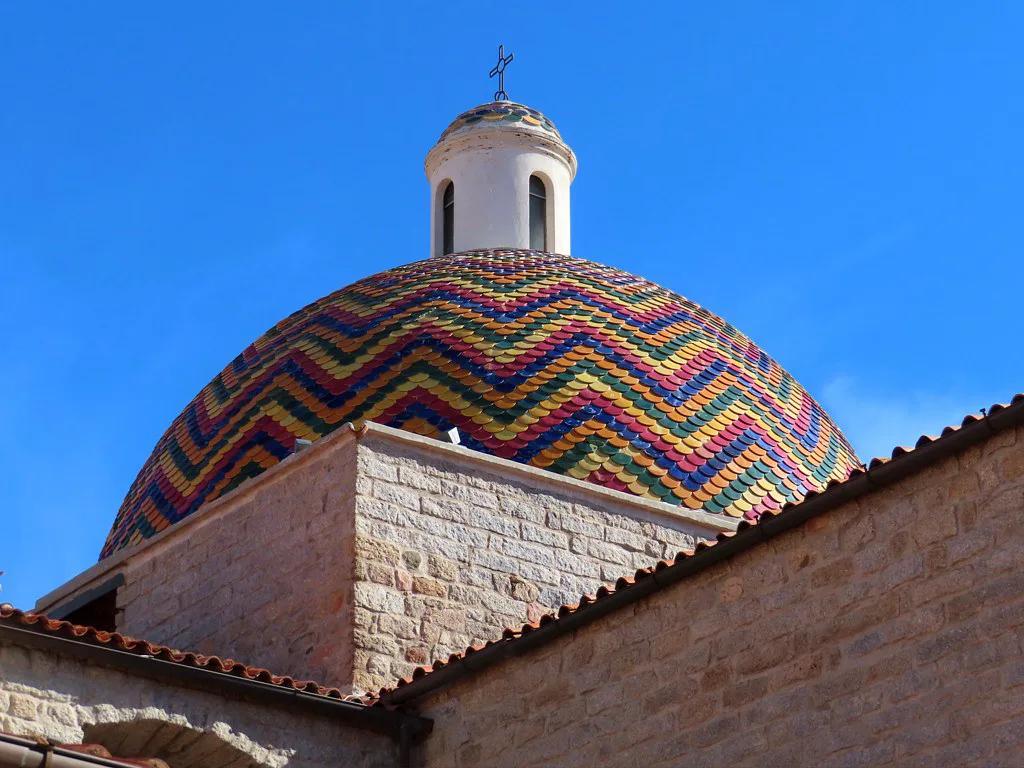
From there, decide between the port side for the museum and waterfront, or inland to Parco Fausto Noce for a park walk. The parish church of San Paolo Apostolo on Piazza Civita, with its colourful roof and later frescoes, fits naturally between the two. Keep the day flexible, because a single closure should not sink the plan.
The Olbia city page on Yondli is a sensible place to line up the individual attraction guides before this walk, so you know which interiors you actually want to enter. If you only have one day, the hidden gems in Olbia guide is a better fit than a long checklist.
Choosing Your Olbia Base
The neighbourhood question in Olbia resolves into a simple trade: walkability versus water and coast. The centro storico around Corso Umberto I is the easiest base for a short first visit, the port side suits anyone drawn to the archaeology museum and harbour, and the coast is a separate decision that requires transport planning.
Before booking, confirm what matters most: museum access, any city events during your dates, and how you will reach the coast if you stay there. The Comune di Olbia and SardegnaTurismo publish the information you need, and neither charges for checking.
Frequently Asked Questions
What is Olbia known for?
Olbia is a port city on Sardinia's northeastern coast and a common gateway towards the Costa Smeralda. Within the city, its best-known landmarks include the Romanesque Basilica di San Simplicio, the Corso Umberto I shopping street, and the Museo Archeologico near the port, which holds nuraghic and Roman finds.
Where should I stay in Olbia for a first visit?
For a short first visit, the centro storico around Corso Umberto I is the most practical base because the Basilica di San Simplicio, the Corso and Piazza Regina Margherita are within walking distance. If you want the harbour and the archaeology museum as your focus, the port side works well, provided you confirm the museum's current status before relying on it.
Is it better to base in Olbia city centre or on the coast?
It depends on what fills your days. The city centre suits sightseeing on foot and short stays; the coastal strip towards the Costa Smeralda suits beach-led trips but generally requires arranging transport. Travellers splitting time between the two are usually better off splitting the stay than forcing one base to cover both.
How walkable is central Olbia?
The historic core is walkable. Corso Umberto I, Piazza Regina Margherita and the Basilica di San Simplicio form a compact circuit on foot. The port and the Museo Archeologico sit on a separate axis, so plan your days by cluster rather than zig-zagging between the two areas.
Is Olbia a good base for exploring Sardinia?
Olbia is a useful arrival point and a reasonable base if your plans concentrate on the northeast, including the Costa Smeralda. For the wider island, no single base works efficiently, so treat Olbia as one stop rather than the only stop and check distances and transport before committing.
Sources
Continue exploring
More guides you'll find useful





