Two Days in Modena: A Slow Two-Day Itinerary
Two days in Modena: one day around the UNESCO cathedral complex with a guided tour, one day on a motor collection or balsamic acetaia, with lunch timing advice.
On this page
Modena packs its UNESCO cathedral complex, a walkable centre and a set of bookable visits into a small area, so two days can hold both the historic core and one deeper theme. The official tourism site gathers timed entries, guided tours and experiences in one place, which makes it the sensible first stop when deciding what to reserve.
As a planning suggestion rather than an official schedule, the itinerary below spends day one on foot around the centre and gives day two to a single theme: a motor collection or a food producer. It assumes you would rather see one thing properly than race between four, and it keeps the midday break in the plan.
Before You Book: What Needs Reserving and What to Confirm
VisitModena lists timed entries and guided visits as separate bookable products, including entry to the Torre Ghirlandina, the historic rooms of the Palazzo Comunale, the Acetaia Comunale and themed or theatrical tours. The page shows example prices for several of these, such as the Torre Ghirlandina at €6, the historic rooms free Monday to Saturday with Sunday at €5, and a weekend city tour at €12. Treat every figure as a changeable example and reread the listing on the day you book.
Opening days vary by venue, and the tourism site flags exceptions, including a seasonal closure for one visit: the Palazzo Ducale guided tour is marked as closed in August. Nothing should be assumed open in 2026 simply because it appears in a listing, so check the operator's own page or ask the tourist office before fixing a day around one museum or acetaia. Build a fallback into day two in case your first choice is closed.
Day One Morning: Piazza Grande, the Duomo and the Torre Ghirlandina
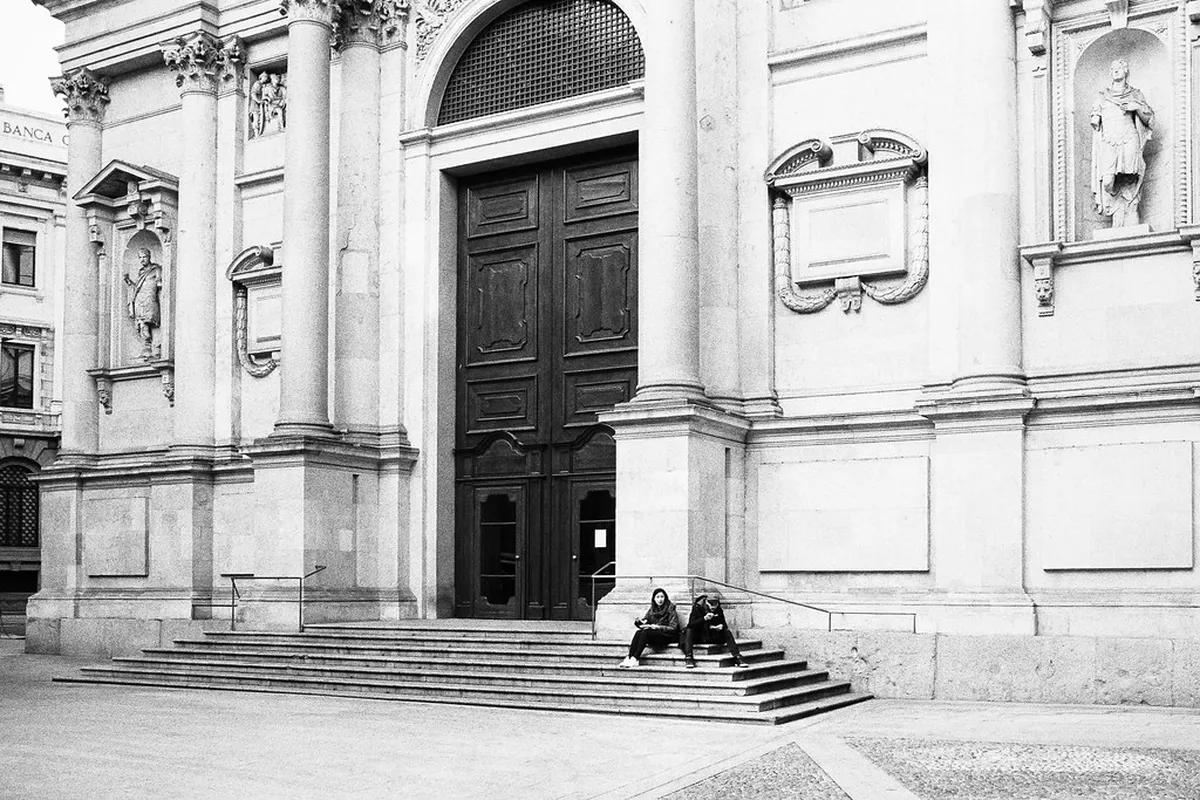
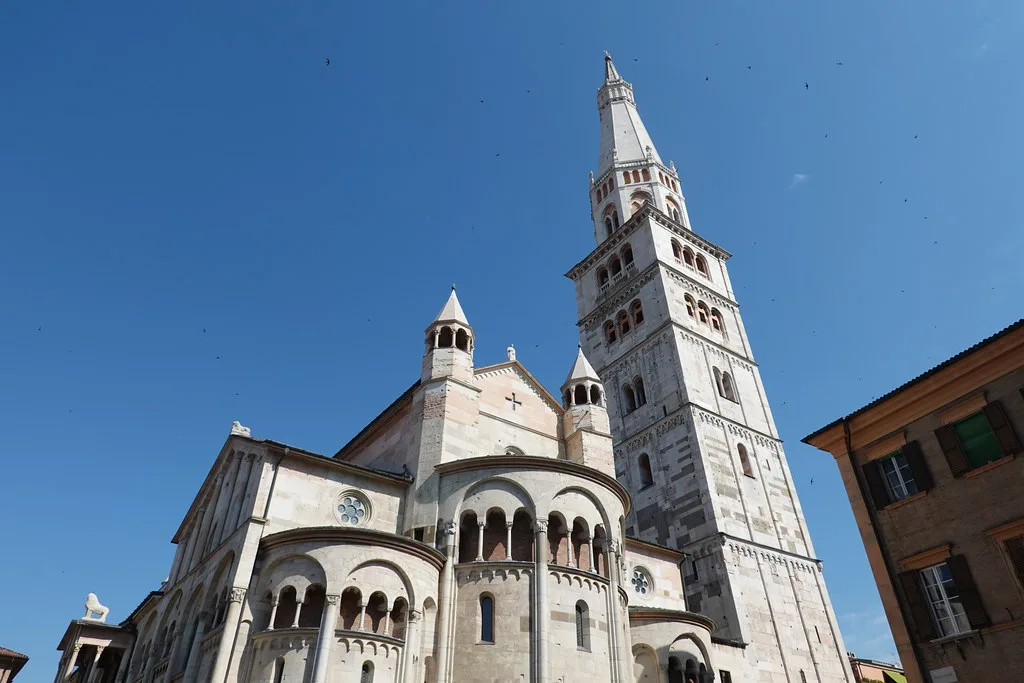
The UNESCO site is a single ensemble of Piazza Grande, the Duomo and the Torre Ghirlandina, sitting together in the heart of the historic centre. The square itself is public space you can walk through without a ticket; the tower and the guided visits to the cathedral treasures are separate bookable products. Do not assume one ticket covers the whole complex, and budget only for the interiors you actually want to enter. Our hidden gems in Modena guide is a useful companion for the centre's smaller corners around this core, and the Duomo di Modena and Ghirlandina Tower each have their own dedicated write-ups.
VisitModena prices Torre Ghirlandina entry at €6 and the Cathedral treasures tour at €15 as two distinct products, which is a reminder to check each listing for what is included. If the climb matters to you, reserve the tower slot you want before you travel, since the site sells timed entry rather than a walk-up ticket. Allow yourself a generous morning here rather than squeezing the square, the cathedral and the climb into a rushed hour.
Day One Midday: Working Around the Riposo Lunch Window
Modena keeps a lunch window of roughly 11:30 to 14:30, after which many restaurants and shops close for a break of about ninety minutes before the evening, according to one travel account of the city. That rhythm should shape day one: eat between the morning visit and the afternoon one rather than pushing through and finding the kitchen shut. Check current hours yourself, since individual places differ.
In practice, finish the tower or cathedral tour by early afternoon and sit down before kitchens close. If you prefer a lighter lunch, hold out for aperitivo instead, which the same account describes as beginning mid-afternoon and arriving with small savoury bites. Keep the afternoon loose enough to absorb a longer-than-expected lunch.
Day One Afternoon: Guided Tours, Historic Rooms and Themed Visits
VisitModena runs a weekend programme of walking tours of the centre, including a classic city tour at €12, a slower accessible version at €12 on Saturdays, a family tour at €12 and a Duomo treasures tour at €15. It also lists themed visits to the Palazzo Comunale's historic rooms and to the former Albergo Diurno. Pick one that matches your energy level rather than stacking two in an afternoon, and book the date shown on the listing.
If you climbed the tower in the morning, the historic rooms make a good indoor alternative for a wet afternoon; the same page lists them as free Monday to Saturday with a Sunday charge. Themed tours run on set dates through the year, and theatrical versions with actors start at a higher figure than the plain guided visits, so choose according to whether you want performance or explanation.
Day One Evening: Aperitivo Near the Cathedral, Then Dinner
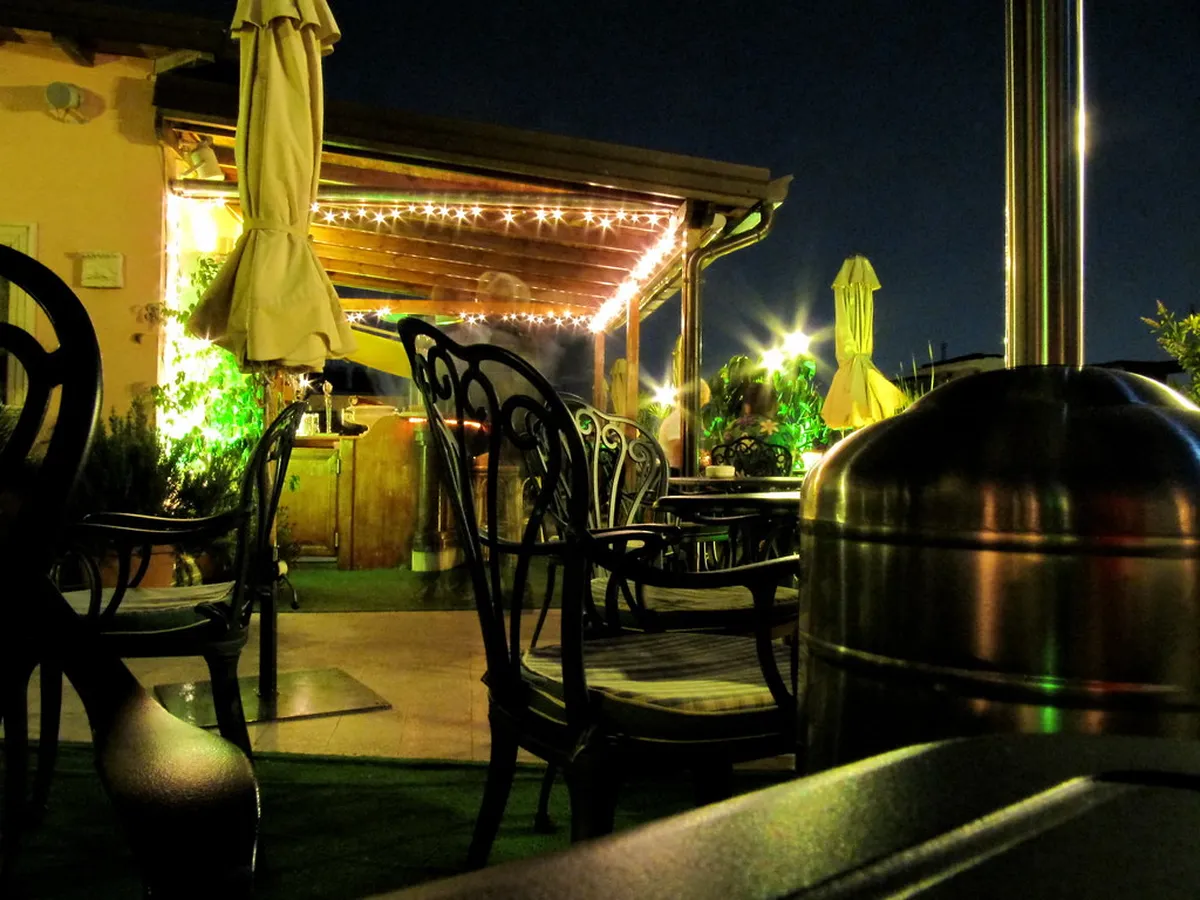
Aperitivo in Modena starts in the late afternoon, when bars put out small salty nibbles alongside drinks and outside tables fill, according to one first-hand account. The area near the cathedral works well for this, with wine bars and cafés within a short walk of Piazza Grande.
Dinner deserves a reservation. The same account notes booking every dinner in Modena and finding Sunday evenings awkward, since many restaurants close then while others fill quickly. Reserve your first-night table before you arrive and keep the meal within walking distance of your hotel so the day ends slowly rather than with a taxi hunt.
Day Two Option A: Choose One Motor Museum, Not Three
Modena is widely associated with Italy's motor industry, and the tourism site sells several separate experiences: the Ferrari museums, a Pagani factory and museum tour, the Stanguellini museum and the Maserati Panini collection. They are different operators in different locations, so a single day realistically holds one. Choose the marque that interests you and leave the rest for another trip.
Check the booking page for each before committing, because they differ in how they sell entry: some run factory or atelier tours at fixed times, while others are collections you visit at your own pace. VisitModena lists example prices including €65 for the Pagani tour, €27 for the Ferrari museums and €15 for the Stanguellini museum, but these change, so read the live figure rather than budgeting from an old quote.
Day Two Option B: How a Balsamic or Salumeria Visit Works
Balsamic vinegar is the food most associated with this part of Emilia-Romagna, and a working acetaia visit is where the production method makes sense: cooked grape must aged in a series of wooden barrels over years. The tourism site sells guided visits to the Acetaia Comunale in Modena, the Museo dell'Aceto Balsamico Tradizionale in Spilamberto and an acetaia in Carpi, each with its own days and times.
A second option is the MUSA salumeria museum, which VisitModena lists with a guided visit by reservation on certain days. One traveller describes a cured-meat museum tour as short but informative, finishing with a glass of Lambrusco. Check current days and booking requirements before turning up, note the example prices, and remember these venues are not all in the city centre.
Day Two Afternoon: Slowing Down in the Centre
After a morning at a museum or acetaia, the centre rewards a loose afternoon: the cathedral complex again, the porticoed streets, and whatever churches you pass on the way. VisitModena publishes walking and cycling itineraries with downloadable maps if you want structure without a guide. For a version anchored on specific stops, the Modena Attractions hub groups the individual sights into separate guides.
If you move on the next day, keep the afternoon short and save your energy for the transfer. One travel account places Modena roughly an hour's drive from Bologna and half an hour south of Parma, which makes it a natural stop on an Emilia-Romagna route. Check train and bus options yourself rather than relying on any single description.
Where to Base Yourself and How Two Days Fit a Wider Route
Base yourself in or near the historic centre so both days start on foot, and check whether your hotel includes breakfast before you count on it. One account describes a hotel breakfast buffet as part of the room rate, but that is a single property rather than a city rule. Modena works well as a two-night stop between Bologna and Parma, so confirm your onward connection before booking the hotel.
If your time is really one day, cut day two and give the centre the full day instead. Two full days is the point at which the second theme earns its place, and a weekend is enough to add one guided tour without crowding the cathedral complex.
Budgeting for Two Days: Free Squares, Ticketed Interiors
Public space is free: Piazza Grande, the streets of the centre and the exteriors of the cathedral and tower cost nothing to walk through. What you pay for are timed entries, guided tours, museum tickets and tasting visits, each sold separately by its own operator. Budget by listing the specific products you want from the tourism site and adding them up, rather than assuming a city-wide pass exists.
Some visits are free or low-cost, such as the themed visit to the former Albergo Diurno, which the tourism site lists as free entry, while factory tours sit at the higher end. Because listed figures change, treat any number you see as an example to reconfirm at the moment of booking, and keep a little cash for small bites and drinks.
Plan Your Visit
Two days in Modena work best when you reserve day one around the cathedral complex and pick a single theme for day two, accepting that you cannot see every motor collection and every acetaia in one trip. Start from the official tourism site, then check the live details on each listing and confirm days and prices before you commit.
Leave room for the midday pause and a late-afternoon aperitivo, and book your dinners before you travel. If you want more to do once the headline sights are done, read the hidden gems guide before you set off. For related planning, see One Day in Modena: A Realistic Walking Itinerary.
Frequently Asked Questions
Is Modena worth visiting for two days?
Yes, if you use the second day for one theme rather than racing between attractions. Day one fits comfortably around the UNESCO cathedral complex, a guided tour and a slow dinner. Day two earns its place when you commit to either a motor museum or a balsamic producer. With only one day, keep to the centre and skip the second theme.
Can you visit Modena without a car?
The historic centre is compact and walkable, so day one needs no car. Some motor museums, collections and food producers sit outside the centre, and the tourism site lists them as separate experiences with their own locations. Check transport options for your chosen day-two venue in advance rather than assuming a bus or train connection.
What food is Modena famous for?
Balsamic vinegar produced in the traditional way from cooked grape must, aged in wooden barrels, is the signature product, and acetaia visits explain the process. The surrounding region is also associated with Parmigiano Reggiano and cured meats. Lambrusco is the typical local wine served alongside the food.
Can you see the Ferrari museums in a single afternoon?
The tourism site sells museum tickets that cover the Ferrari museums in Modena and Maranello, but they are separate locations, so do not assume both can be done in one afternoon. Check each listing for what is included before you buy and work out which site is easier from your base.
Do you need to reserve the Torre Ghirlandina in advance?
The tower is a timed, ticketed entry sold as its own product, separate from the rest of the cathedral complex. VisitModena sells entry in fixed time slots and lists the current example price on its booking page, so reserve the slot you want rather than walking up. Check the listing for current days and any seasonal closures before fixing a morning around it.
Sources
Continue exploring
More guides you'll find useful